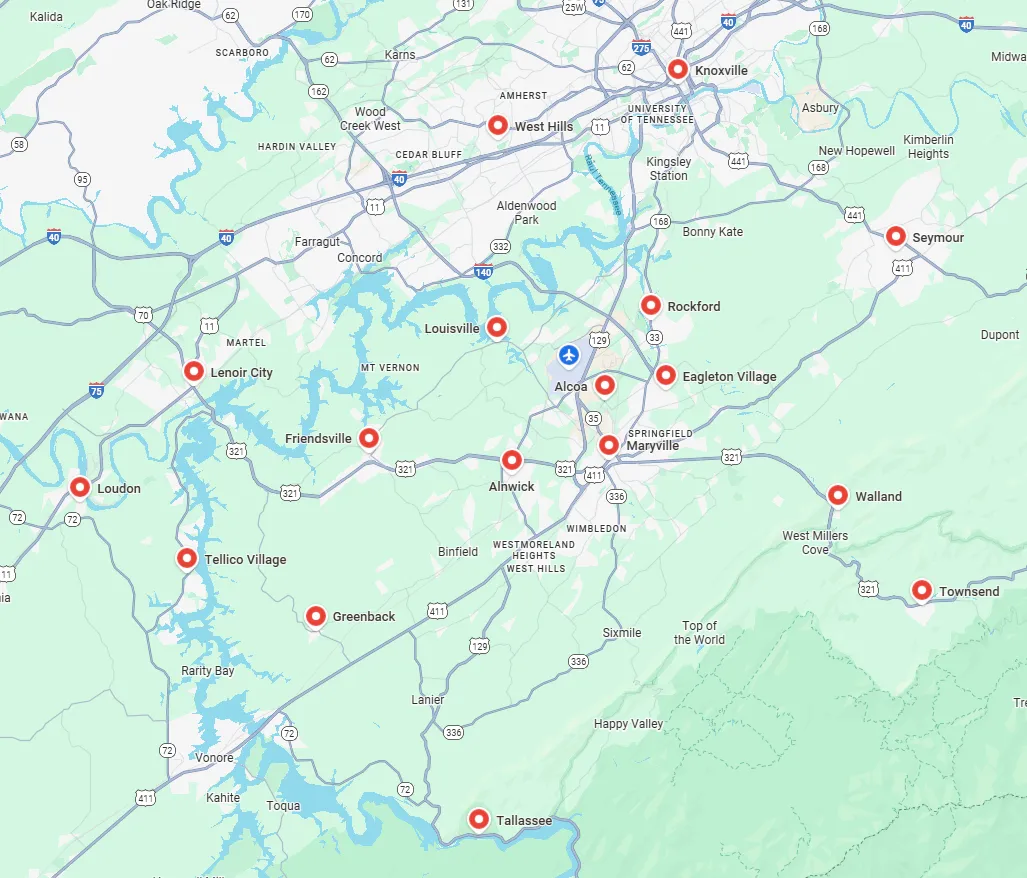


Heat Pump Replacement in Eagleton Village, TN
Replacing a heat pump is a significant decision for any homeowner in Eagleton Village, TN. With our hot, humid summers and chilly winter nights, a properly sized and efficient heat pump is key to keeping your home comfortable all year long, all while lowering utility bills and sparing you those annoying repair headaches. At Everest Air Heating and Cooling, we provide clear, expert guidance on when a replacement makes sense, how we evaluate systems, what high-efficiency options are best for East Tennessee, and exactly what to expect from start to finish. We're here to help you understand the full process in plain language so you can make a truly informed replacement decision for your Eagleton Village home.
.avif)
Why heat pump replacement matters in Eagleton Village, TN
Eagleton Village experiences significant seasonal swings. Summer cooling demands are high due to humidity, while winter heating loads are moderate but can include cold snaps that challenge older heat pumps. An aging or poorly matched heat pump can drive up energy bills, create uneven comfort, increase indoor humidity, and require frequent repairs. Replacing an aged unit with a modern, high-efficiency model typically improves comfort, reduces monthly energy costs, and gives you long-term reliability—especially important for families, multi-generational households, and anyone working from home.
Common local factors that influence replacement decisions:
- High summer humidity increases cooling runtime and stress on older compressors.
- Cold nights in winter can reveal insufficient heating capacity on older or improperly sized units.
- Many Eagleton Village homes have mixed-age systems and ductwork that can affect performance.
- Local utility rebate programs and seasonal incentives may be available for high-efficiency replacements.
Common signs you need a heat pump replacement
Knowing when repair is no longer the best option helps you avoid repeated service calls and hidden costs. Consider replacement if you notice one or more of the following:
- System age of 10 to 15 years or more. Most heat pumps lose efficiency and reliability after this period.
- Rapidly increasing repair frequency or repair costs that approach the value of a new system.
- Rising energy bills without corresponding increases in usage or thermostat changes.
- Inconsistent temperatures across rooms or inability to maintain set temperature on hot or cold days.
- Loud or unusual noises from the outdoor unit or indoor air handler.
- Refrigerant leaks or repeated low refrigerant charges, which indicate failing components or piping issues.
- System cycles on and off rapidly (short cycling), which causes wear and inefficiency.
- Moisture and humidity problems that cleaning and Tune-Ups do not resolve.
If these issues describe your home, a professional system evaluation can determine whether a replacement will improve comfort and lower lifetime ownership costs.
Professional system evaluation and energy-efficiency comparisons
A thorough evaluation is the first step. Everest Air Heating and Cooling follows a multi-point assessment to compare repair versus replacement and to identify the right upgrade path for your Eagleton Village home.
Key evaluation steps:
- Visual inspection of outdoor unit, indoor air handler, ductwork, and thermostat.
- Measurement of system performance: refrigerant pressures, temperature split, airflow, and electrical draw.
- Heat load calculation for the home (Manual J). This determines the heating and cooling capacity needed based on square footage, insulation, windows, orientation, and occupancy.
- Duct evaluation (Manual D): checks for leaks, sizing issues, and airflow balance.
- Energy-use comparison: current system SEER/HSPF or estimated seasonal efficiency compared to modern units.
- Life-cycle cost analysis: compares upfront costs, estimated energy savings, projected repair frequency, and expected lifespan of new models.
Energy-efficiency metrics to consider:
- SEER (Seasonal Energy Efficiency Ratio) for cooling efficiency. Higher SEER means lower cooling costs.
- HSPF (Heating Seasonal Performance Factor) for heat pump heating efficiency.
- COP (Coefficient of Performance) at specific temperatures for cold-weather performance.
- Variable-speed inverter technology often improves comfort and efficiency versus single-speed compressors.
- Equipment sizing and matched component performance to avoid short cycling and maximize efficiency.
This evaluation results in a clear recommendation: repair, partial component replacement, or full system replacement. In Eagleton Village, the evaluation frequently shows meaningful savings when upgrading older systems to modern, high-efficiency heat pumps, especially for homes with duct issues or poor insulation.
Selecting the right high-efficiency heat pump for Eagleton Village homes
Choosing the right model is about matching equipment to your home and local climate. In Eagleton Village, consider these options and features:
Types of heat pumps:
- Standard air-source heat pumps: Good for most of East Tennessee where winters are moderate.
- Cold-climate heat pumps: Designed to maintain efficiency and capacity at lower outdoor temperatures; useful for homes that experience colder microclimates.
- Ductless Mini Split systems: Ideal for additions, non-ducted homes, or zoned control in rooms where extending ductwork is not practical.
- Dual-fuel systems: Pair a heat pump with a gas furnace to optimize efficiency during very cold periods.
Features to prioritize:
- Variable-speed inverter compressors for smoother temperature control and higher efficiency at part-load conditions.
- High SEER and HSPF ratings for lower annual energy use; look for ENERGY STAR certified options where appropriate.
- Smart thermostats and zoning capability to reduce wasted runtime and tailor comfort by room.
- Properly matched outdoor and indoor components; mismatched systems reduce performance and void warranties.
- Sound ratings for quieter operation, which matters in close-knit Eagleton Village neighborhoods.
Everest Air Heating and Cooling helps homeowners compare models by presenting performance data in understandable terms and explaining how specific features translate to comfort and savings in local conditions.
Removal and responsible disposal of old equipment
Heat pump replacement includes the safe removal and disposal of the old system. Proper handling protects your home and the environment.
What responsible removal includes:
- Recovery of refrigerant using certified EPA recovery equipment to prevent release into the atmosphere.
- Safe disconnection of electrical and drain lines following code and manufacturer recommendations.
- Inspection of existing refrigerant lines for damage or contamination; replacement when necessary.
- Proper recycling of metal, copper, and nonhazardous components through authorized facilities.
- Disposal of hazardous materials such as contaminated oil or insulation according to local regulations.
Everest Air Heating and Cooling follows environmental best practices and local codes during removal. Proper disposal prevents future refrigerant leaks, eliminates potential contaminants, and often streamlines permitting for the new installation.
The typical installation timeline and what to expect during replacement
Replacement timelines vary by home complexity, but most full-system heat pump replacements follow a predictable sequence. Typical stages and estimated durations:
- Pre-installation planning and final selection (1 to 7 days)
- Final equipment selection, load calculations verified, and any permitting requirements confirmed.
- Site preparation (same day as install or prior)
- Access routes cleared, condenser pad location prepared, and any minor carpentry or electrical prep scheduled.
- Removal of existing system (1 day)
- Recover refrigerant, disconnect, and remove old outdoor and indoor units.
- Installation of new outdoor and indoor equipment (1 to 2 days)
- Mounting outdoor unit on pad, running new refrigerant lines and electrical, installing indoor air handler or coil, and connecting ductwork.
- System charging and commissioning (same day as installation)
- Evacuate and charge refrigerant, adjust airflow, calibrate thermostat, and perform startup tests at operating conditions.
- Final testing and homeowner orientation (same day)
- Demonstrate system operation, review maintenance needs, and provide warranty documentation.
Complex jobs that include duct replacement, electrical panel upgrades, or structural modifications may require additional days. Everest Air Heating and Cooling coordinates timelines clearly and performs quality checks at each stage to ensure reliable performance at startup.
Warranty, rebate, and financing considerations
When replacing a heat pump, warranty coverage and available incentives significantly affect long-term ownership costs and peace of mind. Consider these topics:
Warranties and protection:
- Manufacturer warranty: typically covers major components such as compressor and coils; terms vary by model and manufacturer.
- Compressor and parts warranty lengths differ; confirm what is covered and whether warranties are conditional on professional installation.
- Transferable warranties can add value to the home if you sell.
- Everest Air Heating and Cooling provides documentation for warranty registration and stands by professional installation practices required by manufacturers.
Rebates and incentives:
- Local utility providers and state programs sometimes offer rebates for high-efficiency heat pump installations or heat pump conversions.
- Manufacturer and retailer promotions may include rebates or higher efficiency model discounts at certain times of year.
- Federal tax incentives may be available for qualifying energy-efficient upgrades; verify current eligibility and documentation requirements.
Financing options:
- Many homeowners finance replacement systems through lender programs, home improvement loans, or manufacturer financing at competitive terms.
- Everest Air Heating and Cooling can outline typical financing structures and the documentation often required for approval, so you can evaluate monthly costs compared to estimated energy savings.
Understanding warranty coverage, available rebates, and financing options before installation helps you plan for a smooth transition and reduces unexpected expenses during the first years of ownership.
Expected energy savings, comfort improvements, and lifecycle benefits
Replacing an outdated heat pump with a modern, high-efficiency unit delivers measurable benefits in Eagleton Village homes.
Energy savings and cost reductions:
- Upgrading from a 10 to 15 year old heat pump to a modern high-efficiency model commonly reduces energy use for heating and cooling by 20 to 40 percent, depending on prior system efficiency, insulation, and usage patterns.
- Variable-speed and inverter-driven units offer the largest gains during shoulder seasons when the system runs at reduced capacity most of the time.
- Savings depend on local electricity rates, but many homeowners notice lower monthly bills and reduced seasonal spikes.
Comfort and indoor environment improvements:
- More consistent temperatures from room to room due to better capacity control and properly sized equipment.
- Improved humidity control in summer, reducing sticky conditions common in East Tennessee.
- Quieter operation with modern outdoor units and variable-speed blowers.
- Faster recovery time when the system responds to setpoint changes, particularly with ductwork improvements and zoning.
Longevity and reduced repair needs:
- New systems typically include improved components and better corrosion resistance, which increases lifespan and lowers the probability of mid-life failures.
- Properly installed systems that receive routine maintenance can provide reliable operation for 15 years or more.
When weighing replacement, consider the combined value of monthly utility savings, improved comfort, fewer emergency repairs, and the residual value of an upgraded HVAC system to your home.
Addressing common concerns unique to Eagleton Village properties
Many Eagleton Village homes have attributes that affect heat pump performance and installation choices. Everest Air Heating and Cooling addresses these common local considerations:
Older houses with limited attic or crawlspace access:
- Ductwork routing and equipment placement can be more complicated in older construction. Options include compact air handlers, ductless systems, or targeted duct modifications to minimize disruption.
High humidity and ventilation needs:
- Properly sized dehumidification strategies, integration with ventilation systems, or the use of variable-speed systems help control indoor moisture without oversizing system capacity.
Close property lines and noise sensitivity:
- Low-noise outdoor units and careful placement can minimize disruption to neighbors. Everest Air Heating and Cooling evaluates sound ratings and recommended setbacks for Eagleton Village installations.
Homes with mixed fuel systems:
- Where fuel sources mix, dual-fuel systems can provide efficient heat pump operation with supplemental gas heat during extended cold snaps for both efficiency and comfort.
Historic or tightly built homes:
- Heat load calculations must factor in single-pane windows, insulation gaps, and thermal leaks. Often the best approach is to pair equipment upgrades with targeted building envelope improvements for maximum savings.
Maintenance and preserving replacement value
A new heat pump investment is best protected with regular upkeep. Recommended maintenance tasks to preserve efficiency and extend system life:
- Schedule professional Tune-Ups at least once per year, ideally in spring for cooling and fall for heating. Everest Air Heating and Cooling’s Y.E.T.I Comfort Plan outlines seasonal inspections and priority service benefits.
- Replace or clean filters monthly to protect airflow and indoor air quality.
- Keep outdoor unit clear of plants, debris, and excessive shade that can restrict airflow.
- Monitor refrigerant charges and electrical connections during annual service.
- Check and seal ductwork periodically to prevent losses that negate the efficiency of a new heat pump.
Routine maintenance reduces the risk of early failures, preserves manufacturer warranties, and ensures the system delivers the projected energy savings.
What to expect in terms of documentation and handoff
At the conclusion of a replacement project, homeowners should receive clear documentation that supports long-term system care and warranty claims. Typical deliverables include:
- Manufacturer warranty registration documents and terms.
- Equipment manuals and model/serial number records.
- Commissioning report showing measured performance, refrigerant charge, airflow, and test results.
- Maintenance recommendations and service schedule.
- Guidance for optimal thermostat settings to balance comfort and efficiency in Eagleton Village climates.
Everest Air Heating and Cooling provides a thorough handoff so homeowners understand operation, warranty coverage, and maintenance needs without needing technical expertise.
FAQ
Q: How do I know if my heat pump should be repaired or replaced?
A: If your system is older than 10 years, requires frequent repairs, has rising energy bills, or cannot maintain comfort, replacement often makes the most sense. A professional evaluation including a heat load calculation and performance testing will show whether repair or replacement offers better long-term value.
Q: What efficiency ratings should I look for in a new heat pump in Eagleton Village, TN?
A: Look for models with high SEER and HSPF ratings and consider variable-speed inverter compressors for better part-load efficiency. For homes that experience colder nights, cold-climate heat pumps with strong low-temperature performance are worth considering.
Q: How long does a full heat pump replacement take?
A: Most standard replacements can be completed in one to two days, including removal, installation, charging, and commissioning. Jobs with ductwork changes or electrical upgrades may take longer.
Q: Will a new heat pump reduce my energy bills?
A: Yes, in most cases replacing an old heat pump with a modern high-efficiency model reduces energy consumption for heating and cooling by a substantial margin, commonly in the range of 20 to 40 percent depending on your previous system and home efficiency.
Q: What happens to my old unit after replacement?
A: The refrigerant is properly recovered, and recyclable materials are handled according to local regulations. Everest Air Heating and Cooling follows best practices for responsible disposal and recycling of removed components.
Q: Are there rebates or financing options for heat pump replacement?
A: Many homeowners qualify for manufacturer promotions, utility rebates, or state and federal incentives for energy-efficient equipment. Financing options are commonly available for system replacements. Specific eligibility and programs vary, so homeowners should review current offerings and required documentation.
Q: Should I upgrade my ductwork when replacing a heat pump?
A: If your ducts are leaking, undersized, or poorly insulated, upgrading or sealing ducts often yields better comfort and increases the effective efficiency of a new heat pump. A duct evaluation is part of a comprehensive replacement plan.
Q: How do variable-speed compressors affect comfort?
A: Variable-speed compressors modulate output to match load, resulting in smaller temperature swings, improved dehumidification, quieter operation, and greater efficiency during partial load conditions common in Eagleton Village shoulder seasons.
Everest Air Heating and Cooling brings local expertise to heat pump replacement decisions in Eagleton Village, TN, blending clear evaluations, responsible installation practices, and practical advice on equipment selection and long-term maintenance. Replacing your heat pump is an investment in comfort, lower energy bills, and reliable year-round performance tailored to the climate and homes of East Tennessee.
hear what our satisfied clients have to say

David P.
Service areas