

Heat Pump Repair in Eagleton Village, TN
When your heat pump struggles, your home comfort in Eagleton Village, TN is definitely at risk. These systems are the backbone of efficient heating and cooling here, reliably handling our humid summers and those occasional subfreezing winter nights. At Everest Air Heating and Cooling, we truly understand the specific stresses East Tennessee homes place on heat pumps. We'll cover the most common heat pump problems we encounter in Eagleton Village, how our professional diagnostics pinpoint the root cause, and what a typical repair workflow looks like. You'll also learn about our emergency and same-day service options, our parts and replacement practices, realistic repair timelines, and practical steps Everest Air Heating and Cooling recommends to help you avoid repeat breakdowns.
.avif)
Why heat pump repair matters in Eagleton Village, TN
Eagleton Village experiences humid summers and variable winters. High humidity increases load on the cooling side, while temperature swings and icy conditions in winter increase defrost cycles and stress the reversing valve and compressor. Many homes here have older duct systems, crawl spaces, or shaded yards that affect outdoor unit airflow and efficiency. Those local factors make timely, accurate heat pump repair essential to avoid higher energy use, uneven comfort, and premature component failure.
Everest Air Heating and Cooling brings local experience to every diagnostic and repair, focusing on long-term reliability and system efficiency rather than quick bandages.
Common heat pump issues in Eagleton Village homes
Heat pump problems often start small and escalate. Below are the most frequent issues we see and what they typically mean:
- Lack of heating or cooling
- Could be thermostat, low refrigerant, compressor failure, or airflow restrictions.
- Short cycling (system turns on and off rapidly)
- Often caused by a defective thermostat, low refrigerant, clogged filter, or electrical faults.
- Strange noises from indoor or outdoor unit
- Rattles, grinding, or loud humming can indicate loose panels, failing fan motors, or compressor strain.
- Refrigerant leaks or low refrigerant charge
- Low refrigerant reduces heating and cooling performance and can damage the compressor.
- Compressor or outdoor fan failures
- These are critical components; failure usually requires a targeted repair or replacement.
- Frozen outdoor coil or indoor coil
- Often caused by restricted airflow, low refrigerant, or malfunctioning defrost controls.
- Defrost cycle problems in winter
- A stuck reversing valve or faulty defrost thermostat can leave the outdoor unit iced over.
- Electrical issues: tripped breakers, blown fuses, bad capacitors
- Electrical faults are a leading cause of unexpected shutdowns.
- Poor airflow through vents
- Duct leaks, blocked returns, or failing blower motors will reduce performance.
- Thermostat calibration and communication problems
- Incorrect settings or wiring faults can cause inconsistent operation or failure to switch modes.
How we diagnose heat pump problems
A precise diagnosis is the foundation of a reliable repair. Everest Air Heating and Cooling follows a step-by-step diagnostic process designed to identify the root cause efficiently and accurately:
- Initial system history and symptom check
- We gather when the problem started, frequency, and any recent changes to the home or system.
- Visual inspection
- Check for obvious signs: ice on coils, oil or refrigerant residue, burned wires, loose panels, or obstructed airflow around the outdoor unit.
- Thermostat and controls check
- Verify thermostat settings, batteries, calibration, and communication with the system.
- Electrical testing
- Measure voltage and amp draw on compressor and fan motors, inspect contactors, relays, capacitors, and control boards.
- Refrigerant pressure and leak detection
- Measure system pressures, check for imbalance, and use electronic leak detectors if necessary.
- Airflow assessment
- Evaluate filter condition, duct static pressure, and blower performance to confirm adequate airflow.
- Defrost and reversing valve tests for winter complaints
- Check defrost cycle operation, reversing valve function, and related sensors.
- System performance test
- Run the system through heating and cooling cycles and record temperature splits, run times, and capacity indicators.
- Detailed findings and recommended repair scope
- Provide a clear explanation of the issue and the likely repair or replacement options.
This method reduces guesswork. It helps homeowners in Eagleton Village understand why a repair is needed and which components must be addressed for long-term reliability.
Emergency and same-day repair options
Heat pump failures do not always happen at convenient times. In Eagleton Village, prolonged system downtime can mean uncomfortable nights and higher energy bills.
- Same-day service capability
- Many common repairs can be completed the same day with an experienced technician carrying commonly replaced parts. Same-day availability depends on part availability and severity of the issue.
- Emergency response
- For system failures in extreme weather, a prioritized response is possible to protect comfort and prevent further damage. Emergency services focus on diagnostics and temporary measures when a full repair is not possible on the first visit.
Everest Air Heating and Cooling aims to reduce time without heat or air by prioritizing critical repairs and temporary safe workarounds when needed, then following up with permanent fixes.
Typical repair workflow for heat pump issues
A consistent, transparent workflow gets systems back to reliable operation and gives homeowners confidence:
- Arrival and safety setup
- Technician confirms homeowner presence, isolates power to the system, and sets up a safe work area.
- System verification and initial tests
- Perform the diagnostic checklist to verify homeowner-reported symptoms.
- Report of findings
- Explain the problem in plain language, list affected components, and outline repair options with expected timelines.
- Parts evaluation and replacement
- Use OEM or approved equivalent parts based on compatibility, age of system, and long-term performance considerations.
- Repairs and adjustments
- Replace or repair components, recover and recharge refrigerant if required by environmental regulations, and adjust electrical and mechanical settings.
- System calibration and performance testing
- Run the system through complete cycles to confirm correct operation in both heating and cooling modes.
- Cleanup and homeowner walkthrough
- Leave the site clean, explain what was done, and provide maintenance recommendations.
- Documentation
- Provide service records that detail work completed and any recommended follow-up.
This workflow focuses on safety, transparency, and restoring efficient operation rather than temporary fixes that invite repeat calls.
Parts replacement policies and quality assurance
When parts require replacement, quality and compatibility are critical to long-term performance:
- OEM and recommended aftermarket parts
- Wherever possible, Everest Air Heating and Cooling uses original manufacturer parts or industry-approved equivalents matched to the system.
- Warranty on workmanship
- Repairs are performed with standard workmanship guarantees that aim to protect your investment and provide peace of mind.
- When replacement is more cost-effective
- Technicians assess whether a component-level repair is sensible or if system replacement is the more reliable, cost-effective long-term solution, especially for older units nearing end of life.
- Refrigerant handling and compliance
- All refrigerant repairs follow EPA guidelines for recovery and recharge to ensure safety and environmental compliance.
These policies help Eagleton Village homeowners get durable repairs that minimize future failures and protect system life.
Estimated repair timelines
Repair time depends on the problem complexity and parts availability. Typical timelines we encounter:
- Simple fixes and adjustments: 30 minutes to 2 hours
- Examples: thermostat recalibration, capacitor replacement, cleaning, or filter changes.
- Moderate repairs: 2 to 4 hours
- Examples: fan motor replacement, contactor replacement, refrigerant top-off if no leak is present.
- Major component replacements: half-day to full day
- Examples: compressor replacement, reversing valve replacement, or major electrical work.
- Repairs requiring special-order parts: 1 to several days
- If the correct OEM part must be ordered, repair is scheduled once parts arrive. Temporary measures may be applied to restore partial function.
These timelines reflect typical field experience. Local factors in Eagleton Village, like inclement weather or limited part availability for older models, can extend timelines.
What we do not include: pricing specifics
This page focuses on diagnosis, repair process, timelines, and prevention. Pricing varies widely by problem, parts required, and system age. A clear diagnosis is essential before any cost estimate can be provided.
Common questions about repair outcomes
Q: Will a low refrigerant charge always mean a leak?
A: Often yes. Refrigerant does not evaporate under normal conditions. Low charge typically indicates a leak that must be found and repaired before recharging.1
Q: Can a compressor be repaired or does it need replacement?
A: Compressors are sometimes salvageable, but frequently replacement is the most reliable option. Technicians assess electrical tests and physical condition to recommend the right path.2
Q: Is a short cycle an immediate compressor risk?
A: Short cycling stresses the compressor and reduces life span.3 It should be identified and corrected quickly.
Q: Are DIY fixes safe?
A: Homeowner troubleshooting like changing filters and verifying thermostat settings is safe. Electrical or refrigerant work should be left to certified technicians to avoid safety and regulatory issues.
Avoiding future heat pump breakdowns in Eagleton Village
Preventive care tailored to local conditions reduces emergency repairs and extends system life. Recommended steps include:
- Regular filter changes
- Replace or clean filters every 1 to 3 months depending on use and indoor air quality. Restricted filters increase blower strain and lower system efficiency.
- Schedule seasonal checkups
- Fall and spring inspections catch problems before heavy use seasons. These checkups should include refrigerant pressure checks, electrical tests, and airflow assessment.
- Keep outdoor unit clear
- Maintain at least two feet of clearance around outdoor units. Remove leaves, pollen buildup, and debris that block airflow, especially during late spring when pollen is heavy in East Tennessee.
- Watch the defrost cycle in winter
- If the outdoor unit is iced solid or cycles abnormally, a technician should check defrost controls and refrigerant charge.
- Maintain ductwork
- Seal and insulate ducts, especially in crawl spaces and attics common to many Eagleton Village homes, to prevent energy loss and overheating of the blower.
- Monitor thermostat settings and wiring
- Incorrect wiring or failing smart thermostats can cause mode issues. Ensure thermostats are compatible with heat pump controls.
- Protect from power surges
- Frequent brownouts or surges can damage control boards and compressors. Consider surge protection for HVAC systems.
- Enroll in preventive maintenance plans
- Regular maintenance under a plan reduces breakdown risk and keeps warranties valid. Everest Air Heating and Cooling offers the Y.E.T.I Comfort Plan that provides seasonal checkups and priority access to service for routine care. The plan is designed around preventative maintenance to catch issues before they escalate.
These steps reflect the most effective practices to keep systems running smoothly under local climate conditions.
What to expect after a repair
After successful repair work you should experience:
- Restored steady heating or cooling with correct run times
- Stabilized airflow and even temperatures throughout the home
- Reduction or elimination of unusual noises or odors
- Normalized electrical draw and system pressures
- Documentation of work performed and recommended follow-up items
Everest Air Heating and Cooling technicians leave a clear summary of the repair and any maintenance recommendations for homeowners in Eagleton Village so you know what was done and why.
When to consider system replacement instead of repair
Heat pump replacement becomes sensible when:
- Repairs are frequent or component failures compound
- The system is near the typical service life for the model and brand
- Efficiency losses are substantial and replacing yields meaningful energy savings
- Major components like the compressor fail and replacement cost approaches the value of a newer unit
A technician will present repair versus replacement considerations based on inspection, age of equipment, and long-term home comfort goals. These decisions are best made with a full understanding of reliability, lifespan, and energy implications.
Safety and compliance
Repairs involving refrigerant and electrical systems follow strict safety and environmental rules. Certified technicians verify safe electrical connections, correct refrigerant handling, and compliance with local regulations. This protects the home and ensures a repair that meets code and industry standards.
Common diagnostic checklist used by Everest Air Heating and Cooling
- Verify homeowner's reported issue and system history
- Inspect outdoor unit for ice, debris, and physical damage
- Check thermostat function and settings
- Inspect indoor unit, coils, and condensate drainage
- Measure electrical input and component amp draw
- Test capacitors, contactors, and relays
- Measure refrigerant pressures and temperature splits
- Evaluate airflow and duct performance
- Run defrost and reversing valve checks for heat mode
- Recommend targeted repairs or replacement
This checklist ensures no critical step is skipped and provides a documented path from symptom to solution.
hear what our satisfied clients have to say

David P.
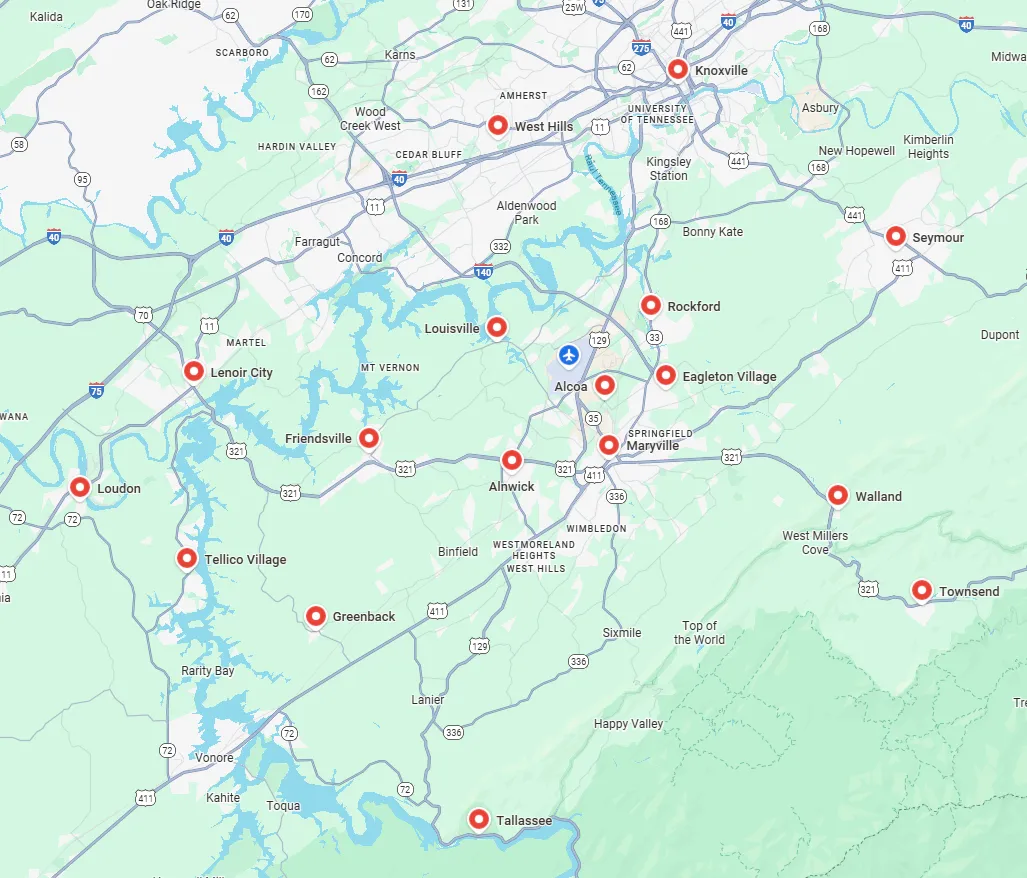
Service areas