

AC Replacement in Greenback, TN
Replacing an aging or failing air conditioner is a big decision, but it's one of the best investments you can make for year-round comfort and lower utility bills. Here in Greenback, TN, where our hot, humid summers really put cooling systems to the test, a properly sized, high-efficiency replacement can make a huge difference – improving comfort, cutting down on indoor humidity, and significantly reducing energy waste. At Everest Air Heating and Cooling, we bring our local experience and proven replacement processes to help homeowners like you understand exactly when a full AC replacement is the right choice. We'll walk you through how modern systems compare, what to expect during installation, and the long-term performance and warranty protections that truly matter. Trust Everest Air Heating and Cooling to keep your home cool and comfortable.
.avif)
Why AC replacement matters in Greenback, TN
Greenback experiences warm, humid summers and relatively mild winters. That combination makes cooling the dominant HVAC load for many months of the year and places additional stress on older systems that struggle with humidity control. Homes with duct leakage, undersized equipment, or systems older than 10 to 15 years often see higher operating costs, uneven comfort, and recurring repairs. Replacing a failing AC with a modern, correctly sized system improves cooling capacity, reduces runtime, and addresses moisture problems that contribute to mold, poor indoor air quality, and uncomfortable rooms.
Everest Air Heating and Cooling recommends replacing systems when the cost, reliability, and comfort advantages of a new unit outweigh repeated repairs. A replacement also creates an opportunity to upgrade to variable-speed technology, higher SEER ratings, and improved ductwork compatibility for lasting performance in Greenback homes.
Common signs you need an AC replacement
If your home shows any of the following signs, a full system replacement should be strongly considered rather than continued repairs:
- The system is more than 10 to 15 years old and has needed multiple major repairs.
- You experience uneven cooling or persistent hot spots in rooms despite working vents.
- Energy bills have risen steadily without changes in usage patterns.
- The system cycles short and often, indicating inefficiency or incorrect sizing.
- The compressor has failed or there is repeated refrigerant leaks.
- Your system uses outdated refrigerant that is difficult or costly to service.
- Indoor humidity remains high even when the system is running.
- Repairs exceed a reasonable percentage of replacement cost or parts are unavailable.
These issues are especially relevant in Greenback, where humidity control and consistent cooling across the house are critical for comfort during summer months.
Replace or repair: key considerations
Deciding between repair and replacement depends on several factors:
- Age and service history of the equipment
- Frequency and cost of ongoing repairs
- Current and expected comfort needs (e.g., better humidity control)
- Efficiency loss and potential energy savings from a new system
- Compatibility with your home’s ductwork and insulation levels
A well-documented inspection and load calculation will clarify whether your home needs a full system replacement or targeted repairs. Everest Air Heating and Cooling emphasizes objective assessments—if a system will continue to struggle even after a repair, replacement is often the smarter long-term choice.
Modern AC options and SEER ratings explained
When replacing an AC, model selection directly affects comfort, humidity control, and energy savings. Key modern options include:
- Central split-system air conditioners: Traditional, reliable choice for most homes. Available in a wide range of efficiencies.
- Heat pump systems: Provide both cooling and heating; high-efficiency heat pumps are increasingly common in Tennessee climates.
- Variable-speed and inverter-driven systems: Adjust compressor and fan speeds to match demand, improving comfort, dehumidification, and efficiency.
- Two-stage compressors: Improve performance by running at a lower capacity for much of the time, which helps control humidity and reduces cycling.
- Ductless Mini Splits: Good for room additions, garages, or homes without ductwork, offering zoned comfort and high efficiency.
SEER (Seasonal Energy Efficiency Ratio) is the standard measure of cooling efficiency. Higher SEER ratings mean better energy performance, but selection should also consider matching equipment properly to your home. In Greenback, high SEER units with variable-speed operation provide better humidity control and consistent comfort during the long cooling season. Everest Air Heating and Cooling helps homeowners compare models not only by SEER but by real-world features like compressor staging, variable airflow, and integrated dehumidification.
Energy savings and performance you can expect
A modern, high-efficiency replacement delivers multiple tangible benefits in a Greenback home:
- Lower energy consumption per hour of cooling due to improved SEER and compressor technology.
- Reduced hourly operating cost because modern compressors and variable-speed fans maintain temperatures with fewer starts and stops.
- Improved humidity control through longer, gentler run cycles and variable airflow that remove more moisture from the air.
- More consistent indoor temperatures with fewer hot or cold spots.
- Quieter operation and longer equipment life with reduced wear from fewer on/off cycles.
Actual energy savings depend on the efficiency gap between your old unit and the new one, your thermostat settings, insulation, ductwork condition, and how often you run cooling. Everest Air Heating and Cooling performs a home-by-home analysis to estimate likely savings and comfort improvements based on local climate patterns and typical Greenback usage.
Replacement process: step-by-step
A professional AC replacement follows a clear process to ensure safety, performance, and code compliance. Everest Air Heating and Cooling follows best practices that include:
- Comprehensive evaluation and load calculation
- Perform a Manual J load calculation to determine the correct equipment size for your home.
- Inspect ductwork, electrical service, and existing equipment to identify compatibility issues.
- System selection and equipment matching
- Choose equipment that matches the load calculation, duct design, and comfort goals (e.g., better humidity control or quieter operation).
- Select a matched indoor coil and outdoor condenser/heat pump to ensure rated performance.
- Permits and code checks
- Obtain required local permits and ensure installations meet state and local codes, including proper refrigerant handling and electrical requirements.
- Removal of old equipment
- Safely recover refrigerant, disconnect electrical and refrigerant lines, and remove the outdoor condenser and indoor coil and air handler or furnace components as needed.
- Dispose of old equipment in accordance with environmental and municipal rules.
- Duct compatibility and modifications
- Test duct leakage and static pressure; address leaks, insulation gaps, or undersized ducts.
- Install or modify return and supply registers to balance airflow and prevent short cycling.
- New installation and system integration
- Mount and level the new condenser, install the matched evaporator coil, connect refrigerant and electrical lines, and set up condensate drains.
- Perform proper refrigerant charging based on system design and line set length when required.
- System startup and testing
- Run a full startup sequence, verify correct airflow, measure refrigerant pressures and superheat/subcooling, and confirm thermostat operation.
- Check safety controls, condensate evacuation, and electrical connections.
- Customer walkthrough and documentation
- Provide operational guidance, explain warranty coverage, and document system specifications and maintenance needs.
Each of these steps ensures the replacement is done correctly and that the new system delivers the expected efficiency and comfort for years to come.
Ductwork compatibility and airflow considerations
A common cause of disappointing replacement results is incompatible or leaky ductwork. Proper airflow is essential for SEER-rated performance, dehumidification, and even cooling. Key duct issues to address include:
- Leaks that lose cooled air into crawl spaces or attics
- Undersized ducts that restrict airflow and increase static pressure
- Poorly placed returns or supplies that create hot corners
- Lack of insulation on ducts in unconditioned spaces
Everest Air Heating and Cooling inspects ducts as part of every replacement. Where necessary, simple repairs, sealing with mastic, and insulation can restore performance. In some cases, partial duct redesign or adding returns can be the difference between a system that performs as promised and one that underdelivers.
Expected timeline for AC replacement
The timeline for AC replacement varies with project complexity:
- Simple swap of a like-for-like system: often completed in a single day, typically 4 to 8 hours of on-site work.
- Replacement including duct repairs or minor modifications: may take a full day or extend into a second day to allow for sealing, insulation, or staging.
- Complex projects with system upgrades, electrical service work, or custom ductwork: can require multiple days and coordination with inspectors for permit sign-offs.
Scheduling lead times depend on equipment availability and permit processing. Everest Air Heating and Cooling provides transparent scheduling and helps homeowners understand timelines so they can plan accordingly.
Cost factors and financing or rebate options
While exact prices vary, several factors influence the cost of an AC replacement:
- Equipment type and efficiency level (SEER rating, variable-speed vs single-stage)
- Size and complexity of the home and load calculation
- Condition and accessibility of existing ductwork
- Required electrical upgrades or permit work
- Need for custom installation features such as thermostat zoning
- Disposal and refrigerant recovery requirements
Various rebate and financing options commonly help make higher-efficiency systems more affordable. Available programs can include manufacturer incentives, local utility rebates for high-efficiency equipment, and financing plans through lenders or manufacturers that spread payments over time. Additionally, certain energy-efficiency tax credits or incentives may apply to qualifying equipment and installations. Rebate eligibility often depends on model efficiency, installation documentation, and program timelines. Everest Air Heating and Cooling can help identify potential local rebates and typical financing pathways homeowners in Greenback may pursue and explain the documentation usually required to claim these incentives.
Warranty coverage and what to expect
Warranty coverage gives homeowners additional protection after a replacement. Typical warranty elements include:
- Manufacturer limited parts warranty: covers defective components such as compressors, coils, and electronics for a manufacturer-specified period. These warranties commonly range across multi-year terms and may require product registration to activate full benefits.
- Compressor warranty: often offered separately or with extended terms since compressors are high-value components.
- Labor warranty: covers the workmanship of the installation for a specified period. Labor warranties vary by installer and may cover service calls related to installation defects.
- Extended warranties and service plans: optional plans may extend coverage for parts or labor beyond initial terms.
Everest Air Heating and Cooling explains the specifics of manufacturer and labor warranties during the replacement process and provides required documentation. Proper registration, timely maintenance, and adherence to recommended service schedules are typically required to preserve full warranty coverage.
Anticipated performance after replacement
After a professional replacement tailored to your home, you can expect:
- Faster attainment of set temperatures with more consistent distribution throughout the house.
- Improved humidity control, making the indoor environment feel cooler and less sticky even at the same thermostat setting.
- Quieter operation, especially with modern variable-speed fan and compressor technologies.
- Longer periods between service visits and fewer emergency repairs when the system is installed correctly and maintained.
- More predictable monthly energy usage tied to actual cooling hours and thermostat strategies.
To maintain these gains, routine preventive maintenance is recommended. Seasonal inspections and Tune-Ups, filter changes, and periodic duct checks protect performance and preserve warranty eligibility.
Local considerations specific to Greenback, TN
Greenback homes face specific factors that influence AC replacement decisions:
- Humidity: Prolonged high humidity means dehumidification performance should be a priority. Systems with longer run times, two-stage or variable-speed compressors, and proper airflow deliver better moisture removal.
- Older homes: Many homes in Greenback have mixed construction and older ductwork. A thorough duct inspection is critical to ensure replacement benefits are realized.
- Seasonal demand: Cooling loads peak in summer months. Replacing equipment before the hottest part of the year ensures you avoid emergency breakdowns when demand and stress on HVAC contractors increase.
- Energy cost sensitivity: With cooling as a major energy consumer, investing in higher efficiency equipment can align with long-term savings goals, especially when paired with duct sealing and thermostat strategies.
Everest Air Heating and Cooling brings local expertise to evaluate these regional factors and recommend solutions tailored to Greenback households.
Maintenance and long-term tips after replacement
After investing in a replacement, a few habits and services keep your system performing:
- Regular filter replacement or cleaning to preserve airflow and indoor air quality.
- Schedule annual or biannual maintenance checks, ideally in spring for cooling season readiness.
- Keep outdoor condenser clear of debris and vegetation to maintain airflow and efficiency.
- Ensure proper thermostat settings and consider programmable or smart thermostats to manage runtime without sacrificing comfort.
- Monitor for unusual sounds or cycling patterns and address them early rather than waiting for total failure.
The combination of a professional replacement and consistent maintenance delivers the most reliable comfort and energy performance over the life of the system.
Why meticulous installation matters
A high-efficiency model can only perform to its specifications if installed correctly. Key installation details that affect performance include correct refrigerant charge, matched indoor and outdoor components, proper coil and airflow setup, sealed and insulated ductwork, and accurate sizing based on Manual J calculations. Everest Air Heating and Cooling emphasizes installation quality because it protects your investment, fulfills warranty conditions, and ensures the system handles Greenback climate demands efficiently and quietly.
Frequently Asked Questions
Q: How long does a typical AC replacement take?
A: Simple like-for-like replacements are often completed in one day, typically 4 to 8 hours of on-site work. Replacements that include duct repairs, electrical upgrades, or custom work can extend into a second day or require multiple days for complex installations and permit inspections.
Q: What SEER rating should I choose for Greenback, TN?
A: Choose based on comfort goals and budget. Higher SEER ratings and variable-speed systems deliver better humidity control and lower energy use, which is beneficial in Greenback’s humid summers. A professional load calculation helps select the most cost-effective efficiency level for your home.
Q: Will my existing ductwork work with a new AC?
A: It depends. Many systems will work with existing ducts, but performance can suffer if ducts are leaky, undersized, or poorly insulated. An inspection to test leakage, static pressure, and airflow will determine whether repairs or modifications are needed.
Q: What warranty coverage comes with a new AC?
A: Typical coverage includes manufacturer limited parts warranties and possibly separate compressor warranties, plus a labor warranty that covers installation workmanship. Warranty lengths vary by manufacturer and installer; registering the equipment and keeping maintenance records helps preserve warranty benefits.
Q: Are there rebates or incentives available in Tennessee for high-efficiency systems?
A: Various manufacturer, utility, and government incentives can apply to high-efficiency systems and qualifying heat pumps. Eligibility often depends on model efficiency, installation documentation, and program rules. Local installers can help identify applicable programs and required paperwork.
Q: How much can I expect to save in energy costs with a replacement?
A: Savings depend on how inefficient the old system was, the efficiency of the new system, thermostat behavior, insulation, and duct condition. Replacing a very old unit with a modern high-efficiency model typically reduces energy usage per cooling hour and improves comfort, but exact savings vary by home.
Q: Should I consider a heat pump instead of a standard air conditioner?
A: Heat pumps provide both cooling and heating and can be highly efficient in climates like Greenback where winters are relatively mild. Modern heat pumps with high efficiency ratings and variable-speed compressors can offer year-round comfort and energy savings. A load calculation and evaluation of your heating needs will determine suitability.
Q: What maintenance is required after installation?
A: Regular filter changes, annual or biannual Tune-Ups, condensate drain checks, and periodic duct inspections keep the system running efficiently and protect warranty coverage. Routine maintenance also extends the life of the equipment and prevents small issues from becoming major failures.
Q: How do I know if replacement is a better option than repairing my current system?
A: If your system is older, has recurring major failures, provides uneven comfort, or requires costly repairs that approach a significant portion of replacement investment, replacement is generally more economical and reliable in the long run. An objective evaluation with a load calculation will reveal the best path forward.
Q: Will a new system improve humidity control?
A: Yes. Modern equipment with variable-speed and two-stage compressors, plus properly sized airflow and sealed ducts, removes more moisture by running longer at lower speeds. This is particularly important in Greenback where humidity is a significant summer comfort factor.
hear what our satisfied clients have to say

David P.
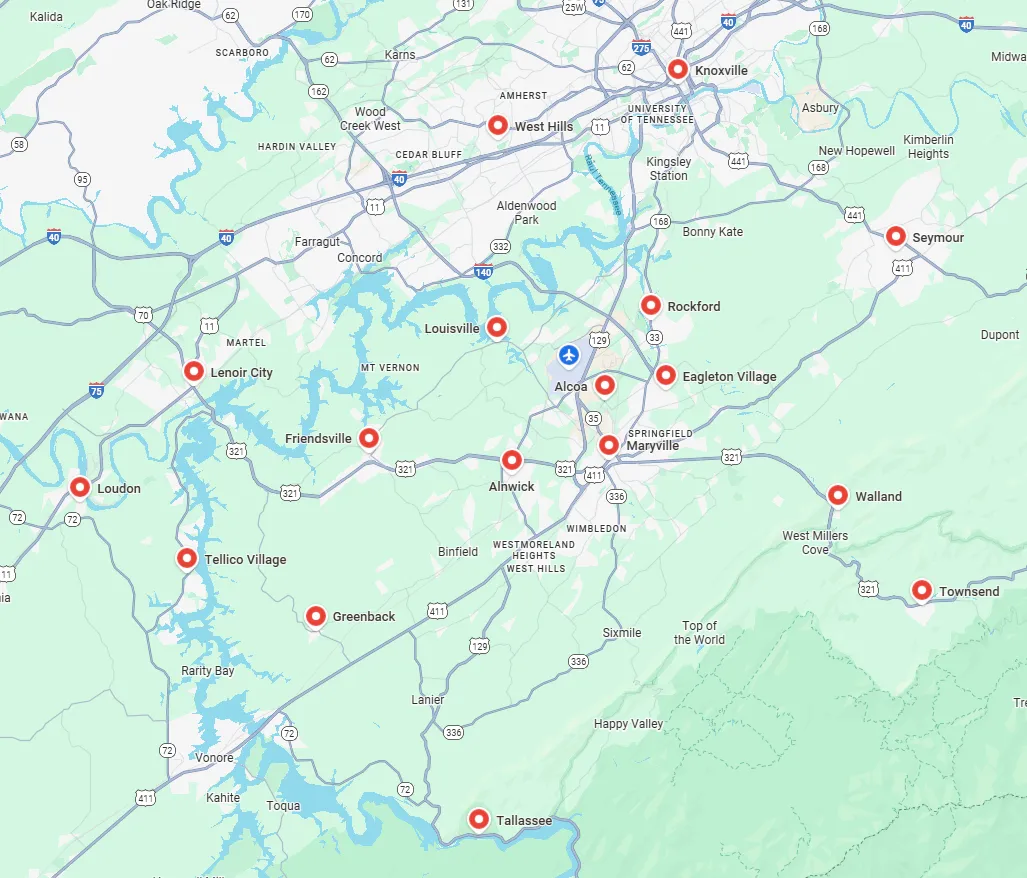
Service areas