
AC Repair in Greenback, TN
When your air conditioner fails in Greenback, TN, the discomfort is immediate and undeniable. Our hot, humid summers and variable weather patterns make a working AC absolutely essential for home comfort, good indoor air quality, and even protecting your electronics and furnishings. Everest Air Heating and Cooling provides professional AC repair in Greenback, TN, always focusing on fast, accurate diagnostics, transparent pricing, and durable repairs you can count on. We'll openly discuss common failure modes, what you can expect during an AC service call with Everest Air Heating and Cooling, when a repair is the smart choice versus replacement, parts and labor considerations, our emergency response and scheduling, and practical steps you can take to minimize future breakdowns.
.avif)
Why timely AC repair matters in Greenback, TN
Greenback experiences long, humid summers where an inefficient or failing system drives up energy costs and reduces comfort. High humidity also causes systems to run longer to reach thermostat setpoints, increasing wear on compressors and fan motors. Delaying repair can lead to:
- Higher utility bills due to reduced efficiency
- Increased risk of compressor or motor burnout
- Moisture-related issues like mold growth on coils and in ducts
- Shortened overall system life and more expensive replacements later
Everest Air Heating and Cooling understands these local pressures. Our approach is diagnostic-first, addressing root causes so you avoid repeat visits and unnecessary parts replacement.
Common AC problems in Greenback homes
Below are the most frequent issues our technicians diagnose during AC repair in Greenback, TN. Each item includes typical symptoms and what causes them.
- Compressor failure
- Symptoms: Unit does not cool, outdoor unit runs but no cold air, loud or unusual noises
- Causes: Age, overheating from low refrigerant or electrical issues, motor windings wearing out, lack of lubrication, frequent cycling due to thermostat or electrical problems
- Capacitor and contactor problems
- Symptoms: Outdoor fan or compressor will not start, humming noise, system cycles but fails to start
- Causes: Capacitors weaken over time or fail with age and heat. Contactors burn or weld closed from electrical arcing.
- Refrigerant leaks and undercharge
- Symptoms: Weak cooling, frozen evaporator coil, hissing noises, oil residue on lines
- Causes: Corroded coils, mechanical damage, poor previous repairs. Note on refrigerants: older R-22 systems are being phased out; repairs may require retrofits or replacement plans.
- Fan motors (condenser and blower) and belts
- Symptoms: Poor airflow, hot air blowing from registers, unit overheating, grinding or squealing noises
- Causes: Motor bearings wear, belts stretch or break, debris buildup, or electrical faults.
- Clogged filters, coils, and drain lines
- Symptoms: Reduced airflow, short cycling, ice on evaporator coil, water leaks indoors
- Causes: Lack of routine maintenance, pets, pollen, and Greenback spring allergies contribute to heavy particulates and pollen load.
- Thermostat and control problems
- Symptoms: Unit will not respond to thermostat settings, frequent short cycling, incorrect temperature readings
- Causes: Faulty thermostat sensors, wiring issues, or control board malfunctions.
- Frozen evaporator coil
- Symptoms: Reduced cooling output, visible ice on evaporator, system runs but air remains warm once thawed
- Causes: Low refrigerant, restricted airflow from clogged filters, or failing blower motors.
- Electrical issues and tripped breakers
- Symptoms: Intermittent operation, unit shuts off unexpectedly, circuit breakers trip
- Causes: Loose wiring, failing capacitors, bad contactors, or overloaded circuits often triggered after storms or power surges.
Diagnostic process: what we check and why it matters
A proper AC repair begins with a systematic diagnostic process. Everest Air Heating and Cooling follows a clear troubleshooting pathway so issues are fixed once and fixed right:
- Visual inspection
- Examine outdoor condenser and indoor evaporator for debris, corrosion, signs of leaks, and mechanical damage.
- Check air filters and duct registers for airflow restrictions.
- Electrical evaluation
- Test capacitors, contactors, relays, breakers, and wiring connections to identify failing components or safety hazards.
- Verify correct voltage at key points to avoid replacing parts without addressing the electrical root cause.
- Refrigerant and pressure testing
- Measure system pressures and temperatures to identify leaks or improper charge.
- If a leak is suspected, perform leak detection and locate the source for repair.
- Mechanical and airflow checks
- Inspect blower and condenser fan motor performance, measuring airflow and motor currents.
- Verify ductwork integrity and return pathways for adequate airflow.
- Thermostat and controls verification
- Confirm thermostat calibration, wiring, and compatibility with the system.
- Check control board diagnostics and error codes where applicable.
- System performance assessment
- Evaluate cooling capacity, run times, and energy draw to decide if repairs will restore long-term reliability and efficiency.
Documenting findings and walking through options with the homeowner is a core part of the diagnostic step. Everest Air Heating and Cooling prides itself on transparent troubleshooting where issues and recommended fixes are explained clearly.
Typical repairs and what they involve
Here are the most common repairs encountered in Greenback and what customers should expect during service:
- Capacitor replacement
- What it involves: Replacing start or run capacitors and retesting start currents and motor function.
- Time: Often completed within an hour if part is in stock.
- Result: Restores reliable motor starts and prevents repeated hard-start stress on compressors.
- Contactor and relay replacement
- What it involves: Swapping damaged contactors, cleaning terminals, and testing for proper operation.
- Result: Eliminates intermittent operation and reduces arcing-related failures.
- Fan motor replacement
- What it involves: Removing the failed motor, installing new motor, aligning blades, and testing for correct RPM and airflow.
- Considerations: Outdoor motors are exposed to weather and pollen; selecting the right motor with proper weather protection improves longevity.
- Refrigerant leak repair and recharge
- What it involves: Locating and repairing leaks, replacing damaged coils or fittings when necessary, evacuating and recharging to manufacturer specifications.
- Considerations: Older systems using R-22 may require conversion or replacement planning due to limited refrigerant availability.
- Compressor replacement
- What it involves: Diagnosing true compressor failure, isolating with proper piping changes, adding new oil, replacing drier/accumulator, pressure testing, and recharging.
- Considerations: Compressor replacement can be expensive; evaluation considers system age, condition of other components, and potential lifespan.
- Evaporator coil repair or replacement
- What it involves: Repairing accessible coil leaks or replacing the coil if corrosion or damage is significant.
- Considerations: Coil replacement sometimes requires modification or replacement of the air handler; this factor impacts repair versus replacement decisions.
- Thermostat replacement or recalibration
- What it involves: Installing a compatible thermostat, checking wire terminals, and programming for optimal energy and comfort settings.
- Result: Improves system control and can reduce short cycles that stress equipment.
- Drain line clearing and pan repairs
- What it involves: Removing blockages, treating for mold or algae, and ensuring condensate flows properly to prevent water damage.
- Importance: Especially important in humid Greenback summers where condensate volumes are higher.
Emergency response and scheduling in Greenback, TN
Power outages, severe heat waves, and storms can create urgent AC failures. Everest Air Heating and Cooling offers emergency response protocols built for local needs:
- Prioritized diagnostic triage for life-safety or medical-related situations where cooling is critical.
- Flexible scheduling to address heat-priority service during peak summer months.
- Technicians equipped with commonly used parts to accomplish first-visit repairs when safe and appropriate.
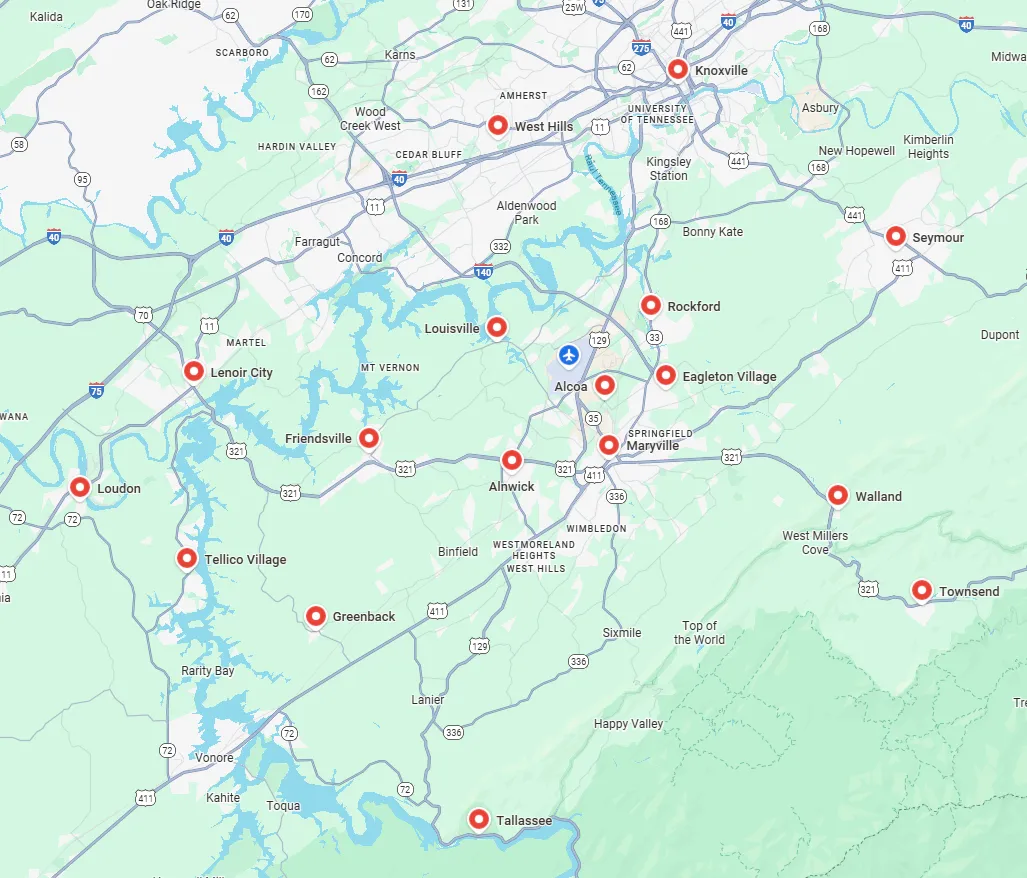
Because Greenback is close to Knoxville and Maryville, travel times are efficient, but rural properties can present access or equipment storage constraints. Technicians arrive prepared to communicate realistic timelines based on parts availability and the scope of repair.
Transparent troubleshooting and pricing expectations
Everest Air Heating and Cooling emphasizes clear, documented diagnostics before recommending any repair. You can expect:
- A detailed explanation of findings: what failed, why it failed, and the safety implications.
- A comparison of repair options when applicable: basic repair for immediate restoration versus comprehensive fixes that reduce future risk.
- Itemized pricing estimates for parts and labor so you know exactly what is being replaced and why.
- Discussion of warranty coverage on parts and labor where applicable.
Transparent pricing and written estimates help Greenback homeowners make informed decisions without high-pressure tactics. The goal is to repair systems in a way that balances cost, reliability, and long-term value.
Repair versus replacement guidance
Deciding whether to repair or replace an AC system depends on multiple factors. Everest Air Heating and Cooling uses these criteria in Greenback to guide recommendations:
- Age of system
- If the system is older than 10 to 15 years, replacement is often more economical over the long term, especially if the compressor or major components need replacement.
- Repair cost relative to replacement cost
- A common rule: if repair exceeds 50 percent of the cost of a new system, replacement is usually the smarter investment given newer systems have better efficiency and warranties.
- Efficiency and comfort goals
- Newer systems with higher SEER ratings and modern thermostats can lower energy bills and improve comfort, particularly in humid Greenback summers.
- Frequency of repairs
- If the system has had multiple recent failures, ongoing parts and labor will add up. A replacement may offer greater reliability with lower annual service costs.
- Availability of parts and refrigerant
- Older systems using phased-out refrigerants like R-22 may face high refrigerant costs or part scarcity, making replacement the practical choice.
- Environmental and health concerns
- Newer systems handle humidity better, improve air filtration options, and can reduce mold risk associated with AC failures and condensate backups.
Everest Air Heating and Cooling helps homeowners weigh these factors with a clear cost-benefit analysis tailored to each home.
Parts, labor, warranties, and quality assurance
Repairs performed by Everest Air Heating and Cooling include:
- Use of OEM or high-quality aftermarket parts appropriate for the system model and local climate.
- Clear labor estimates and explanation of what labor covers, including diagnostic time, parts installation, and system testing.
- Standard warranties on parts and labor noted in your repair documentation. Warranty durations vary by part type and manufacturer.
- Post-repair performance checks to verify airflow, pressures, temperatures, and electrical loads meet safe operating standards.
- Proper disposal of replaced components per local regulations, including refrigerant recovery and recycling.
In Greenback, where humidity and airborne particulates are prevalent, choosing technicians who test post-repair performance reduces the risk of repeat visits.
What to expect during a service call
Knowing what will happen during a service visit helps homeowners prepare and reduces stress:
- Arrival and initial walk-through
- The technician inspects both outdoor and indoor equipment, asking about symptoms and recent system behavior.
- Diagnostic testing
- The tech will run electrical checks, pressure readings, airflow measurements, and visual inspections.
- Explanation of findings
- You will receive a plain-language explanation of the problem, safety considerations, and recommended solutions. Estimates are provided before work begins.
- Repair process
- Technicians perform repairs with attention to cleanliness and safety, using drop cloths and protecting flooring where interior work is necessary. If large parts are needed and not on hand, technicians explain next steps.
- Post-repair verification
- The system is tested to confirm cooling capacity, stable pressures, proper airflow, and thermostat function. The technician documents readings and any changes made.
- Follow-up recommendations
- You will receive suggestions for maintenance, parts that may need attention in the future, and any efficiency improvements that would benefit the home.
Technicians respect property and privacy, explaining work at each stage and leaving the work area clean.
Preventive maintenance and the Y.E.T.I Comfort Plan
Routine maintenance is the most cost-effective strategy to avoid emergency repairs. Everest Air Heating and Cooling offers preventive service that is particularly valuable in Greenback:
- Seasonal Tune-Ups to clean coils, inspect electrical components, calibrate thermostats, and lubricate moving parts.
- Filter checks and recommendations based on household needs, including homes with pets or allergy sufferers.
- Priority scheduling and discounts available to customers on maintenance plans.
- Maintenance helps avoid frozen coils, clogged drains, and stressed compressors during peak usage.
A proactive approach reduces repair frequency, improves indoor air quality, and restores system efficiency lost to dirt and wear.
Common misconceptions about AC repair
Homeowners often have assumptions that can lead to poor decisions. Here are clear explanations to correct common myths:
- Myth: Resetting a breaker fixes AC electrical problems
- Reality: Repeated breaker trips indicate underlying electrical issues. Persistent resets can mask wiring problems or failing components that need inspection.
- Myth: Adding refrigerant fixes weak cooling permanently
- Reality: Adding refrigerant without addressing a leak is a temporary fix. Proper diagnosis and repair of leaks are essential.
- Myth: Newer thermostats will solve performance issues
- Reality: While thermostats improve control, they do not fix mechanical or refrigerant problems. Proper HVAC diagnostics identify whether thermostat upgrades are appropriate.
- Myth: All technicians provide the same quality of repair
- Reality: Training, experience, use of correct tools, and adherence to manufacturer procedures greatly affect repair longevity and system safety.
Energy efficiency and upgrade considerations for Greenback homeowners
When repairs are recurring or when you plan long-term improvements, consider these upgrades that perform well in Greenback’s climate:
- Higher SEER-rated systems for lower cooling costs during long summers
- Variable-speed blower motors to improve humidity control and reduce cycle stress
- Smart thermostats that learn usage patterns and reduce wasted runtime
- Zoned systems for larger or multi-level homes to improve comfort and reduce energy use
- Improved filtration and UV or media filtration for pollen and airborne allergen control
Upgrades should align with the home’s ductwork, insulation, and comfort needs. Everest Air Heating and Cooling evaluates your whole-home system before proposing changes.
Frequently asked questions
Q: How quickly can an AC technician diagnose my cooling problem in Greenback, TN?
A: A thorough on-site diagnostic typically takes 30 to 90 minutes depending on access and symptoms. Initial checks include visual inspection, electrical testing, refrigerant pressure measurements, and airflow evaluation. Complex issues or intermittent faults may require extended troubleshooting or a follow-up visit for parts.
Q: Is it safe to run my AC if it is making unusual noises?
A: Running the system while loud noises persist can cause further damage. Humming, clanking, or grinding noises usually indicate failing motors, loose components, or compressor issues. It is best to turn the system off and schedule a diagnostic to prevent escalation.
Q: My AC is cooling unevenly across rooms. Is this a repair issue or a duct problem?
A: Uneven cooling can result from several causes: restricted airflow due to dirty filters or blower issues, duct leaks or poor insulation, incorrect refrigerant charge, or undersized equipment. A full diagnostic assesses both the HVAC unit and the duct system to identify the root cause.
Q: Can my AC be repaired if it uses R-22 refrigerant?
A: Many R-22 systems can be repaired, but R-22 supply is limited and costly. Repairs involving refrigerant may be more expensive. It is important to evaluate the system age and condition; in some cases, planning for replacement with modern refrigerant is more economical.
Q: What does a quality repair warranty typically include?
A: Repair warranties vary by part and labor. Quality warranties cover defective parts and installation labor for a specified period. Everest Air Heating and Cooling documents warranty terms at the time of service and uses high-quality parts to maximize warranty value.
Q: How does humidity in Greenback affect my AC and what can be done?
A: High humidity forces AC systems to run longer as they remove both heat and moisture. This increases wear on compressors and motors and can lead to mold if condensate handling is poor. Properly sized, well-maintained systems with good airflow and, when needed, variable-speed equipment improve humidity control.
Q: What should I do if my AC stops during a heat wave in Greenback?
A: If safe, turn off the system to prevent further damage if you suspect electrical or mechanical failure. Check the air filter and main breaker. For emergency or heat-critical situations, a prioritized diagnostic is appropriate to protect occupants and vulnerable households.
Q: How often should I schedule maintenance to avoid AC repair?
A: Regular seasonal maintenance, ideally twice per year (spring and fall), helps prevent most avoidable failures. In Greenback, a spring check before summer peak is especially important to ensure reliable cooling through the hottest months.
Q: Will repairing my AC improve my energy bills immediately?
A: Proper repairs restore system efficiency lost to failed components, refrigerant undercharge, or airflow restrictions. Depending on the repair, you can often expect noticeable improvement in energy usage and comfort after a professional service and final system tuning.
Q: Do all AC repairs require parts replacement on the first visit?
A: Not always. Technicians carry commonly used parts and can often complete many repairs on the first visit. For less common or large components, the tech will explain options and schedule a follow-up with parts if needed.
hear what our satisfied clients have to say

David P.
Service areas