

Water Heater Repair in Lenoir City, TN
When your water heater acts up, it can throw your whole day off. Here at Everest Air Heating and Cooling, we offer expert diagnostic and repair services for both homes and businesses in Lenoir City, TN. Dealing with no hot water, a leaky tank, strange noises, or not enough hot water for everyone? Our skilled team will explain the common culprits behind these issues, walk you through our troubleshooting and repair process, discuss common part replacements, and help you get ready for our visit. We want you to feel confident and informed, making the best decision to get your hot water flowing reliably again.
.avif)
Why prompt water heater repair matters in Lenoir City
Lenoir City experiences humid summers and cold winters, which affects how water heaters perform and how quickly issues escalate. Mineral-rich groundwater and the presence of iron and calcium increase sediment buildup in tanks, accelerating element failure and corrosion. Winters increase demand for hot water for heating and domestic use, while summer months can hide slow-developing problems until they become larger failures.
Delaying repair can lead to:
- Water damage from tank leaks that compromise floors, walls, and insulation.
- Increased energy bills as inefficient components consume more power or gas.
- Complete failure at a high-traffic time, leaving homes and businesses without essential hot water.
- Safety risks with gas units, including unstable combustion or pilot light problems, and pressure-related hazards if pressure relief valves fail.
Everest Air Heating and Cooling understands these local conditions and tailors diagnostics and repair approaches to extend equipment life and reduce repeat failures.
Common water heater problems in Lenoir City homes and businesses
- No hot water or inconsistent hot water: Often caused by failed heating elements in electric units, malfunctioning thermostats, or pilot and gas control issues in gas units.
- Water leaks from the tank or fittings: Corrosion, loose connections, faulty valves, or a breached tank shell are typical causes.
- Strange noises: Popping, rumbling, or banging are generally signs of sediment buildup on elements or at the tank bottom causing localized boiling and expansion.
- Discolored or rusty water: Indicates corrosion in the tank or degrading anode rod and may signal imminent tank failure.
- Low hot water capacity: Sediment, scaling, or failing elements reduce the effective volume and transfer of heat.
- Pressure relief valve discharge: A leaking valve can indicate overpressure, thermal expansion issues, or a failing valve.
- Pilot light or ignition problems on gas units: Faulty thermocouples, gas control valves, or insufficient draft and venting issues can prevent reliable ignition.
- High energy bills: Worn elements, poor insulation, or failing thermostats can cause longer heating cycles and higher costs.
Types of water heaters serviced
- Conventional tank water heaters (electric, gas, propane)
- Tankless and on-demand systems
- Hybrid heat pump water heaters
- Commercial high-capacity storage tanks and booster systems
- Indirect water heaters connected to boilers
- Well water systems with sediment and mineral concerns
Everest Air Heating and Cooling works on all major brands and models, both residential and commercial, providing repairs, retrofit parts, and replacement guidance when needed.
Diagnostic process: What to expect
A methodical diagnostic approach reduces unnecessary parts replacement and identifies the root cause efficiently. Typical diagnostic steps include:
- Intake and symptom review: Documenting the problem, duration, previous work, water quality, and any recent events like power outages or freezing conditions.
- Visual inspection: Examining piping, drainage, venting, the tank exterior, fittings, and the area under and around the unit for evidence of leaks or corrosion.
- Power and fuel checks: Verifying electrical supply and breaker status for electric units; checking gas supply, gas pressure and valves, and pilot/ignition systems for gas units.
- Temperature and thermostat checks: Measuring water temperature, confirming thermostat settings, and testing thermostat operation.
- Element and heating system tests: For electric units, testing resistance of elements and continuity. For gas units, testing burner operation and combustion stability.
- Pressure relief and expansion checks: Inspecting the temperature and pressure relief valve for proper operation and confirming the presence and condition of an expansion tank if applicable.
- Sediment and anode rod assessment: Inspecting for buildup that can reduce efficiency and shorten tank life; checking anode rod condition to determine corrosion protection status.
- Leak source tracing: Pinpointing whether water originates from fittings, valves, or a tank breach; pressure testing when necessary.
- Combustion analysis and venting check for gas units: Ensuring safe combustion and proper exhaust venting to prevent carbon monoxide hazards.
Diagnostics typically take 45 to 90 minutes depending on accessibility, the complexity of the system, and whether the unit is residential or commercial. Everest Air Heating and Cooling documents findings and provides a clear, itemized repair plan.
Common repairs and parts replacement
Repair solutions depend on diagnosis. Frequent repairs include:
- Replacing heating elements: Electric elements fail from sediment buildup or corrosion. Replacing elements restores heating capacity when the tank itself is intact.
- Thermostat replacement: Faulty thermostats cause inconsistent temperature control or continuous heating cycles.
- Replacing anode rods: Anode rods protect the tank from corrosion. Replacing them extends tank life and is a key preventive measure.
- Repairing or replacing pressure relief valves: A leaking or stuck valve must be serviced to prevent pressure-related hazards.
- Replacing temperature and pressure sensors or dip tubes: These components can fail and cause uneven heating or reduced hot water output.
- Tank leak repair or replacement: Small leaks at fittings are often repairable; a leaking tank shell generally requires full tank replacement.
- Gas control valves and thermocouple replacement: Ensuring reliable pilot and ignition performance on gas units.
- Flushing and descaling: Removing sediment restores efficiency and reduces noise. In high-mineral areas around Lenoir City, more frequent flushing is often necessary.
- Replacing burners and combustion components: For gas units with degraded burners or holes in heat exchangers.
- Replacing sacrificial anode or magnesium/titanium rods depending on water chemistry.
- Electric supply repairs: Addressing bad wiring, tripped breakers, or failed elements' wiring.
For commercial systems, repairs may include pump and booster servicing, commercial-grade element replacement, or control system repairs for multi-tank installations.
Repair vs replacement: How decisions are made
Several factors guide whether to repair or replace a water heater:
- Age: Most tanks last 8 to 12 years depending on water quality and maintenance. Older tanks with corrosion often warrant replacement.
- Extent of damage: Small component failures are cost effective to repair. A leaking tank or severe internal corrosion usually indicates replacement.
- Efficiency considerations: New high-efficiency units, tankless systems, or hybrid heat pump water heaters can yield long-term energy savings in the right application.
- Cost of repair relative to replacement: Multiple or repeated failures suggest replacement will be more economical.
- Usage needs: Commercial operations with heavy demand may benefit from increased capacity or more robust systems.
- Local water conditions: In areas with hard water or heavy sedimentation like Lenoir City, a replacement strategy that includes water treatment, regular flushing, or sacrificial anode upgrades may be advisable.
Everest Air Heating and Cooling provides an objective assessment and transparent options, explaining the lifecycle, energy impact, and long-term costs of each choice.
Emergency response and priority repairs
Certain conditions require immediate attention:
- Active leaks from the tank or major fittings that threaten property damage.
- No hot water during extreme cold conditions when freezing risks exist for pipes.
- Gas smell, suspected carbon monoxide issues, or flame instability on gas units.
- Pressure relief valve constantly discharging.
During emergency assessments, technicians secure gas or power to the unit, isolate water supply, perform temporary containment if leaks are present, and provide a prioritized plan for repair or safe replacement. Everest Air Heating and Cooling offers emergency scheduling for high-risk failures and coordinates temporary measures to minimize damage and restore essential hot water where feasible.
Transparent pricing and service guarantees
Everest Air Heating and Cooling emphasizes transparent pricing and clear communication. Typical pricing elements include:
- Diagnostic fee: Covers on-site inspection, testing, and a written report of findings.
- Parts and materials: Itemized list showing parts required with brand or OEM equivalence.
- Labor: Hourly or flat-rate labor for repairs, including complexity factors for commercial systems or hard-to-access installations.
- Warranty coverage: Labor warranties and parts warranties vary by part and manufacturer. Everest Air Heating and Cooling provides explanations of warranty durations and conditions.
- Replacement estimates: For replacements, a detailed estimate will include the unit model, efficiency rating, installation scope, and any required upgrades such as venting, gas line sizing, or electrical work.
Service guarantees commonly provided include workmanship warranties on repairs and adherence to safety and building code standards. Everest Air Heating and Cooling documents guarantees and explains what is covered and the process for warranty service should an issue recur.
Preparing for a repair visit and what technicians need
To make a repair efficient and safe, prepare the site for the technician:
- Clear access to the water heater and surrounding area, removing storage or obstruction.
- Ensure power or gas shutoff valves are accessible and marked if possible.
- Note and share symptoms, recent changes, and any error codes from digital control panels.
- Have model and serial numbers available if known; take a photo if helpful.
- For commercial locations, provide information about business hours, access permissions, and any onsite safety protocols.
Technicians typically bring common replacement parts, but less common components may require ordering. Everest Air Heating and Cooling explains expected timelines for parts delivery and follow-up appointments if same-day repair is not possible.
Maintenance tips to extend water heater life in Lenoir City
Proactive maintenance reduces repair frequency and prolongs equipment life. Recommended tasks include:
- Annual flush: Drain and flush the tank to remove sediment, which improves efficiency and reduces noises caused by boiling sediment.
- Inspect and replace anode rod every 2 to 4 years depending on water quality: Anode rods are the primary defense against tank corrosion.
- Check pressure relief valve annually: Lift the valve lever to ensure it operates and drains properly to prevent pressure buildup.
- Set appropriate thermostat temperature: 120 degrees Fahrenheit provides safety and energy savings while preventing scalding.
- Insulate older tanks and hot water pipes: Insulation reduces standby heat loss and expedites hot water delivery.
- Monitor for slow leaks and discoloration: Early detection of rust or minor leaks can prevent catastrophic tank failure.
- Install a water softener or sediment filter if well water or high mineral content is present: This significantly reduces scaling and sediment accumulation.
- For gas units, schedule combustion and venting checks to ensure safe exhaust and efficient operation.
Following these preventive measures is especially important in Lenoir City where local water characteristics and seasonal usage patterns contribute to sedimentation and wear.
Commercial water heater considerations
Commercial water heaters often present different challenges:
- Higher duty cycles and continuous demand increase wear.
- Multiple-tank or booster systems require coordinated controls and redundancy planning.
- Health code and building code compliance for businesses like restaurants or multiunit housing.
- Maintenance agreements and emergency response plans are typically advised to minimize downtime.
- Larger systems may require specialty parts and longer lead times for replacement components.
Everest Air Heating and Cooling has experience with commercial specifications and can help design maintenance plans that align with business operations and compliance requirements.
Safety and regulatory compliance
Repair work follows code and safety standards:
- Gas line and combustion work adheres to local codes and manufacturer instructions.
- Electrical repairs on electric water heaters comply with NEC requirements.
- Pressure and temperature relief valves and expansion tanks are installed to meet code and safety standards.
- Proper venting and combustion air for gas appliances are verified to prevent carbon monoxide hazards.
Technicians document work and recommendations to support code compliance and future service.
How scheduling and booking typically works
A clear scheduling process helps set expectations:
- Provide system details and symptoms: The more information given in the initial request, the better technicians can prepare and estimate parts needs.
- Availability windows: Residential and commercial clients are offered appointment windows, with emergency or priority response for high-risk situations such as leaks or suspected gas issues.
- Diagnostic visit: Initial visits include diagnostics and an estimate for repair or replacement. If parts are available, many repairs can be completed the same day.
- Follow-up scheduling for parts: When specialty parts are required, technicians provide timelines for ordering and return visits and will outline temporary measures to keep systems safe.
- Warranty and service documentation: After service, clients receive a summary of work performed, parts used, and warranty information.
Everest Air Heating and Cooling structures appointments to minimize disruption while supplying thorough diagnostic detail and a transparent repair plan.
When to consider replacement rather than repair
Consider replacing when:
- The tank is older than its expected lifespan and showing signs of corrosion.
- Repeated repairs are becoming common and costly.
- Energy efficiency and operating costs are priorities.
- Capacity no longer meets household or business demand.
- A compromised heat exchanger or tank breach is identified.
A replacement assessment will consider unit capacity, energy efficiency, local fuel costs, and installation constraints. For many Lenoir City homes, conversions to higher efficiency or tankless systems can reduce energy use and improve hot water delivery when sized and installed correctly.
What Everest Air Heating and Cooling brings to your water heater repair
- Local knowledge of Lenoir City water conditions and seasonal demands that influence service recommendations.
- Experienced technicians trained on diagnostics for both residential and commercial systems.
- Transparent estimates and itemized pricing so you understand exactly what is being done.
- Safety-first approach with compliance to local codes and industry best practices.
- Preventive maintenance guidance to reduce future failures and extend equipment life.
- Clear documentation of work and warranty information for peace of mind.
Everest Air Heating and Cooling values reliability, honesty, and practical solutions that match your household or business needs.
Frequently asked questions
Q: How long will a typical diagnostic and repair take?
A: Diagnostics usually take 45 to 90 minutes. Simple repairs like element or thermostat replacement can be completed same-day when parts are on hand. More complex issues or commercial systems may require additional time or a return visit for ordered components.
Q: Can a leaking water heater tank be repaired or does it need replacement?
A: Leaks at fittings or valves are often repairable. A leak from the tank shell or significant corrosion typically requires tank replacement due to safety and reliability concerns.
Q: How often should I flush my water heater in Lenoir City?
A: In Lenoir City, with its mineral content, flushing every 6 to 12 months is recommended for many households. Homes with heavy sediment or well water may need more frequent flushing.
Q: What are signs my water heater is about to fail?
A: Warning signs include rusty or discolored water, frequent temperature fluctuations, loud popping or rumbling noises, visible rust or corrosion on fittings, and small persistent leaks. These signs warrant prompt evaluation.
Q: Is it worth switching to a tankless water heater?
A: Tankless systems offer on-demand hot water and higher efficiency for many applications, but they require correct sizing and may have higher upfront costs. For high-demand households or commercial uses, tankless can be a good long-term investment; local water hardness and installation constraints must be considered.
Q: Do you replace anode rods and what do they do?
A: Yes, anode rods are replaceable sacrificial components that attract corrosive elements and protect the tank. Replacing them every 2 to 4 years depending on water chemistry helps extend tank life.
Q: What should I do if I smell gas near the water heater?
A: If you smell gas, evacuate the area and follow local safety guidelines. A gas leak is a serious safety concern. Technicians will shut off gas supply, inspect for leaks, and make safe repairs under code-compliant procedures.
Q: Will you provide a written estimate and warranty information?
A: Yes. After diagnostics, Everest Air Heating and Cooling provides a written, itemized estimate and explains available warranties on parts and labor so you know what is covered.
Q: Are parts OEM or aftermarket?
A: Parts selection is based on availability, quality, and compatibility. Everest Air Heating and Cooling will disclose whether parts are OEM or high-quality aftermarket equivalents and explain warranty implications.
Q: How can I reduce the risk of sudden failures?
A: Regular maintenance including flushing, anode rod checks, thermostat verification, and pressure relief valve testing reduces risk. Installing sediment filters or water softening solutions where appropriate also mitigates scaling and corrosion.
hear what our satisfied clients have to say

David P.
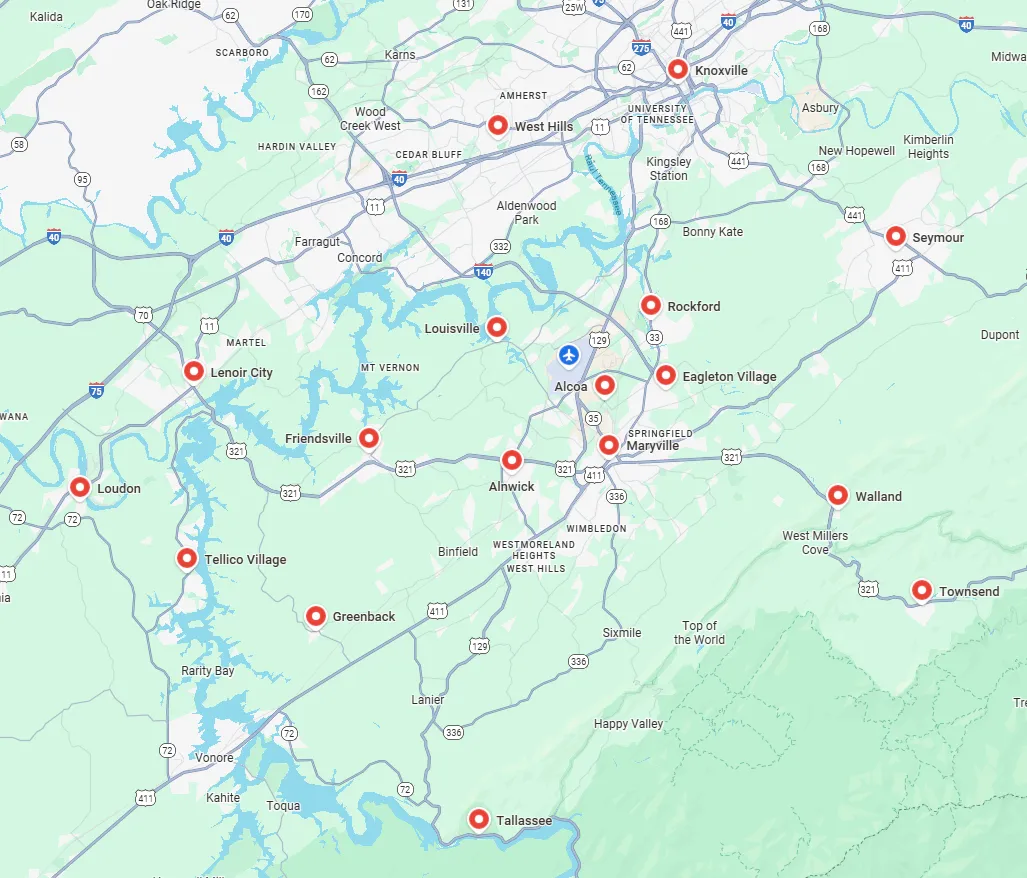
Service areas