

Water Heater Repair in Alnwick, TN
There's nothing quite like a cold shower when you're expecting hot water. A struggling water heater can throw your whole day off, and at Everest Air Heating and Cooling, we truly get how disruptive that can be for homes in Alnwick, TN. When you're dealing with water heater issues, our team is here to help. We'll walk you through common problems, how we pinpoint the exact issue, the repairs we perform, and even offer emergency support. Plus, we'll give you some practical guidance on keeping your system running smoothly for longer. We're here to offer clear, professional guidance so you can make the best decision for your home, and you can always count on Everest Air Heating and Cooling for expert service.
.avif)
Why water heater reliability matters in Alnwick, TN
Alnwick and surrounding East Tennessee communities experience humid summers and cold snaps in winter. Seasonal extremes increase hot water demand for showers, laundry, and dishwashing. Local water quality often includes higher mineral content, which accelerates sediment buildup and corrosion inside tanks. Those regional factors mean timely repairs and proper maintenance deliver more value here than in milder climates. Everest Air Heating and Cooling brings local experience to every diagnostic and repair, addressing problems specific to the area.
Common water heater problems we repair in Alnwick homes
- No hot water or intermittent hot water
- Insufficient hot water or rapidly running out of hot water
- Water leaks from the tank, valves, or connections
- Strange noises: popping, rumbling, or banging
- Pilot light or ignition failures on gas units
- Faulty thermostat or heating element failures on electric units
- Pressure relief valve discharge or frequent tripping
- Discolored water or unusual odors
- Leaking sacrificial anode or severe corrosion
Each symptom points to a set of likely causes. Our diagnostics narrow down the root problem so repairs are accurate and cost-effective.
The diagnostic process: what to expect
Everest Air Heating and Cooling follows a consistent diagnostic workflow to identify problems efficiently and transparently.
- Initial symptom review
- We gather details about the problem, when it started, usage patterns, and any recent changes to plumbing or water supply.
- Visual inspection
- Exterior tank checks: signs of leakage, rust, corrosion, or water pooling.
- Inspect valves, pipe connections, venting (for gas units), and the pressure relief valve.
- Functional checks
- Confirm pilot light or ignition operation on gas models.
- Test thermostats, heating elements, and limit switches on electric units.
- Evaluate incoming water temperature and flow, and measure tank temperature settings.
- Safety checks
- Inspect for gas leaks, proper venting, electrical connections, and potential hazards that require immediate attention.
- Diagnostic testing
- Multimeter tests for electrical components, burner analysis for gas units, and sediment checks where noise or inefficiency suggests accumulation.
- Root cause determination and options
- We clearly explain whether repair, part replacement, or full replacement is the most practical and economical option based on age, condition, and long-term cost.
This step-by-step approach reduces guesswork and protects your home from unnecessary repairs.
Typical repairs and parts we replace
Everest Air Heating and Cooling handles a full range of water heater repairs. Common repairs include:
- Thermostat replacement or calibration
- Heating element replacement on electric heaters
- Igniter or pilot assembly repair or replacement for gas heaters
- Gas control valve replacement
- Anode rod replacement to slow internal corrosion
- Drain valve replacement to stop leaks and enable proper flushing
- Pressure relief valve replacement
- Tank leak repairs when possible, or tank replacement guidance if leaking internally
- Dip tube replacement to restore proper hot water delivery
- Sediment removal and tank flush to restore efficiency and reduce noise
- Electrical connection repairs and wiring checks
- Vent pipe repairs or replacement to restore safe exhaust flow on gas units
We stock commonly used parts, and when specialized components are required we provide transparent timelines and expected sourcing windows.
When a repair is better than replacement (and when it is not)
Repair is usually appropriate when:
- The component failure is isolated (heater elements, valves, thermostats)
- The tank is less than 8 to 10 years old (tank life varies by make, model, and water quality)
- There is no persistent corrosion or leaking from the tank itself
- Energy efficiency is acceptable and the unit meets your household needs
Replacement is recommended when:
- The tank is leaking internally or severely corroded
- Multiple major components are failing within a short period
- The unit is older than its expected service life and repairs would be frequent
- You want to upgrade to a high-efficiency or tankless system for long-term savings
Everest Air Heating and Cooling provides honest assessments so you can weigh repair cost versus replacement value.
Emergency response and safety-first approach
Water heater failures can present immediate risks such as major leaks, scalding water, gas leaks, or electrical hazards. Our emergency response procedures focus on safety and stabilizing the situation:
- Immediate safety assessment: identifying active leaks, gas odors, or electrical hazards
- Shutoff guidance: clearly explain how to safely shut off the water supply, gas, or electrical power if you are able
- Temporary containment solutions: minimize water damage when possible while awaiting repairs
- Priority scheduling: our team prioritizes emergency conditions that pose safety or property risk
- Secure repairs: temporary measures to stop leaks or secure dangerous components followed by permanent repairs
Local weather extremes and freeze risk in colder months make early detection and quick response particularly important in Alnwick. Rapid action prevents secondary damage like insulation saturation or mold growth.
How pricing and estimates work without surprises
Everest Air Heating and Cooling provides transparent, itemized estimates so you understand what you are paying for. Our pricing process includes:
- Clear diagnostic fee structure and when it is applied
- Itemized parts and labor estimates rather than bundled ambiguity
- Explanation of cost drivers: part brand, availability, age of the unit, and scope of labor
- When a replacement is recommended, we present comparative costs for repair versus replacement and long-term energy implications
- Disclosure of warranty coverage on parts and labor where applicable
No hidden fees and no high-pressure sales. Your estimate reflects the most efficient route to restore hot water while protecting your home.
Parts, brands, and warranty options
We work with major water heater brands and high-quality aftermarket parts. When replacing components or recommending new units, considerations include:
- Manufacturer compatibility and reliability
- Parts availability and lead times
- Energy efficiency ratings and local code compliance
- Warranty coverage on parts and workmanship
Whenever possible, we install replacement parts with manufacturer-backed warranties and provide clear documentation of any labor warranty included with the repair.
Energy efficiency, cost savings, and upgrades
Older water heaters can waste energy through standby heat loss, sediment buildup, or inefficient burners and elements. Everest Air Heating and Cooling evaluates the following upgrade and efficiency options:
- High-efficiency tank models with improved insulation and burners
- Tankless on-demand systems for continuous hot water and reduced standby losses
- Hybrid heat pump water heaters that use less electricity in mild climates
- Insulating the tank and exposed hot water pipes to reduce losses
- Lowering the thermostat setting to 120 degrees Fahrenheit (standard safe guideline) to reduce energy use and scald risk
- Installing low-flow fixtures to reduce hot water demand and lengthen the life of your system
We provide objective analysis of payback and energy savings, taking into account Alnwick usage patterns and local climate conditions.
Extending the life of your water heater: recommended maintenance
Regular maintenance reduces emergency repairs and extends service life, especially in areas with mineral-heavy water. Key maintenance steps include:
- Annual flush and sediment removal to prevent noise and overheating of elements
- Inspect and replace the sacrificial anode rod every 2 to 4 years depending on water quality
- Test and inspect the temperature and pressure relief valve annually
- Check and tighten electrical and gas connections during service visits
- Verify burner and venting condition on gas models to preserve combustion efficiency
- Monitor for small leaks and address them before they become major failures
- Consider a water softening solution if mineral buildup is severe in your area
Everest Air Heating and Cooling offers maintenance plans under the Y.E.T.I Comfort Plan framework that include seasonal inspections and priority scheduling for members. Regular maintenance pays for itself by lowering utility bills, reducing repair frequency, and increasing system life.
Signs you need service now
- No hot water or water reaching only lukewarm temperatures
- Unusual noises like popping or rumbling coming from the tank
- Water pooling at the base of the water heater or rust flakes in the hot water
- Pilot light that will not stay lit or repeated ignition failure on gas units
- Rapidly depleted hot water during normal use
- Strong sulfur or metallic odors in hot water
- Visible corrosion on the tank or fittings
Acting at early signs often allows for targeted, lower-cost repairs rather than full replacement.
Replacement planning and life-cycle considerations
When replacement is the right option, planning matters. Factors we consider:
- Household hot water demand and peak usage periods
- Available space and venting options for new equipment
- Energy efficiency goals and anticipated utility savings
- Local codes and permit requirements
- Long-term reliability and warranty coverage
Everest Air Heating and Cooling provides full replacement assessments, showing a complete picture of costs, benefits, and expected outcomes so homeowners can make informed decisions.
Why local expertise matters in Alnwick, TN
Local knowledge affects repair choices and long-term maintenance. Everest Air Heating and Cooling brings:
- Experience working in East Tennessee climates and water conditions
- Understanding of local building codes and installation constraints
- Tailored recommendations for minimizing corrosion and sediment damage common in the region
- Seasonal service scheduling that reflects peak usage and freeze risk
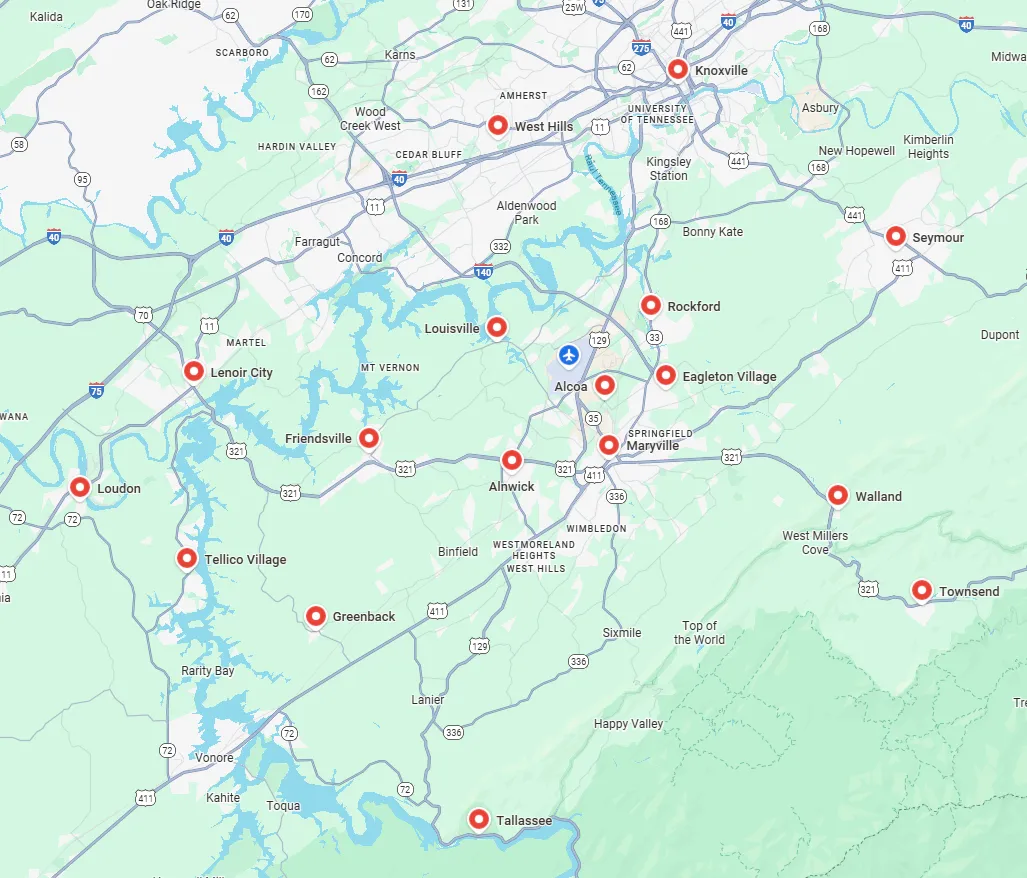
As a family-owned team familiar with Alnwick and nearby counties, we approach each job with a homeowner mindset focused on durability and value.
What to expect during a service visit
- Punctual arrival and a clear explanation of findings and options
- A documented diagnostic report listing observed issues and recommended repairs
- Itemized estimate for parts and labor when repairs are required
- Work performed with care for cleanliness and safety, including proper disposal of replaced components
- Post-service testing to verify safe and efficient operation
- Documentation of warranties and any recommended next steps
This predictable, professional process reduces stress and provides the clarity homeowners need at the decision point.
Common repair myths, clarified
- Myth: A noisy tank always needs replacement. Fact: Many noises are caused by sediment and can be resolved with flushing and element inspection.
- Myth: Turning the thermostat higher fixes cold water problems. Fact: Thermostat setting adjustments may temporarily change temperature but do not solve element failure, dip tube breakdown, or sediment issues that reduce usable hot water.
- Myth: If the pilot light goes out once, the heater is done. Fact: Pilot or ignition failures have multiple causes and often can be repaired without replacing the entire unit.
- Myth: Electric heating elements are expensive to replace. Fact: Element replacement is a common, cost-effective repair that restores normal operation in many electric units.
Understanding the real causes helps you choose repairs that last.
Frequently asked questions
Q: How long does a typical water heater diagnostic take?
A: Most diagnostics take 30 to 60 minutes on site depending on the complexity of the issue, including visual inspection, testing components, and explaining findings.
Q: Will you replace only the failed part or recommend full replacement?
A: We recommend the most cost-effective solution based on age, condition, and long-term performance. If a single part fails on a relatively new tank, we typically replace the part. If multiple failures or severe corrosion exist, a replacement may be the better option.
Q: Can sediment be removed without draining the entire tank?
A: A full tank flush is the most effective method to remove sediment. Some units also allow partial draining or use of in-line flushing methods, but a complete flush during maintenance provides the best results.
Q: Are repair parts covered by warranty?
A: Parts often carry manufacturer warranties; labor warranties may vary. We provide documentation of any applicable warranties with the repair summary.
Q: Do you service tankless water heaters?
A: Yes. Tankless units have different maintenance needs such as descaling in hard water areas, and we perform diagnostics and repairs specific to on-demand systems.
Q: What preventive steps reduce corrosion in my area?
A: Regular anode rod inspection and replacement, scheduled tank flushing, and addressing water quality through softening measures all help reduce corrosion in Alnwick homes.
Everest Air Heating and Cooling aims to give homeowners the information they need to make confident decisions about repairs, replacements, and long-term maintenance. Our focus is on reliable, transparent service that addresses local conditions and protects your home.
hear what our satisfied clients have to say

David P.
Service areas