

Water Heater Installation in Loudon, TN
Installing a new water heater is one of the most impactful home upgrades for comfort, energy savings, and reliability. In Loudon, TN, where humid summers and chilly winters make consistent hot water essential for daily life, a properly sized and installed water heater keeps showers, laundry, and dishwashing running smoothly. Our team at Everest Air Heating and Cooling brings residential plumbing and HVAC expertise to every installation, combining local code knowledge, practical sizing, and manufacturer-backed workmanship. With Everest Air Heating and Cooling, your new system will perform safely and efficiently for years to come.
.avif)
Why a professional water heater installation matters in Loudon, TN
- Safety: Gas connections, venting, combustion testing, and temperature-pressure safety devices must be installed and verified to protect your home from leaks and carbon monoxide risks.
- Longevity: Proper placement, drainage, and addressing local water quality reduce corrosion and scale buildup that shorten equipment life.
- Efficiency: Correct sizing, the right fuel type, and modern high-efficiency models reduce energy use and monthly utility costs in Loudon’s varied climate.
- Code compliance: County and city permits and inspections are typically required; licensed installation ensures your home meets local code and insurance requirements.
Everest Air Heating and Cooling brings family-owned service, a no-pressure approach, and attention to detail to every project, including permit handling and manufacturer warranty registration.
Common reasons Loudon homeowners replace their water heater
- Unit age and failure risk: Most tank water heaters last 8 to 12 years; tanks older than that are more likely to leak and cause water damage.
- Insufficient hot water: Growing families, added bathrooms, or lifestyle changes can exceed an existing unit’s capacity.
- Rising energy bills: Older units have lower UEF (Uniform Energy Factor) ratings. Replacing with a high-efficiency gas, hybrid heat pump, or high-UEF electric model reduces operating cost.
- Rusty or discolored water, loud popping noises, or visible leaks.
- Upgrading to tankless or point-of-use systems for on-demand hot water and space savings.
- Converting fuel types: switching from electric to gas, or installing a gas unit where a line is available, or the reverse in off-grid situations.
Which option is best for Loudon homes: gas, electric, or hybrid?
- Gas tank water heaters: Fast recovery and lower operating cost in many cases. Require proper venting, gas line sizing, and combustion air, which professional installers like Everest Air verify.
- Electric tank water heaters: Simpler venting and often lower initial cost. They can be more expensive to operate depending on electricity rates and household usage patterns.
- Heat pump (hybrid) water heaters: Highly efficient for moderate climates; they extract heat from surrounding air to heat water. Best located in conditioned space or large utility rooms to operate efficiently.
- Tankless (on-demand) water heaters: Compact, provide continuous hot water when sized correctly for peak flow, and reduce standby losses. In Loudon, scale management is important for tankless longevity because local water hardness can cause mineral buildup.
- Condensing gas units: High-efficiency gas option that captures additional heat from exhaust; best for homes that can accommodate proper condensate handling.
Sizing and selection decisions should be based on household hot water needs, peak simultaneous demand, and installation constraints. Everest Air Heating and Cooling evaluates your Loudon home layout, number of bathrooms, typical simultaneous uses, and fuel availability before recommending a solution.
How we assess your household hot-water needs
- Household profile: Number of occupants, bathrooms, and typical simultaneous uses (for example, shower plus dishwasher).
- Peak demand calculation: For tank systems we use first hour rating (FHR) to ensure the tank can meet the busiest hour. For tankless systems we calculate required gallons per minute (GPM) by adding together simultaneous fixture demand.
- Fuel and site assessment: Determines whether gas, electric, or hybrid is the most practical and cost effective; evaluates existing gas line size, electrical panel capacity, vent paths, and space constraints.
- Water quality review: Loudon area water may have moderate hardness; we consider scale-control solutions like softeners or descalers for tankless or hybrid systems to protect efficiency and warranty.
- Location and drainage: Determines need for drain pans, condensate drains, and access for maintenance and replacement.
Permit and code considerations in Loudon, TN
- Most replacements and new installations require a local permit and an inspection. Everest Air Heating and Cooling is familiar with Loudon County and local jurisdictions and handles permit submission and inspection scheduling as part of the installation process.
- Gas appliances need correct venting, combustion air clearance, and approved shutoff and drip legs on gas lines.
- Electrical installations must meet National Electric Code and local amendments for wiring, disconnects, and breaker sizing.
- Relief valve and discharge piping must be installed to code; units on upper floors typically need a drain pan with a routed drain.
- Tankless and high-efficiency condensing units may require special vent materials and condensate drainage.
- Permits and inspections protect homeowners, maintain resale value, and validate manufacturer warranties and insurance coverage.
Removal and disposal of the old unit
- Safe disconnect: Gas, electrical, and water lines are shut off and capped safely to remove the unit without risking leaks.
- Water removal: Tanks are drained and flushed before removal to minimize spillage. For old leaky tanks, additional measures are taken to prevent water damage.
- Disposal and recycling: Old units are removed, and appliances are disposed of according to local waste guidelines and recycling options. Everest Air handles disposal logistics to keep the jobsite clean.
- Site prep: The installation area is cleaned and prepared for mounting, drain pans, or new venting runs as needed.
Step-by-step professional installation process
- Final assessment and permit confirmation
- Verify the selected unit, confirm code requirements, and ensure permit and inspection arrangements are in place.
- Prepare the site
- Install or verify drain pan, drain line, and adequate clearances; remove obstacles for safe work.
- Disconnect and remove old unit
- Shut off water, power, and gas; drain and disconnect; safely remove and dispose of old unit.
- Install new fittings and infrastructure
- Install proper gas flex or black iron with shutoff and sediment trap, upgrade electrical wiring or add disconnects if required, and install approved venting or PVC for high-efficiency models.
- Mount and secure the new water heater
- Place tank or wall-mount tankless unit, install seismic strapping where needed per local code, and secure brackets for tankless units.
- Plumbing connections
- Use dielectric unions to protect against corrosion, install expansion tank if local code requires or if a thermal expansion problem is anticipated, and connect hot and cold lines with proper support and insulation.
- Safety devices and condensate
- Install Temperature and Pressure (T&P) relief valve with proper discharge, check and install condensate drains for high-efficiency units, and add drain pans where required.
- Gas and combustion setup (for gas models)
- Test gas pressure, perform leak tests on all gas connections, set burners, and perform combustion analysis where applicable to confirm safe operation.
- Electrical and controls
- Wire unit controls, set thermostat or control panel, and verify proper power supply and breakers.
- Filling, venting, commissioning
- Purge air from the system, fill the tank, bleed faucets to remove air, test for leaks, and verify venting is drawing correctly.
- Final testing and homeowner orientation
- Verify water temperature, show homeowner controls and maintenance basics, and review warranty and documentation.
Typical timelines and what to expect
- Standard tank-for-tank replacement: 3 to 6 hours for a straightforward swap.
- Tankless replacement or fuel conversion: 1 to 2 days depending on venting, gas line upgrades, or additional plumbing work.
- Hybrid or heat pump installations: Half to full day for straightforward installs; longer if electrical upgrades are needed.
- Permit and inspection timing: Permit turnaround and inspection scheduling vary by jurisdiction; installers often account for 1 to several business days for permit issuance and inspection availability.
Timeline depends on unit accessibility, required upgrades to venting or gas/electrical systems, and permit processing.
Warranty and manufacturer information
- Manufacturer warranties vary by brand and model and typically cover the tank, heat exchanger, or key components for a specified period. Labor warranties may be offered by the installer for workmanship.
- Registering your new unit with the manufacturer after installation is usually required to obtain full warranty benefits.
- Everest Air Heating and Cooling documents the installation and provides the homeowner with equipment manuals, warranty paperwork, and maintenance recommendations to preserve warranty coverage.
- Common warranty features:
- Limited tank or heat exchanger warranty from the manufacturer.
- Parts warranty covering specific components.
- Installer labor warranty for workmanship for a stated period.
Always review the manufacturer warranty and ask for clarification on what actions can void coverage, such as improper maintenance or water quality issues.
Expected costs and value considerations
- Cost drivers: unit type (tank, tankless, hybrid), fuel type, capacity, installation complexity (venting, gas line, electrical upgrades), permits, and disposal of old equipment.
- Value drivers: higher-efficiency units often cost more upfront but reduce monthly operating costs; tankless systems save space and standby energy but may require harder-to-predict installation costs.
- Long-term benefits: lower energy bills, improved reliability, and fewer emergency repairs. Proper sizing and installation reduce repair risk and maximize manufacturer warranty protection.
- Financing and rebates: Federal, state, and utility rebates or tax incentives for high-efficiency water heaters and heat pump units may be available. Local utility programs and manufacturer promotions change frequently, and financing options often spread the initial investment over months or years. Everest Air is familiar with common programs and can present available incentives and financing structures during the selection process.
Post-installation testing and performance verification
- Leak test: All plumbing and gas fittings tested under pressure.
- Combustion and venting verification for gas units: Confirming correct drafting, combustion safety, and no backdrafting into the home.
- Electrical verification: Confirming voltage and breaker protection.
- Temperature verification: Ensuring the thermostat and mixing valves are set correctly and safely.
- Hot water flow testing: Confirming appropriate GPM for tankless or sufficient first hour rating for storage tanks during peak use simulation.
After testing, homeowners receive documentation with set points, maintenance items, and warranty instructions.
Maintenance tips to protect your investment in Loudon
- Annual inspection: Professional check of controls, burners, safety devices, and anode rod condition for tanks. For tankless, annual descaling or descaling frequency based on water hardness.
- Flush tank water heaters annually to remove sediment that reduces efficiency and leads to premature failure.
- Inspect and exercise the Temperature and Pressure relief valve annually to ensure it operates properly.
- Check for leaks, corrosion, and signs of rust around fittings and the tank base.
- Insulate accessible hot water pipes to reduce heat loss and improve system responsiveness.
- For homes with hard water in Loudon: Install a water softener or scale mitigation system to protect tankless and heat exchanger life.
- Set water temperature to a safe and efficient level. Many manufacturers recommend 120 degrees Fahrenheit as a balance of safety and energy savings.
- Follow the manufacturer’s maintenance schedule to remain in warranty compliance.
Everest Air Heating and Cooling offers maintenance plans that include seasonal checks. Regular maintenance helps avoid emergency replacements and keeps manufacturer warranties in force.
Common problems and how the installation prevents them
- Short cycling or insufficient hot water: Correct sizing and verifying recovery rates prevent these issues.
- Leaks from fittings: Proper use of dielectric unions, correct torque, and quality materials minimize leak risk.
- Poor venting and carbon monoxide risk: Proper vent design, installation, and testing prevent dangerous backdrafting.
- Scale buildup in tankless systems: Pre-install water quality assessment and recommended softening or descaling programs protect performance.
- Rapid corrosion of sacrificial anode: Annual inspection ensures anode replacement before the tank is compromised.
Why choose Everest Air Heating and Cooling for Loudon water heater installation
- Local experience: Familiarity with Loudon County, local inspection practices, and typical home configurations means installations go smoothly and pass inspection.
- Family-owned values: A straightforward, no-pressure approach focused on quality workmanship and fair pricing.
- Full-service process: From initial assessment and permit handling to disposal, manufacturer registration, and maintenance recommendations.
- Coverage of major brands: We work with a wide range of manufacturers to match products to your home needs and budget while explaining warranty implications plainly.
- Maintenance continuity: Options for scheduled maintenance that keep units operating at peak efficiency and preserve warranty coverage.
Energy efficiency and environmental considerations
- Replacing an older, low-UEF tank with a modern high-UEF or heat pump water heater can significantly lower energy use and emissions over time.
- Tankless systems eliminate standby losses but must be correctly sized and maintained to maximize life span.
- Heat pump water heaters use electricity more efficiently and can provide substantial savings where electricity rates and usage patterns make them attractive.
- Consider the whole-home impact when selecting fuel type and efficiency level; installers can model projected energy savings over time to help you understand long-term benefits.
Additional installation scenarios we commonly handle in Loudon
- Relocation of units to a new mechanical closet or basement to improve functionality and free space.
- Multi-unit or commercial systems for rental properties and small businesses in Loudon.
- Adding an expansion tank to accommodate closed-loop systems and modern pressure regulators.
- Replacing older atmospheric-vent gas units with direct-vent or sealed combustion models to improve safety and efficiency.
- Combining water heater upgrades with other home comfort improvements, such as insulation and efficiency measures, to optimize overall energy performance.
FAQs
Q: How do I know whether to choose a tank, tankless, or hybrid water heater for my Loudon home?
A: Your best option depends on household hot water demand, budget, available fuel, space constraints, and water quality. Tanks are simple and cost effective for steady moderate use; tankless provides on-demand hot water and saves space but requires correct GPM sizing and scale management; hybrids offer high efficiency and long-term savings when installed in a suitable location. A professional assessment that considers your daily peak usage and site constraints will identify the right solution.
Q: Will I need a permit to replace my water heater in Loudon, TN?
A: Most water heater installations and replacements require a local permit and final inspection. Permit requirements depend on the scope of work, such as new venting, gas or electrical upgrades, or relocation. Professional installers typically handle permit submission and inspection coordination.
Q: How long does a typical water heater installation take?
A: A straightforward tank-for-tank replacement usually takes 3 to 6 hours. Tankless or conversions that involve venting or gas/electrical upgrades can take 1 to 2 days. Permit and inspection timing may extend the overall project schedule.
Q: What ongoing maintenance will my new water heater need?
A: Annual professional inspections are recommended. For tank units, an annual flush to remove sediment and periodic anode rod checks are important. Tankless units typically require descaling at intervals dictated by local water hardness. Temperature and pressure valve checks and visual inspections help prevent failures.
Q: Are there rebates or financing options for high-efficiency water heaters in Loudon?
A: Incentives and financing availability change over time and vary by utility and manufacturer. High-efficiency models often qualify for rebates or tax credits. Discussing options during the selection process will help identify current programs and financing paths.
Q: How do I protect a tankless water heater from mineral buildup in Loudon?
A: A water quality assessment will determine hardness levels. Options include installing a water softener, using a descaling schedule, or adding a scale-reduction device. Regular maintenance and flushing are essential to protect the heat exchanger and keep warranty coverage valid.
Q: What safety checks are performed during a gas water heater installation?
A: Gas installations include leak testing on all connections, proper venting and draft checks, combustion analysis if required, verification of adequate combustion air, and correct installation of safety devices like T&P valves and shutoffs.
Q: Can I convert my electric water heater to gas, or vice versa?
A: Yes, conversions are possible but can be complex. Converting to gas requires proper venting, gas line sizing, and sometimes structural modifications. Converting to electric may require panel capacity upgrades. A site evaluation determines feasibility and scope.
Q: How long should I expect my new water heater to last?
A: Lifespan depends on unit type, water quality, and maintenance. Typical ranges are 8 to 12 years for conventional tanks, longer for higher-end tanks with proper maintenance, and 15 to 20 years or more for tankless units when maintained correctly.
Q: Does Everest Air Heating and Cooling handle warranty registration and post-install support?
A: Everest Air Heating and Cooling documents installations and provides the homeowner with warranty documentation and manufacturer registration guidance. Post-install maintenance and inspection services are available to keep equipment in warranty compliance and operating efficiently.
hear what our satisfied clients have to say

David P.
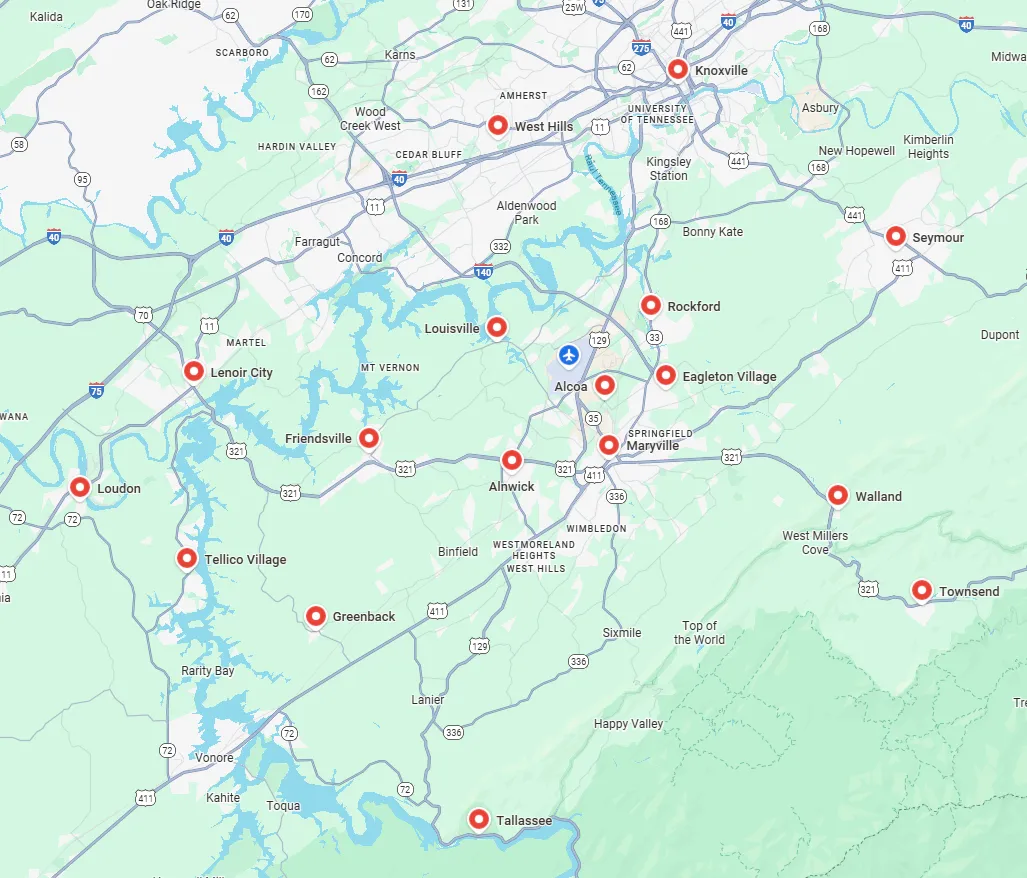
Service areas