

Tankless Water Heater in Knoxville, TN
Thinking about upgrading your water heater? For Knoxville homes and businesses, a tankless (on-demand) system can truly transform your comfort and efficiency. Imagine continuous hot water, more usable space, and potentially lower energy bills – all when the system is properly sized and installed. Here at Everest Air Heating and Cooling, we're ready to guide you through the process, helping you figure out if a tankless system is right for your property, what the installation involves in East Tennessee, and how to keep it running smoothly in Knoxville’s climate. We'll walk you through the benefits, help you understand sizing and fuel options, discuss installation, routine maintenance, common issues, and even the long-term savings, so you can make a decision with complete confidence. You can trust Everest Air Heating and Cooling to provide honest, local expertise.
Why Tankless Water Heaters Matter for Knoxville Homes and Businesses
Knoxville homeowners and small business operators choose tankless systems for practical reasons tied to daily life here:
- Continuous hot water for longer showers, simultaneous laundry and dishwashing, and multi-bathroom households.
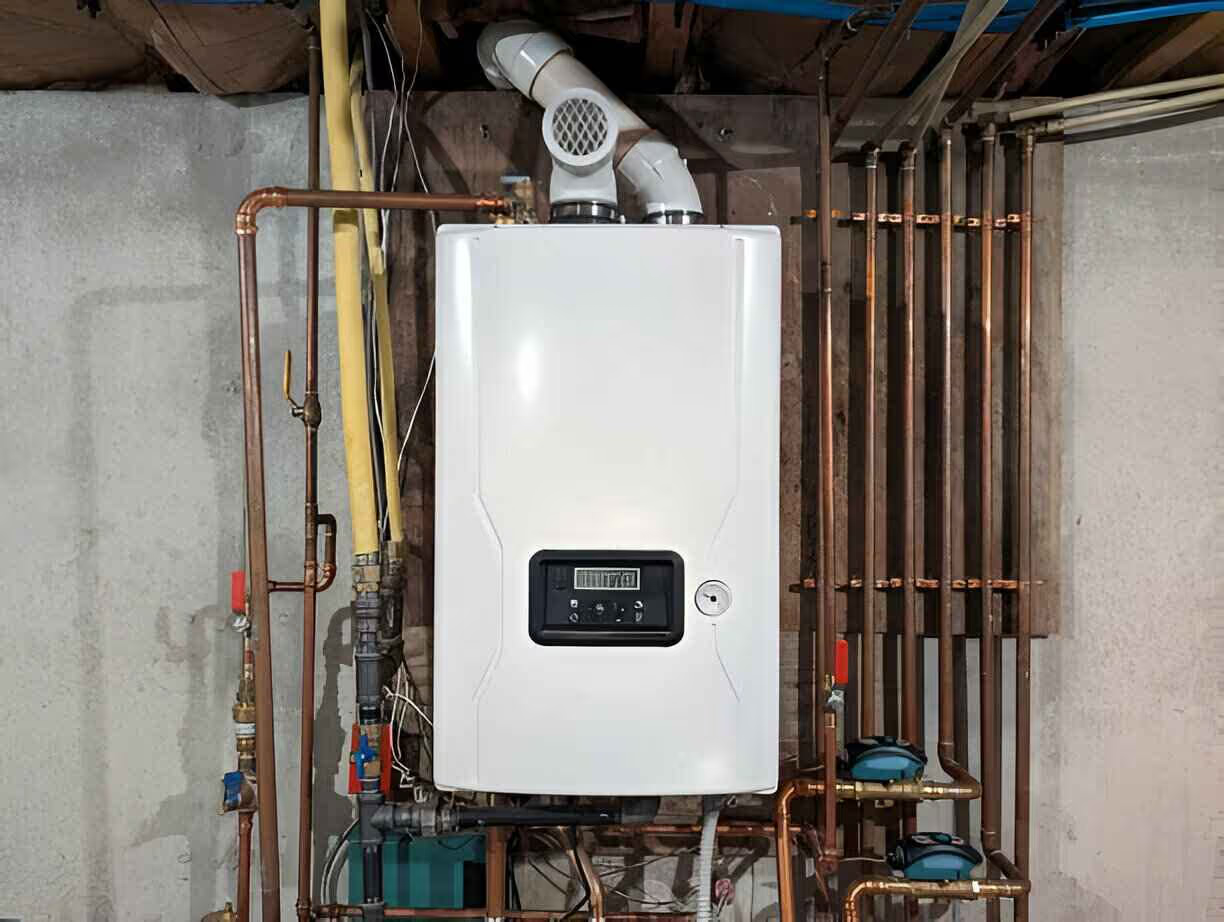
- Smaller physical footprint makes tankless a practical option for tighter utility closets, remodels, or historic Knoxville homes where space is limited.
- Higher delivered efficiency versus older tank systems, particularly in properties with moderate to high hot water demand.
- Reduced standby heat loss because water is heated on demand rather than kept hot in a storage tank.
Local factors that increase the appeal of tankless units in Knoxville:
- Seasonal temperature swings: hot humid summers and cool winters mean year-round varying hot water needs for HVAC-related condensate management and household use.
- Most Knoxville neighborhoods have reliable natural gas service, enabling high-capacity gas-fired tankless units for larger homes.
- Moderate groundwater mineral content in East Tennessee means maintenance planning for scale prevention is important for long-term performance.
Key Benefits at a Glance
- Continuous hot water: virtually unlimited supply sized to your peak flow needs.
- Energy savings: no standby heat loss from a storage tank; efficient fuel use when matched to demand.
- Longer service life: tankless units often have longer warranties and lifespans than conventional tanks when maintained.
- Space savings: wall-mounted units free up basement or utility room floor space.
- Reduced corrosion risk: fewer issues related to tank rust or leaks that cause property damage.
Common Tankless Water Heater Types and Service Options
Tankless units vary by fuel, venting type, and installation complexity. Typical configurations Everest Air Heating and Cooling works with in the Knoxville area include:
- Gas-fired condensing tankless units: High efficiency, require proper venting and a suitable gas supply; especially good for medium to large homes.
- Gas-fired non-condensing units: Simpler venting requirements but lower efficiency than condensing models.
- Propane-fired units: Useful in rural or off-grid Knoxville-area properties where natural gas is not available.
- Electric tankless units: Compact and simpler to install electrically, best for point-of-use or small households due to high electrical demand for whole-house deployment.
- Point-of-use tankless units: Small electric units installed at a single fixture to eliminate wait times and reduce water waste.
- Whole-house tankless systems: Sized to supply simultaneous demands across multiple bathrooms and appliances.
Each type has trade-offs around installation complexity, fuel access, efficiency, and operating costs. Selection depends on home layout, peak hot water flow, and existing utility services.
Sizing Considerations: Matching Unit Capacity to Real Demand
Proper sizing is the single most important factor for successful tankless performance. Undersized units produce inconsistent temperatures under simultaneous loads. Oversized units increase initial outlay without corresponding benefits.
Sizing involves two main metrics:
- Peak flow rate: measured in gallons per minute (GPM). Account for fixtures likely to run at the same time (e.g., two showers plus dishwasher).
- Required temperature rise: the difference between incoming groundwater temperature and desired hot water temperature. Knoxville groundwater temperature changes seasonally and will affect required rise.
Typical steps to size a unit:
- List simultaneous hot water fixtures and estimate their individual flows (shower, sink, dishwasher, washing machine).
- Add flows to determine peak GPM.
- Subtract incoming groundwater temp from desired delivery temp to find temperature rise.
- Choose a tankless model whose GPM capacity meets the peak flow at the calculated temperature rise.
Because Knoxville groundwater and indoor needs vary, a site-specific assessment will produce the most reliable sizing recommendation.
Fuel-Type Pros and Cons for Knoxville Properties
- Natural gas: Widely available in Knoxville. Offers excellent capacity for whole-house units and favorable operating costs depending on local gas rates. Requires adequate gas line sizing and proper venting.
- Propane: Common in rural parts of Knox and surrounding counties where natural gas is not available. Glass-lined units and correct burner tuning are important.
- Electric: Easier to vent and simpler to install in tight spaces. Whole-house electric tankless systems demand significant electrical service upgrades and may be better suited to point-of-use installations in Knoxville residences.
- Hybrid solutions: Some Knoxville properties use a combination of point-of-use electric units for isolated bathrooms and a central gas tankless for the kitchen and laundry to balance costs and service needs.
Installation Requirements: What to Expect
Installing a tankless water heater is more involved than swapping a storage tank. Typical installation elements include:
- Gas line capacity and piping: Gas-fired tankless heaters often require larger gas supply lines and appropriately sized meters. Upgrading gas piping may be necessary to achieve the unit’s maximum input rating.
- Venting: Proper combustion venting is critical. Condensing tankless models produce acidic condensate and require corrosion-resistant venting and a condensate drainage path.
- Electrical requirements: Even gas units need electrical power for controls and ignition; electric tankless units require high-amperage breakers and sometimes service panel upgrades.
- Water piping and connections: Some installations require rerouting or replacing piping, adding shutoff valves, or adding a pressure relief system.
- Water quality mitigation: In Knoxville, mineral content in incoming water can lead to scale buildup. Installations may include a scale prevention device, pre-filtration, or recommendations for a water softener to extend unit life.
- Clearance and location: Wall-mounted units need proper access clearances for servicing and must be located where venting, condensate drainage, and utilities are feasible.
- Permits and inspections: Local codes in Knox County and surrounding jurisdictions require permits and inspections for gas and structural modifications. Professional installers will follow code to ensure safe, compliant installations.
A professional assessment before purchase clarifies whether existing gas, electrical, and venting infrastructure can support the desired tankless model.
Routine Maintenance and Longevity
Tankless water heaters deliver long service life when maintained. Common maintenance tasks include:
- Descaling and flushing: Regular descaling prevents scale accumulation on heat exchangers. Frequency depends on water hardness; Knoxville properties often benefit from annual or semi-annual flushes for best performance.
- Filter cleaning: Inline sediment filters and inlet screens should be inspected and cleaned periodically to maintain flow.
- Condensate line checks: For condensing units, confirm condensate drains are clear and properly trapped.
- Burner and ignition inspection: Gas burners and ignition systems should be checked for soot, proper flame pattern, and reliable ignition.
- Vent and exhaust inspection: Confirm venting is intact, free from obstructions, and adequately sealed.
- System performance check: Routine service includes verifying temperature consistency and ensuring control electronics and sensors operate correctly.
Planned maintenance reduces emergency service calls, keeps efficiency high, and helps avoid premature replacement of expensive components. Everest Air Heating and Cooling recommends a documented maintenance schedule tailored to local water conditions and unit type.
Common Troubleshooting Issues and What They Mean
- Fluctuating hot water temperature during simultaneous use: Usually a sizing issue or flow rate limitation. May require a higher-capacity unit or flow balancing.
- Reduced flow or sputtering: Could indicate scale buildup, clogged inlet filter, or plumbing obstruction.
- Unit shuts down during operation: May be caused by over-temperature limits, insufficient gas supply, or safety interlocks activated by blocked venting.
- Error codes and fault lights: Modern tankless units display diagnostic codes. Many are straightforward (e.g., low water pressure), but some indicate internal issues requiring professional diagnostics.
- Strange odors or discolored water: Typically a plumbing problem or contamination unrelated to the tankless unit itself, but worth investigating to protect the heat exchanger.
- Condensate leaks: In condensing units, ensure drain lines are intact and sloped properly to the drain.
When troubleshooting, simple fixes like filter cleaning can often restore function, but persistent or safety-related issues should be handled by trained technicians.
Expected Costs and Payback Analysis
Upfront costs for tankless water heaters reflect equipment quality, fuel type, and the complexity of the installation. While the initial investment can be higher than a standard tank, a tankless system’s operating savings and longer expected service life contribute to overall value. Consider these cost drivers and payback factors:
- Equipment selection: Higher-efficiency condensing models and those from premium manufacturers command higher initial prices but often deliver greater long-term operating savings and reliability.
- Installation complexity: Expenses increase when gas line upgrades, electrical service enhancements, or venting modifications are needed. Conversion from a tank to a tankless setup typically involves more labor and materials than a like-for-like tank replacement.
- Water treatment needs: Adding water softening or scale-prevention devices reduces maintenance and extends lifespan, which affects up-front investment.
- Energy prices and usage patterns: The financial payback depends on local gas and electricity rates and household hot water usage behavior. Homes with high intermittent demand (long showers, frequent loads) see stronger operational benefits. Conversely, properties with low hot water use may not recover the upfront cost as quickly.
- Longevity and replacement cycle: Tankless units often last longer than traditional tanks, potentially delaying replacement costs and improving lifecycle economics.
A payback analysis typically compares the higher initial cost against annual energy savings and avoided tank replacement cycles. Because each Knoxville property’s utilities, usage, and installation variables differ, an individualized analysis yields the most accurate expectation of time to recoup investment through operating savings.
Is Tankless Right for Your Home or Business in Knoxville?
Consider tankless if one or more of the following apply:
- You need continuous hot water for multiple simultaneous uses.
- Space is at a premium and you prefer a wall-mounted solution.
- Your household or business has moderate to high hot water demand and natural gas service is available.
- You plan to keep your property long-term and want a system with extended life and efficiency benefits.
- You are remodeling and want to reposition or downsize the utility footprint.
Tankless may be less compelling if:
- Your property has very low hot water usage patterns and simple point-of-use electric units meet your needs.
- The existing utility infrastructure would require major upgrades (long gas line runs or costly electrical panel replacement) that make the total project disproportionate to the expected savings.
- You are unable or unwilling to commit to regular maintenance, particularly in areas with mineral-rich groundwater.
For businesses, consider peak hourly demand, customer or tenant usage patterns, and service continuity requirements. Restaurants, salons, and multi-tenant buildings often require multiple or centralized tankless units configured with redundancy to prevent service interruptions.
Local Considerations for Knoxville, TN
- Water hardness and scale: East Tennessee water ranges from moderately hard to hard in places. That increases the likelihood of scale buildup in tankless heat exchangers. For Knoxville customers, integrating a water conditioning strategy or following a more frequent descaling schedule is prudent.
- Natural gas service: Many Knoxville neighborhoods benefit from reliable natural gas availability, making gas-fired tankless units a popular choice for whole-house systems.
- Climate effects: While winters are generally moderate, occasional deep freezes can affect external venting and condensate lines. Proper insulation and frost protection measures for external components reduce risk.
- Historic homes and space constraints: Knoxville has older houses with limited utility-room space and routing options. Tankless units’ compactness often fits better into historic or remodeled homes than large tanks.
- Local code and permitting: Installation must comply with Knox County and municipal codes. Permitting ensures safe gas and venting installations and provides inspection oversight common in the region.
How Everest Air Heating and Cooling Approaches Tankless Projects
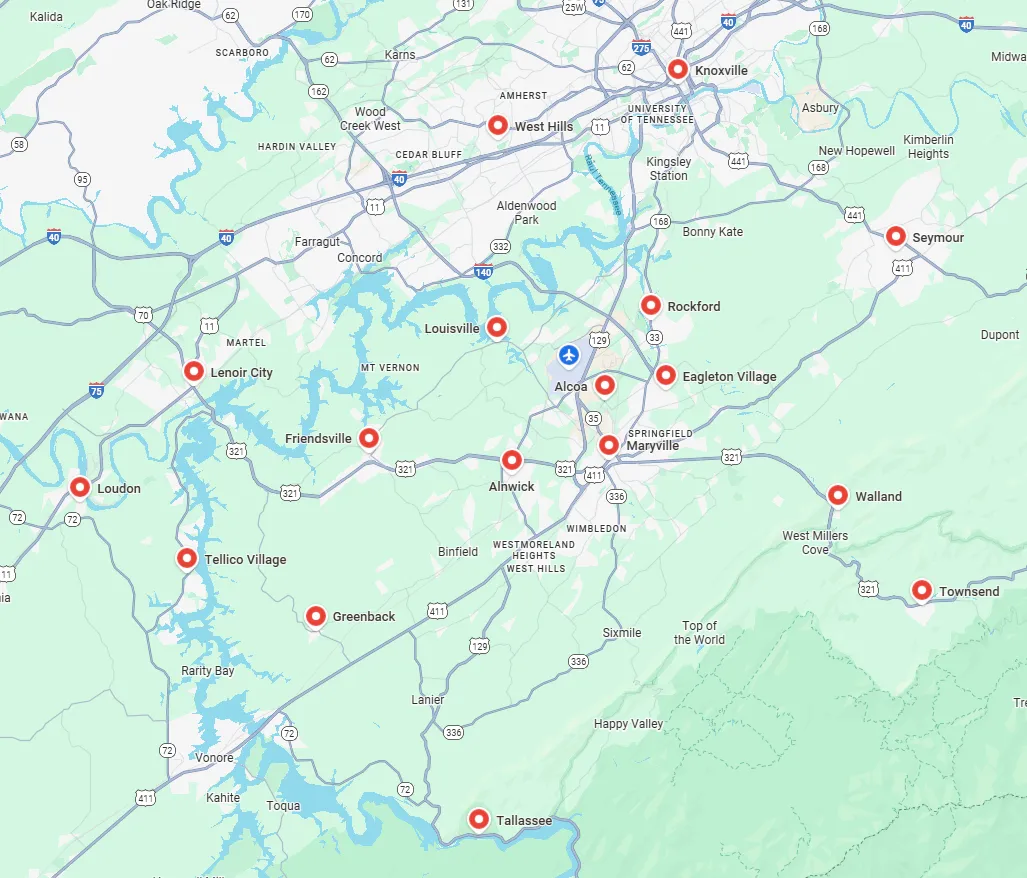
Everest Air Heating and Cooling brings local experience to tankless installations and service across Knox, Blount, Loudon, and Sevier counties. Our approach includes:
- On-site assessment that accounts for real Knoxville water temperatures, household or business usage patterns, and existing utility capacities.
- Sizing recommendations based on simultaneous demand and temperature rise calculations.
- Clear, code-compliant installation planning for gas piping, venting, electrical requirements, and condensate management.
- Maintenance plans tailored to local water conditions to protect heat exchanger life and maintain unit efficiency.
- Troubleshooting grounded in diagnostic best practices to minimize downtime and address root causes.
This consistent, methodical process minimizes surprises and aligns equipment selection with the real-world needs of Knoxville properties.
Maintenance Checklist for Knoxville Properties
- Annual professional descaling for units in areas with moderate to high hardness; consider semi-annual service in the hardest water zones.
- Clean inlet screens and sediment traps every 3 to 6 months.
- Inspect venting and condensate drains seasonally, especially before cold snaps.
- Monitor for error codes and fluid flow interruptions; respond promptly to reduce stress on components.
- Document maintenance actions and any system adjustments for warranty and long-term performance tracking.
Properly maintained tankless systems tend to deliver peak performance and extended durability in Knoxville’s variable climate.
Frequently Asked Questions
Q: How do I know what size tankless water heater I need?
A: Size by calculating peak simultaneous flow in gallons per minute and the required temperature rise from local groundwater to desired hot water temperature. A site visit that measures likely fixture use and incoming water temperature provides the most accurate sizing recommendation.
Q: Can a tankless water heater be installed in an older Knoxville home?
A: Yes, but older homes may require upgrades such as larger gas piping, new venting paths, or electrical service adjustments. Limited space often makes tankless an attractive choice, but an on-site assessment identifies necessary modifications.
Q: How often does a tankless water heater need maintenance in Knoxville?
A: Maintenance frequency depends on water hardness. Many Knoxville properties benefit from annual descaling and filter checks; areas with harder water may need semi-annual service to prevent scale buildup and preserve efficiency.
Q: Are tankless water heaters energy efficient in Tennessee?
A: Tankless units reduce standby heat loss and can be more efficient than older storage tanks, particularly in households with moderate to high hot water demand. Actual savings depend on your usage patterns and local fuel prices.
Q: Will I need to upgrade my gas line for a gas-fired tankless unit?
A: Possibly. High-input tankless models often require larger gas lines and adequate meter capacity. A technician will evaluate your current gas supply and recommend any necessary upgrades to meet the unit’s requirements.
Q: Do tankless units work well in cold weather in Knoxville?
A: Yes, but incoming groundwater is colder in winter, which increases the required temperature rise. Proper sizing for worst-case cold-water conditions ensures consistent performance year-round. Also, protect external components and condensate drains against occasional freezes.
Q: Can a tankless unit supply hot water to multiple bathrooms at once?
A: A properly sized whole-house tankless unit or multiple units installed in parallel can handle simultaneous demands. Accurate sizing by flow and temperature rise is essential to avoid temperature dips during peak use.
Q: How long do tankless water heaters last compared to tanks?
A: Tankless systems generally have longer service lives when maintained, often lasting well beyond the typical lifespan of storage tanks. Regular maintenance, especially for scale-prone water, is key to maximizing longevity.
Q: Is electric tankless a good option for whole-house use in Knoxville?
A: Electric tankless units have advantages in compactness and installation simplicity but can impose significant electrical demand for whole-house service. They are often best-suited for point-of-use applications or homes with robust electrical service.
Q: What maintenance helps prevent scale buildup on a tankless unit?
A: Regular descaling, installing an inline sediment filter, and considering whole-house water conditioning reduce scale risk. Adjust maintenance frequency to local water hardness and monitor flow and temperature performance for early signs of buildup.
hear what our satisfied clients have to say

David P.
Service areas