

Mini Split Replacement in Friendsville, TN
When your ductless Mini Split has simply run its course or it's facing constant issues that just don't make sense to repair, a smart replacement is key. It brings back reliable comfort, lowers those energy bills, and gives you modern features perfectly suited for our regional climate. Here in Friendsville, TN, Everest Air Heating and Cooling offers comprehensive Mini Split system replacement services. We focus on a thorough evaluation, careful removal and disposal of your old equipment, professional installation of higher-efficiency models, and clear guidance on warranties, available rebates, and financing options that can help reduce your upfront costs.
.avif)
Why consider a Mini Split replacement in Friendsville, TN
Friendsville experiences humid, warm summers and cool, occasionally freezing winters. That combination increases cooling demand and puts stress on older HVAC equipment. Mini Splits are popular here because they provide targeted cooling and heating without ductwork, but older or undersized systems can struggle to keep up or run inefficiently.
Common reasons homeowners in Friendsville opt for replacement:
- System age beyond typical life expectancy (10 to 15 years for many Mini Splits)
- Repeated compressor or refrigerant leaks, especially on R-22 systems that are phased out
- Rising energy bills despite routine servicing
- Persistent comfort issues: uneven temperatures, poor dehumidification, or noisy operation
- Desire to upgrade to inverter-driven, higher-efficiency models that perform better in humid climates
- Compatibility problems with modern controls or smart thermostats
Everest Air Heating and Cooling brings region-specific experience to each replacement so systems are sized, configured, and commissioned for local humidity and load profiles.
How technicians evaluate repair vs replacement
A responsible replacement decision starts with a professional assessment. Everest Air Heating and Cooling technicians use diagnostic steps to determine whether a repair or a full replacement best serves a customer in Friendsville:
- Visual and functional inspection: Check for oil stains, refrigerant leaks, corroded lines, damaged fan motors, and physical wear on indoor and outdoor components.
- System age and service history: Older systems with repeated failures or expensive compressor repairs often justify replacement.
- Refrigerant type: Units using R-22 or other phased-out refrigerants are expensive to recharge and may be better replaced with modern refrigerants.
- Efficiency gap analysis: Compare the current system SEER/HSPF to modern Mini Split ratings to estimate potential energy savings from replacement.
- Load and zoning review: Re-assess your home’s current heating and cooling needs. If living patterns or home improvements have changed, re-sizing may be necessary.
- Cost comparison: Provide an itemized estimate comparing anticipated repair costs (including likely follow-up failures) and the ROI of a new system through energy savings and reliability improvements.
This diagnostic process ensures the recommendation is data-driven and tailored to Friendsville conditions.
Replacement options and higher-efficiency models
When replacement is the right call, homeowners can choose among a range of modern Mini Split technologies designed to improve comfort and reduce operating costs:
- Inverter-driven heat pump Mini Splits: Variable-speed compressors match output to demand, reducing cycling and improving efficiency and humidity control during Friendsville summers.
- Multi-zone systems: Support multiple indoor units connected to one outdoor condenser, enabling tailored comfort in bedrooms, living spaces, and additions without ductwork.
- Single-zone Mini Splits: Ideal for homes that only need targeted replacement or for specific problem areas.
- Hyper-heat models: Provide reliable heating at lower outdoor temperatures; useful for cold snaps in winter while still efficient for milder Friendsville winters.
- High-SEER and high-HSPF units: Modern systems commonly range from SEER 16 to 30 and deliver meaningful energy savings versus older equipment.
- Enhanced filtration and IAQ features: Units can be paired with advanced filters, UV lights, and ventilators to improve indoor air quality—valuable in humid climates where allergens and mold risk can increase.
Everest Air Heating and Cooling helps you compare performance metrics, expected energy savings, and upfront versus lifecycle costs for each option.
Responsible removal and disposal of old equipment
Removal and disposal of the old Mini Split are core parts of a professional replacement. Everest Air Heating and Cooling follows industry best practices and regulatory requirements:
- Refrigerant reclamation: Certified technicians recover refrigerant using EPA-compliant recovery equipment. This is mandatory for refrigerants that are ozone-depleting or subject to phase-out.
- Proper recycling of metals and components: Outdoor compressors, copper, and other recyclable materials are separated and recycled when possible to reduce landfill use.
- Safe disposal of hazardous components: Any electronic control boards, capacitors, and oils are handled according to local regulations.
- Documentation: Provide records of refrigerant reclamation, disposal, and recycling when required for rebate or warranty purposes.
Responsible disposal reduces environmental impact and keeps installations code-compliant.
New-system installation: what to expect
A professional Mini Split replacement follows a clear, step-by-step installation and commissioning process to ensure reliable performance from day one:
- Site assessment and final layout
- Determine the optimal locations for indoor heads and outdoor unit considering noise, airflow, aesthetics, and line set lengths.
- Evaluate electrical capacity and placement of disconnects and surge protection.
- Load calculation confirmation
- Perform a Manual J load calculation or verify prior calculations to ensure the new system is correctly sized for Friendsville climate loads.
- Preparation and site work
- Prepare mounting surfaces for indoor heads and pad or brackets for the outdoor unit.
- Install electrical infrastructure to meet local codes, including appropriately sized breakers and disconnects.
- Line set installation and refrigerant handling
- Run refrigerant lines, electrical conduit, and condensate drains.
- Evacuate and pressure test line sets before charging to ensure system integrity.
- Outdoor unit placement and mounting
- Install the outdoor condenser on a stable pad or wall brackets, with attention to clearance for airflow and maintenance.
- Electrical connection and control setup
- Connect control wiring and power, then configure thermostat or remote controls, including Wi-Fi integration when available.
- System charge, testing, and balancing
- Charge refrigerant to factory specifications or follow superheat/subcooling procedures on inverter systems.
- Test each indoor head for proper airflow, temperature delta, and electrical loads.
- Commissioning and homeowner orientation
- Run the system through heating and cooling cycles, verify dehumidification performance, and show homeowners how to use controls and routine maintenance items.
- Final paperwork
- Provide warranty registration details, manufacturer documentation, and any rebate or incentive paperwork needed for submission.
This methodical approach reduces callbacks and ensures the replaced system performs reliably in Friendsville’s seasonal extremes.
Expected performance improvements
Replacing an aging Mini Split with a modern, high-efficiency unit produces tangible benefits:
- Energy savings: Upgrading from a 10 SEER-equivalent system to a 16-20+ SEER Mini Split commonly delivers 20 to 40 percent lower cooling energy use, depending on usage patterns and home insulation.
- Better humidity control: Inverter Mini Splits run longer at lower speeds, which extracts more moisture and improves comfort during humid Friendsville summers.
- Quieter operation: New indoor heads and variable-speed compressors operate more quietly than legacy systems.
- Improved temperature consistency: Multi-zone or properly sized single-zone systems reduce hot and cold spots and allow independent zone control.
- Faster recovery and more precise control: Modern systems reach comfortable setpoints faster and maintain them more consistently.
- Lower repair frequency: New equipment carries warranties and is less likely to require repairs in the short term, reducing unexpected service needs.
Actual savings vary by home size, insulation, and occupant behavior. Everest Air Heating and Cooling provides estimates based on your current usage and system replacement choice.
Warranty and rebate information
Warranty coverage and incentives can significantly affect the lifecycle cost of a Mini Split replacement:
- Manufacturer warranties: Many Mini Split manufacturers offer limited warranties on parts and compressors ranging from 5 to 12 years. Compressor warranties can differ from parts warranties, and registration is often required to obtain full terms.
- Labor warranties: Some local providers, including Everest Air Heating and Cooling, offer labor warranty options or limited-time labor guarantees after installation to cover workmanship.
- Extended warranty options: Extended parts and labor agreements may be available for added long-term protection.
- Rebates and incentives: Homeowners may qualify for local utility rebates, state energy-efficiency programs, or federal incentives for installing high-efficiency heat pumps or ENERGY STAR-rated equipment. Rebate programs change periodically and often require work by a licensed contractor and specific equipment thresholds.
- Documentation for incentives: Proper system sizing, manufacturer model numbers, proof of purchase, and signed installation forms or invoices are commonly required to secure rebates.
Everest Air Heating and Cooling explains typical warranty terms, assists with manufacturer registrations, and provides the documentation often needed to apply for local rebates or incentives.
Financing options to offset costs
Mini Split replacement is an investment. There are several financing pathways that homeowners in Friendsville commonly consider:
- HVAC-specific financing: Many lenders offer loans tailored to HVAC projects with fixed monthly payments and varying terms.
- Home improvement loans: Unsecured personal loans or secured home improvement loans are another option for spreading costs over time.
- Deferred-interest promotions: Some financing plans offer deferred interest for a set period. These require careful attention to terms to avoid retroactive interest if balances are not paid within promotional windows.
- Energy-efficiency loan programs: Depending on availability, low-interest loans or on-bill financing may be offered through local programs or community development initiatives.
- Payment plans through contractor programs: Contractors sometimes provide in-house financing or connect customers with third-party lenders that specialize in home comfort upgrades.
Eligibility and terms depend on credit and program specifics. Everest Air Heating and Cooling outlines common financing types and helps customers understand documentation typically required for approvals.
Preparing your Friendsville home for replacement
A few simple steps can make the replacement process smoother and enhance long-term system performance:
- Clear access and mounting areas: Ensure pathways to indoor and outdoor unit locations are free of obstructions and debris.
- Trim vegetation near outdoor unit location: Keep at least two to three feet of clearance for airflow and maintenance.
- Review insulation and ductwork (if present): While Mini Splits bypass ducts, attic and wall insulation upgrades reduce load and increase efficiency.
- Consider indoor layout or renovation plans: If you plan to remodel or repurpose rooms, discuss those timelines before finalizing system placement and sizing.
These preparations speed installation and optimize the replacement outcome for Friendsville homes.
Maintenance advice after replacement
Proper maintenance preserves efficiency and reliability after a replacement:
- Regular filter cleaning: Many Mini Split indoor heads have washable filters; cleaning every 1 to 3 months is common in high-use seasons.
- Annual professional Tune-Ups: Yearly inspections and refrigerant checks help catch issues early and keep performance high.
- Keep outdoor unit clear: Remove leaves, pollen, and debris seasonally. Maintain vegetation clearance for airflow.
- Monitor performance: Note unusual noises, reduced airflow, or energy spikes and address them quickly to prevent larger issues.
Everest Air Heating and Cooling recommends a preventive maintenance plan tailored to Friendsville’s climate to protect the investment and extend equipment life.
Broader benefits to Friendsville homeowners
Replacing an outdated Mini Split system delivers more than immediate comfort:
- Increased home value: High-efficiency HVAC systems are attractive to buyers and can improve resale appeal.
- Lower environmental footprint: Modern refrigerants and more efficient compressors reduce energy consumption and global warming potential.
- Zoning flexibility: Multi-zone Mini Splits can eliminate the need to heat or cool unused spaces, improving overall efficiency.
- Health and indoor air quality: New systems with better filters and proper drainage reduce mold and allergen risks, particularly relevant in humid regions.
Everest Air Heating and Cooling helps homeowners align replacement choices with long-term comfort, energy, and health goals.
Frequently Asked Questions
Q: How do I know if my Mini Split should be repaired or replaced?
A: Key indicators favoring replacement include repeated compressor failures, refrigerant type with limited availability (like R-22), frequent breakdowns, system age beyond 10 to 15 years, significantly rising energy bills, and persistent comfort problems. A professional evaluation that includes a cost comparison of likely future repairs versus replacement helps make an informed decision.
Q: Will a new Mini Split handle Friendsville humidity better than my old unit?
A: Yes. Modern inverter-driven Mini Splits run longer at lower speeds, which improves latent cooling and moisture removal. Proper sizing and placement are critical to maximize dehumidification in humid Friendsville summers.
Q: What kind of warranty can I expect with a new Mini Split?
A: Manufacturer warranties commonly cover parts for 5 to 12 years and may offer separate compressor warranties. Labor warranties and extended coverage options vary by installer. Registration and maintaining service records are often required to preserve warranty terms.
Q: Are there rebates or incentives for replacing a Mini Split in Friendsville?
A: Local utility programs, state incentives, and occasionally federal programs may offer rebates for high-efficiency heat pumps or ENERGY STAR-rated systems. Eligibility requirements change over time and usually require specific equipment ratings and installation by a licensed contractor.
Q: How long does a full Mini Split replacement typically take?
A: Replacement time depends on system complexity and site conditions. Single-zone swaps can often be completed in a day, while multi-zone installations or jobs requiring electrical upgrades may take one to several days to complete.
Q: What environmental precautions are taken when removing the old unit?
A: Certified technicians recover and reclaim refrigerant per EPA rules, recycle metals and components when possible, and dispose of hazardous materials according to local regulations. Documentation of refrigerant reclamation is provided when needed.
Q: Will a new Mini Split be noisy?
A: New Mini Splits are significantly quieter than older models. Inverter compressors and improved fan designs reduce operational noise, and careful placement of indoor heads and the outdoor unit further minimizes disturbance.
Q: Do new Mini Splits provide heat in winter?
A: Yes. Most modern Mini Split heat pumps provide both cooling and heating with good efficiency. Hyper-heat models offer enhanced low-temperature performance for colder nights in Friendsville.
Q: What maintenance should I plan for after replacement?
A: Regular filter cleaning every 1 to 3 months during heavy use, annual professional Tune-Ups, seasonal checks of outdoor unit clearance, and prompt attention to unusual symptoms will keep a new Mini Split operating efficiently.
Q: Can I finance a new Mini Split replacement?
A: Various financing options exist, including HVAC-specific loans, home improvement loans, deferred-interest promotions, and possible low-interest programs tied to energy-efficiency upgrades. Terms depend on credit and program specifics.
Everest Air Heating and Cooling provides expert guidance through every step of Mini Split replacement in Friendsville, TN, from evaluation and responsible disposal to installation, warranty assistance, and options to manage project cost. The goal is a durable, efficient system tailored to local climate needs and your comfort priorities.
hear what our satisfied clients have to say

David P.
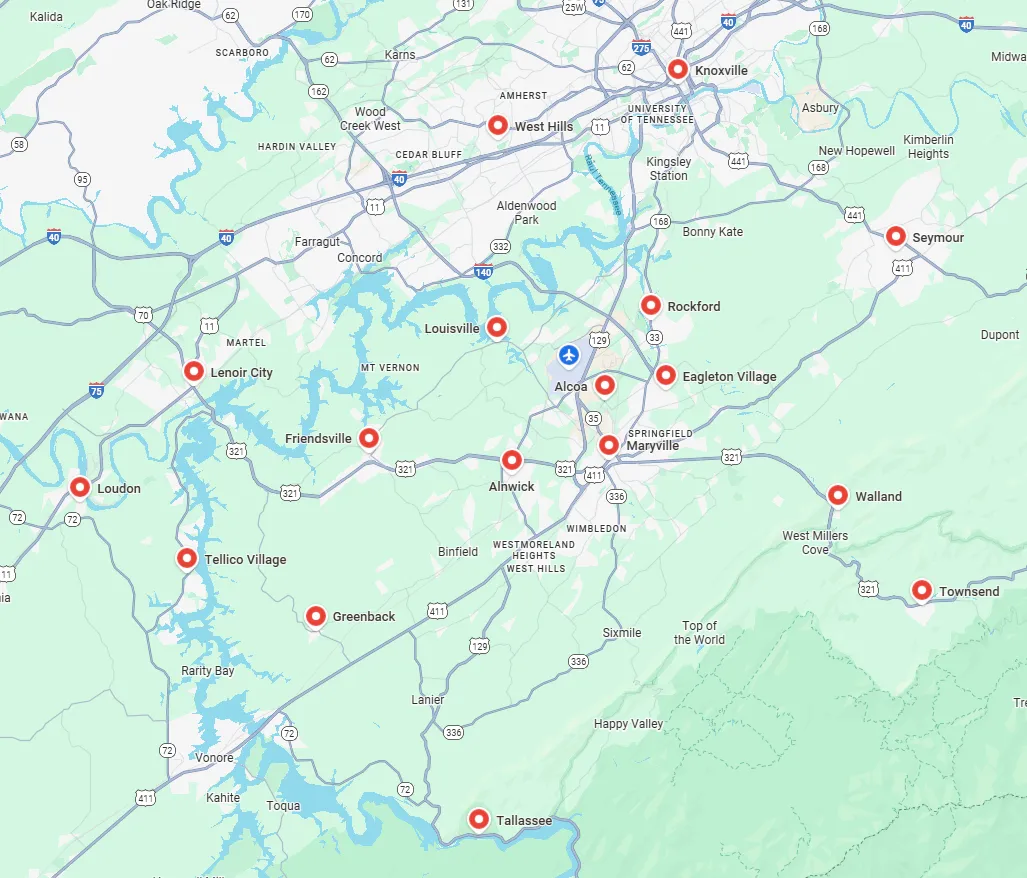
Service areas