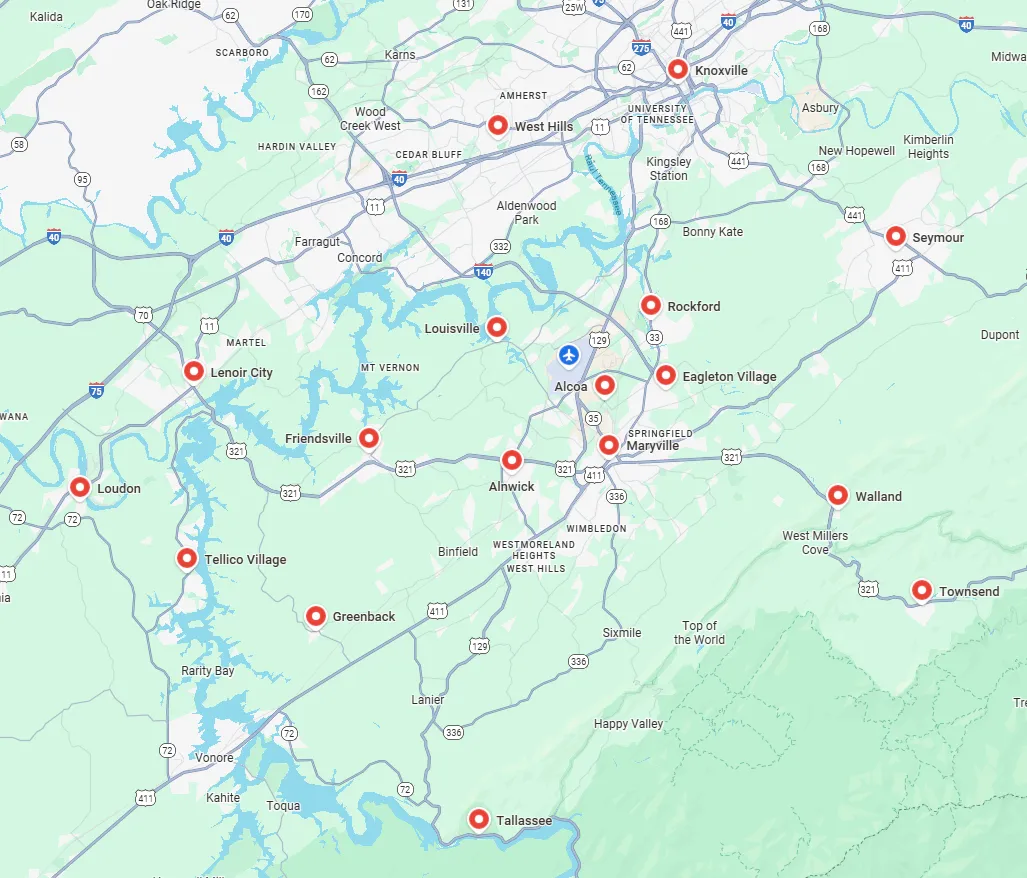


Mini Split AC in Friendsville, TN
For Friendsville homes that need precise, efficient cooling but lack ductwork, a Mini Split AC system often proves to be the ideal solution. Here at Everest Air Heating and Cooling, we're proud to offer expert guidance, professional installation, and reliable ongoing service for these fantastic ductless systems. They're designed to give you zoned comfort, lower your energy bills, and offer incredible flexibility in placement. Whether you're finishing a basement, giving an older home without ducts a modern comfort upgrade, adding a sunroom, or finally ditching that noisy, inefficient window unit, we'll help you understand how Mini Split systems work, how to size them perfectly, and what to expect from installation and maintenance so you can make a truly confident decision.
.avif)
Why Mini Split AC is a strong choice for Friendsville, TN homes
- Zoned comfort: Mini Splits allow you to set different temperatures in individual rooms, which is ideal for two-story homes, finished basements, bonus rooms, detached workshops, and additions common in the Friendsville area.
- Ductless retrofit advantage: Many older homes in Blount County were built without central ductwork or with ductwork that is difficult or costly to modify. Ductless systems provide an efficient alternative without invasive remodeling.
- Energy efficiency: Modern inverter-driven compressors adjust output to match load. This reduces on/off cycling and improves seasonal efficiency, which helps lower utility bills during Friendsville summers when humidity and high cooling demand occur.
- Quiet, unobtrusive operation: Indoor heads operate quietly and can be mounted high on a wall, on the ceiling, or recessed, preserving the aesthetic of living spaces while providing comfort.
- Heating capability: Most Mini Split systems are heat pumps that provide both cooling and heating. Given Friendsville s mild winters with occasional cold snaps, a ductless heat pump can offer reliable supplemental or whole-home heating when sized and installed correctly.
Common Mini Split system types and features
- Single-zone Mini Splits: One outdoor unit paired with one indoor air handler. Best for a single room, basement, garage, or an addition.
- Multi-zone systems: One outdoor condenser connects to multiple indoor units. Ideal for whole-house retrofit solutions or controlling comfort in several rooms without multiple outdoor units.
- Wall-mounted, ceiling cassette, floor-mounted heads: Choose based on room layout, ceiling height, and aesthetic preferences. Cassette units are a good choice for large, open rooms; wall-mounted heads are the most cost-effective and common.
- Inverter technology: Variable-speed compressors that ramp up or down to maintain set temperature. Look for systems with high SEER and HSPF ratings for best year-round efficiency.
- Advanced features: WiFi-enabled thermostats, sleep modes, scheduling, humidity control, air purification filters, and variable fan speeds.
Sizing and model selection: how to pick the right Mini Split for your Friendsville home
Correct sizing is crucial. An undersized unit will struggle on hot, humid days; an oversized unit will short-cycle, reducing comfort and efficiency. Consider these factors when selecting a model:
- Square footage and room function: Bedrooms, living rooms, kitchens, and basements have different cooling loads. Kitchens and south-facing rooms usually require more capacity.
- Insulation and windows: Homes in Friendsville with older single-pane windows or poor insulation will have higher loads. Upgrades to insulation or windows reduce system size and operating cost.
- Ceiling height and air leakage: Higher ceilings and leaky homes increase cooling requirements.
- Sun exposure and orientation: Rooms with large south or west-facing windows gain heat in the afternoon and may need extra capacity.
- Occupancy and appliances: More occupants and heat-generating appliances increase load.
- Local climate influences: Friendsville s humid summers mean dehumidification capacity matters. Choose a system with good latent cooling performance; variable-speed units generally perform best.
Guidance on BTU sizing (high level)
- Small bedroom up to 150 square feet: approximately 6,000 to 9,000 BTU
- Medium room 150 to 300 square feet: approximately 9,000 to 12,000 BTU
- Large room 300 to 500 square feet: approximately 12,000 to 18,000 BTU
- Open living areas or combined rooms over 500 square feet: consider multi-zone solutions or higher-capacity heads
Note: These are starting points. A professional Manual J load calculation that accounts for insulation, windows, shading, orientation, and occupancy is the only way to determine exact sizing. Everest Air Heating and Cooling conducts accurate on-site load calculations to ensure the system is matched to your home.
Professional installation standards: what proper installation includes
A quality Mini Split installation is more than mounting an indoor head and connecting a condenser. Proper workmanship impacts comfort, efficiency, and longevity. Professional installation standards include:
- Comprehensive site survey: Inspect room layout, electrical capacity, wall construction, and ideal placement for indoor heads and outdoor units.
- Correct refrigerant line routing: Line sets should be run with minimal bends, properly insulated, and secured to reduce refrigerant loss and avoid vibration noise.
- Proper electrical setup: Dedicated circuit, appropriately sized breaker, proper wire gauge, and a disconnect at the outdoor unit as required by code.
- Condensate management: Condensate lines should be routed to an approved drain or pumped where needed. Preventing standing water and ensuring a trap prevents odors and mold.
- Outdoor unit placement: Solid, level pad or wall brackets that avoid flood areas and maintain proper airflow. Clearance for serviceability and manufacturer-recommended spacing for airflow.
- Vacuum and correct charge: Technicians must vacuum the refrigerant lines before charging and verify the system charge to manufacturer specifications. This step prevents moisture and ensures efficient operation.
- Commissioning and testing: System should be tested under load, controls calibrated, airflows verified, and the homeowner instructed on operation and filter care.
- Code compliance and permits: Proper permits pulled where required and work inspected if local codes demand it.
Common repair issues and basic troubleshooting you can try
Even quality Mini Split systems can have issues. Many problems are simple to diagnose and sometimes correct without professional tools. These are common issues and basic troubleshooting steps:
- Unit not turning on
- Check the remote control batteries and power mode.
- Verify the system is receiving power at the breaker.
- Confirm the thermostat mode is set to cool and the temperature setpoint is below room temperature.
- Poor cooling performance
- Clean or wash washable filters; dirty filters restrict airflow.
- Ensure indoor unit intake and discharge are not blocked by furniture.
- Inspect for ice buildup on the indoor coil. If frozen, turn the system to fan or heat to thaw and call a technician if it recurs.
- Strange noises
- Rattling can indicate loose mounting hardware or debris in the indoor head.
- Hissing may indicate refrigerant issues; bubbling or gurgling can be normal operation.
- Loud compressor noises may point to failing components and should be checked by a technician.
- Odors or moldy smells
- Clean washable filters and inspect condensate drain lines for clogs.
- Regular maintenance helps prevent microbial growth in drains and coils.
- Outdoor unit not running\
- Check disconnect and breaker.
- If the outdoor fan does not run but the compressor cycles, it could be a fan motor issue or capacitor failure.
- Remote or connectivity problems
- Replace remote batteries, reset the unit, or check WiFi settings if the unit has smart controls.
When to call a professional
- Refrigerant leaks, frozen coils, persistent low cooling, electrical issues, or when the outdoor unit will not start. Refrigerant and electrical work require certified technicians for safety and to preserve warranty coverage.
Maintenance recommendations to maximize lifespan and efficiency
Routine maintenance keeps a Mini Split running efficiently and prevents small problems from becoming costly repairs. Recommended maintenance schedule:
- Monthly or biweekly: Check washable filters and clean as required. During heavy use in summer, more frequent cleaning is common.
- Quarterly: Inspect indoor heads for dust buildup, inspect condensate drain lines for clogs, and clear debris around outdoor unit.
- Annually: Professional Tune-Up in spring for cooling and fall for heating if using the heat pump for winter warmth. A full service visits includes checking refrigerant charge, testing electrical components, cleaning coils, verifying airflow, lubricating motors if needed, and inspecting for wear.
- Y.E.T.I Comfort Plan: Everest Air s Y.E.T.I Comfort Plan offers seasonal checkups, priority scheduling, and a discount on service calls. Regular enrollment ensures scheduled maintenance is performed on a set cadence, protecting efficiency and warranty compliance.
Warranty and service-plan options
Understanding warranty coverage and service plan benefits is essential when investing in a Mini Split.
- Manufacturer warranties: Most reputable Mini Split manufacturers offer parts and compressor warranties ranging from 5 to 12 years when installed by a certified contractor and properly registered. Labor warranties vary and may be provided by the installer.
- Registration and maintenance: Many manufacturers require system registration and proof of regular maintenance to honor extended warranties. Keeping maintenance records and having a maintenance plan like the Y.E.T.I Comfort Plan helps protect your coverage.
- Everest Air service plans: The Y.E.T.I Comfort Plan provides scheduled fall and spring checkups, priority scheduling, and a 10 percent discount on service calls. Layering a manufacturer warranty with a trusted maintenance plan reduces the likelihood of major failures and preserves long-term value.
- Extended labor or parts plans: Ask about available extended labor coverage for peace of mind. Properly installed systems by Everest Air frequently qualify for better warranty support.
Cost considerations and energy savings
Upfront cost and long-term operating cost are both important when choosing a Mini Split.
- Upfront investment: Mini Split systems generally cost more per ton than simple window units or basic packaged systems, but when you factor in ductwork removal or addition costs for central systems, ductless solutions can be cost-competitive.
- Efficiency and rebates: High-efficiency systems with high SEER and HSPF ratings save money over time through lower electricity bills. Variable-speed inverter systems save most when compared to fixed-speed units due to reduced cycling and better humidity control.
- Zoned heating and cooling saves money: Heating and cooling only the spaces you use reduces overall energy consumption. In Friendsville, where many households use rooms unevenly across seasons, zoning frequently produces measurable savings.
- Longevity and lifecycle cost: With proper maintenance, Mini Splits can last 12 to 20 years. Factoring in reduced duct losses (typical ducted systems lose 20 to 30 percent of conditioned air), a ductless system often has a lower lifecycle cost in retrofit applications.
Installation considerations unique to Friendsville, TN
- Humidity control: Friendsville s humid summers increase latent loads. Choosing a system with strong dehumidification performance, or pairing the system with whole-house dehumidification where needed, results in more comfortable indoor air.
- Freeze protection and winter performance: For homes relying on a heat pump Mini Split for winter heat, choose models rated for cold-climate operation or with supplemental heat as necessary for the occasional colder periods that East Tennessee can experience.
- Historic and older homes: Many Friendsville homes have unique or historic structures. Mini Splits allow for minimally invasive installation that preserves architectural details while providing modern comfort.
- Outdoor unit placement and year-round leaf/debris management: The area s tree cover can make regular outdoor unit clearance essential. Properly mounting and protecting the condenser from leaves and yard debris preserves airflow and reduces maintenance frequency.
What to expect from an Everest Air Heating and Cooling Mini Split installation
Everest Air s approach reflects the family-owned values and the Everest Air Promise of no hassles, no high-pressure sales, no shortcuts in quality, and no hidden costs. Key elements include:
- Transparent assessment: An on-site evaluation to explain options and sizing logic.
- Professional installation: Technicians follow best practices for routing, vacuuming, charging, and commissioning the system.
- Owner education: Clear instructions on thermostat operation, filter care, and seasonal use to get the best performance and longevity from the system.
- Documentation: Service records and maintenance recommendations to support manufacturer warranties and service plan benefits.
- Ongoing support: Maintenance packages such as the Y.E.T.I Comfort Plan are available for customers who want proactive care and priority scheduling.
Frequently asked questions
Q: Are Mini Split systems energy efficient for Friendsville s climate?
A: Yes. Modern inverter-driven Mini Split systems are highly efficient and provide excellent dehumidification during Friendsville s humid summers. They are particularly efficient when installed with correct sizing and maintained regularly.
Q: Can a Mini Split heat my home in winter?
A: Many Mini Splits are heat pumps capable of heating. For most Friendsville homes with moderate winter needs, a properly sized Mini Split can provide reliable heat. For very low-temperature events, supplemental heat sources may be recommended depending on the model and home insulation.
Q: How long does a Mini Split installation take?
A: A typical single-zone installation for a standard room can often be completed in a single day. Multi-zone systems or installations that require electrical upgrades may take longer. Everest Air technicians perform a pre-installation site survey to provide a clear timeline.
Q: Will installing a Mini Split require major modifications to my home?
A: No. Mini Splits require only a small hole for refrigerant lines, electrical, and condensate lines. Indoor heads are surface mounted or recessed with minimal disruption, making them ideal for retrofits and older homes.
Q: How often should I service my Mini Split?
A: Clean filters every 1 to 3 months during heavy use. A professional Tune-Up at least once per year is recommended; many homeowners schedule spring for cooling checks and fall for heating checks. Enrollment in a maintenance plan helps ensure regular service.
Q: What warranties are available?
A: Warranty coverage varies by manufacturer. Many manufacturers offer parts and compressor warranties when systems are installed by certified contractors and registered. Everest Air s maintenance documentation and service plans help maintain warranty eligibility.
Q: Can I run multiple indoor units from one outdoor unit?
A: Yes. Multi-zone systems allow one outdoor condenser to serve multiple indoor heads in different rooms. This is an efficient solution for whole-home retrofit or multi-room control.
Q: Are Mini Splits noisy?
A: Indoor units operate very quietly compared to window units or older forced-air equipment. Outdoor condensers produce noise at lower levels than many central air systems but must be placed with consideration for neighbors and outdoor living spaces.
Q: What should I look for in a Mini Split installer?
A: Look for certified technicians who perform loading calculations, follow manufacturer installation procedures, vacuum and charge systems properly, and provide clear documentation and maintenance plans. Everest Air Heating and Cooling emphasizes professional installation standards and homeowner education as part of the service.
hear what our satisfied clients have to say

David P.
Service areas