

Mini Split Repair in Walland, TN
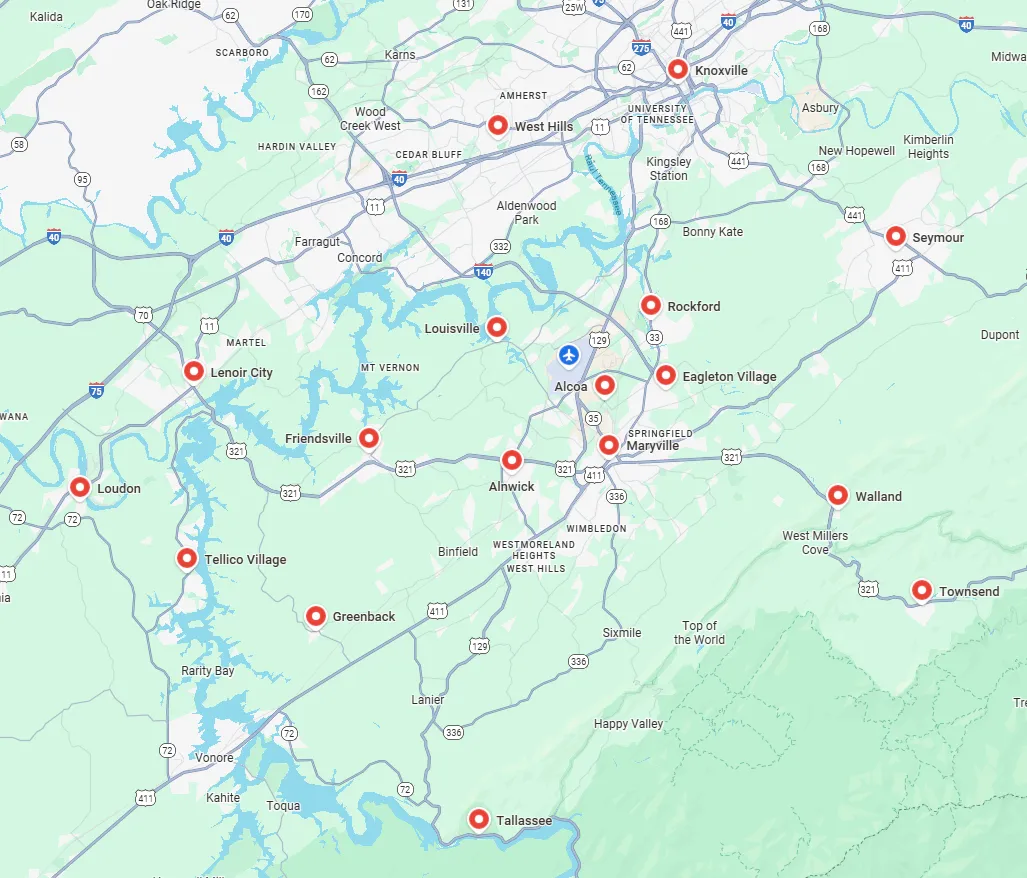
Ductless Mini Split systems are a really popular and efficient way to heat and cool homes in Walland, TN—they're especially great for cabins and houses near the Great Smoky Mountains foothills where zoned comfort, humidity control, and tricky installations are common. At Everest Air Heating and Cooling, our Mini Split repair services are all about fast, accurate diagnostics, professional repairs with top-quality parts, and giving you clear recommendations so you can confidently decide whether to repair or replace. We'll walk you through how we diagnose common failures, what you can expect from our emergency and same-day service options, our practices for parts and warranties, and offer practical guidance specifically tailored for Walland homes. When it comes to keeping your home comfortable, Everest Air Heating and Cooling is here to help.
.avif)
Why timely Mini Split repair matters in Walland, TN
Walland experiences humid summers and cool mountain-adjacent winters. High humidity, frequent temperature swings, and seasonal pollen and particulate matter increase strain on indoor units and outdoor condensers. Mini Splits, often mounted on interior walls or in small attics and exterior locations with limited airflow, can develop problems quickly if small issues are left unaddressed.
Prompt repair:
- Restores comfort and indoor air quality for your home.
- Prevents minor failures from becoming costly system damage.
- Preserves efficiency so your system uses less energy during peak summer and winter months.
- Reduces the likelihood of refrigerant loss or compressor failure tied to prolonged operating stress.
Everest Air Heating and Cooling brings local experience to Walland installations and repairs, combining regional know-how with proven industry practices.
Common Mini Split issues in Walland, TN homes
Mini Split systems are compact but contain many components that can fail. The most frequent problems we diagnose in Walland include:
- Refrigerant leaks: Low refrigerant reduces cooling capacity and causes the compressor to overwork. Humidity and aged brazed joints are common contributors.
- Compressor issues: Signs include loss of cooling, unusual noises at the outdoor unit, or units that short-cycle.
- Fan motor or blower problems: Indoor or outdoor fans that do not run, run inconsistently, or make grinding noises can indicate motor failure or obstructions.
- Control board faults: Power surges, wiring issues, or water intrusion can damage control boards and cause intermittent operation or complete failure.
- Thermistor or sensor failures: Faulty temperature sensors lead to inaccurate cycling, poor temperature control, or error codes.
- Drainage and condensate problems: Clogged drain lines or poor condensate management can cause leaks, water damage, or system shutdown.
- Remote control or communication faults: Loss of signal between indoor and outdoor units or faulty remotes can prevent normal operation.
- Ice buildup or airflow restrictions: Dirty filters, blocked vents, or low refrigerant can produce ice on the evaporator coil and degrade performance.
Each of these issues has distinct diagnostic steps. Accurate diagnosis is the first priority to avoid unnecessary parts changes and to preserve the system lifecycle.
Our diagnostic process and flat-rate diagnostic fee
Everest Air uses a structured diagnostic process designed to identify the root cause quickly and transparently. We apply a flat-rate diagnostic fee that covers a comprehensive on-site inspection and a written diagnostic summary. The process typically includes:
- Visual inspection of indoor and outdoor units, mounting, and clearances.
- Checking electrical supply, breakers, and control wiring for integrity and safety.
- Reading system pressure and temperature to detect refrigerant issues.
- Running diagnostics with manufacturer codes and error logs to pinpoint control board or communication faults.
- Testing indoor blower and outdoor fan motors, capacitors, and start devices.
- Inspecting condensate traps, drains, and pan condition to rule out water-related shutdowns.
- Verifying sensor operation and recalibrating or replacing thermistors as needed.
After the diagnostic, Everest Air provides a concise repair estimate and timeline based on findings. The flat-rate diagnostic ensures you receive consistent, expert analysis regardless of the repair path chosen.
Repair options, parts replacement policies, and warranties
Everest Air follows clear parts replacement policies designed to protect homeowners and preserve system performance:
- Parts selection: We prioritize OEM parts when available for compatibility and durability. Where OEM parts are not available, qualified aftermarket parts with equal specifications are used and documented.
- Parts warranty: Replacement parts are covered under the manufacturer warranty when applicable. Everest Air also provides workmanship warranty on labor for a defined period following repair.
- Transparency: All parts to be replaced are listed on the estimate, with brand and model information when relevant. If a more affordable or longer-lasting alternative exists, we explain the trade-offs.
- Reuse policy: Good-quality existing components that test within specification are left in place to save cost and reduce unnecessary replacement.
- Return policy: Unused parts ordered specifically for your repair are documented; return policies depend on supplier terms and are communicated before ordering.
Warranty-backed repairs are common when systems are still within the manufacturer coverage window. Everest Air will verify serial numbers and warranty eligibility during the diagnostic to identify no-cost or reduced-cost repair options where available.
Emergency and same-day repair options
Mini Split failures often coincide with extreme weather days. Everest Air recognizes the urgency of restoring comfort in Walland homes and offers emergency and same-day service options based on availability and parts:
- Same-day service: Many minor to moderate repairs, such as fan motor replacement, control board resets, sensor swaps, or condensate unclogs, can be completed the same day following diagnosis.
- Emergency response: For total system failures during extreme temperatures or for properties with medical needs, we prioritize response where possible and provide temporary comfort measures when feasible.
- Parts availability: Ability to complete same-day repairs depends on parts on-hand or local supplier stock. For rare or specialty components, timeframes may extend until parts arrive.
- Interim measures: When immediate full repair is not possible, Everest Air provides safe interim solutions to reduce discomfort and protect the system from further harm.
Expect clear communication about arrival windows and realistic timelines once diagnostic results are available.
Typical repair timelines by issue
While every job is unique, these are practical timeline expectations based on common failures:
- Filter, condensate, and airflow service: Often completed within the diagnostic visit or same day.
- Sensor or control component replacement: Typically completed same day once the correct part is on hand.
- Fan motor replacement (indoor or outdoor): Often same day to next day depending on motor availability.
- Control board replacement and reprogramming: Usually completed same day to within 24 hours when parts are in stock.
- Refrigerant leak diagnosis and repair: Leak detection and repair can take one visit for the leak and a second visit for recharge when extensive tracing is required; smaller leaks may be found and repaired same day.
- Compressor replacement or major refrigerant circuit work: More complex jobs that can require ordering a compressor or coordinating a refrigerant recovery may take one to several business days to complete.
These timelines reflect most Walland service scenarios. Weather, access to exterior units, and part lead times can influence actual completion windows.
How we handle refrigerant issues safely and in compliance
Refrigerant work requires licensed technicians, proper recovery equipment, and environmental compliance. Everest Air follows regulatory best practices:
- Certified handling and recovery of refrigerants consistent with current EPA and state requirements.
- Thorough leak detection before recharge to avoid repeat loss and environmental impact.
- Proper evacuation and dehydration procedures for refrigerant circuit repairs.
- Documentation of refrigerant type and quantities used for warranty and compliance records.
Leak repairs often include visual brazing or seal repairs, replacement of defective fittings, and pressure testing to confirm repair integrity.
When repair is recommended and when replacement makes more sense
Deciding between repair and replacement depends on system age, extent of damage, expected remaining lifespan, efficiency, and long-term cost considerations. Consider these factors:
Repair is often the right choice when:
- The issue is isolated and components are under warranty or economical to replace.
- The system is relatively new and expected to deliver several more years of reliable service.
- The home requires immediate comfort and replacing the entire system would be disruptive.
- Efficiency remains acceptable and the repair restores normal operation.
Replacement may be advisable when:
- The system is older and multiple core components are failing or have failed.
- The compressor or the refrigerant circuit has extensive damage that compromises future reliability.
- Efficiency losses are leading to substantially higher energy usage or uneven comfort.
- Upgrading to a newer system would deliver meaningful benefits like improved zoning, higher SEER/HSPF efficiency, or compatibility with modern controls and smart thermostats.
Everest Air provides objective analysis comparing the projected cost and performance of repair versus replacement, factoring in local Walland climate demands and your home usage patterns.
Cost factors we consider (without specific pricing)
While we do not list prices here, common factors that influence the final repair estimate include:
- Parts required (OEM versus aftermarket and availability)
- Extent of refrigerant recovery and recharge needed
- Labor complexity, including access to indoor or outdoor units
- Whether specialized tools or subcontractors are required
- Warranty coverage on existing components
- Urgency and scheduling (emergency or same-day service can affect logistics)
After the diagnostic, Everest Air issues a transparent estimate that lists parts, labor, and warranties so you can make an informed decision.
Quality of workmanship and parts sourcing
Everest Air stands on a commitment to no shortcuts in quality. Our repair practices include:
- Using manufacturer-specified procedures for interventions.
- Verifying that replaced components match electrical and refrigeration specifications.
- Performing functional testing and running the system through a full cycle after repairs.
- Cleaning coils and verifying airflow to maximize efficiency post-repair.
- Leaving a documented service report that outlines work performed, parts used, and maintenance suggestions.
We also advise on preventive upgrades—like improved insulation around outdoor unit linesets or condensate routing modifications—that reduce repeat failures in Walland’s humid climate.
Maintenance advice for longer system life in Walland homes
Routine maintenance reduces repair frequency and helps systems cope with seasonal challenges in Walland:
- Seasonal cleanings: Remove dust and pollen buildup before peak summer and winter seasons.
- Filter checks: Replace or clean filters quarterly or according to manufacturer guidance.
- Condensate inspection: Ensure proper drain routing and inspect for clogs, especially in humid months.
- Outdoor unit clearance: Keep vegetation and debris at least two feet from outdoor condensers for adequate airflow.
- Ductless indoor unit care: Periodically clean indoor unit grilles and check for insect or rodent intrusion that can damage wiring.
- Annual professional Tune-Up: A licensed technician should inspect refrigerant charge, electrical components, and mechanical parts annually.
Everest Air’s Y.E.T.I Comfort Plan focuses on preventive maintenance that reduces emergency repairs and prolongs system efficiency and reliability.
Safety, code, and property considerations
Repairs often interact with home systems and code requirements. Everest Air ensures:
- Electrical circuits and connections meet local code and safety standards.
- Refrigerant handling complies with federal and state regulations.
- Work near combustible materials or in attics and crawlspaces follows safe practices to protect your home and occupants.
- Any structural mounting or modifications are evaluated to avoid damage to wall assemblies or finishes commonly found in older Walland homes.
We document work for future service and for homeowners who sell properties in the region.
What to expect after a repair
After Everest Air completes a Mini Split repair, you can expect:
- A detailed service report that lists diagnostics, parts replaced, and recommendations.
- Verification that the system runs through full heating and cooling cycles.
- Any relevant warranty documentation for parts and labor.
- Suggestions for follow-up maintenance to minimize future breakdowns.
Our goal is to leave your system reliable, efficient, and documented for your records.
FAQs
Q: How long will the diagnostic take and what does the flat-rate fee cover?
A: The diagnostic visit typically lasts from a focused visual and functional inspection up to a full-system evaluation depending on the issue. The flat-rate diagnostic fee covers the on-site inspection, pressure and electrical testing, error code analysis, and a written diagnostic summary with a repair estimate.
Q: Can refrigerant leaks be repaired during the same visit?
A: Small, easily located leaks may be repaired the same visit if the necessary parts and safe brazing conditions are available. In many cases, leak detection requires tracing which can extend the timeline and may need a follow-up visit for recharge and verification.
Q: Will you use OEM parts for my Mini Split?
A: We prioritize OEM parts when they are available and appropriate. If a high-quality aftermarket alternative is a better option due to availability or compatibility, we will document that choice and explain the differences.
Q: How does Everest Air handle emergency repairs in peak summer or winter?
A: Emergency requests are evaluated based on safety, health needs, and weather severity. We prioritize urgent situations and will provide interim measures when full repair cannot be completed immediately due to parts or access constraints.
Q: When should I replace the Mini Split instead of repairing it?
A: Replacement is typically recommended when the system is near the end of its expected life, multiple major components have failed, efficiency is poor, or repeated repairs outweigh the benefits of a new system. We provide a clear comparison of projected repair costs versus replacement benefits.
Q: Are repairs covered under manufacturer warranties?
A: Some repairs may be covered if the system or parts remain under the original manufacturer warranty. During the diagnostic we check serial numbers and warranty status to identify any no-cost repair options available to the homeowner.
Q: How does Walland weather affect Mini Split performance?
A: High summer humidity increases runtime and condensate production. Cooler winter nights can stress older outdoor compressors. Proper sizing, maintenance, and airflow are vital in this climate to avoid frequent cycling and moisture-related issues.
Q: What preventative steps can I take to avoid common Mini Split problems?
A: Regular filter changes, seasonal cleaning of indoor and outdoor coils, keeping outdoor units clear of vegetation, and annual professional Tune-Ups significantly lower the likelihood of major failures.
Everest Air Heating and Cooling brings local expertise and a commitment to quality workmanship for Mini Split repair in Walland, TN. Our process is designed to diagnose accurately, repair reliably, and advise objectively on the best path forward given your home, your system age, and local climate demands.
hear what our satisfied clients have to say

David P.
Service areas