

Mini Split AC in Walland, TN
At Everest Air Heating and Cooling, we understand why ductless Mini Split air conditioning systems are such a game-changer for homes in Walland, TN. They offer incredible flexibility and efficiency for heating and cooling, whether you're finishing a sunroom, adding comfortable space to a Mountain-area cabin, finally replacing that old window unit, or seeking true zoned comfort in a historic home without existing ductwork. Mini Splits are fantastic at solving common local issues like uneven temperatures, that sticky summer humidity, and the challenge of running ducts through older foundations or vaulted ceilings. We'll walk you through how Mini Splits work, where they shine brightest in Walland homes, what goes into installation, sizing considerations, our recommended brands and models, the energy and humidity benefits you'll see, routine troubleshooting, warranty and financing options, and the simple estimate process you can expect from Everest Air Heating and Cooling.
.avif)
Why Mini Split AC makes sense in Walland, TN
Walland experiences warm, humid summers and cool winters. That seasonal swing means homeowners need cooling systems that handle humidity while offering heating when temperatures drop. Mini Splits are heat pump systems that provide both cooling and heating without ductwork. They are well suited to:
- Single rooms, bedrooms, or home offices where extending existing ducts would be expensive
- Additions, sunrooms, finished basements, and garages converted to living space
- Older or historic homes and cabins where preserving original construction is important
- Zoned comfort for multi level homes with hot and cold spots
- Rental cabins or seasonal homes where independent temperature control is valuable
Everest Air Heating and Cooling installs and services ductless systems sized and configured for local conditions and common Walland construction types, from modern builds to log cabins and stone cottages.
How Mini Split AC systems work
Mini Split systems are relatively simple in concept but technically advanced in operation:
- Outdoor compressor/condenser: The outdoor unit houses the compressor and condenser coil. It circulates refrigerant and provides the refrigeration cycle for cooling and reversing for heat.
- Indoor air handlers (heads): These are wall-mounted, ceiling cassette, floor console, or concealed units that blow conditioned air into rooms. Each indoor head has its own blower and evaporator coil.
- Line sets (refrigerant piping): Copper refrigerant lines and a condensate drain connect indoor heads to the outdoor unit. The line set is usually run through a small 2 to 3 inch hole in the wall.
- Controls: Wireless remotes, wired controllers, or smart thermostats allow each zone to be controlled independently. Many systems integrate with Wi Fi for app-based control.
- Inverter-driven compressors: Modern Mini Splits use inverter technology to vary compressor speed. Instead of cycling on and off, the compressor modulates output to match load, improving efficiency and comfort while reducing humidity.
Most Mini Split systems sold today are heat pump based, so they can provide heating in the shoulder seasons and mild winter days as well as efficient cooling during humid Tennessee summers.
Common Mini Split applications in Walland homes
- Bedroom cooling without altering central system balance
- Adding climate control to sunrooms and screened porches to extend seasonal use
- Conditioning upstairs bedrooms that get hotter than downstairs
- Conditioning basement living areas where ductwork is impractical
- Supplementing or replacing window units and portable air conditioners
- Creating separate HVAC zones for vacation rentals and guest suites
Each application has unique placement, head type, and sizing considerations. Everest Air Heating and Cooling evaluates these specifics during a site assessment.
Typical installation components and what to expect
A professional Mini Split installation includes a number of standard components and steps:
- Site survey and load calculation: Measure the space, assess insulation, window orientation, occupancy, and sun exposure to determine capacity.
- Indoor heads: Choose from wall mounted, low wall, floor mounted console, ceiling cassette, or concealed ducted units depending on aesthetics and airflow needs.
- Outdoor compressor/condenser: Mounted on a concrete pad, wall bracket, or rooftop platform depending on property layout.
- Line set and wiring: Copper refrigerant lines, electrical wiring, and a condensate drain routed through a small hole in the wall with a protective sleeve and cover plate.
- Electrical disconnect and breaker: Dedicated circuit sized to the manufacturer specification, with proper grounding and surge protection as required by code.
- Vacuum and refrigerant charge: Technicians evacuate the system to remove air and moisture and then charge to specifications for optimal performance.
- Final setup and commissioning: System is tested in all modes, airflow balance is confirmed, and controls are programmed. The homeowner receives a system orientation.
On a typical single zone install in a standard Walland home, installation often takes between half a day and a full day. Multi zone systems and installations requiring structural modifications or permitting may take longer.
Sizing and load considerations for Walland, TN
Accurate sizing is essential for performance, efficiency, and longevity. Oversizing leads to short cycling and poor dehumidification; undersizing leads to continuous run time and comfort issues. Everest Air Heating and Cooling relies on Manual J style calculations that consider:
- Square footage and ceiling height
- Insulation levels in walls and attic
- Window area, type, and orientation (south and west exposures increase cooling load)
- Number of occupants and typical internal heat gains from appliances
- Local climate: Walland humid summers increase latent load needs for dehumidification
- Construction specifics: log walls, stone, or older single pane windows change heat transfer rates
As a rule of thumb only, small bedrooms or offices often require 6,000 to 9,000 BTU equivalent units, average bedrooms 9,000 to 12,000, living rooms and open plan areas 12,000 to 24,000 or higher. Multi head outdoor units can support several indoor heads with properly balanced capacities. A professional load calculation identifies the right mix of head sizes and the best outdoor unit match.
Recommended brands and models
Everest Air Heating and Cooling works with proven manufacturers known for reliability and parts support. Recommended brands include:
- Mitsubishi Electric: Well known for high efficiency, quiet operation, and a broad range of indoor head styles. Popular lines include the Mitsubishi M-Series and Hyper-Heating models for better cold climate heat.
- Fujitsu Halcyon: Efficient systems with competitive warranties and multiple indoor options.
- Daikin: Offers robust multi zone solutions and good service network. Daikin systems are common for both residential single and multi zone applications.
- LG: Strong in the residential market with attractive designs and smart control options.
- Panasonic and Bosch: Reliable alternatives with different indoor head aesthetics.
- Gree and other reputable OEMs: Budget friendly options with modern inverter technology.
Model selection depends on desired efficiency, sound level, indoor head style, warranty, and budget. Some models use R410A refrigerant while newer lines may use R32 or other lower GWP refrigerants. Everest Air Heating and Cooling can discuss model specifics and warranty coverage for each option during assessment.
Energy efficiency and humidity control
Mini Splits deliver efficiency advantages that matter in Walland:
- Inverter-driven compressors maintain steady temperatures and avoid energy-sapping on off cycles. This reduces electrical draw and improves comfort.
- Zoned operation lets homeowners cool only occupied spaces, reducing overall energy use compared to whole house central systems.
- No duct losses: Ducted HVAC systems typically lose conditioned air through duct leaks in attics and crawlspaces. Ductless Mini Splits avoid those losses entirely.
- Improved dehumidification: Many modern inverter Mini Splits run at lower speeds that remove moisture more effectively than oversized cycling systems. That is especially useful during Walland summers when high humidity is a primary comfort issue.
- Reduced standby energy: Individual zone control and programmable settings lower wasted energy compared with running a large central system.
Efficiency metrics to consider include SEER ratings for cooling efficiency and HSPF or COP for heating performance. Higher SEER and better inverter control generally mean lower operating cost over the life of the unit.
Installation considerations specific to Walland properties
Walland and the surrounding Smoky Mountain area present a few unique challenges:
- Historic or older homes: Many local homes lack ductwork or have limited attic access. Mini Splits avoid invasive duct runs and preserve historic construction.
- Mountain terrain and property access: Outdoor unit placement must account for sloped yards, snow and ice in season, and accessibility for service.
- Cabin and vacation rental usage: Frequent vacancy and variable occupancy patterns call for systems that can be programmed or controlled remotely to manage energy use.
- Wildlife and foliage: Outdoor units must have clearance from leaves, brush, and wildlife. Elevated mounts or protective cages are sometimes recommended.
- Local permit and inspection requirements: Installations may require electrical permits and inspections through Blount County. Everest Air Heating and Cooling follows all local code requirements and can advise on permitting needs.
Typical installation timeline and workmanship expectations
A standard process followed by professional installers like Everest Air Heating and Cooling includes:
- Preinstallation planning: Site assessment, load calculation, and equipment selection.
- Permit acquisition if required by local authorities.
- Installation day: Indoor head mounting, line set routing, outdoor unit placement, electrical hookup, vacuum and charge, system start up.
- Commissioning: System is tested for proper refrigerant charge, airflow, and mode operation, and indoor heads are balanced for even distribution.
- Owner orientation: Controls, filter care, and seasonal maintenance needs are reviewed.
Proper sealing of the line set penetration, professional refrigerant handling, correctly sized electrical circuit, and careful indoor head placement are critical quality markers. Everest Air Heating and Cooling adheres to manufacturer installation standards and local codes.
Common Mini Split problems and basic troubleshooting
Mini Splits are reliable but occasional issues arise. Homeowners can perform some basic checks before scheduling service:
- Unit will not power onA: Check the indoor head power switch and the outdoor unit switch at the disconnect. Verify the circuit breaker has not tripped. If breakers are tripped repeatedly, professional diagnosis is required.
- Poor airflow or weak coolingA: Clean or inspect filters. Ensure indoor head louvers are not obstructed by furniture. Check that the outdoor unit is clear of debris and vegetation. If filters are clean and airflow is still poor, the refrigerant charge or compressor performance may need inspection.
- Indoor unit leaking waterA: Check for blocked condensate drain lines, especially after heavy humidity. Small amounts of drip during heavy operation can be normal. Persistent leaks or large water flow requires immediate service to prevent water damage.
- Ice on indoor coilA: This can indicate low refrigerant charge, poor airflow from dirty filters, or fan motor issues. Turn the system off and allow defrost, then schedule professional service.
- Strange noisesA: Light clicking at startup is normal. Ongoing rattles, grinding, or loud banging points to mounting issues, a failing fan motor, or compressor problems and should be checked by a technician.
- Remote control or Wi Fi issuesA: Replace batteries, confirm mode selection (cool vs heat vs auto), and verify network credentials for smart control. Many controls have reset procedures in the manual.
For any refrigerant leaks, electrical faults, or compressor concerns, a certified technician should perform repairs. Everest Air Heating and Cooling technicians are trained to diagnose and repair ductless systems safely and in accordance with refrigerant regulations.
Maintenance and care to extend system life
Regular maintenance preserves efficiency and comfort:
- Clean filters every 1 to 3 months depending on usage and indoor air quality.
- Keep outdoor unit at least 2 to 3 feet clear of debris, leaves, and plant growth.
- Check condensate drains for blockages and ensure proper slope.
- Schedule an annual service visit to inspect refrigerant charge, electrical connections, fan motors, and system controls. Seasonal checks before peak summer and before shoulder season heating can prevent failures.
- Inspect wall penetrations and sealants for weatherproofing and rodent protection.
Everest Air Heating and Cooling offers maintenance plans that follow manufacturer recommendations and include seasonal inspections to keep systems operating at peak efficiency.
Warranty, financing, and permitting
- Manufacturer warranties: Warranties vary by brand and component. Compressor warranties often run 5 to 10 years, while parts warranties vary. Proper installation and registration may be required to validate some warranties.
- Labor warranties: Labor coverage depends on installer policy. Professional installers typically provide a limited labor warranty on workmanship for a specified period.
- Financing options: Many homeowners choose financing to spread the cost of equipment and installation. Financing terms, credit approvals, and programs vary. During the estimate process Everest Air Heating and Cooling outlines available financing options and similar administrative details.
- Permits and inspections: Local code and permitting requirements in Blount County can apply to electrical and HVAC work. Professional installers handle permit submission and coordinate any required inspections.
Documentation for warranties and service records helps with future service and potential warranty claims.
Comparing single zone, multi zone, and short duct ducted options
- Single zone systems: One outdoor unit paired with a single indoor head. Ideal for one room, garage conversion, or an office. Quick and cost effective.
- Multi zone systems: One outdoor unit supports multiple indoor heads. Great for whole floor comfort or multiple bedrooms while maintaining independent control for each space.
- Short duct or concealed duct systems: These provide ducted supply to multiple grilles from a compact concealed indoor air handler. They maintain the appearance of central HVAC while avoiding long duct runs. Suitable when a clean ceiling or wall look is preferred.
Choice depends on aesthetics, number of rooms, and the extent of conditioning required. Everest Air Heating and Cooling recommends the right configuration after assessing the property.
Why homeowners in Walland trust Mini Split solutions
- Minimal disruption: Small wall penetrations and flexible indoor head placement mean far less disturbance to existing construction than major ductwork.
- Year round comfort: Heat pump based Mini Splits provide both cooling and efficient heating for shoulder seasons.
- Precise zone control: Manage temperatures room by room to match occupancy and personal comfort.
- Improved indoor air: Many indoor heads include multi stage filters to improve particulate removal over window units.
- Longevity and serviceability: Properly installed and maintained units deliver reliable performance for many years.
Everest Air Heating and Cooling applies local knowledge of Walland construction, seasonal humidity patterns, and mountain area property layouts to deliver systems that solve the exact comfort problems faced by residents.
What to expect when requesting an estimate
Everest Air Heating and Cooling follows a clear process for estimates and scheduling so homeowners know what to expect:
- Initial consultation: Evaluation of the home and discussion of comfort goals, budget, and aesthetics.
- On site assessment: Accurate measurements, inspection of existing electrical, structural conditions, and any access challenges.
- Load calculation and equipment selection: A tailored recommendation that balances capacity, efficiency, and head types for each zone.
- Written estimate and scope of work: Detailed equipment list, installation methods, and permit expectations along with warranty information and an outline of available financing and maintenance options.
- Timeline planning: Projected installation timeline and any preparations the homeowner should consider, such as path clearance for line sets or electrical upgrades.
This transparent estimate approach helps homeowners compare options and understand the long term benefits of the proposed system.
Frequently asked questions
Q: What is the difference between a Mini Split and a window unit?
A: Mini Splits are ductless heat pump systems with an outdoor compressor and one or more indoor heads. They are more efficient, quieter, and provide both heating and cooling with better humidity control compared to window units.
Q: How much does a Mini Split installation affect my walls?
A: The installation requires a small hole, typically 2 to 3 inches in diameter, for the line set and drain. Indoor heads mount on a bracket and leave minimal visual impact. Concealed duct models require access to a small cavity but still avoid long duct runs.
Q: Can a Mini Split heat my entire house in Walland winters?
A: Mini Splits can heat many homes efficiently, especially milder winters. However, in areas with extended below freezing temperatures or poorly insulated homes, supplemental heat sources may be recommended. Higher performance cold climate models are available for colder conditions.
Q: How often should I have maintenance performed?
A: Annual professional maintenance is recommended, with filter cleaning every 1 to 3 months depending on usage and air quality. Seasonal checks before heavy cooling and heating periods keep performance and efficiency at peak levels.
Q: Are Mini Splits noisy?
A: Modern Mini Splits, particularly inverter systems from leading brands, operate quietly. Indoor head sound levels are often comparable to a whisper. Outdoor units produce moderate noise similar to a small refrigerator, but proper placement and anti vibration pads reduce disturbance.
Q: Will I need a new electrical panel?
A: Many installations require a dedicated circuit. If your home has limited capacity, an electrical panel upgrade may be necessary. This is evaluated during the on site assessment.
Q: Do Mini Splits remove humidity?
A: Yes. Variable speed compressors and longer run times generally provide improved dehumidification compared to oversize cycling systems. Properly sized systems will manage Walland humidity effectively.
Q: What warranties are available?
A: Manufacturer and labor warranties vary. Common compressor warranties range from 5 to 10 years on many brands. Everest Air Heating and Cooling provides equipment and installation information about warranty coverage during inspection and in the written estimate.
Everest Air Heating and Cooling brings local expertise and professional installation standards to each Mini Split project in Walland, TN. The result is a ductless solution that addresses common regional comfort challenges while delivering efficient, quiet, and precisely zoned heating and cooling suited to your home.
hear what our satisfied clients have to say

David P.
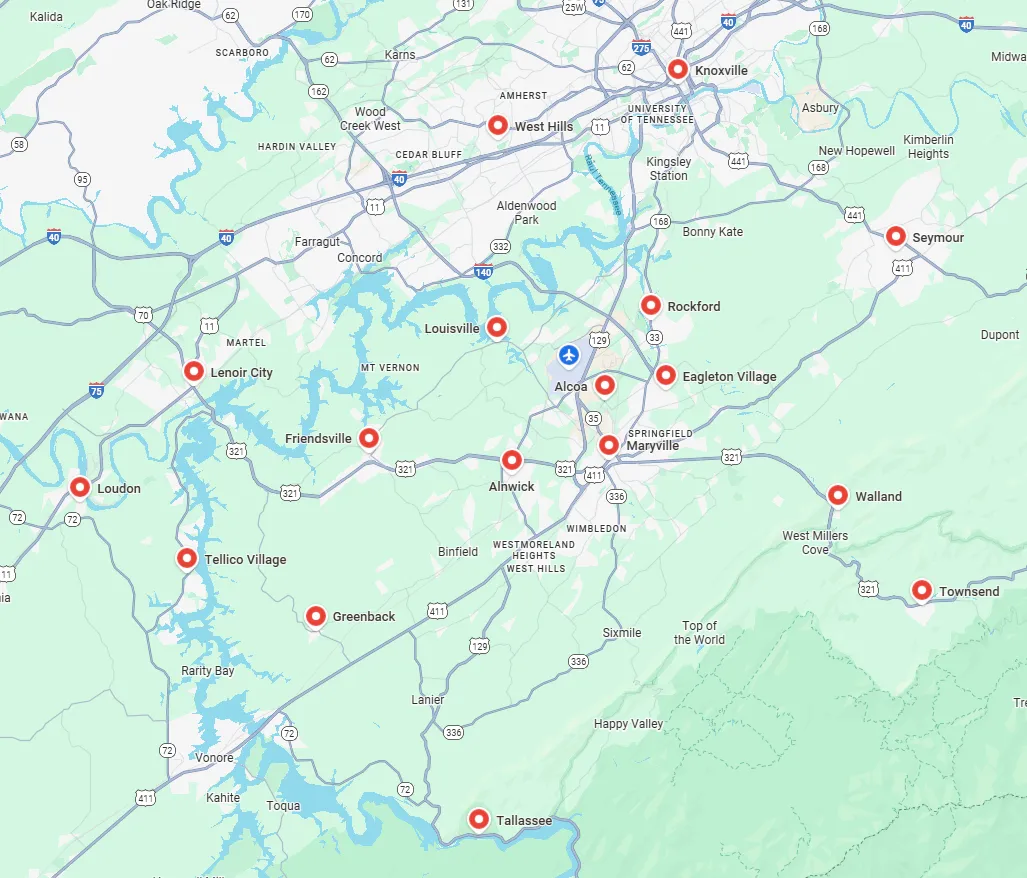
Service areas