

Mini Split Repair in Tallassee, TN
When your ductless Mini Split stops cooling or heating like it should, it can throw off your whole day—especially during Tallassee's sweltering summers and unexpected cold snaps. At Everest Air Heating and Cooling, we specialize in Mini Split repair right here in Tallassee, TN. We combine speedy, professional diagnostics with our team's experienced repairs and clear recommendations, all aimed at getting your system back to peak performance. We'll show you the common Mini Split problems Tallassee homes face, exactly how our technicians pinpoint issues, what repairs and parts replacements look like, what to expect for emergency responses and turnaround times, and even some preventative tips to help you avoid future headaches.
Why Mini Split repair matters in Tallassee, TN
Tallassee experiences hot, humid summers and variable shoulder seasons. Ductless Mini Splits are popular here because they provide efficient, zoned comfort without major ductwork. When a Mini Split fails, the result is uneven temperatures, higher energy bills, and comfort loss in occupied rooms. Timely repair protects the system’s compressor and inverter electronics and preserves efficiency, reducing the chance of a premature replacement. Everest Air Heating and Cooling brings local experience to each service visit, taking into account Tallassee climate factors like humidity, airborne pollen, and seasonal storms that increase strain on outdoor condensers.
Common Mini Split issues in Tallassee homes
Below are the most frequent problems we see with ductless Mini Splits and the symptoms homeowners report:
- Compressor problems
- Symptoms: outdoor unit runs but cooling is weak or nonexistent, unusual clanking or grinding noises, unit trips breakers.
- Typical causes: electrical faults, oil starvation from low refrigerant, motor failure, age-related wear.
- Refrigerant leaks
- Symptoms: gradual loss of cooling capacity, reduced airflow as evaporator temperature approaches freezing, oil residue around fittings.
- Typical causes: corrosion, failed brazed joints, mechanical damage to tubing, factory defects in older lines.
- Inverter and electronics failures
- Symptoms: unit fails to start, erratic operation, flashing error codes on indoor display, variable speed fan problems.
- Typical causes: power surges, moisture intrusion, failed capacitors, worn control boards, improper line voltage.
- Airflow and indoor unit problems
- Symptoms: weak airflow, noise from indoor head, cold spots, ice buildup on indoor coil.
- Typical causes: dirty filters, blocked drain lines, failing indoor fan motors, misaligned louvers, clogged coils.
- Drainage and condensation issues
- Symptoms: water dripping from the indoor head, secondary moisture staining, mold smell.
- Typical causes: clogged condensate lines, bad trap installation, improper slope between drain lines.
- Sensor and thermostat faults
- Symptoms: unit short-cycles, maintains wrong temperature, runs continuously.
- Typical causes: failed temperature sensors, remote control communication issues, incorrect setpoints.
- Mechanical damage and installation problems
- Symptoms: vibration, loud noise, refrigerant line damage, poor performance across multiple zones.
- Typical causes: poor installation, collapsed refrigerant lines, inadequate outdoor unit clearance.
- Symptoms: vibration, loud noise, refrigerant line damage, poor performance across multiple zones.
Understanding these common failures helps you spot early warning signs and choose the right response. Everest Air Heating and Cooling documents symptoms and probable causes on each service ticket so you know what we found and why we recommend a given repair.
How Everest Air technicians diagnose Mini Split problems
A structured, systematic diagnostic process reduces guesswork and avoids unnecessary parts replacement. Our typical diagnostic workflow for a Mini Split includes:
- Visual and safety inspection
- Inspect indoor and outdoor units for visible damage, debris, rodent nests, and corrosion.
- Verify safe electrical conditions and proper breaker settings before working.
- System history and user interview
- Ask about symptom onset, any recent work, power events, or unusual noises to narrow down probable causes.
- Refrigeration system checks
- Measure refrigerant pressures on the high and low sides and compare to manufacturer charts accounting for ambient temperature.
- Use electronic leak detectors and dye dye tests where appropriate to locate leaks.
- Electrical and control testing
- Check line voltage, current draw on compressor and fans, continuity of protection devices, capacitors, contactors, and fuses.
- Inspect inverter boards and communication wiring between indoor and outdoor units for faults and water damage.
- Airflow and coil assessment
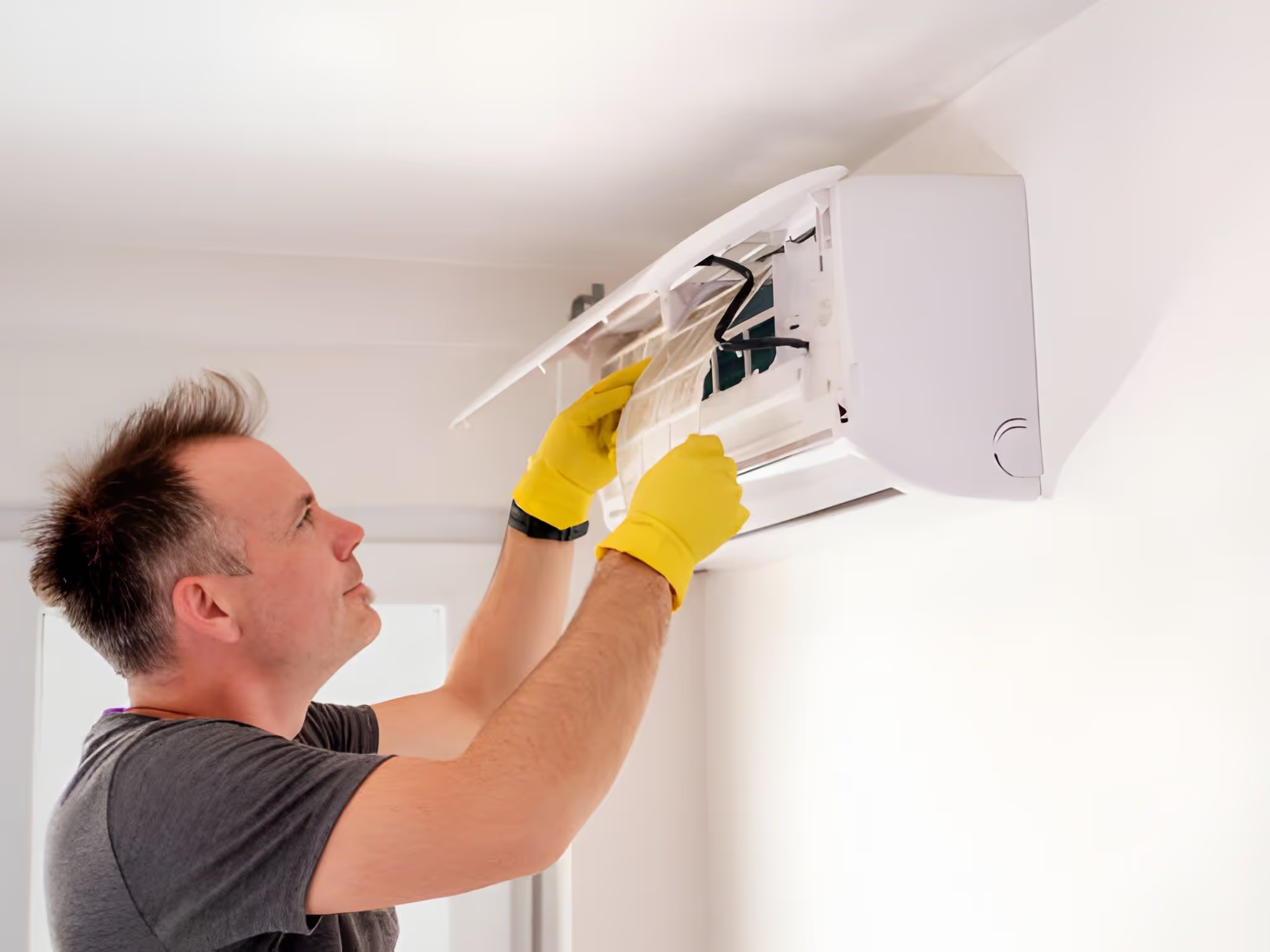
- Measure supply and return airflow, verify filter condition, and inspect coil cleanliness with a flashlight or boroscope.
- Confirm proper condensate drainage and trap condition.
- Operational testing
- Run the system through heating and cooling cycles while monitoring temperatures, sound, and pressures.
- Capture error codes and cross reference with manufacturer troubleshooting guides.
- Report and options
- Provide a clear written diagnostic report outlining findings, recommended repairs or parts, and expected time to restore service.
This disciplined approach allows our technicians to fix the root cause rather than mask symptoms, which reduces repeat visits and protects system life.
Repair solutions explained in plain language
When we determine the issue, repairs follow best-practice methods appropriate to the component and system condition. Common repair solutions include:
- Fixing refrigerant leaks
- Locate leak, repair or replace affected tubing or fittings using proper brazing techniques, evacuate and vacuum system to remove moisture, then recover and recharge refrigerant to specification. For older R-22 systems we discuss compatible retrofit options with owners.
- Compressor repair or replacement
- Compressors are the heart of a Mini Split. Depending on the diagnosis and system age, we will recommend compressor replacement using a matched compressor and factory parts whenever possible. In some cases, compressor replacement requires coordinating multiple-day work due to parts sourcing and vacuuming procedures.
- Replacing inverter boards and electronics
- Faulty control boards or inverter modules are replaced with OEM or manufacturer-approved parts and installed in weather-protected enclosures. We verify firmware compatibility and run full system checks after replacement.
- Motor and fan repairs
- Indoor or outdoor fan motors that are noisy, failing to start, or drawing excessive current are replaced with matched motors. We balance fans and verify clearances to reduce vibration.
- Drain and condensate troubleshooting
- Clogged condensate lines are cleared, and condensate pumps are serviced or replaced. We correct slope and trap issues to prevent future water damage.
- Sensor and thermostat replacement
- Temperature sensors and remotes that miscommunicate or drift are replaced and calibrated. We test communication links and reset control boards if needed.
- Air handler cleaning and maintenance
- Thorough coil cleaning, filter replacement, and louver cleaning restore airflow and heat transfer performance. We document the condition and recommend a maintenance schedule.
Throughout repairs, Everest Air Heating and Cooling adheres to safety and refrigerant handling rules, including recovery and disposal procedures required by EPA. We keep you informed about why a repair is necessary and what to expect after work is completed.
Parts replacement practices and warranty considerations
Everest Air follows disciplined parts replacement practices to ensure reliability and avoid premature failures:
- Preference for OEM or manufacturer-approved parts when available. OEM parts preserve system compatibility and manufacturer warranties.
- Where OEM parts are obsolete, we source high-quality, approved alternatives and disclose options so you can decide based on budget and longevity.
- Proper sizing and matching. When replacing compressors, outdoor fans, or line sets, we match electrical characteristics and refrigerant type to maintain efficiency and avoid damage to components.
- Clean installation practices: proper brazing, nitrogen purge during brazing to avoid oxidation, vacuum drying to remove moisture, and pressure testing to verify integrity.
- Documentation: all parts replaced are logged on the service invoice including part numbers and serials, so warranty claims remain straightforward.
- Recommendations about warranties: many manufacturers offer parts warranties that vary by component and age. We note remaining warranty coverage if applicable and explain what is and is not covered.
These practices reduce the likelihood of repeat breakdowns and make future service smoother.
Emergency repair response in Tallassee
Certain failures require immediate attention to protect property and health. Everest Air provides emergency Mini Split triage in Tallassee that includes:
- Rapid assessment of safety risks such as electrical burning smells, smoke, or refrigerant odor.
- Short-term remedies to restore safe operation, such as isolating power, installing temporary fans or heaters, and clearing condensate leaks to prevent water damage.
- Priority scheduling for critical failures during extreme weather to restore comfort quickly.
- Clear communication about next steps, parts lead times, and any temporary measures in place.
Typical emergency scenarios where rapid action matters include compressor lockup during a heat wave, refrigerant leaks that cause loss of heating in winter, or a failed indoor unit that is creating water damage. Our technicians arrive prepared for diagnostics and to implement temporary measures if a full repair requires parts that need to be ordered.
Expected turnaround times
Turnaround times vary by problem severity, parts availability, and seasonal demand. Typical expectations in Tallassee are:
- Diagnostic visit
- Often completed the same day or within 24 to 48 hours depending on scheduling and weather conditions.
- Minor repairs
- Filter changes, fan motor swaps, drain clearing, sensor replacements, and simple electrical fixes are frequently completed the same day as the diagnostic visit.
- Parts replacement requiring shipped components
- Common components like control boards, fan motors, and certain compressors may be available within 1 to 3 business days. We provide an estimate at diagnosis.
- Major compressor or outdoor unit replacements
- These jobs can require 2 to 5 business days to coordinate parts, refrigerant handling, and multi-technician labor. We stage work to minimize downtime.
- Seasonal impact
- During peak cooling season, lead times for specialty parts can increase. Tallassee homeowners should be aware that ordering time may be longer during heat waves.
Everest Air will provide a written timeline at the time of diagnosis. We prioritize safety and proper procedures over rushing work that risks future failure.
How we approach the repair vs replace question
Deciding whether to repair a Mini Split or replace it depends on several practical factors:
- Age of the system
- Systems older than 8 to 12 years, especially those using phased-out refrigerants, may be better candidates for replacement if major components fail.
- Cost of repair relative to remaining life
- If a repair costs a large percentage of replacement and the system is old, replacement often makes financial sense.
- Energy efficiency and performance
- A failing inverter or compressor may lead to high energy bills. Newer units often pay back energy savings over time.
- Availability of parts and refrigerant
- If parts are obsolete or R-22 refrigerant is required, replacement could be the responsible choice.
- Overall system condition and comfort goals
- For systems in good shape besides one failed component, targeted repair is often the best path.
Everest Air provides transparent, data-driven recommendations including estimated remaining life, efficiency tradeoffs, and expected costs associated with each option so you can make an informed decision for your Tallassee home.
Preventative recommendations to avoid repeat issues
Preventing future breakdowns is often the most economical strategy. Recommended maintenance and homeowner practices include:
- Regular filter cleaning or replacement every 1 to 3 months depending on use and indoor air quality.
- Annual professional Tune-Up before peak cooling season and again before winter if you use heat pump mode.
- Keep outdoor unit clear of debris, vegetation, and outdoor storage. Maintain at least 24 inches of clearance on the sides and 60 inches above the unit when possible.
- Ensure indoor units have clear airflow, no blocked furniture, and that louvers move freely.
- Flush condensate lines during maintenance to prevent clogs and algae buildup.
- Use a high-quality surge protector or whole-home surge protection to reduce risk to inverter electronics during thunderstorms and power events, which are common in the region.
- Enroll in a preventive maintenance plan such as the Y.E.T.I Comfort Plan to ensure scheduled inspections, priority scheduling, and reduced likelihood of emergency failures.
Following these steps extends equipment life, maintains comfort consistency, and preserves energy efficiency.
What to expect when Everest Air technicians arrive
Everest Air Heating and Cooling brings a professional, customer-focused approach to every repair visit:
- Punctual, trained technicians in uniform who perform a safe visual inspection upon arrival.
- A clear review of observed symptoms and any homeowner-reported history.
- A documented diagnostic report and explanation of findings in plain language, including photos of damaged components when helpful.
- Transparent recommendations for repair versus replacement, and clear information about parts needed and expected timeline.
- Clean work habits: protection for floors and furniture, and full cleanup when the job is complete.
- Post-service verification: we run the system through cycles to confirm proper operation and leave you with an explanation of any preventive steps.
Everest Air is family-owned and locally based, with technicians who understand Tallassee homes and the local environmental factors that affect Mini Split performance.
FAQs
Q: How quickly can you diagnose a Mini Split problem in Tallassee?
A: Most diagnostic visits are completed the same day or within 24 to 48 hours, depending on scheduling and weather. The on-site diagnostic typically takes 30 to 90 minutes depending on system complexity.
Q: Will you use manufacturer parts for repairs?
A: We prefer OEM or manufacturer-approved parts for reliability and warranty compliance. When OEM parts are obsolete, we discuss high-quality, approved alternatives.
Q: What causes a Mini Split to freeze up and how is it fixed?
A: Freeze-ups are often caused by low refrigerant, restricted airflow from dirty filters or coils, or failed metering devices. Fix involves addressing airflow, checking and repairing leaks, and ensuring correct refrigerant charge and metering.
Q: Can a compressor be replaced, or do I need a whole new system?
A: Compressors can be replaced in many systems, but the recommendation depends on system age, cost of the compressor, and refrigerant type. We provide an objective assessment to help you choose.
Q: Do you offer maintenance plans to prevent repairs?
A: Everest Air provides preventive maintenance options that include seasonal checkups, priority scheduling, and documented inspections to reduce the chance of emergency breakdowns.
Q: Are Mini Split electronic failures covered under warranty?
A: Coverage depends on the original manufacturer warranty, the age of the unit, and whether previous service used OEM parts. We document anything covered and assist in warranty claims when applicable.
Q: What temporary measures do you provide during emergency calls?
A: For emergencies, we may isolate power, clear drainage to prevent water damage, provide temporary fans or heaters, and stabilize the system until permanent parts arrive.
Q: How often should I have my Mini Split serviced?
A: At minimum, an annual professional inspection is recommended, with filter checks every 1 to 3 months. In Tallassee, seasonal service before heavy summer use and before winter heat pump use is especially beneficial.
Everest Air Heating and Cooling applies local knowledge, technical rigor, and a homeowner-friendly approach to every Mini Split repair in Tallassee, TN. By focusing on accurate diagnostics, quality parts, and preventative care, we ensure your system provides reliable, efficient comfort when you need it most.
hear what our satisfied clients have to say

David P.
Service areas