

Mini Split AC in Tallassee, TN
For Tallassee, TN homeowners, Mini Split AC systems are truly an ideal solution when you need efficient, quiet, and flexible cooling without the hassle or expense of ductwork. Maybe you're finishing a basement, cooling an addition, improving comfort in an older home with limited duct access, or just want precise room-by-room temperature control. Whatever your needs, ductless Mini Splits deliver targeted comfort and impressive energy savings – especially when specified and installed correctly. At Everest Air Heating and Cooling, we bring practical, local experience to installing and servicing Mini Split systems that are perfectly tailored to East Tennessee's unique climate conditions and diverse home styles.
.avif)
Why a Mini Split makes sense in Tallassee, TN
Tallassee experiences humid, warm summers and mild winters. High humidity and daily temperature swings increase the demand for reliable dehumidification and precise temperature control. Ductless Mini Splits are well suited to this environment for several reasons:
- Zoning capability reduces overcooling and keeps humidity under control in occupied rooms.
- Inverter-driven compressors modulate capacity to match load, improving comfort and lowering runtime during high humidity periods.
- Easy installation in homes without existing ducts - common in older Tallassee neighborhoods - avoids invasive remodeling.
- Quiet indoor operation is well suited for bedrooms, home offices, and living areas.
- Many Mini Splits also provide efficient heat pump heating for shoulder seasons, extending comfort while reducing reliance on central systems or electric resistance heat.
Everest Air Heating and Cooling understands how local factors such as home orientation, attic insulation, shaded versus sun-exposed rooms, and Tallassee humidity affect system selection and setup.
Key benefits of ductless Mini Split systems
- Zoning and personalization - Set different temperatures in each room or zone for improved comfort and reduced waste.
- Higher efficiency - Modern variable-speed compressors and precise control reduce energy consumption compared to oversized central systems.
- Quiet operation - Indoor air handlers run at low sound levels, suitable for living spaces and bedrooms.
- Minimal disruption - Wall-mounted, floor-mounted, or ceiling cassette indoor units require only a small penetration for refrigerant and condensate lines.
- Improved indoor air quality - Zoned control and washable filters reduce dust circulation and allow targeted ventilation strategies.
- Flexibility - Ideal for additions, converted attics, garages, sunrooms, and homes without ductwork.
Choosing the right capacity and indoor unit layout
Selecting the correct capacity and layout is critical for performance. Undersized units struggle to dehumidify and reach temperature; oversized units short-cycle and fail to remove humidity properly. Everest Air Heating and Cooling recommends a professional load calculation for every installation, but here are practical guidelines homeowners can use to understand options:
- Room sizing basics - Cooling load depends on square footage, ceiling height, window area and orientation, insulation levels, number of occupants, and heat-producing appliances or lighting. As a rough reference, modern Mini Split systems are available from about 6,000 BTU up to 36,000 BTU per outdoor unit, commonly configured as single-zone or multi-zone systems.
- Single-zone versus multi-zone - A single-zone system serves one indoor unit. Multi-zone systems connect two or more indoor units to a single outdoor compressor, suited for whole-house or multi-room coverage while maintaining independent controls.
- Air handler placement - Wall-mounted units are most common and efficient when placed high on the wall, away from direct sunlight and not blocked by furniture. Floor-mounted units are an option for rooms with low walls or large windows. Ceiling cassettes provide even distribution for open floor plans.
- Line length and elevation - Consider the distance between indoor and outdoor units. Long line sets can increase installation complexity and require additional refrigerant and precise pressure testing.
- Future expansion - If you plan to add conditioned spaces later, discuss multi-zone outdoor unit options that allow additional indoor heads to be added.
A professional technician will balance these considerations and provide a layout plan that optimizes airflow, refrigerant piping, and service access.
Common system components and controls explained
Understanding the parts helps homeowners spot issues and understand recommendations:
- Outdoor unit (compressor/condenser) - Compresses refrigerant and exchanges heat. Modern systems use inverter-driven compressors for variable capacity.
- Indoor air handlers (heads) - Contain the evaporator coil, fan, and filters. These are mounted on walls, floors, or ceilings.
- Refrigerant lines - Insulated copper tubing that carries refrigerant between indoor and outdoor units.
- Condensate drain - Removes moisture condensed by the indoor coil; some installations use gravity drainage, others require a condensate pump.
- Controls - Remote controls, wall-mounted thermostats, or centralized controllers manage modes, temperatures, fan speed, and scheduling. Smart controls and Wi-Fi interfaces are common.
- Filters and washable media - Capture dust and particulates; some systems support higher-efficiency filters or MERV-rated options.
- Electrical disconnect and breakers - Dedicated circuit sizing and disconnects are necessary for safety and code compliance.
Everest Air Heating and Cooling can review component options and explain tradeoffs for reliability, servicing, and future upgrades.
Typical installation considerations in Tallassee
Installing a Mini Split involves more than mounting an indoor head and connecting refrigerant. Local climate and home construction styles in Tallassee affect installation choices:
- Permits and code compliance - Local building codes may require permits, specific electrical connections, and approved condensate handling methods. Proper permitting avoids future compliance issues.
- Electrical capacity - New outdoor units require dedicated circuits and may need panel upgrades. Verify the home electrical service can support the new load.
- Line set routing - Plan runs to minimize visible piping while maintaining service access. Exterior runs should be protected from sunlight and insulated to prevent condensation.
- Outdoor unit location - Choose a location on a level pad with adequate airflow and clearance from landscaping. Consider noise and neighbor proximity; quieter models and rubber mounting pads reduce vibration.
- Drainage and humidity - Tallassee humidity means condensate volumes can be significant. Ensure drains are routed to approved locations and consider condensate pumps for indoor installations below grade.
- Cold weather considerations - While winters are moderate, occasional freezing can affect defrost cycles and condensate lines. Proper insulation and correct slope on drain lines prevent freeze-related issues.
- Historic or old homes - Many Tallassee homes have limited wall cavity depth or plaster walls. Choose low-profile units or ceiling cassettes and carefully plan wall penetrations to preserve structure.
A careful pre-installation inspection by an experienced installer, like technicians from Everest Air Heating and Cooling, prevents common pitfalls and ensures long-term performance.
Warranty, registration, and what to expect
Manufacturer warranties typically cover parts for a set period and may include longer coverage for compressors. Labor warranties vary by installer. For homeowners:
- Confirm manufacturer warranty length and what is covered - compressors, parts, and refrigerant components are often treated separately.
- Register the system after installation - Many manufacturers require registration for full warranty benefits.
- Ask about installer labor warranty - Reputable installers provide a workmanship guarantee for a set period.
- Keep documentation - Retain copy of installation paperwork, serial numbers, and maintenance records for warranty claims.
Everest Air Heating and Cooling recommends registering equipment and keeping annual service records to preserve warranty eligibility and resale value.
Energy-saving tips for Tallassee homeowners
Maximizing efficiency reduces utility bills and increases comfort:
- Use zoning - Only condition occupied rooms. Set unoccupied zones to higher setpoints.
- Set sensible temperatures - In cooling season, each degree higher can save energy. Use programmable schedules to align with occupancy.
- Maintain filters and coils - Dirty filters and clogged coils reduce airflow and efficiency. Clean or replace filters monthly when usage is high.
- Use timed schedules and occupancy sensors - Automatic setback during unoccupied hours cuts runtime.
- Improve building envelope - Add attic insulation, seal windows and doors, and use shading or window film to reduce solar heat gain in sun-facing rooms.
- Coordinate with ceiling fans - Fans allow comfortable setpoints a few degrees higher while maintaining perceived comfort.
- Verify refrigerant charge and airflow - A properly charged and ventilated system runs more efficiently; undercharge, overcharge, or restricted airflow reduces performance.
Routine maintenance and correct setup are essential, particularly given Tallassee humidity where dehumidification is a key comfort driver.
Troubleshooting common Mini Split performance issues
Many problems are straightforward to diagnose; others require professional service. Below are common issues and practical steps to evaluate them:
- Not cooling or limited cooling
- Check that indoor unit is on the correct mode and temperature setting.
- Verify filters are clean and airflow is not obstructed.
- Inspect outdoor unit for debris or ice accumulation.
- If the outdoor unit is running but the indoor coil is freezing or the compressor cycles frequently, suspect refrigerant or airflow issues. Professional diagnosis is recommended.
- Short cycling (frequent on-off cycles)
- Oversized units, thermostat placement, or electrical issues can cause short cycling.
- Ensure setpoints are not changing frequently and check for airflow restrictions.
- Poor airflow from indoor unit
- Clean or replace washable filters and ensure vents and grilles are not blocked.
- Inspect indoor blower operation; weak fan speed can indicate motor or control issues.
- Ice on the indoor coil or refrigerant lines
- Typically caused by low refrigerant charge or restricted airflow.
- Turn the system off to allow thawing and contact a technician for leak checking and recharging.
- Excessive noise or vibration
- Check that wall brackets are secure and that the outdoor unit sits on a stable pad.
- Loose panels or worn fan motors produce noise and should be inspected by a professional.
- High energy bills after installation
- Confirm correct system sizing and ensure refrigerant charge and airflow are correct.
- Review thermostat settings and usage patterns; zoning and scheduling adjustments often correct inefficiencies.
When in doubt, consult a trained technician to avoid causing further damage.
When to repair versus when to replace
Knowing whether to repair or replace a Mini Split depends on several factors. Consider replacement when:
- The compressor has failed - Compressor replacement is costly and often approaches the value of a replacement outdoor unit.
- The system has repeated refrigerant leaks - Chronic leaks indicate underlying issues with piping or corrosion and may justify replacement.
- The unit has reached the end of its expected life - Typical lifespans are 10 to 15 years depending on usage, maintenance, and model quality.
- Efficiency is poor - Newer Mini Splits with advanced inverter technology can deliver substantial energy savings compared to older models.
- Frequent, costly repairs are required - When annual repair costs approach a significant percentage of a new system cost, replacement becomes economical.
- Refrigerant type constraints - Older systems using phased-out refrigerants may be expensive to service and difficult to recharge.
Repair is appropriate when issues are isolated, the system is relatively new, warranties apply, or a single component failed. Everest Air Heating and Cooling evaluates system age, repair history, and performance to recommend the most cost-effective option.
Maintenance checklist for reliable performance
A simple seasonal checklist keeps Mini Splits running efficiently:
- Clean or replace filters monthly during heavy use.
- Inspect indoor coils and remove dust buildup.
- Clean outdoor coil and remove vegetation or debris from around the unit.
- Check condensate drain lines for clogs and proper slope; verify condensate pump operation if present.
- Confirm electrical connections are tight and controls operate correctly.
- Verify refrigerant charge and inspect for visible signs of leaks.
- Test defrost cycles in winter months for heat pump models.
- Lubricate moving parts if specified by the manufacturer.
- Document service tasks and dates to support warranties.
Annual professional Tune-Ups include more in-depth checks and preventative servicing that protect performance in Tallassee’s humid summers.
Expected energy performance and comfort outcomes
When correctly sized and installed, Mini Split systems typically deliver better zone control and can reduce cooling loads compared to improperly sized central systems. Typical outcomes include:
- Enhanced comfort in targeted spaces by eliminating hot and cold spots.
- Lower energy consumption for conditioned areas due to zoning and inverter-driven modulation.
- Improved dehumidification when the system operates with appropriate cycle times.
- Reduced noise in living spaces thanks to quiet indoor units.
Actual savings depend on home insulation, occupant behavior, and system quality. Everest Air Heating and Cooling evaluates these variables as part of system design to optimize long-term performance.
Working with a professional installer
Proper specification and installation are as important as product selection. A qualified installer will:
- Perform a full load calculation and determine proper sizing.
- Recommend indoor unit types and optimal placement for each zone.
- Ensure correct refrigerant charging and leak testing.
- Install electrical components per code and verify disconnects and breakers.
- Provide start-up checks, user training on controls, and documentation for warranty registration.
Everest Air Heating and Cooling offers experienced technicians familiar with Tallassee home construction and the local climate, ensuring systems are installed for reliability and optimal comfort.
Frequently Asked Questions
Q: How do I know if a Mini Split can cool my entire home?
A: A full-home Mini Split is possible with a multi-zone system, but proper load calculations and zone design are required. Many homes are better served with a combination of systems or targeted Mini Splits for problem areas.
Q: Will a Mini Split help with humidity in Tallassee?
A: Yes. Mini Splits with inverter compressors run longer at lower speeds, which improves dehumidification compared to oversized systems that short-cycle. Proper sizing and airflow are key to effective humidity control.
Q: How long does a Mini Split installation take?
A: Typical single-zone installations can often be completed in a day, while multi-zone or complex installs may take multiple days depending on line set routing and electrical work.
Q: Do Mini Splits require a lot of maintenance?
A: Routine maintenance is straightforward: clean or replace filters, keep outdoor unit clear of debris, and schedule an annual professional check. These steps maintain efficiency and prolong system life.
Q: Can Mini Splits heat as well as cool?
A: Many Mini Split systems are heat pumps and provide efficient heating during fall and spring. Performance in very cold weather depends on the model; cold-climate Mini Splits perform better at lower temperatures.
Q: What causes ice to form on my indoor unit?
A: Ice typically indicates restricted airflow or low refrigerant charge. Turn the system off to let it thaw and arrange for a qualified technician to inspect and repair the underlying issue.
Q: Are there noise concerns with outdoor units in close neighborhoods?
A: Modern outdoor units are designed to be quieter. Proper placement, vibration isolation pads, and selecting low-noise models reduce neighborhood impact.
Q: How long do Mini Split systems last?
A: With regular maintenance, most Mini Splits last 10 to 15 years. Lifespan depends on usage, maintenance, and installation quality.
hear what our satisfied clients have to say

David P.
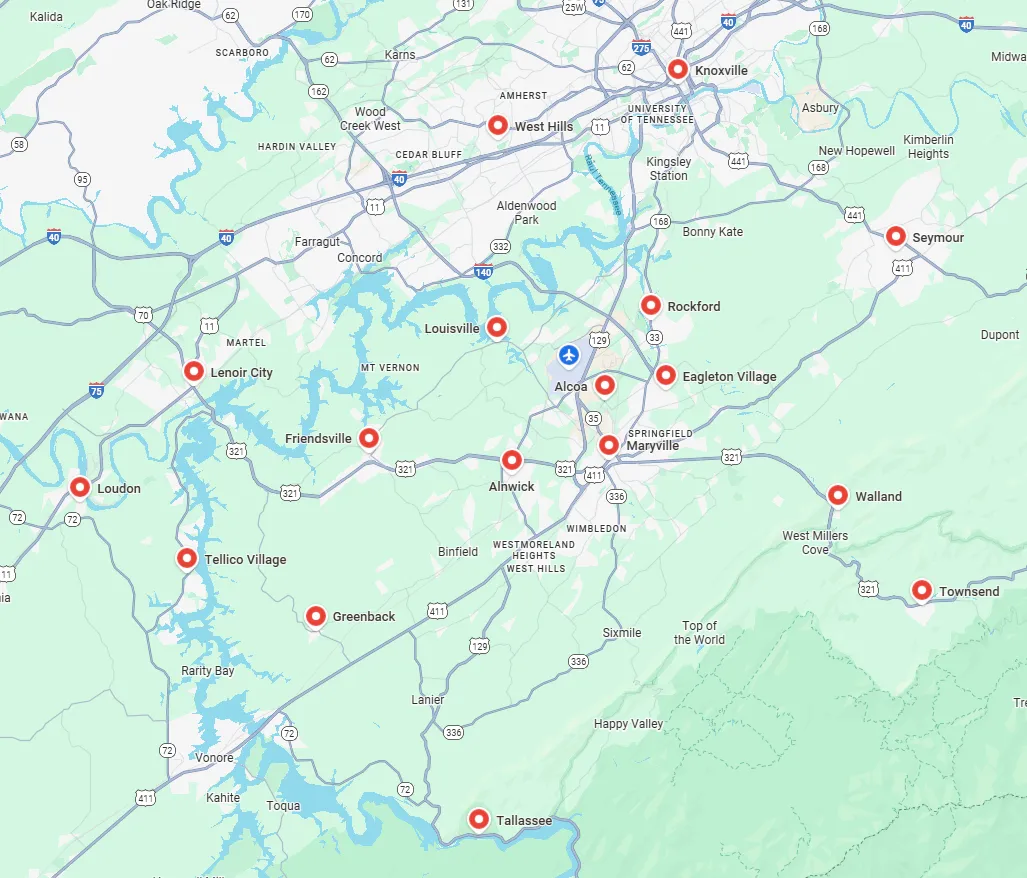
Service areas