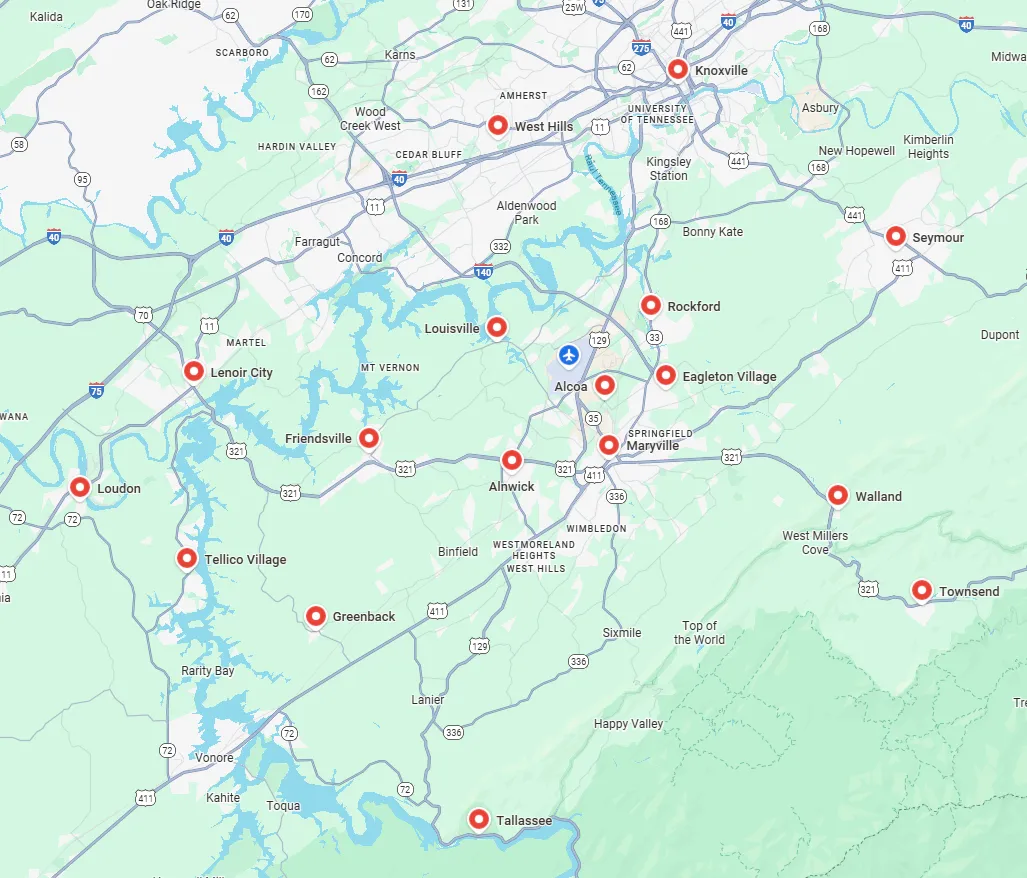


Mini Split Installation in Townsend, TN
For Townsend, TN homes where central ductwork just isn't practical, or when you simply need precise temperature control, a ductless Mini Split system stands out as one of the most effective solutions. Here at Everest Air Heating and Cooling, we specialize in professional Mini Split installation in Townsend, TN. We're dedicated to delivering quiet, efficient heating and cooling, whether it's for a single room, a new addition, a charming historic cabin, or even a whole-house zoned system. We'll walk you through our complete installation process, covering everything from what to expect when we're on-site and your placement options, to the technical work involved, necessary permits and code considerations, thorough commissioning and testing, and even details on warranty coverage and the scheduling and financing options local homeowners often utilize with Everest Air Heating and Cooling.
.avif)
Why a Mini Split makes sense in Townsend, TN
- Townsend homes are often close to the Great Smoky Mountains, where many properties are older, have limited or no ductwork, or include seasonal cabins and additions. Mini Splits avoid invasive ductwork and preserve original architecture.
- Summers in East Tennessee bring high humidity and warm temperatures. Mini Splits provide efficient cooling with high SEER performance and precise dehumidification for improved indoor comfort.
- Winters are typically mild to cold, and many homeowners prefer zoned supplemental heat rather than relying on an oversized central furnace. Mini Splits deliver reliable heat without the need for extensive modifications.
- Noise sensitivity in quiet residential neighborhoods and vacation rental properties makes the low operating sound levels of modern Mini Splits especially attractive.
Common Mini Split use cases and issues in Townsend, TN
- Single-room comfort: living rooms, master suites, sunrooms, or basements that are difficult or expensive to tie into existing ductwork.
- Additions and remodeled spaces: finished attics, garage conversions, and enclosed porches where new ducts would be impractical.
- Historic homes and cabins: preserving original interiors without cutting walls for ducts.
- Multi-zone heating and cooling: independent temperature control for different rooms, reducing energy waste.
- Common installation concerns in Townsend homes include tight crawlspaces, slab or stone foundations, limited outdoor condenser locations due to steep grades, and the need to route line-sets discretely in older construction.
On-site assessment and load calculation
A careful on-site assessment is the foundation of a successful Mini Split installation. Everest Air Heating and Cooling follows a structured evaluation to determine the right system size and configuration.
Key assessment steps:
- Inspect the space: measure room dimensions, ceiling heights, window sizes and orientations, insulation levels, and occupancy patterns. In Townsend, south-facing rooms near the mountains can get intense afternoon sun that affects load.
- Identify heat sources and losses: check for uninsulated walls, old windows, and infiltration points that influence heating and cooling demand.
- Perform Manual J load calculation: a precise Manual J is used to calculate heat loss and gain for each zone. This avoids oversizing or undersizing, which are common causes of poor comfort and increased energy use.
- Evaluate electrical capacity and location constraints: confirm the home service panel has the necessary capacity for outdoor condenser circuits and identify a practical path for line-sets.
- Discuss preferences: determine desired indoor unit style (wall-mounted, floor-mounted, or ceiling cassette), zoning preferences, and any aesthetic or access requirements.
Indoor and outdoor unit placement options
Choosing the right locations for indoor and outdoor units balances performance, appearance, and accessibility.
Indoor unit types and placement considerations:
- Wall-mounted units: the most common choice. Best mounted high on an interior wall for even air distribution. In Townsend homes, choose walls protected from direct sun to avoid heat soak.
- Floor-mounted units: useful in rooms with low walls, sloped ceilings, or for improved comfort in elderly-occupied spaces where downward airflow is preferred.
- Ceiling cassette units: ideal for open-plan rooms and commercial spaces, delivering 360-degree airflow. Requires a drop ceiling or attic access.
- Concealed ducted indoor units: allow discreet installation with a small internal duct for multiple grilles. Suitable for homeowners who want hidden equipment.
Outdoor unit placement:
- Select a level, well-ventilated spot with clearance for airflow and maintenance access. Avoid placing condensers in enclosed spaces that restrict heat rejection.
- In Townsend, landscape and grade can be challenging. Mounting pads may be installed on level ground, on brackets to clear steep slopes, or on an elevated platform to reduce debris and snow accumulation.
- Consider noise and neighbor proximity for outdoor unit location, as well as visual impact. Modern units are generally quiet, but placement still matters.
Line-set, refrigerant, and electrical work
Mini Split installation involves a combination of refrigeration and electrical work performed by licensed technicians.
Line-set and refrigerant work:
- Run a copper line-set (liquid and suction lines), power conduit, and a condensate drain between each indoor unit and the outdoor condenser. Line-set lengths are minimized to optimize efficiency; long runs may require larger capacity equipment or special refrigerant charging procedures.
- Proper insulation of suction lines and secure fasteners prevent condensation and energy loss. In Townsend’s humid climate, correct insulation is critical to prevent sweating and water damage.
- Modern Mini Splits use factory-charged refrigerant for standard line lengths. For runs beyond the manufacturer’s included length, precise refrigerant charging and vacuuming are required to ensure optimal operation.
- Leak testing and evacuation using a vacuum pump confirm system integrity before charging to the specified refrigerant pressure.
Electrical work and safety:
- Install a dedicated disconnect and branch circuit per the condenser manufacturer and local electrical code. Verify the home electrical service has capacity for the new load.
- Connect control wiring and verify communication between indoor and outdoor units in multi-zone systems.
- Ensure all electrical work is performed to local code standards, including proper grounding and GFCI protection where required.
Timelines and what to expect during installation
A clear timeline helps homeowners plan around the installation process.
Typical installation timeline phases:
- Pre-install inspection and planning: initial visit for load calculation and site assessment, often same day or within a few days.
- Permits and scheduling: permit processing time varies by jurisdiction; allow time for municipal reviews if required.
- Installation day(s): depending on system complexity, single-zone installs may be completed in one day, while multi-zone systems or projects with structural modifications can take several days to a week.
- Commissioning and testing: final testing and owner walkthrough typically occur the day installation finishes.
Day-of-installation expectations:
- Technicians will protect floors and interior during work, mark routes for line-sets, install mounting hardware for indoor units, and set up the outdoor condenser on a level pad or bracket.
- Most homes will have small penetrations through a wall for the line-set and drain; technicians will seal these penetrations with appropriate weatherproofing and insulation.
- Clean-up is performed each day, and technicians will test each indoor unit and the outdoor condenser before leaving.
Permit considerations and local code notes
Permits protect homeowners and ensure installations meet safety and performance standards.
Permitting basics:
- In most Tennessee municipalities, electrical and HVAC permits are required for Mini Split installations. Permit requirements vary by county and city, so verifying local jurisdiction rules is essential.
- Permits typically require plan submissions showing unit locations, electrical circuit size, and equipment specifications. Inspections may be scheduled for rough-in and final connections.
- Homeowners should expect an installer or the installing company to pull permits on their behalf, unless they prefer to do it themselves. Everest Air Heating and Cooling routinely handles permit submission and coordinates inspectors as part of a standard installation process.
Local code and environmental considerations:
- Compliance with state and local electrical codes, building codes, and refrigerant handling regulations is mandatory. Technicians must hold EPA certification for refrigerant handling.
- Setbacks from property lines, noise ordinances, and aesthetic guidelines for historic districts can affect condenser placement. In Townsend, some neighborhoods near the park may have special considerations for exterior equipment visibility.
Post-installation testing and commissioning
Proper commissioning ensures the system operates to manufacturer specifications and delivers intended comfort and efficiency.
Commissioning checklist:
- Perform leak test and refrigerant verification: confirm correct pressure and charge after the system has stabilized.
- Test electrical connections and protective devices: verify voltage, amperage, and proper operation of breakers and disconnects.
- Check airflow and temperature differentials: ensure indoor units produce the expected flow and temperature change.
- Confirm condensate drainage: verify the drain is properly sloped and free-flowing, and that the condensate management prevents interior water issues.
- Program controls and remote interfaces: set up remote controls, Wi-Fi connectivity if available, and initial zoning or schedule preferences.
- Walkthrough with homeowner: explain operation, basic maintenance, filters, and warranty registration. Provide documentation for installed equipment and service recommendations.
Warranty information and manufacturer coverage
Understanding warranty terms protects the homeowner’s investment and sets expectations for long-term reliability.
Typical warranty components:
- Manufacturer limited warranty: most reputable Mini Split manufacturers provide multi-year warranties for compressors and parts. Coverage terms vary by brand and model.
- Labor warranty: Everest Air Heating and Cooling provides a workmanship warranty for installation-related defects for a specified period. Labor warranty periods differ and are documented at the time of installation.
- Warranty registration: many manufacturer warranties require registration after installation to maintain full coverage. Technicians will often assist with or advise on registration procedures.
- Service and extended warranty options: optional extended warranties or maintenance plans can extend peace of mind and may be available through the installer.
Scheduling and financing options
Scheduling and financial planning make installations easier for homeowners.
Scheduling:
- Install timing depends on system complexity, permit turnaround, and seasonal demand. Summer and early fall are peak times for cooling installations, which can extend lead times.
- Multi-zone systems and jobs that require structural modification or electrical upgrading may require additional scheduling coordination with subcontractors.
Financing:
- Many homeowners prefer financing to spread the cost over months or years. Common financing structures include low-interest loans, HVAC-specific financing plans, or deferred payment options offered through third-party lenders.
- Financing eligibility typically requires a credit check and completed application. Everest Air Heating and Cooling can explain typical financing pathways and documentation needed, and can coordinate options that manufacturers or lenders offer for qualified applicants.
- Maintenance plans and energy rebate information: while not direct financing, enrolling in a maintenance plan helps protect efficiency and may help qualify for manufacturer promotions or utility energy efficiency rebate programs when available.
Maintenance and aftercare best practices
Routine maintenance maximizes efficiency and longevity of ductless systems, especially in humid climates like Townsend.
Recommended maintenance tasks:
- Clean or replace filters monthly or per manufacturer guidance. In humid months with pollen and higher dust loads, filters may need more frequent attention.
- Inspect outdoor condenser for debris, leaves, and vegetation; keep at least 18 inches of clearance for airflow.
- Schedule annual professional checkups: a technician should inspect refrigerant charge, electrical connections, condensate drain, and perform a performance Tune-Up annually, ideally before major cooling or heating seasons.
- Monitor for unusual noises, reduced airflow, or decreased comfort and arrange a service inspection when issues appear.
Benefits of professional installation by Everest Air Heating and Cooling
- Proper sizing and placement: precise Manual J calculations and on-site experience reduce oversizing and undersizing risks.
- Licensed refrigeration and electrical work: safe handling of refrigerants and compliant electrical connections protect the system and your home.
- Local knowledge: familiarity with Townsend building styles, climate impacts, and permitting processes helps avoid delays and retrofit surprises.
- Workmanship standards: Everest Air Heating and Cooling follows professional installation practices to protect your home and the longevity of the system.
How performance is measured after installation
- Efficiency: system COP (coefficient of performance) and SEER ratings indicate expected efficiency; commissioning verifies real-world performance.
- Comfort: temperature stability and humidity control across zones demonstrate proper system sizing and airflow.
- Reliability: proper refrigerant charge, electrical integrity, and condensate handling are indicators of a successful installation.
Common questions Townsend homeowners ask about Mini Split installations
Q: Are Mini Splits noisy?
A: Modern Mini Split indoor units operate quietly, often comparable to a whisper, and outdoor units are engineered for low sound. Proper placement further reduces perceived noise.
Q: Can a Mini Split heat as well as cool?
A: Yes, most ductless Mini Split systems offer efficient heating via heat pump technology and perform well in Townsend’s climate where winters are not extremely cold.
Q: Will the line-set damage walls or aesthetics?
A: Technicians install line-sets through minimal penetrations and can conceal them with paintable raceways or routing that preserves the home’s appearance. For historic homes, alternative routing and concealed installations can be planned.
Q: How long will an installation take?
A: Single-zone installs can often be completed in a day. Multi-zone or complex retrofits take longer; precise timelines are provided after the on-site assessment and permit review.
Q: Do Mini Splits reduce humidity?
A: Yes, Mini Splits remove moisture during cooling cycles, improving comfort through effective dehumidification.
hear what our satisfied clients have to say

David P.
Service areas