

Mini Split AC in Townsend, TN
For homes in Townsend, TN, ductless Mini Split AC systems are a smart way to get precise, efficient cooling and heating. Are you finishing a basement, converting an attic, adding a sunroom, or perhaps looking to avoid costly ductwork in your charming older mountain cabin? A Mini Split delivers wonderful zoned comfort without any invasive construction. Everest Air Heating and Cooling is proud to bring local expertise to Mini Split selection, professional installation, and ongoing care, ensuring your Townsend home stays perfectly comfortable and efficient all year long.
.avif)
Why a Mini Split makes sense in Townsend, TN
Townsend experiences humid summers and mild winters with seasonal swings that place different demands on cooling and heating. Many homes near the Great Smoky Mountains are older, have limited or aging ductwork, or include additions and outbuildings where extending central HVAC is costly or impractical. A ductless Mini Split:
- Delivers zoned temperature control so you only condition occupied spaces, reducing energy use.
- Avoids duct losses and the need to modify historic or compact homes.
- Offers efficient inverter-driven compressors that adapt to load changes, improving comfort and lowering utility bills during hot, humid summers.
- Provides heat pump capability for supplemental heat in shoulder seasons and milder winter days, useful for Townsend's variable temperatures.
Everest Air Heating and Cooling understands local building types, humidity challenges, and the need for reliable performance when seasonal weather shifts occur. That local perspective informs system choice and installation placement for long term satisfaction.
Common applications for Mini Split AC in Townsend homes
Mini Split systems are versatile and used in many scenarios common in Townsend and surrounding areas:
- Single room cooling for bedrooms, home offices, or media rooms.
- Additions, sunrooms, and enclosed porches where connecting to existing ductwork is impractical.
- Basements and finished lower levels that need dehumidification and targeted cooling.
- Garage conversions, workshops, and mother-in-law suites where independent zoning is beneficial.
- Historic homes and cabins that owners prefer not to alter with ducts.
- Mixed-use properties such as rental units or short-term vacation cabins where independent controls reduce wear and energy use.
Each application has unique ductless considerations: orientation, insulation, and how occupants use the space. Proper selection and placement ensure a Mini Split delivers quiet, efficient comfort.
Types of indoor units and system configurations
Mini Split systems come in a variety of indoor unit styles and multi-zone or single-zone configurations:
- Wall-mounted units: The most common, compact, and easy to install. Good for bedrooms, living rooms, and additions.
- Ceiling cassette units: Distribute air more evenly from a central ceiling location, ideal for larger open spaces.
- Floor-mounted units: Useful where wall space is limited or for retrofits in spaces with low aesthetic tolerance.
- Concealed ducted indoor units: Provide a near-ducted look for larger rooms while keeping installation less invasive than full duct systems.
Systems can be single-zone (one indoor unit connected to one outdoor compressor) or multi-zone (one outdoor unit supporting several indoor units). Multi-zone systems are ideal for whole-house retrofits or multiple room control while minimizing outdoor equipment footprint.
Brands and model features commonly available
Townsend homeowners can choose from reputable ductless manufacturers that offer proven reliability and features suited to local needs. Common brands include Mitsubishi, Fujitsu, Daikin, LG, Panasonic, and Gree. Key features to compare:
- Inverter-driven compressors: Provide variable speed operation for improved efficiency and quieter operation compared to fixed-speed compressors.
- SEER and HSPF ratings: Higher SEER means better cooling efficiency; HSPF represents heat pump efficiency for heating performance.
- Built-in WiFi and smart controls: Allow scheduling, zone control, and integration with home automation.
- Filtration and air cleaning options: Multi-stage filtration and ionizers help control allergens and particulates—useful in areas with seasonal pollen and wood smoke from fireplaces.
- Low-temperature heating performance: Important if the unit will be used for winter heating in shoulder months.
- Quiet operation levels: Indoor unit noise ratings are valuable for bedrooms and media rooms.
Everest Air Heating and Cooling can help you evaluate brands and feature sets relative to your budget, comfort needs, and the demands of Townsend living.
Sizing and system selection guidance
Correct sizing is crucial to performance. An undersized unit will struggle to maintain comfort; an oversized unit will short cycle, causing humidity problems and energy waste. Sizing depends on multiple factors:
- Square footage and ceiling height of the conditioned space.
- Insulation levels in walls and attic or roof.
- Number, size, and orientation of windows and doors and amount of direct sun exposure.
- Occupancy and typical internal heat gains from appliances and lighting.
- Local climate variables like high humidity during Tennessee summers.
General guidance often used in initial estimates is a BTU per square foot range, but those are rough. A professional Manual J load calculation accounts for all variables and produces an accurate cooling and heating load. For multi-zone installations, consider whether some zones will be used concurrently and how air distribution will affect comfort. Indoor unit style also influences capacity selection; for example, ceiling cassettes might serve larger spaces more evenly than a single wall-mounted unit.
Everest Air Heating and Cooling performs professional load calculations and offers recommendations that balance efficiency, comfort, and cost. That ensures your Mini Split does not just run, but runs right for Townsend conditions.
Installation overview: what to expect
Installing a Mini Split is less invasive than installing ductwork, but it still requires skilled HVAC work, electrical coordination, and code compliance. Typical installation steps include:
- Onsite survey and final sizing: The technician inspects the space, verifies load calculations, and recommends indoor unit style and outdoor unit location.
- Placement planning: Select optimal mounting locations for indoor heads to maximize airflow and minimize visual impact; determine outdoor unit location for airflow clearance, noise considerations, and ease of service.
- Mount indoor units: Wall brackets, ceiling supports, or recessed cabinets are installed. Linesets and condensate drain routes are marked.
- Drill and run refrigerant lines and electrical: A small 2 to 3 inch hole is made for the refrigerant and condensate line to pass through the wall. Lines are run with protective sleeve and insulation.
- Mount outdoor unit and connect lines: The condenser is installed on a pad or bracket, lines are connected, and the system is evacuated.
- Evacuate and charge system: Technicians vacuum the lines to remove moisture and non-condensable gases, then charge refrigerant according to manufacturer specifications.
- Start up, test, and program controls: Each indoor unit is tested for proper airflow, cooling and heating performance, and control settings. WiFi or remote controllers are configured if applicable.
- Homeowner walkthrough and documentation: The installer shows basic operation, maintenance tips, warranty coverage, and service expectations.
Install times vary depending on the number of indoor units and retrofit complexity. Permits and inspections may be required in Townsend depending on local code; Everest Air Heating and Cooling handles permit coordination and ensures work meets code and manufacturer installation requirements.
Installation challenges specific to Townsend homes
Townsend area homes can present specific challenges that affect Mini Split work:
- Older or historic homes with masonry, stone, or log walls may need special drilling techniques or cosmetic patching.
- Sloped lots and mountain terrain influence outdoor unit location and mounting options; elevated pads or brackets may be necessary.
- Seasonal humidity and pollen profiles affect indoor air quality needs; filtering and drainage must be planned carefully.
- Access limitations to attics and crawlspaces can change how condensate and lines are routed.
Local installers should understand these challenges and propose solutions that preserve the home and maximize system longevity.
Maintenance and basic troubleshooting tips
Ductless Mini Splits are low maintenance compared to central systems, but regular care keeps them efficient and reliable. Homeowner maintenance tasks include:
- Clean or replace filters regularly: Most wall units have washable prefilters that should be rinsed every 2 to 4 weeks during heavy use and inspected monthly.
- Keep indoor unit coils and louvers free from dust: Wipe surfaces gently with a soft cloth to maintain airflow.
- Ensure condensate drain is clear: Check that the drain line is unobstructed and that the drain pan is not overflowing.
- Maintain outdoor unit clearance: Keep at least 2 to 3 feet of clearance from vegetation and debris and ensure airflow is not blocked by mulch or snow.
- Monitor for unusual noises or odors: Rattling, banging, grinding, or burning smells indicate a need for professional service.
- Check remote controls and sensors: Replace batteries and ensure settings match intended operation modes.
Basic troubleshooting steps before calling a technician:
- If the unit will not start, check that the circuit breaker is on and the disconnect switch near the outdoor unit has not been turned off.
- If airflow is weak, clean filters and verify the indoor fan is operating. Inspect for obstructions near the unit.
- If the system cools but humidity remains high, avoid oversized systems or ensure the unit is operating in dehumidify mode; consult a technician for refrigerant charge or sizing review.
- If frost forms on the indoor coil or outdoor unit, switch to defrost or heating mode and schedule service to check refrigerant and airflow.
Everest Air Heating and Cooling’s Y.E.T.I Comfort Plan offers scheduled maintenance that includes professional filter checks, coil cleaning, electrical inspections, and priority scheduling to reduce the risk of unexpected breakdowns.
Warranty, financing, and cost considerations
Factory warranties vary by manufacturer and by component. Typical coverage includes:
- Limited compressor warranty: Often 5 to 10 years for OEM compressors, sometimes longer with registration.
- Parts warranty: Coverage for other components varies; many manufacturers offer 1 to 5 year parts coverage.
- Labor warranty: Installer-provided labor warranty covers workmanship for a set period; ask what is included.
Extended warranties and protection plans can provide longer-term coverage for parts and labor. Financing options are commonly available through third-party lenders or installer programs to spread the cost over time. When evaluating cost, consider long-term operating expenses rather than only upfront price:
- Energy savings from inverter technology and zoned control reduce monthly bills.
- Avoided duct modification or replacement lowers initial project scope.
- Improved humidity control and better comfort can reduce wear on other systems.
Check for local or utility rebates and incentive programs that occasionally apply to high-efficiency heat pump or Mini Split installations in the broader Tennessee region; these programs change over time. Everest Air Heating and Cooling can outline typical warranty expectations and general financing pathways that are commonly available for Mini Split projects.
What to expect from Everest Air Heating and Cooling for Townsend projects
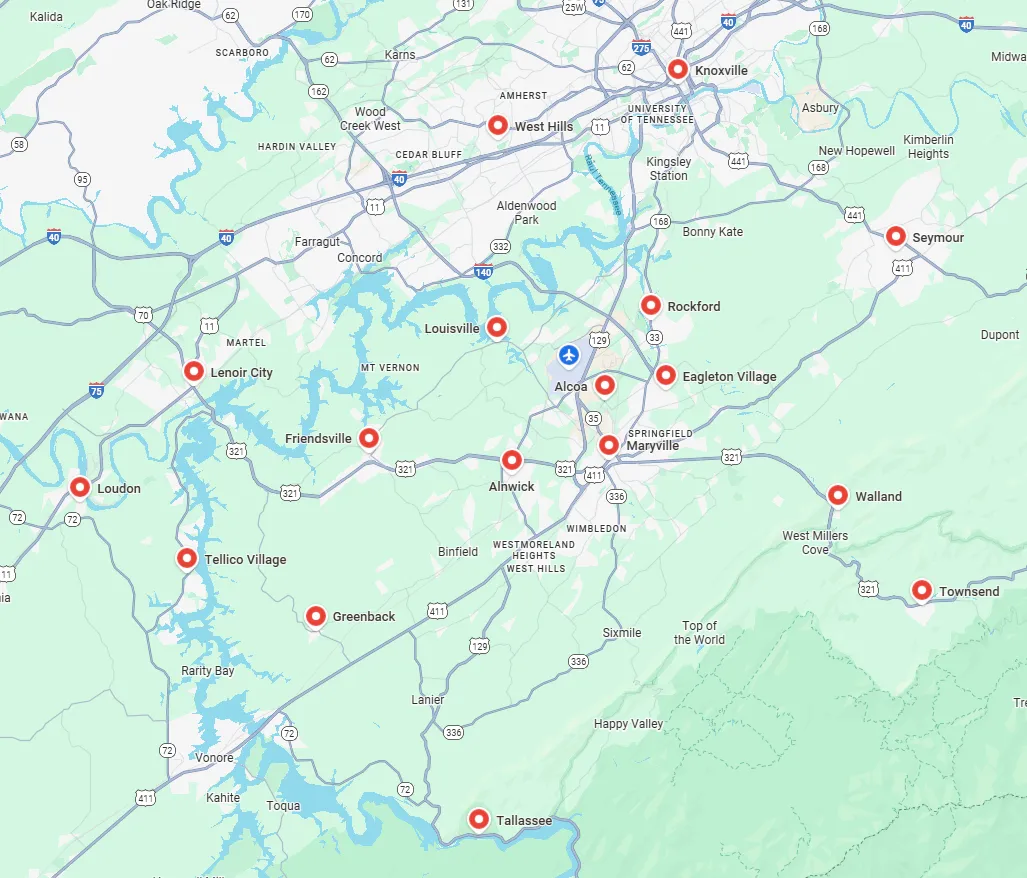
As a family-owned HVAC provider serving Blount, Loudon, Knox, and Sevier counties, Everest Air Heating and Cooling combines practical, no-pressure service with in-field experience installing and maintaining Mini Splits in local homes. Expect:
- Transparent recommendations grounded in professional load calculations and local climate knowledge.
- Respect for the home: attention to clean work, minimal disruption, and proper sealing and finishing at penetration points through walls.
- Technicians who explain operation and maintenance in plain language and provide written records for warranty.
- Service tailored to the unique needs of Townsend homes, from mountain cabins to historic structures and modern additions.
This approach aligns with the company focus on fair pricing, convenience, and long-term customer comfort.
How to prepare for installation or service
Preparing your home helps the installation go smoothly and reduces time on site. Helpful steps include:
- Identify desired zones: List which rooms you want conditioned and how you plan to use them.
- Clear access: Move furniture away from planned indoor unit locations and create a clear path to the outdoor unit area.
- Provide house plans or room measurements if available: These help expedite the on-site survey.
- Note existing electrical service: If you know panel capacity or available circuits, make a note; installers will coordinate required electrical work.
- Plan for pets and children: Secure pets and clear children from work areas during installation for safety.
- Discuss aesthetic preferences: If visual impact matters, be ready to discuss color, trim, and mounting locations.
A well-prepared home leads to an efficient installation and a cleaner, faster completion.
Financial and environmental benefits over time
Mini Split systems typically offer:
- Lower operating costs in zoned applications because you cool only the areas in use.
- Reduced energy waste associated with leaky or poorly insulated ducts common in older homes.
- Improved cooling comfort with staged compressor operation that avoids short cycling.
- Dual function heating and cooling in heat pump models, which can reduce the need for supplemental heating on many fall and spring days.
While initial equipment cost may be higher than a single window unit, the efficiency, comfort, and longevity of a quality Mini Split system can make it a cost-effective long-term choice for many Townsend homeowners.
Frequently Asked Questions
Q: How do I know whether a single-zone or multi-zone system is right for my home?
A: Single-zone systems suit isolated spaces like a single bedroom, office, or garage. Multi-zone systems are better for conditioning multiple rooms or floors with separate controls. A professional load calculation and discussion of usage patterns will determine the most efficient and cost-effective configuration.
Q: Will a Mini Split handle heating on cold Townsend winter nights?
A: Many Mini Splits are heat pumps rated to provide supplemental heat through much of the winter. For consistently cold spells, a Mini Split can work with a backup heat source if needed. Choose a model with good low-temperature heating performance if you plan to rely on it for primary heat during colder months.
Q: How noisy are Mini Split units?
A: Indoor units are typically very quiet, often comparable to a whisper at normal settings. Outdoor units produce modest sound; placement and quality of mount can minimize perceived noise. Manufacturers publish decibel ratings to compare models.
Q: Can a Mini Split improve indoor air quality?
A: Mini Splits offer filtration that reduces dust, pollen, and some particulates. Advanced filters or add-on air cleaners improve performance. Proper sizing and operation that avoids short cycling help with dehumidification and overall comfort.
Q: How long does installation usually take?
A: A single-zone retrofit installation can be completed in a few hours to a day. Multi-zone systems or complex retrofits may take longer. Time varies with the number of indoor units, structural challenges, and any added electrical work.
Q: What routine tasks should I perform between professional checkups?
A: Clean washable filters regularly, keep indoor and outdoor units free from obstructions, check condensate drainage, and listen for unusual sounds. Schedule annual professional maintenance to inspect refrigerant charge, electrical components, and overall system health.
Q: Do Mini Splits require permits?
A: Permitting depends on local codes and the scope of work. Many installations require electrical permits and inspection. Everest Air Heating and Cooling coordinates permitting and ensures code-compliant work when required.
Q: Are there incentives or rebates for installing a Mini Split in Tennessee?
A: Rebates and incentives are periodically available through utilities or state programs for high-efficiency heat pumps. Availability changes over time, so verify current programs during planning. Energy savings from efficient operation are a consistent long-term benefit.
Q: How does humidity control compare to central air?
A: Properly sized Mini Splits with variable-speed compressors offer good humidity control by running longer at lower capacity rather than short cycling. For very humid climates, supplemental dehumidification strategies may be discussed during system selection.
Q: What warranty coverage should I expect?
A: Warranty coverage varies by manufacturer and installer. Typical factory warranties cover compressors and parts for several years, and installers often provide labor warranties. Verify warranty terms, registration requirements, and what is covered during the planning phase.
Everest Air Heating and Cooling brings local experience and clear explanations to Mini Split projects in Townsend, TN. From thorough selection and professional installation to routine maintenance and troubleshooting, a well-designed ductless system can deliver reliable, efficient comfort tailored to the realities of Townsend living.
hear what our satisfied clients have to say

David P.
Service areas