

Indoor Air Quality Services in Alcoa, TN
Your indoor air quality (IAQ) directly affects your family's comfort, long-term health, and the efficiency of your HVAC system. In Alcoa, TN, where humid summers, pervasive tree pollen in spring, and unpredictable temperature swings in fall and winter are common, tailored IAQ services can drastically reduce allergens, control damaging moisture, and keep your home feeling fresh all year. Discover the typical air quality problems local homes face and how they're identified through our professional inspection and testing processes. We then walk you through powerful service options, like thorough duct cleaning and advanced filtration upgrades, smart humidity control strategies, and the recommended maintenance from Everest Air Heating and Cooling to sustain truly healthy indoor air.
Indoor Air Quality Services in Alcoa, TN
Indoor air quality directly affects comfort, health, and the performance of your HVAC system. In Alcoa, TN, where humid summers, tree pollen in spring, and temperature swings in fall and winter are common, tailored indoor air quality services can reduce allergens, control moisture, and keep your home feeling fresh year round.
Why IAQ matters in Alcoa, TN
Alcoa sits in East Tennessee near forested areas and the foothills of the Smoky Mountains. That means:
- High spring and summer pollen counts that trigger allergies and asthma.
- Elevated summer humidity that encourages mold, dust mite growth, and musty odors.
- Seasonal wood smoke and outdoor particulates that can penetrate homes.
- Older homes and duct systems in the area that may have leaks, debris buildup, or insufficient filtration.
Improving IAQ reduces symptoms like sneezing, congestion, headaches, and dry eyes, and can improve HVAC efficiency and comfort throughout changing seasons.
Common indoor air quality issues in Alcoa homes
- Dust, pet dander, and pollen circulating through HVAC ducts and vents.
- Mold and mildew growth in ducts, attic spaces, crawlspaces, or on humid surfaces.
- High indoor humidity in summer leading to clammy rooms and mold risk.
- Low humidity in winter causing dry skin, static, and discomfort.
- Volatile organic compounds (VOCs) from paints, cleaning products, or new furnishings.
- Elevated particulate matter (PM2.5) from wood smoke, pollen, or cooking.
- Poor ventilation and elevated CO2 in tightly sealed homes.
Typical IAQ services and what they do
Duct cleaning
- Removes built-up dust, pet dander, pollen, and occasional mold spores from supply and return ducts, plenums, and registers.
- Improves airflow and reduces the amount of particulates redistributed in the home.
Filtration and purification system options
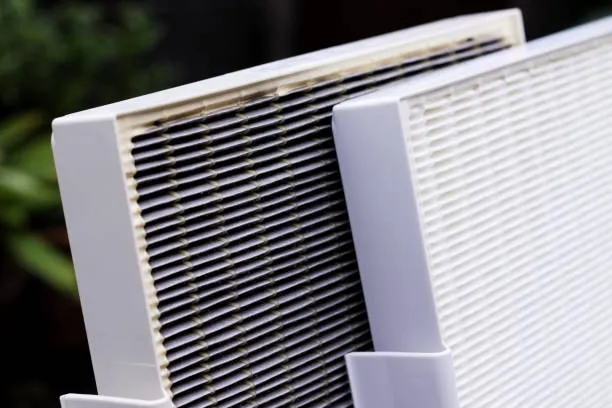
- Media filters with higher MERV ratings trap finer particles than standard fiberglass filters.
- Whole-house HEPA filtration captures very small particulates when integrated properly with the HVAC system.
- Electronic air cleaners and electrostatic filters reduce airborne particles; pros and cons depend on installation, maintenance needs, and ozone production.
- UV-C germicidal lights installed near the evaporator coil reduce microbial growth on coil surfaces and in the drain pan.
- Bipolar ionization and other advanced purifiers reduce particulates and some VOCs; performance varies by technology and application.
Humidity control
- Whole-house dehumidifiers for Alcoa summers to maintain relative humidity in the recommended 40 to 50 percent range.
- Whole-house humidifiers for winter months to prevent overly dry air that leads to discomfort and static.
Testing and inspection
- Visual inspection of ducts, air handler, filters, coils, and vents.
- IAQ testing options including particulate counts (PM2.5), humidity and temperature logging, VOC screening, CO2 levels, and targeted mold testing where visible concerns exist.
- Pressure and airflow testing to identify duct leakage and balance issues.
Targeted remediation
- Localized mold remediation steps when active mold colonies are found.
- Source control recommendations such as sealing crawlspaces, improving exhaust ventilation in kitchens and baths, and addressing roof or plumbing leaks that contribute to moisture.
Diagnostic and service process - what to expect
Initial assessment
- A technician documents occupant concerns, observes symptoms, and inspects visible systems and vents.
IAQ testing and measurements
- Tools record humidity, temperature, airborne particles, and CO2. Optionally, VOC samples or mold swabs are taken if indicated.
Scope and recommendation
- Based on findings, a prioritized plan is developed: cleaning, filtration upgrade, humidity control installation, or remediation.
Implementation
- Duct cleaning uses agitation and negative pressure to remove debris. Filtration upgrades and whole-house devices are sized and installed to match the system. Dehumidifiers or humidifiers are integrated with ductwork for whole-home effectiveness.
Verification
- Post-service testing confirms improvements in particulate counts, humidity, or airflow. A maintenance schedule is provided to sustain results.
Filtration and purification choices - pros and cons
- Standard MERV 8 filters
- Pros: affordable, protects equipment. Cons: limited particle capture.
- High-MERV media filters (MERV 11 to 13)
- Pros: better capture of pollen, dust, and some fine particles. Cons: increased pressure drop if not sized correctly.
- Whole-house HEPA
- Pros: excellent particle removal. Cons: requires compatible HVAC design and professional integration.
- UV-C lights
- Pros: reduce microbial growth on coils; help control odors. Cons: do not remove particles or VOCs.
- Electronic/electrostatic air cleaners
- Pros: good for small particle capture. Cons: require maintenance and some models produce ozone; selection matters.
- Portable HEPA units
- Pros: effective for specific rooms; useful for short-term events (wildfire smoke, deep cleaning). Cons: limited to single-room coverage.
- Pros: effective for specific rooms; useful for short-term events (wildfire smoke, deep cleaning). Cons: limited to single-room coverage.
Recommended maintenance to keep indoor air healthy
- Replace or clean HVAC filters regularly:
- Basic filters: every 30 to 60 days.
- High-efficiency media filters: every 3 to 6 months depending on occupancy and pets.
- Duct inspection and cleaning:
- Inspect annually; consider professional cleaning every 3 to 5 years or sooner if there is visible contamination, recent construction, or persistent allergy symptoms.
- Humidifier and dehumidifier servicing:
- Annual service before winter start for humidifiers, and before summer for dehumidifiers.
- Coil and drain pan cleaning:
- Clean during HVAC maintenance to prevent microbial growth and odors.
- Periodic IAQ testing:
- Baseline test and follow-up after major service or seasonal changes, or when occupants report symptoms.
- Baseline test and follow-up after major service or seasonal changes, or when occupants report symptoms.
Benefits of timely IAQ improvements
- Noticeable reduction in allergy symptoms and respiratory irritation.
- More consistent comfort and fewer hot or cold spots due to better airflow.
- Extended HVAC system life and potentially lower energy use when systems run less strained.
- Reduced odor and moisture-related issues that can damage finishes and personal property.
- Better sleep and overall wellbeing for occupants sensitive to indoor pollutants.
FAQs
- Q: How often should I test my indoor air quality in Alcoa, TN?
A: For most homes a baseline IAQ test followed by every 1 to 3 years is adequate; test sooner if you have unexplained allergy symptoms, recent renovations, or seasonal smoke events. - Q: Will duct cleaning stop all allergens in my home?
A: Duct cleaning removes accumulated dust and allergens from the duct system and helps reduce airborne particulates, but lasting control also requires proper filtration, source control, and humidity management. - Q: Which filtration option is right for pollen and smoke common in our area?
A: High-MERV media filters or whole-house HEPA combined with a tightly sealed home and a whole-house or portable air purifier provide strong protection against pollen and smoke. Humidity control also helps reduce allergen activity.? - Q: Can a dehumidifier reduce mold risk in Alcoa summers?
A: Yes. Whole-house dehumidifiers maintain relative humidity below levels where mold and dust mites thrive, reducing the risk of mold growth and musty odors. - Q: How long does a typical duct cleaning and IAQ upgrade take?
A: A standard duct cleaning often takes 2 to 4 hours depending on home size and duct condition. Filtration or humidity control installations can be done in a few hours to a day depending on system complexity.
hear what our satisfied clients have to say

David P.
Service areas