

Hydronic HVAC in Loudon, TN
For homes in Loudon, TN, that demand dependable comfort through every East Tennessee season, hydronic HVAC delivers quiet, even, and highly efficient heat. Everest Air Heating and Cooling offers professional hydronic solutions tailored specifically for Loudon residences and small businesses. We handle everything from installing modern condensing boilers that feed luxurious radiant floor systems to providing full-service maintenance and expert boiler repair. If you're considering an upgrade from forced-air, curious about the unique comfort of radiant floors, or simply want a long-term plan to keep your current hydronic system running perfectly, let Everest Air Heating and Cooling be your guide. We'll show you what hydronic heating is, why it often performs better than other options around here, how our installations and retrofits work, common issues and how we solve them, and all the service options available right here in Loudon.
What is Hydronic Heating and How It Works
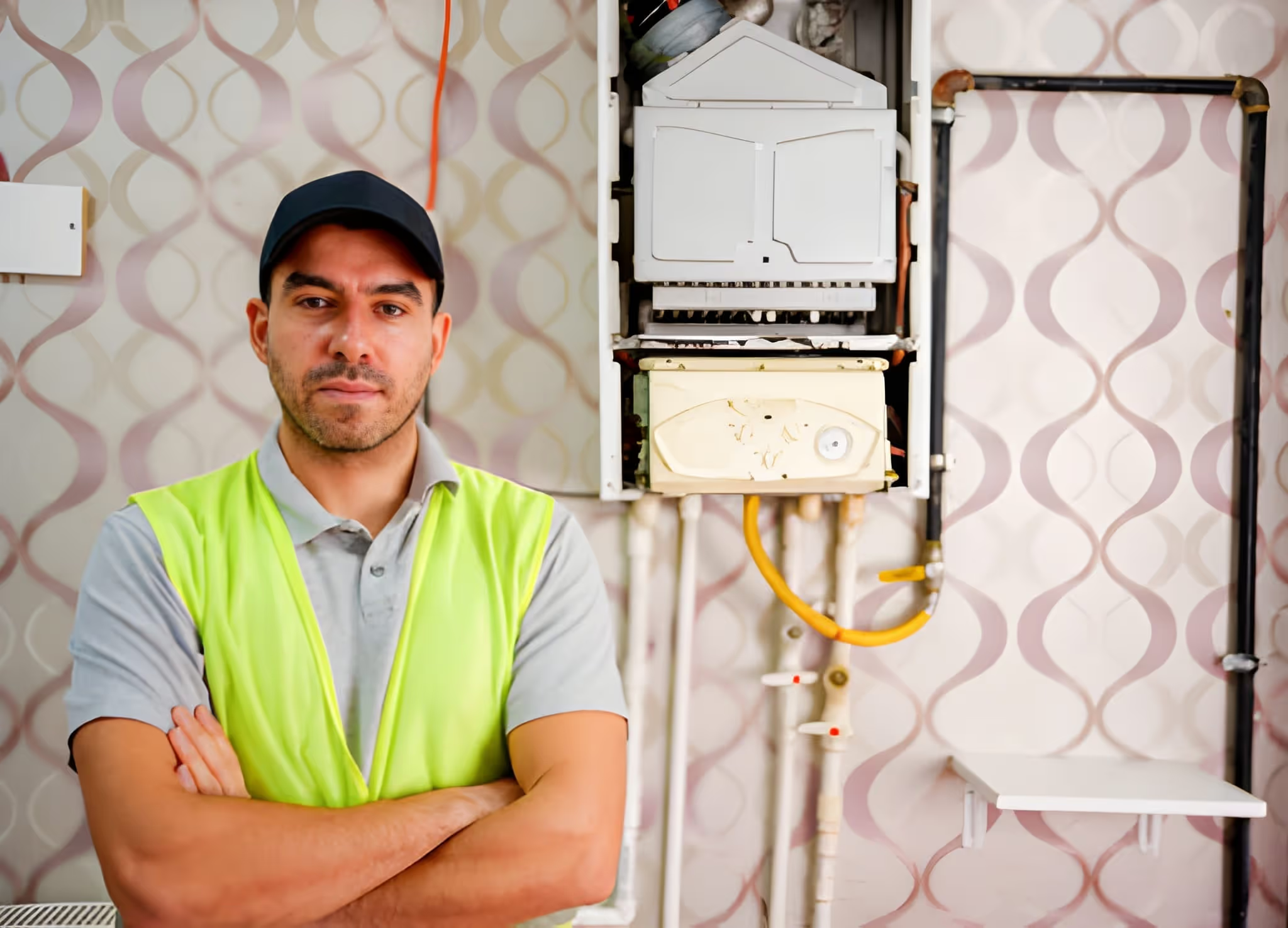
Hydronic heating uses heated water to deliver warmth through a building instead of heated air. A boiler heats water and pumps it through a closed loop of tubing or radiators. Heat is transferred to rooms through radiant floor tubing, baseboard radiators, cast iron radiators, or convectors. The water returns to the boiler, is reheated, and recirculated.
Key components:
- Boiler (natural gas, propane, oil, electric, or high-efficiency condensing)
- Circulator pumps
- Manifold and tubing for radiant systems
- Expansion tank and pressure relief valve
- Thermostatic controls and zone valves
Hydronic systems are fundamentally versatile. They can heat entire homes, provide warmed domestic hot water in combi configurations, or work in hybrid setups combined with heat pumps or forced-air systems.
Why Hydronic Heating Makes Sense for Loudon, TN
Loudon sits in East Tennessee with hot, humid summers and cool winters that still require reliable heating when temperatures drop. Hydronic systems offer advantages particularly well-suited to local homes and building stock:
- Comfort in older homes: Many Loudon homes have unique layouts, solid floors, and areas where ductwork is difficult. Radiant heat delivers even warmth without blowing dry air or retrofitting extensive duct systems.
- Efficient performance across variable winters: Modern modulating-condensing boilers achieve high efficiencies when sized and commissioned correctly, saving energy during mild and cold spells.
- Improved indoor air quality: Hydronic systems move minimal air, reducing dust and allergens circulated by forced-air systems, an advantage for homes with allergies or tight ventilation needs.
- Quiet operation: Hydronic systems run quietly compared to the cycling noise and airflow of furnaces and forced-air blowers, attractive for bedroom areas and open-plan living spaces.
- Zoning flexibility: Radiant floors and hydronic baseboards can be zoned room-by-room for tailored comfort and energy savings in multi-level Loudon homes.
Types of Hydronic Systems We Service in Loudon
Everest Air Heating and Cooling installs, retrofits, and services a range of hydronic systems commonly asked for by Loudon homeowners:
- Radiant floor heating (slab, thin-slab, and dry-panel systems) for tile, hardwood, or carpeted floors
- Baseboard and fin-tube hydronic heating for retrofit where floors cannot be disturbed
- Cast iron and modern radiators for aesthetic and efficient zone heating
- Boilers - high-efficiency condensing boilers, modulating boilers, and conventional boilers
- Combi boiler systems that provide both space heating and domestic hot water
- Hybrid systems integrating hydronic heat with heat pumps or forced-air systems for seasonal optimization
Common Hydronic Problems in Loudon Homes and Typical Causes
Understanding common issues helps you evaluate repair urgency and long-term value. In Loudon, local conditions like water hardness, seasonal temperature swings, and older building stock influence the nature of common problems.
- Uneven heat or cold spots: Often caused by improper zoning, air trapped in the system, or poorly balanced manifolds.
- No heat or intermittent heat: Can result from pump failure, low system pressure, failed thermostat or zone valve, or pilot/ignition issues on the boiler.
- Noisy pipes or knocking: Air in the system, high flow rates, or loose pipe hangers can create noise. Kettling in boilers caused by scale buildup is another common culprit.
- Leaks and pressure loss: Corroded fittings, failed valves, or compromised loop tubing can lead to leaks. Hidden leaks under slabs require specialized detection.
- Corrosion and scale build-up: Hard water in the Loudon area contributes to mineral deposits in boilers and tubing, reducing efficiency and lifespan.
- Boiler short cycling: Caused by oversized boiler, faulty controls, or inadequate mixing and buffer volume.
- Odors or poor water quality in closed loops: Contamination or improperly treated water can lead to odor and accelerated corrosion.
Diagnostic Process: What to Expect During a Hydronic Evaluation
A thorough diagnostic inspection determines whether a repair, retrofit, or full replacement is best. Everest Air Heating and Cooling follows a methodical process tailored to Loudon properties:
- System history review - age of equipment, past repairs, and current complaints.
- Visual inspection - boiler room, piping, expansion tank, valves, and controls.
- Operational testing - observe boiler firing, circulator pumps, thermostats, and zone control operation.
- Pressure and temperature checks - verify system pressure, outdoor reset settings, and flow temperatures.
- Water quality and corrosion assessment - check for scale, corrosion products, and acid levels that affect heat exchange.
- Heat loss and distribution review - perform heat loss calculations for accurate sizing if replacement or retrofit is needed.
- Radiant floor evaluation - locate manifolds, measure flow, and check for insulation and tube spacing issues in retrofits.
This comprehensive checklist ensures the solution recommended matches the unique needs of each Loudon home.
Installation and Retrofit Services in Loudon
Hydronic installations require detailed planning and execution. For homeowners in Loudon, the most common projects include replacing old boilers, converting from electric baseboard or forced-air systems, and installing radiant floor systems during remodels.
Installation steps typically include:
- Load calculation and boiler selection: Accurate sizing prevents inefficiency and short cycling.
- Piping and manifold design: Proper loop lengths, tubing spacing, and manifold placement are critical for even heat delivery.
- Insulation and slab preparation for radiant systems: Under-slab insulation and vapor barriers are installed as required in slab-on-grade projects.
- Commissioning and balancing: Flow adjustments, temperature setpoints, and control calibration ensure efficient operation and comfort.
- Integration with existing systems: Where necessary, we design hybrid strategies to use hydronic heat for certain zones and retain forced-air for others.
Retrofit considerations for Loudon homes:
- Slab-on-grade vs suspended floors: Slab systems often require cutting into concrete or installing a thin-slab overlay; suspended floors may use PEX tubing with subfloor coverings.
- Minimal disruption options: Dry-panel systems and low-profile radiant panels offer heat with reduced floor height changes.
- Electrical and gas infrastructure: Evaluate natural gas availability or propane delivery, and ensure proper venting for new boilers.
- Water treatment and closed-loop conversion: Where water quality threatens system longevity, we recommend closed-loop treatment or chemical conditioning to mitigate scale and corrosion.
Boiler Types and Fuel Considerations
Choosing the right boiler depends on fuel availability, efficiency goals, and budget. Common options for Loudon properties include:
- High-efficiency condensing gas boilers: Best efficiency for homes with natural gas supply; operate at lower return water temperatures to capture condensation heat.
- Propane boilers: A practical choice in areas without natural gas lines; propane-fired condensing models are available.
- Electric boilers: Useful for smaller systems or where fossil fuels are not desired, though operating costs can be higher depending on electricity rates.
- Combi boilers: Combine space heating and domestic hot water in a single unit for space savings and convenience.
- Modulating and staged boilers: Adjust output to match demand, reducing cycling and improving comfort.
Local factors like natural gas service in town neighborhoods and propane for rural properties influence boiler selection. Everest Air Heating and Cooling evaluates fuel access and long-term operating costs when recommending equipment.
Routine Maintenance and Boiler Repair
Hydronic systems deliver long service life when maintained properly. Maintenance reduces repair bills, improves efficiency, and prevents downtime during colder months.
Routine maintenance tasks:
- Annual boiler Tune-Up: Inspect heat exchanger, burners, ignition system, and combustion for safe operation and efficiency.
- Flushing and chemical treatment: Remove sediment, scale, and sludge that reduce heat transfer and block flow.
- Check and replace expansion tank components: Ensure proper air charge and prevent pressure spikes.
- Circulator pump inspection and lubrication: Verify bearings and motor function.
- Bleeding air and balancing loops: Remove trapped air and adjust flow to eliminate cold spots.
- Pressure and safety device testing: Confirm relief valves and pressure gauges function correctly.
- Manifold and mixing valve service: Calibrate thermostatic mixing valves and replace worn components.
Common boiler repairs performed in Loudon:
- Replacing circulator pumps
- Repairing or replacing ignition systems and gas valves
- Fixing leaks in piping, valves, and radiators
- Addressing kettling and scale on heat exchangers
- Replacing expansion tanks and pressure relief valves
- Control board and thermostat repairs
Everest Air Heating and Cooling documents maintenance actions and recommends a preventive plan tailored to hydronic systems, such as the Y.E.T.I Comfort Plan options, to keep systems reliable year after year.
Troubleshooting Common Hydronic Issues
Below are practical explanations of common problems and what solutions typically involve.
- System has low pressure and will not heat reliably:
- Cause: Leak, failed pressure-reducing valve, or air in the system.
- Solution: Locate and repair leaks, refill and repressurize the system, and remove air through manual bleeds or automatic air separators.
- Uneven heat across rooms:
- Cause: Air in loops, improper loop lengths, uneven flow, or improper thermostat configuration.
- Solution: Bleed air, balance manifolds by adjusting flow rates, and verify zoning controls.
- Noisy boiler or knocking pipes:
- Cause: Kettling from scale, trapped air, or high flow velocity.
- Solution: Clean heat exchanger, install air separators and proper pipe hangers, and reduce pump speed or add buffer tank.
- Radiant floor is slow to respond or overheats:
- Cause: Poor insulation under tubing, wrong tube spacing, or lack of mixing valve for low surface temps.
- Solution: Improve insulation where accessible, reconfigure loop layout when feasible, and install proper mixing controls.
- Boiler short cycling:
- Cause: Oversized boiler, faulty controls, or lack of buffer volume.
- Solution: Adjust controls, add reset strategies, or install a buffer tank to stabilize run cycles.
- Freeze risk in unheated spaces:
- Cause: Outdoor lines or poorly insulated loops left vulnerable.
- Solution: Use propylene glycol antifreeze in loops, add freeze protection controls, or improve insulation.
Compatibility with Existing HVAC Systems
Many Loudon homeowners want to preserve existing components while adding hydronic comfort. Hydronic systems can integrate with or complement existing HVAC in several ways:
- Hybrid zoning: Use hydronic radiant floors for living areas and keep forced-air for bedrooms or for summer cooling. Zoning controls allow independent comfort schedules.
- Indirect water heaters: Boilers can provide domestic hot water through an indirect tank, often more efficient than separate water heaters.
- Heat pumps and boilers: Hybrid systems combine heat pumps for mild weather and boilers for cold snaps, optimizing efficiency across seasons.
- Air handlers for summer cooling: Existing duct systems can remain for cooling while hydronic heat handles winter comfort.
- Solar thermal or heat recovery: Hydronic systems are well-suited for integration with solar thermal panels and waste heat recovery to lower operating costs.
Compatibility assessment includes evaluating thermostatic controls, electrical integration, available space, and how to sequence equipment for safety and efficiency.
Smart Controls and Zoning for Hydronic Systems
Modern hydronic systems benefit from smart controls and zoning to maximize comfort and efficiency. Features homeowners in Loudon often request:
- Multiple thermostats with configurable schedules
- Manifold-based thermostatic actuators for room-level control
- Outdoor reset controls to adjust supply temperature based on outside conditions
- Integration with home automation platforms for remote monitoring and diagnostics
- Load compensation and weather responsive controls to reduce fuel use
Proper control strategy reduces cycling and keeps radiant floors and other hydronic surfaces within comfortable temperature ranges.
Water Quality and Long-Term Care in Loudon
East Tennessee water can vary in hardness and mineral content. Water quality directly affects the longevity and performance of hydronic systems.
Best practices:
- Use closed-loop systems to minimize oxygen ingress and corrosion.
- Test water and use chemical inhibitors to control corrosion and scale.
- Install magnetic and centrifugal dirt separators to capture particulates.
- Recommend periodic flushes if sediment accumulation is detected.
- For systems with outdoor loops or exposed piping, consider adding propylene glycol for freeze protection.
A proactive water treatment and monitoring plan prevents boiler failure and costly heat exchanger replacements.
Service Options and Packages
Everest Air Heating and Cooling provides a full suite of hydronic HVAC services for Loudon homeowners and property managers:
- System design and new hydronic installations
- Radiant floor installation during remodels or new construction
- Boiler replacement and upgrades to high-efficiency condensing units
- Retrofits from electric or forced-air systems to hydronic heat
- Preventive maintenance plans customized for hydronic equipment
- Emergency boiler repair and seasonal commissioning
- Water treatment, system flushing, and chemical conditioning
- System balancing, manifold optimization, and zoning upgrades
- Diagnostic leak detection for slab and underfloor tubing
Maintenance agreements can include seasonal checkups, priority scheduling, and documentation of system health and recommended actions.
Benefits Over Time: Efficiency, Comfort, and Property Value
Hydronic systems represent an investment that yields ongoing benefits for Loudon homeowners:
- Operating cost reductions with correctly sized, condensing boilers
- Improved comfort and occupant satisfaction due to even radiant heat
- Lower distribution losses compared to ductwork in leaky or poorly insulated homes
- Reduced maintenance of duct systems and fewer air quality issues
- Potential increase in home value from a high-end, energy-efficient heating solution
When systems are properly installed, commissioned, and maintained, hydronic heating often outlasts other HVAC options with fewer major interventions.
Choosing the Right Solution for Your Loudon Home
Selecting the correct hydronic package requires matching system performance to home needs, layout, fuel availability, and long-term goals. Considerations include:
- Heat loss calculations for accurate sizing
- Flooring type and whether retrofit or new construction installation is feasible
- Fuel source reliability and local rates
- Desire for domestic hot water integration or combi functionality
- Plans for future home expansions or energy upgrades
Everest Air Heating and Cooling combines field experience in East Tennessee with industry best practices to tailor solutions that meet both comfort and budget priorities while maintaining long-term reliability.
Maintenance Tips for Loudon Homeowners
Small maintenance actions reduce repair risk and extend system life.
- Schedule annual boiler Tune-Ups each fall before heating season.
- Monitor system pressure and look for gradual drops that indicate leaks.
- Bleed radiators and manifolds seasonally to remove trapped air.
- Keep boiler room clear and properly vented.
- Maintain water treatment and inhibitor levels in closed loops.
- Insulate accessible piping to reduce heat loss and reduce condensation in humid months.
A consistent preventive routine keeps winter worry-free and extends component life.
FAQs
Q: How long does a typical hydronic boiler last?
A: With proper maintenance, modern condensing boilers often last 15 to 25 years. Lifespan depends on water quality, cycling frequency, and service history.
Q: Can radiant floors be installed in an existing Loudon home without tearing up the entire floor?
A: Yes. Options such as thin-slab overlays, dry-panel systems, and retrofit manifolds reduce floor build-up and minimize disruption in many retrofit scenarios.
Q: Are hydronic systems compatible with my existing forced-air AC for cooling?
A: Yes. Hydronic heat can coexist with your existing cooling system. You can keep ducts and air conditioning for summer while using hydronic heat in winter, often with hybrid control strategies.
Q: What is the difference between condensing and non-condensing boilers?
A: Condensing boilers extract additional heat from exhaust gases through condensation, reaching higher efficiencies when return water temperatures are low. Non-condensing boilers operate at higher exhaust temperatures and typically have lower efficiency.
Q: How often should I flush my hydronic system?
A: Flushing frequency depends on system condition and water quality. Many systems benefit from an initial flush during installation and periodic flushing every 5 to 10 years or sooner if sediment or flow issues appear.
Q: Will radiant heating increase floor height?
A: Some radiant installations affect floor height. Modern thin-slab and dry-panel solutions are available to limit added height and accommodate retrofit constraints.
Q: Can hydronic systems use propane in Loudon?
A: Yes. Propane-fired boilers are commonly used where natural gas is not available. Propane condensing boilers provide competitive efficiency.
Q: What are signs my boiler may need repair or replacement?
A: Common signs include frequent cycling, reduced heat output, visible leaks, discolored water, unusual noises like kettling, and rising operating costs despite normal use.
Everest Air Heating and Cooling provides experienced hydronic HVAC design, installation, maintenance, and repair services for Loudon, TN homes. Whether you are evaluating a full radiant floor conversion, upgrading an aging boiler, or seeking a preventive maintenance plan to protect your investment, a thoughtful hydronic strategy tailored to your home and local conditions will deliver lasting comfort and efficiency.
hear what our satisfied clients have to say

David P.
Service areas