

Hydronic HVAC in Lenoir City, TN
In Lenoir City, TN, homeowners and businesses are discovering a truly comfortable and energy-efficient alternative to traditional forced-air systems: hydronic HVAC. By using heated or chilled water, these systems deliver quiet, consistent comfort throughout your living and working spaces. Here in Lenoir City, where humid summers and cool winters meet older housing stock and unique lakeside microclimates, hydronic systems from Everest Air Heating and Cooling offer beautifully even heat distribution, precise zone control, and even improved indoor air quality. We provide expert guidance on whether a hydronic approach fits your property, how installations and retrofits work, and what maintenance Everest Air Heating and Cooling recommends to keep these systems running reliably for years.
Why Lenoir City homes and businesses choose hydronic HVAC
- Even, comfortable heat without cold spots: Hydronic heating distributes heat through radiant floors, baseboard radiators, or fan coils for consistent warmth across rooms. This is especially valuable in Lenoir City homes with higher ceilings, stone or older wood floors, and rooms that often develop uneven temperatures.
- Reduced airborne allergens and drafts: Because hydronic heating does not rely on high-velocity air, it limits the circulation of dust and pollen indoors. That benefit matters in humid East Tennessee climates where mold and pollen can affect comfort and health.
- Quiet operation: Boilers, pumps, and piping operate with low noise compared to the whoosh of ducts and blowers, which is a quality often appreciated in small businesses, bedrooms, and home offices.
- Zoning and control flexibility: Hydronic systems integrate easily with modern thermostats and zoning valves, enabling different setpoints for bedrooms, basements, and living areas. This is ideal for Lenoir City houses with seasonal rooms, split-level designs, or finished basements needing independent comfort control.
- Fuel flexibility and efficiency: Hydronic systems can be powered by high-efficiency gas boilers, propane, electric boilers, or heat pumps that exchange heat with outdoor air or ground sources, making it possible to choose the most economical and sustainable option for your property.
Common types of hydronic systems and where they work best
- Radiant floor heating: PEX tubing is installed beneath floors and warmed to create comfortable, consistent heat from the ground up. Best for new construction, remodels, and homes with tile, concrete, or wood floors.
- Hydronic baseboard heating: Compact wall-mounted radiators provide convective heat and are often used in retrofits where replacing ducts is not desirable.
- Fan coil units and hydronic air handlers: Water is used to heat or cool coil packs inside compact units that distribute conditioned air via short runs of duct or through the space directly. Good for multifamily units and commercial retrofit projects.
- Radiators: Traditional cast-iron or modern panel radiators remain effective in older homes being updated with new boilers.
- Combined hydronic and forced-air systems: Hybrid solutions use hydronic heat for radiant comfort and forced air for cooling, delivering the benefits of both approaches without running full ductwork replacements.
How hydronic HVAC works - in plain language
Hydronic systems move heat using water as the carrier instead of air. A boiler or heat source heats water to a set temperature. A pump circulates that hot water through a network of pipes to terminal units like floor tubing, baseboards, or fan coils. Heat transfers from the water into spaces, then the cooled water returns to the boiler to be reheated. Controls such as thermostats, zone valves, and mixing valves manage temperature and flow so each area stays at the chosen comfort level.
For cooling, hydronic systems use chilled water from a chiller or a hydronic heat pump loop to remove heat from conditioned spaces via fan coils or chilled beams. This approach provides efficient, low-noise cooling in the same water-based distribution network.
Key components explained
- Boiler: The system's heat source, sized to match the building load. Modern condensing boilers can reach high efficiencies by extracting heat from the flue gases.
- Circulator pump: Moves water through the system. Variable-speed pumps adjust flow to demand, saving energy and improving control.
- Piping: PEX or copper lines carry water. PEX is commonly used for radiant floor tubing due to flexibility and corrosion resistance.
- Manifold: Distributes flow to multiple circuits in radiant systems; simplifies balancing and isolation for repairs.
- Mixing valve: Blends return and supply water to maintain safe, efficient temperatures for radiant floors and other components.
- Zone valves and thermostats: Create independent control areas so unused rooms are not heated unnecessarily.
- Expansion tank and pressure controls: Manage pressure changes as water heats and cools to protect the system.
- Air separators and filters: Remove trapped air and debris that reduce efficiency and cause noisy operation.
Installation and retrofit options in Lenoir City
New construction and full remodels offer the most flexibility for radiant floor systems. Installing PEX tubing under new slabs or between joists during renovation delivers long-lasting comfort and high resale appeal. In retrofit situations common in Lenoir City older homes, installers can use thin-profile wet or dry overlay systems that sit over existing subfloors, or switch to baseboard hydronic or radiator solutions that require less invasive work.
Commercial properties and multifamily buildings often favor fan coil units or hydronic air handlers. These can be retrofitted into existing mechanical rooms and connected to a central boiler plant. For businesses with space constraints, modular boiler systems and compact condensing units fit well while providing dependable capacity.
Everest Air Heating and Cooling assesses your building envelope, insulation, existing mechanicals, and comfort goals to recommend the best path: full hydronic installation, partial hydronic integration, or a hybrid solution. Local permitting and fuel availability in Lenoir City will also influence the design, such as whether to use natural gas, propane, or electric boilers.
Efficiency considerations and operating costs
Hydronic systems can be among the most efficient heating options when designed correctly. Key efficiency factors include:
- Boiler selection: High-efficiency condensing boilers reclaim heat from exhaust gases and are especially effective where return water temperatures are low, such as radiant floor loops.
- Proper sizing: Oversized boilers short-cycle and waste energy. Accurate heat load calculations for Lenoir City homes ensure right-sizing for winter design temperatures and occupancy patterns.
- Variable-speed pumps: These reduce electricity consumption by matching flow to demand.
- Zoning: Heating only occupied areas cuts fuel use and increases comfort.
- Insulation and system layout: Well-insulated piping and logical loop lengths reduce heat loss and balance system response.
- Controls: Outdoor reset controls, smart thermostats, and scheduled setpoints optimize performance over seasons.
In Lenoir City, where winter lows are moderate compared with northern climates but humidity and seasonal swings are significant, a properly tuned hydronic system with good controls can reduce perceived cold through radiant heat while keeping energy bills predictable.
Diagnosing common problems and what to expect during repair
Hydronic systems are durable, yet they experience wear like any mechanical system. Common issues and Everest Air Heating and Cooling troubleshooting approach include:
- Uneven heat or cold spots: Often caused by air trapped in the system, stuck zone valves, or pump failure. Technicians perform air purging, zone checks, and flow measurements to identify the source.
- Noisy pipes or knocking: Can be caused by improper piping slopes, air, or failing circulator bearings. Corrective actions include refilling, re-pitching lines where accessible, and replacing worn pumps.
- Boiler short-cycling: Usually the result of oversized equipment, low load, or control faults. Diagnosis includes combustion and control testing, load review, and proposing replacement or control changes.
- Leaks at fittings or manifolds: Detected by pressure testing and visual inspection. Repairs may involve tightening fittings, replacing gaskets, or swapping sections of piping if corroded.
- Low system pressure: Could indicate a leak or a failed expansion tank. Technicians locate leaks, perform repairs, and recharge the system to specified pressure.
- Poor hot water temperature at terminals: Mixing valves, thermostats, or balancing issues may be to blame. Adjustments and component replacements restore performance.
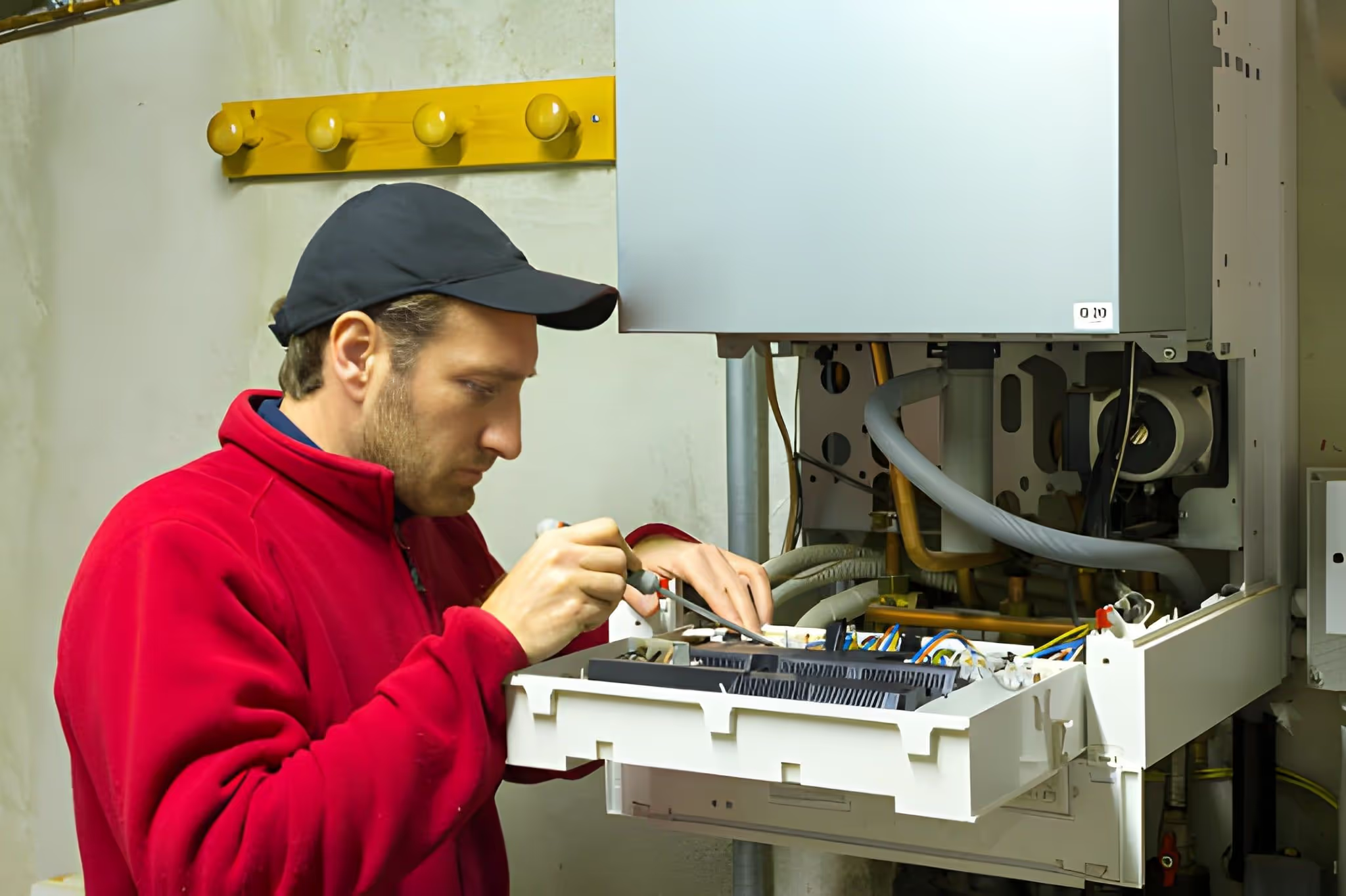
When Everest Air services systems, technicians start with a full system check: combustion safety and emissions for boilers, pump amperage and operation, manifold and loop balance, pressure and temperature profiling, and control logic validation. Documentation of findings helps homeowners decide between repair, partial replacement, or a full system upgrade.
Maintenance best practices for reliability and longevity
Routine preventive maintenance extends the life of hydronic equipment and keeps efficiency high. Recommended maintenance tasks include:
- Annual boiler Tune-Up: Clean heat exchangers, check burners, verify combustion efficiency, and inspect safety controls.
- Circulator inspection: Lubricate where applicable, check electrical connections, and measure amp draw.
- System flush: Every 5 to 10 years, depending on water quality, a chemical or mechanical flush removes sediment and corrosion products that reduce heat transfer.
- Air removal: Bleed air from radiators, manifolds, and separators to prevent noise and flow reduction.
- Pressure checks and expansion tank testing: Ensure correct system pressure and that the expansion tank has proper precharge.
- Manifold and valve inspection: Confirm each zone valve operates and manifold ports are balanced.
- Water treatment: In areas with hard water or older systems, corrosion inhibitors and proper pH control prevent degradation.
Everest Air Heating and Cooling often recommends enrollment in a maintenance plan, such as the Y.E.T.I Comfort Plan, to schedule fall and spring checkups and keep documentation current. Regular service protects equipment warranty, avoids emergency repairs, and maintains consistent comfort in Lenoir City homes and businesses.
Retrofit considerations and challenges in older Lenoir City homes
Older homes in Lenoir City often present both opportunity and constraints for hydronic retrofits. Typical considerations include:
- Floor build-up: Adding radiant floor over existing subfloors increases floor height; installers may recommend thin-slab systems or baseboard solutions to minimize alteration.
- Existing chimneys and fuel lines: Converting to high-efficiency condensing boilers may alter flue requirements; assessing existing chimneys and venting options early avoids surprises.
- Limited mechanical space: Modern condensing boilers and modular pumps allow compact installations in closets or small mechanical rooms.
- Historic finishes: When preserving original floors and trim is a priority, surface-mounted radiators or baseboards can provide hydronic comfort without invasive work.
- Water quality: Older plumbing may require filtration or treatment to protect new hydronic components.
A strategic evaluation balances comfort goals, budget, and historic preservation to recommend a solution that meets performance expectations while respecting the home.
Hydronic HVAC for commercial properties in Lenoir City
Commercial hydronic systems scale from small office buildings to multi-tenant apartments. Advantages for businesses include:
- Quiet, unobtrusive heating that improves customer and employee comfort.
- Zoning flexibility for varied occupancy schedules across suites and floors.
- Easier integration with domestic hot water or process heating in light industrial applications.
- Potential for centralized maintenance and longer equipment life compared with distributed packaged systems.
Everest Air Heating and Cooling designs commercial hydronic solutions with attention to load diversity, redundancy, and energy recovery where feasible. For Lenoir City businesses near the Tennessee River or in mixed-use downtown areas, efficient hydronic designs also consider ventilation needs and humidity control to keep customers comfortable year-round.
Controls, automation, and modern improvements
Modern hydronic systems benefit from smart controls that enhance comfort and efficiency:
- Outdoor reset: Adjusts boiler supply temperature based on outdoor temperature to avoid overheating and reduce cycling.
- Smart thermostats and zone controllers: Enable remote scheduling, learning algorithms, and energy monitoring.
- Variable-speed pumps and ECM motors: Match flow to demand and reduce electrical use.
- Integration with home automation: Sync hydronic zones with occupancy sensors or whole-house systems to prevent wasted energy.
These upgrades are especially useful in Lenoir City where seasonal use of second homes, lake cottages, or vacation rentals demands flexible scheduling and remote management.
Lifespan, warranties, and replacement indicators
Well-maintained boilers and hydronic components can last 15 to 30 years depending on fuel type and water quality. Indicators that replacement may be more cost-effective than repair include frequent lockouts, declining combustion efficiency, corrosion signs, and inability to meet load demands without cycling. Everest Air Heating and Cooling evaluates long-term operating cost, expected lifespan, and repair frequency to recommend either careful repair or staged replacement.
Safety and code compliance
Hydronic installations must comply with local codes for venting, combustion air, pressure vessels, and electrical connections. Proper venting and combustion testing ensure occupant safety and system reliability. Everest Air Heating and Cooling works with local Lenoir City permitting authorities and follows manufacturer installation instructions to maintain code compliance.
Choosing between hydronic, ducted, and ductless systems
Hydronic systems excel at steady, comfortable heat and are ideal when air quality and quiet operation are priorities. Forced-air systems are often more cost-effective for combined heating and cooling where central air distribution already exists. Ductless Mini Splits are efficient for targeted heating and cooling in rooms without ductwork. Hybrid approaches, such as hydronic heat for winter comfort plus ducted or ductless cooling, are increasingly popular in Lenoir City homes with diverse comfort needs across seasons.
Why professional design matters
Hydronic performance depends on thoughtful system design: correct boiler sizing, loop length and layout, pump selection, and control strategies. Undersized or oversized components, improperly balanced manifolds, or poor control programming can create inefficiencies and comfort complaints. Professional design accounts for building heat loss calculations, distribution losses, and usage patterns to deliver a system that performs predictably in Lenoir City winters and summers.
Frequently Asked Questions
Q: How quickly does a hydronic heating system heat a room compared with forced air?
A: Hydronic heating provides gentler, more even warmth and may take slightly longer to change temperature than a high-output forced-air furnace, but it maintains consistent comfort without drafts or large temperature swings.
Q: Can hydronic systems also provide cooling?
A: Yes, hydronic systems can provide cooling when paired with a chiller or hydronic heat pump and fan coil units, offering efficient, low-noise cooling options especially useful in commercial spaces or hybrid residential systems.
Q: Are hydronic systems expensive to install in older homes in Lenoir City?
A: Retrofit costs vary based on the chosen terminal type. Radiant floor retrofits are more labor intensive, while baseboards, fan coils, or radiators often require less invasive work and can be more cost effective for many older homes.
Q: What type of boiler is best for a hydronic system in East Tennessee?A: High-efficiency condensing boilers are commonly recommended because they recover more usable heat from exhaust gases, improving fuel efficiency. Fuel choice depends on availability and cost in the area, such as natural gas, propane, or electric options.
Q: How often should a hydronic system be serviced?
A: Annual inspection and maintenance for the boiler and circulators is recommended, with system flushing and water treatment as needed based on water quality and system age.
Q: Will a hydronic system improve indoor air quality?
A: Hydronic heating reduces the movement of airborne dust and allergens compared with forced-air systems because it does not rely on centralized air movement, which often improves perceived indoor air quality.
Q: Can I zone my hydronic system for different temperatures in each room?
A: Yes, hydronic systems are well suited to zoning using thermostats and zone valves or circulators, enabling tailored comfort and energy savings for different areas of the home or building.
Q: How long do hydronic boilers and components typically last?
A: With proper maintenance, boilers can last 15 to 30 years or longer, while pumps and valves may need replacement earlier depending on usage. Regular service extends component life and reliability.
Q: What signs indicate I need a boiler repair or replacement?
A: Look for frequent cycling, difficulty maintaining temperature, unusual noises, visible corrosion or leaks, rising fuel bills, and repeated service calls. These indicate the system needs professional evaluation.
Q: Is water quality important for hydronic systems?
A: Yes, mineral content and corrosion can affect system longevity. Water treatment, proper inhibitor use, and periodic flushing help maintain heat transfer efficiency and reduce wear on components.
Q: Can hydronic heating be integrated with my existing forced-air cooling system?
A: Yes, many homeowners choose hydronic heat for winter comfort and use existing forced-air or ductless systems for cooling. Hybrid configurations offer the advantages of both systems without wholesale replacements.
Q: Does Everest Air Heating and Cooling offer maintenance plans for hydronic systems?
A: Everest Air Heating and Cooling provides routine maintenance plans tailored to keep hydronic systems operating efficiently and reliably, including seasonal checkups and prioritized service scheduling.
hear what our satisfied clients have to say

David P.
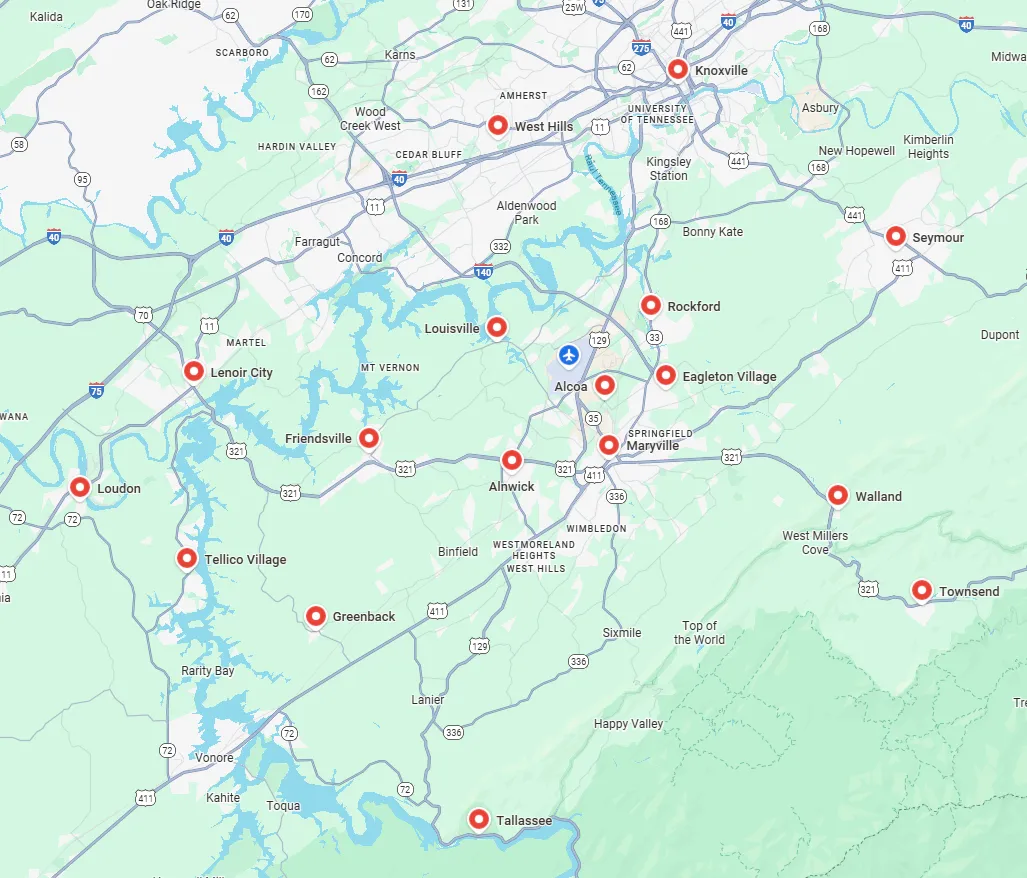
Service areas