

HVAC Installation in West Hills, TN
Replacing or installing a new HVAC system is one of the most important investments you can make in your West Hills, TN home. When it's properly sized and installed, your equipment will boost comfort, cut down on energy waste, keep the humidity in check during those sticky Tennessee summers, and significantly extend your system's life. At Everest Air Heating and Cooling, we pride ourselves on bringing experienced technicians and a meticulous, code-conscious approach to every HVAC installation in West Hills, TN, ensuring your home stays perfectly comfortable and reliable through every hot, humid summer and chilly winter.
.avif)
Why a professional HVAC installation matters in West Hills, TN
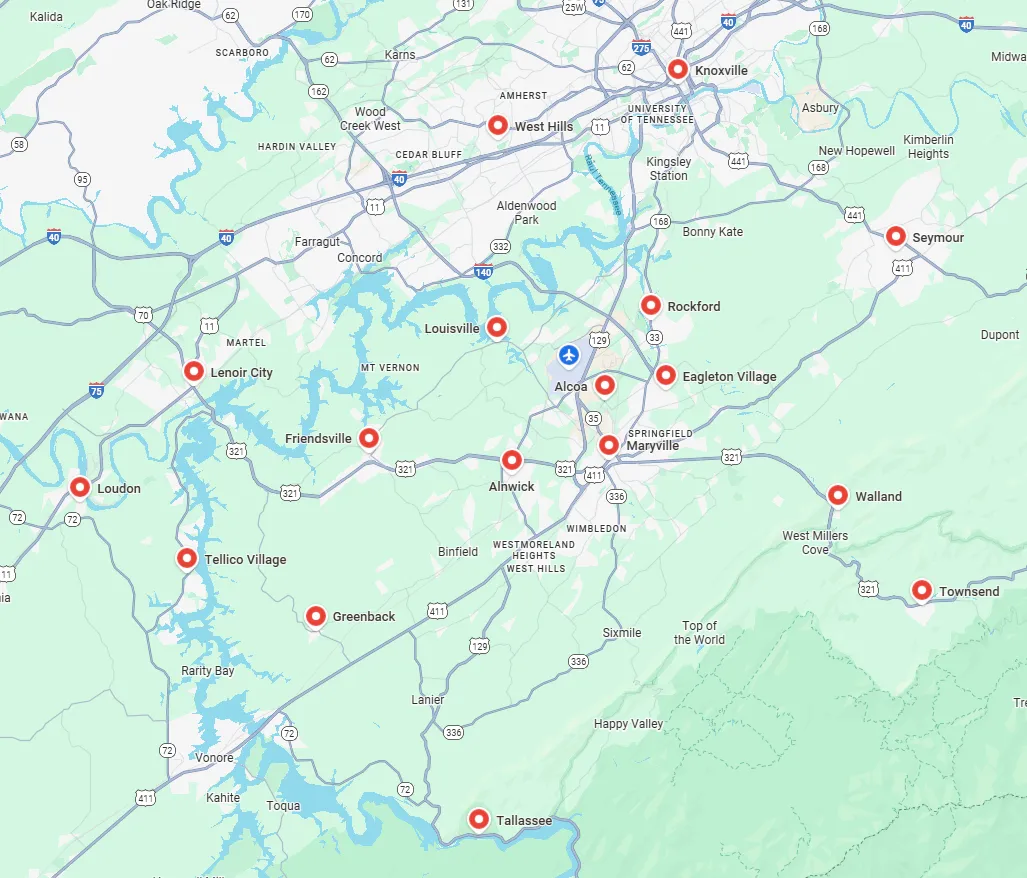
West Hills sits in the greater Knoxville area, where seasonal extremes and high summer humidity place extra demands on heating and cooling systems. Poorly sized or improperly installed equipment leads to uneven temperatures, persistent humidity, short cycling, and higher utility bills. Homes in this area often have mixed-age construction, attic and ductwork challenges, and landscaping or elevation differences that affect outdoor unit placement.
A professional installation reduces recurring repair needs and improves indoor air quality. Everest Air Heating and Cooling evaluates local conditions like humidity, attic insulation levels, and common duct layout patterns in West Hills homes to recommend systems that match both the building and the lifestyle of occupants.
Common scenarios that lead to a new HVAC installation
- Aging equipment beyond practical repair, with frequent breakdowns and declining efficiency.
- Replacing an undersized or oversized system that cannot maintain consistent temperatures or controls humidity.
- Renovations or home additions that change heating and cooling loads.
- Desire to upgrade to energy-efficient equipment or switch to a heat pump system for better year-round performance.
- Ductwork replacement or conversion to ductless Mini Split systems for room-by-room comfort.
Understanding the reason behind the replacement helps tailor the installation so the final outcome addresses comfort, efficiency, and longevity.
What to expect during a site assessment and load calculation
A detailed site assessment is the foundation of a successful installation. Everest Air Heating and Cooling performs a multi-point inspection to gather the information needed for accurate load calculations.
Key elements evaluated during assessment:
- Building envelope: wall, ceiling, and attic insulation levels plus window types and orientations.
- Square footage, ceiling heights, and room-by-room layout to understand heat gain and loss patterns.
- Occupancy and usage patterns such as work-from-home routines, rooms with additional equipment, and schedules.
- Existing ductwork condition, leakage, size, and layout.
- Location factors including sun exposure, shading by trees, and outdoor unit clearance options in West Hills yards.
- Local climate considerations such as summer humidity and typical winter lows that influence system type and controls.
After the inspection, a Manual J load calculation is completed. Manual J determines the precise heating and cooling capacity needed for your specific home rather than relying on rule-of-thumb sizing. Correct sizing is critical to avoid short cycling, excessive wear, and poor humidity control.
Equipment selection: matching brands and technologies to West Hills needs
Choosing the right equipment is more than picking a brand. It means matching system type and features to your home and lifestyle. Everest Air Heating and Cooling recommends energy-efficient models from trusted manufacturers such as York, American Standard, Goodman, Lennox, Ruud, and Rheem when appropriate.
Considerations for selecting equipment:
- System type: central split systems, heat pumps, ductless Mini Splits, or packaged systems depending on ductwork and comfort needs. Heat pumps are often an efficient choice for much of East Tennessee, providing both cooling and heating with strong efficiency in moderate winter conditions.
- Efficiency ratings: SEER for cooling and AFUE or HSPF for heating. Higher efficiency matters in West Hills where summers can be humid and prolonged.
- Variable capacity or multi-stage compressors that improve humidity control and comfort by running longer cycles at lower capacity.
- Indoor air quality options like high-efficiency filters, MERV-rated filtration, and UV or electronic air cleaners to mitigate pollen and airborne allergens common in the region.
- Noise levels and outdoor unit placement to respect neighborhood standards and avoid noise issues near windows and patios.
- Compatibility with smart thermostats and zoning systems to reduce operating costs and improve comfort across different levels of the home.
Equipment selection balances upfront investment, expected efficiency gains, and long-term reliability. Everest Air Heating and Cooling helps homeowners weigh those tradeoffs and choose a solution that fits the home and local climate.
Step-by-step installation workflow
A methodical installation minimizes disruption and ensures code compliance. The installation process used by Everest Air Heating and Cooling follows industry best practices and clear communication at each stage.
- Final pre-install check and parts confirmation
- Verify the final scope based on site assessment results and confirm the exact models, refrigerant type, and accessory requirements.
- Confirm clearances, electrical supply, and any structural changes needed for indoor or outdoor equipment locations.
- Preparation and protective measures
- Protect flooring, furnishings, and landscaping before work begins.
- Prepare condensation drainage paths and ensure accessible shutoffs and disconnects for safety.
- Removal of existing equipment
- Safely recover refrigerant, disconnect electrical and duct connections, and remove old equipment while following environmental and safety protocols.
- Inspect existing components like condensate pans and coils for underlying issues discovered during removal.
- Ductwork modifications and airflow balancing
- Repair or replace damaged duct sections, seal duct joints, and adjust duct sizing when required for new equipment capacity.
- Install necessary return pathways to ensure balanced airflow and improved indoor air quality.
- Equipment positioning and secure mounting
- Place outdoor unit on a level pad with proper clearance for airflow and service access, considering West Hills terrain and yard drainage.
- Install indoor coil, furnace, or air handler in the chosen mechanical space with vibration isolation and proper plenum connections.
- Refrigerant, electrical, and control connections
- Make correct refrigerant line sizing and brazing connections, evacuate lines and charge refrigerant per manufacturer specifications.
- Install dedicated electrical circuits, grounding, and disconnect switches following code.
- Configure thermostats and control wiring for zoning or smart features.
- Condensate and drainage setup
- Install reliable condensate drain lines, trap, and overflow protection.
- Routing must consider freezing potential in winter and proper slope for outdoor discharge or condensate pump placement.
- System startup and initial diagnostics
- Perform a thorough startup sequence including refrigerant pressures, superheat/subcooling checks, airflow verification, and electrical load measurements.
- Verify correct operation across operating stages and ensure defrost controls function correctly for heat pumps in cooler weather.
- Jobsite cleanup and homeowner orientation
- Remove debris and restore the work area.
- Provide a walkthrough explaining thermostat operation, service points, filter access, and preventive maintenance recommendations.
Following these steps ensures safety, manufacturer warranty compliance, and a system that performs to its rated efficiency.
Permitting, inspections, and code compliance in West Hills
Permits and code compliance are essential parts of responsible HVAC installation. Local jurisdictions in the Knox County area require permits for many HVAC replacements and changes. Everest Air Heating and Cooling navigates the permitting process, ensuring installations meet or exceed local and state building codes.
What to expect with permits and inspections:
- Permit submission based on the scope of work, including equipment type, electrical changes, and ductwork alterations.
- Inspections that may cover electrical, gas connections, and final mechanical installation.
- Documentation for refrigerant reclamation and disposal when removing old systems.
- Adherence to energy codes that may influence required efficiency levels, equipment sizing, and duct sealing standards.
Proper permitting and inspections protect homeowners from potential code violations, insurance issues, and resale complications while ensuring safe and reliable operation.
Commissioning, warranty, and documentation
Commissioning turns a completed installation into a dependable system. Everest Air Heating and Cooling documents startup settings, test results, and system configuration to provide transparency and long-term reliability.
Commissioning steps include:
- Verifying that installed equipment matches the specified model and that refrigerant charge, airflow, and electrical performance are within manufacturer tolerances.
- Running the system through full operating cycles to confirm multi-stage or variable-speed functions.
- Recording startup pressures, temperatures, amperage, and thermostat calibration.
Warranty and documentation:
- Manufacturers provide equipment warranties that cover components and, in some cases, compressor protection under certain conditions.
- Everest Air Heating and Cooling provides workmanship warranties covering installation practices and code adherence.
- Homeowners receive documentation detailing model numbers, serial numbers, refrigerant type, initial settings, and recommended maintenance schedule.
Keeping these records accessible is beneficial for future service, warranty claims, and resale disclosures.
Expected timelines and project considerations for West Hills installations
Timelines for a new HVAC installation vary depending on the complexity of the job, parts availability, and permitting. Simple like-for-like replacements with minimal ductwork changes can be completed in a day, while projects involving duct redesign, structural modifications, or custom zoning may require multiple days.
Factors that influence timelines:
- Permit review and inspection scheduling at the local jurisdiction.
- Lead times for specific equipment models, especially high-efficiency or specialty units.
- Extent of ductwork repairs, attic access limitations, or extra site prep for outdoor unit placement.
- Coordination for electrical upgrades or gas line work if needed.
Everest Air Heating and Cooling plans installations with realistic timelines so homeowners in West Hills can anticipate disruptions and plan accordingly.
Note on costs: installation cost depends on system type, efficiency level, ductwork condition, necessary electrical or gas upgrades, and local permitting requirements. While exact figures vary, understanding the factors above helps homeowners evaluate proposals and prioritize long-term value and efficiency gains.
Common installation challenges and how they are handled
West Hills homes can present specific challenges, and experienced installers plan for them.
- Tight attics and limited access: Use compact air handlers or adapt duct transitions to fit existing spaces while ensuring airflow.
- Older homes with undersized or leaky ducts: Recommend duct sealing, insulation, or partial replacement to ensure the new equipment performs as intended.
- Landscaping and outdoor unit siting: Choose locations that allow proper ventilation, avoid flood-prone areas, and meet noise and setback expectations.
- Ventilation and indoor air quality in tightly sealed homes: Integrate ERV/HRV systems or dedicated fresh air solutions when necessary to maintain healthy indoor environments.
- Electrical service limitations: Coordinate with licensed electricians for panel upgrades or dedicated circuits required by modern HVAC equipment.
Addressing these issues during the planning phase reduces delays and prevents performance shortfalls after installation.
Benefits of a correctly installed HVAC system in West Hills
A professionally installed and commissioned HVAC system delivers measurable benefits tailored to West Hills homes:
- Consistent comfort with better humidity control during humid summers.
- Lower energy use and improved efficiency through correctly sized equipment and sealed duct systems.
- Extended equipment life by avoiding short cycling and improper airflow stress.
- Improved indoor air quality and allergy mitigation with proper filtration and ventilation strategies.
- Reliable system performance with manufacturer and workmanship warranties documented for homeowners.
Beyond comfort, a well-executed installation supports long-term home value and occupant health.
Maintenance and long-term care tips after installation
New systems perform best when maintained. Regular maintenance protects the investment and sustains efficiency.
Key maintenance practices:
- Replace or clean filters regularly to maintain airflow and indoor air quality.
- Schedule seasonal Tune-Ups to check refrigerant charge, electrical connections, and overall performance.
- Keep outdoor units clear of debris, vegetation, and snow accumulation to preserve airflow.
- Monitor and repair any condensate drain issues promptly to avoid water damage and microbial growth.
- Track energy use and note sudden changes that could indicate emerging problems.
Consider joining a preventive maintenance plan that includes fall and spring checkups to catch small issues before they become major repairs.
FAQs
Q: How does Everest Air Heating and Cooling determine the correct system size for my West Hills home?
A: We perform a detailed site assessment and a Manual J load calculation that accounts for square footage, insulation, window types, orientation, occupancy patterns, and local climate factors. This calculation determines the precise heating and cooling capacity your home needs to operate efficiently and reliably.
Q: Which system types work best for West Hills, TN climates?
A: Heat pumps are often a strong choice in the Knoxville area because they provide efficient cooling and heating for much of the year. Central split systems and high-efficiency furnaces paired with air conditioners are also common. Ductless Mini Splits are an excellent option for additions or rooms without ducts. The best choice depends on your home layout, ductwork condition, and comfort priorities.
Q: Will a new HVAC system reduce humidity in my home?
A: Yes. Properly sized systems with variable-capacity compressors and adequate airflow run longer cycles at lower speeds, which improves dehumidification. In tightly sealed homes, adding or improving ventilation and using whole-home dehumidification can further control humidity during Tennessee summers.
Q: Do I need permits for HVAC installation in West Hills?
A: Most installations require permits and inspections through local jurisdictions in the Knox County area. Everest Air Heating and Cooling handles permit submissions and ensures installations meet local and state codes.
Q: How long does a typical installation take?
A: Timelines vary with complexity. Simple like-for-like replacements can often be completed in a single day, while projects needing ductwork modifications, zoning, or structural changes may take several days. Permit processing and equipment lead times can also affect scheduling.
Q: What warranties should I expect with a new HVAC installation?
A: Manufacturer warranties cover equipment components and may include compressor protection under specified conditions. Everest Air Heating and Cooling provides workmanship warranty documentation for the installation itself. We also document startup settings and maintenance recommendations to support warranty coverage.
Q: How can I improve indoor air quality after installation?
A: Use high-efficiency filtration, maintain fresh air ventilation, consider UV or electronic air cleaners for microbial control, and ensure ducts are sealed and clean. Filters and ventilation should be matched to the new system for optimal airflow and performance.
Q: Will installing a new HVAC system increase my home value in West Hills?
A: A properly sized, energy-efficient HVAC system with documented installation and maintenance records is an attractive feature for buyers. It signals reliable comfort, lower expected utility costs, and recent investment in home systems, which can enhance resale appeal.
Q: What should I do if my existing ductwork is in poor condition?
A: If ducts are undersized, leaky, or poorly insulated, we recommend repairing or replacing affected sections, sealing joints, and insulating ducts in unconditioned spaces. Proper ductwork is essential to realize the full efficiency and comfort benefits of a new HVAC system.
Q: Are smart thermostats compatible with new installations?
A: Yes. Most modern systems are compatible with smart thermostats and zoning controls. Integrating these components improves comfort management, allows more precise scheduling, and can deliver energy-saving benefits when configured correctly.
A professional HVAC installation tailored to West Hills, TN homes combines accurate load calculations, careful equipment selection, code-compliant workmanship, and thorough commissioning. Everest Air Heating and Cooling focuses on matching system performance to local climate realities, home construction, and long-term value to ensure reliable comfort and efficient operation season after season.
hear what our satisfied clients have to say

David P.
Service areas