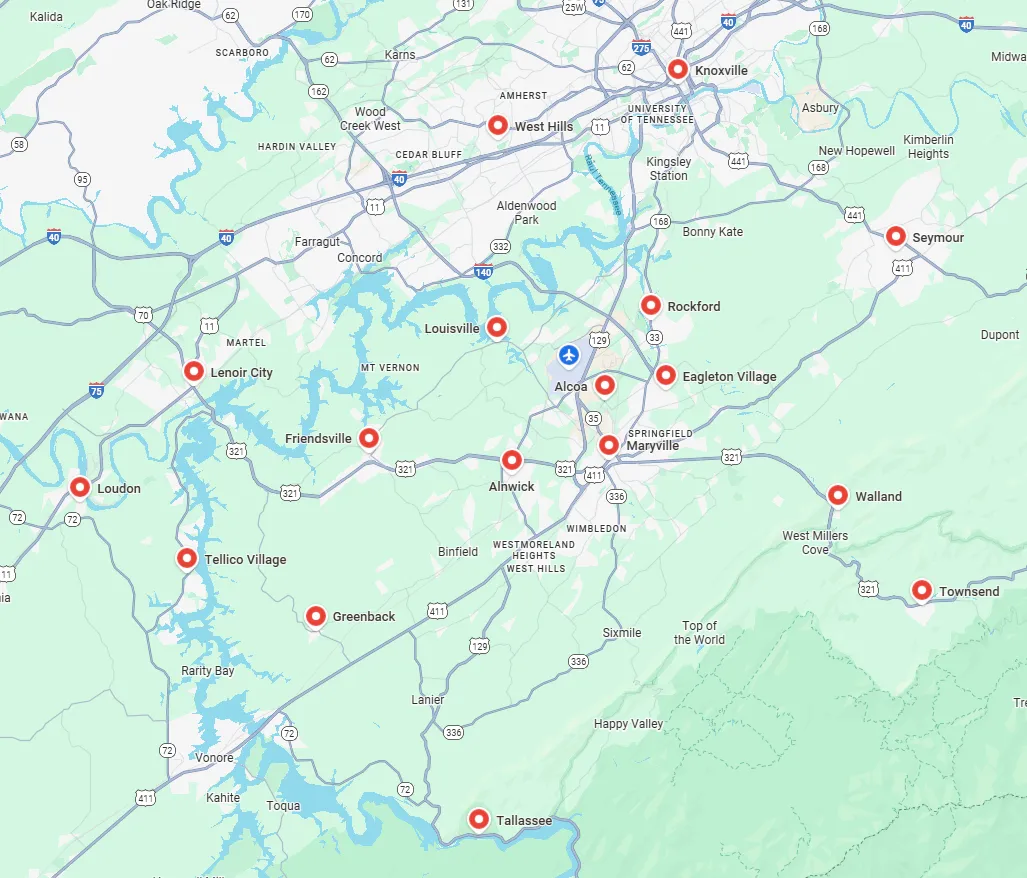


Commercial HVAC in Lousiville, TN
In Lousiville, TN, commercial HVAC systems are truly the backbone of comfortable, productive, and code-compliant business environments. That's why Everest Air Heating and Cooling provides experienced commercial HVAC design, installation, maintenance, and repair services, all specifically tailored to Lousiville's unique climate, diverse building types, and regulatory landscape. Whether you manage a retail store, restaurant, office, light industrial facility, school, or a multi-tenant commercial property, choosing the right HVAC strategy is crucial. It's about reducing downtime, lowering operating costs, and ensuring the comfort and safety of everyone inside. Trust Everest Air Heating and Cooling to deliver the solutions that make a real difference for your business.
.avif)
Why Commercial HVAC matters in Lousiville, TN
Lousiville experiences humid summers and variable winters, which places specific demands on commercial HVAC systems. High summer humidity increases latent load on cooling equipment, making proper ventilation and dehumidification critical for restaurants, retail spaces, and medical offices. Seasonal temperature swings can stress system controls, rooftop units, and ductwork. Local commercial properties also face tighter energy budgets and growing pressure to meet code compliance for ventilation and efficiency. Addressing these challenges proactively keeps businesses open, occupants comfortable, and mechanical assets performing efficiently.
Everest Air Heating and Cooling applies local knowledge and industry best practices to design and maintain systems that stand up to Lousiville conditions while meeting operational and regulatory requirements.
Common commercial HVAC issues in Lousiville, TN businesses
- Poor temperature or humidity control in tenant spaces, especially during humid summers.
- Uneven airflow or hot and cold zones caused by aging ductwork, clogged filters, or undersized equipment.
- Recurring compressor failures and refrigerant leaks from aging rooftop units.
- High energy consumption from outdated systems or poor controls and economizer operation.
- Emergency outages due to storm damage, electrical failures, or neglected maintenance.
- Code compliance gaps related to ventilation rates, make-up air, and local energy codes.
- Noise and vibration complaints from rooftop equipment affecting tenant satisfaction.
- Short cycling and frequent service calls due to improper system sizing or control issues.
Understanding the root causes of these problems is the first step toward reliable, cost-effective solutions.
Commercial HVAC service types we provide in Lousiville, TN
- System design and sizing for new construction and renovations
- Commercial rooftop unit (RTU) installation, replacement, and service
- Preventative maintenance contracts tailored for commercial properties
- Emergency commercial repairs and rapid troubleshooting
- Energy-efficiency upgrades: high-efficiency RTUs, economizers, controls, and VRF solutions
- Code compliance consulting and retrofit work for ventilation and energy standards
- Building automation system (BAS) integration and controls optimization
- Ductwork inspection, repair, and commercial air balancing
- Refrigerant management and leak detection for large systems
- End-of-life system replacement planning and budget forecasting
Each service is delivered with documentation and reporting useful for facility managers, property owners, and building engineers.
Commercial HVAC system design and installation process
Design and installation set the foundation for long-term performance, energy use, and occupant comfort. Our approach focuses on accurate load calculations, proper equipment selection, and installation practices that respect the building envelope and operational needs.
Key design and installation steps:
- Site assessment and discovery
- Review of building plans, existing mechanical systems, occupancy patterns, and equipment constraints.
- On-site measurements including rooftop clearances, duct lengths, electrical service capacity, and available utility connections.
- Load calculation and equipment selection
- Manual J/M and Manual D style calculations adapted to commercial standards, including latent load for humid conditions common in Lousiville.
- Selection of equipment rated for commercial duty: packaged rooftop units, split systems, VRF, or custom AHU systems.
- Controls and ventilation strategy
- Specification of economizers, demand-controlled ventilation, and CO2 monitoring where appropriate to balance IAQ and energy use.
- Integration plan for building automation systems or standalone BACnet/Modbus controls.
- Installation and commissioning
- Experienced technicians perform mechanical, electrical, and control wiring to code.
- Commissioning includes airflow measurements, refrigerant charge verification, control calibration, and functional testing to ensure system performs as designed.
- Documentation and turnover
- As-built documentation, maintenance checklists, and operational training for on-site staff so building operators can manage day-to-day needs.
Proper design and professional installation reduce lifecycle costs, extend equipment life, and minimize emergency service needs.
Preventative maintenance contracts for commercial properties
A structured preventative maintenance (PM) program is one of the most effective ways to protect your investment and prevent unexpected downtime. In commercial settings, small issues can escalate quickly, affecting tens to hundreds of occupants and causing lost revenue.
Elements of a robust commercial PM program:
- Seasonal inspections and Tune-Ups scheduled around peak usage cycles.
- Coil cleaning and condenser maintenance to preserve heat transfer efficiency.
- Filter management with MERV ratings appropriate to the business type and occupancy.
- Electrical inspections: tightness checks, contactor and relay testing, and motor amp draws.
- Belt, pulley, and fan inspections and adjustments to prevent mechanical failures.
- Refrigerant leak checks and charge verification on systems subject to leakage.
- Controls and sensor calibration including thermostat, economizer, and BAS checks.
- Performance reporting with recommended corrective actions and prioritized repair lists.
- Emergency response protocols and service credit or priority scheduling options.
- Customized checklists tailored for restaurants, medical facilities, multi-tenant buildings, warehouses, and offices.
Everest Air Heating and Cooling builds commercial PM contracts to match operational cycles and budget needs in Lousiville, ensuring predictable maintenance expenses and documented compliance with insurance or health code requirements when applicable.
Emergency commercial HVAC repairs and service response
When a commercial system fails, the impact is immediate: employees uncomfortable, customers dissatisfied, production slowed, or sensitive equipment at risk. Emergency repairs require a combination of diagnostic speed, technical expertise, and availability of commercial-grade parts.
Emergency repair protocol highlights:
- Rapid triage to determine whether a temporary solution can restore function while permanent repairs are scheduled.
- Systematic diagnostics: electrical checks, control signal verification, compressor and refrigerant assessment, and mechanical component inspection.
- Rooftop unit stabilization: securing loose panels, replacing failed starters or contactors, and restoring safe operation until replacement parts or a new unit can be installed.
- Temporary HVAC measures when safety or production requires—such as portable cooling or dedicated dehumidification—executed with attention to load management and power availability.
- Clear documentation of the issue, service performed, and recommendations for preventing recurrence.
For facility managers in Lousiville, TN, planning for emergency repair scenarios and understanding typical failure modes can reduce the time between outage and restored service.
Rooftop unit services and considerations
Rooftop units (RTUs) are common in Lousiville commercial buildings due to space-saving benefits and straightforward duct connections. Proper RTU care extends service life and improves efficiency.
RTU service specifics:
- Regular filter and coil maintenance to avoid heat transfer loss and compressor strain.
- Roof curb inspection and flashing to prevent water intrusion and structural damage.
- Vibration and noise mitigation to reduce tenant complaints.
- Economizer performance checks to ensure outdoor air modules are functioning and dampers are sealing correctly.
- Condensate drain maintenance to prevent overflow and microbial growth that can affect indoor air quality.
- Seasonal startup and shutdown procedures to protect compressors and preserve refrigerant integrity.
A well-maintained RTU can deliver consistent performance year-round in Lousiville’s humid summer conditions and fluctuating winter loads.
Energy-efficiency upgrades and code compliance
Commercial buildings in Lousiville are increasingly evaluated on energy efficiency and ventilation effectiveness. Upgrading HVAC systems can reduce operating costs and help meet local and national code requirements.
Common efficiency upgrades:
- High-efficiency RTUs with improved SEER/EER and enhanced modulation.
- Variable frequency drives (VFDs) on fans and pumps to match output to demand.
- Demand-controlled ventilation using CO2 sensors in occupied spaces such as conference rooms and restaurants.
- Economizer retrofits for increased free cooling during mild seasons.
- Building automation system integration for optimized scheduling, fault detection, and remote monitoring.
- Variable refrigerant flow (VRF) systems for multi-zone control and improved part-load efficiency.
Code compliance and regulatory considerations:
- Verification of ventilation rates to meet current standards for commercial spaces and the needs of specific occupancies.
- Documentation of installed equipment efficiencies and controls for inspectors and utility rebate programs.
- Refrigerant management and proper disposal practices in line with environmental regulations.
- Coordination with local building departments to ensure permits and inspections are completed for significant retrofits or replacements.
Everest Air Heating and Cooling helps businesses in Lousiville align HVAC upgrades with code requirements and long-term energy goals.
Diagnostics and performance verification
Commercial HVAC troubleshooting follows a methodical approach to find the root cause rather than repeatedly treating symptoms. Effective diagnostics save time and money.
Diagnostic process:
- Review of historical service records and recent complaints to prioritize likely failure modes.
- Visual inspection and safety checks to isolate obvious issues.
- Electrical diagnostics including voltage, current draw, and component-level testing.
- Airflow and ductwork measurements using anemometers or pressure differentials.
- Refrigerant system checks for proper charge, superheat, and subcooling values.
- Controls and sensor testing, including calibration and verification of control sequences.
- Load testing and runtime analysis to confirm solutions restore expected capacity.
Documented verification steps demonstrate returned system performance and support warranty or insurance claims when needed.
Local commercial project examples in Lousiville, TN
Project examples illustrate how a tailored approach produces reliable outcomes for businesses in Lousiville:
- Retail storefront retrofit: Replaced an undersized rooftop unit with a high-efficiency RTU and optimized supply ductwork. Results included improved temperature stability across the sales floor and fewer compressor cycles on peak summer days.
- Multi-tenant office building: Implemented demand-controlled ventilation and upgraded controls to a centralized BAS platform. Improved indoor air quality during busy periods and enabled tenant billing for HVAC usage by zone.
- Restaurant HVAC overhaul: Performed a full system redesign to address humidity and grease-laden exhaust. Installed dedicated make-up air and enhanced kitchen ventilation to meet code and improve comfort in the dining area.
- Light industrial warehouse: Installed VFDs on rooftop supply fans and optimized warehouse airflow for loading dock operations, reducing energy spikes and smoothing temperature gradients near workstations.
These anonymized examples reflect common challenges for Lousiville businesses and demonstrate the practical benefits of proper HVAC planning and execution.
Long-term benefits of proactive commercial HVAC management
Investing in well-designed systems and disciplined maintenance delivers measurable benefits over time:
- Lower operational costs due to reduced energy waste and fewer emergency repairs.
- Increased equipment lifespan from proper lubrication, cleaning, and calibration.
- Better occupant comfort and productivity that supports tenant retention and customer satisfaction.
- Easier compliance with evolving codes and standards, minimizing costly retrofits.
- Predictable maintenance budgets through contract-based service plans.
- Data-driven decisions enabled by performance reports and BAS insights.
Facility managers who prioritize HVAC health create a more resilient business environment and protect property value.
What to expect from working with Everest Air Heating and Cooling
Everest Air Heating and Cooling blends local experience with commercial HVAC best practices. Expect clear documentation, industry-standard diagnostic processes, and maintenance programs that reflect the demands of Lousiville facilities. Work is completed to current code expectations, and solutions are scoped with long-term operation and energy performance in mind.
Everest Air Heating and Cooling provides commercial services suited to the region’s climate, from humidity control tactics in hot months to system safeguards for winter usage. The team builds maintenance plans that integrate with a business’s operational rhythms and budgets, focusing on preventing interruptions and delivering steady performance.
Maintenance tips for Lousiville commercial properties
- Establish a seasonal check schedule that includes pre-summer cooling checks and pre-winter heating inspections.
- Keep rooftop access clear and address roof repairs promptly to prevent water damage to units and curbs.
- Implement a filter replacement schedule with MERV ratings suited to the occupancy type (higher MERV for medical and industrial spaces).
- Monitor energy use month-to-month to detect sudden anomalies that may indicate failing components.
- Prioritize coil cleaning for units exposed to pollen and summer humidity to maintain heat exchange efficiency.
- Document all service activity and equipment changes to streamline diagnostics when issues recur.
Consistent attention to these items reduces downtime and extends equipment life in Lousiville’s climate.
FAQ
Q: What types of commercial HVAC systems are best for Lousiville, TN climates?
A: Systems designed to handle high latent loads and variable temperatures perform best. High-efficiency rooftop units with proper dehumidification controls, VRF systems for multi-zone applications, and centralized air handling units with dedicated dehumidification are common solutions. Economizers and demand-controlled ventilation further optimize energy use during shoulder seasons.
Q: How often should commercial HVAC systems be serviced in Lousiville?
A: Most commercial systems benefit from at least two comprehensive service visits per year—pre-summer and pre-winter—with ongoing filter and condensate checks monthly during peak seasons. Facilities with heavy use, such as restaurants or hospitals, often require more frequent inspections and filter changes.
Q: What does a commercial preventative maintenance contract typically include?
A: A comprehensive contract includes seasonal inspections, coil and filter maintenance, electrical checks, refrigerant leak monitoring, belt and motor inspections, control calibration, performance reporting, and priority scheduling for repairs. Contracts can be customized to match specific building needs and occupancy patterns.
Q: Are rooftop units (RTUs) suitable for all commercial buildings in Lousiville?
A: RTUs are common and effective for many single-story and low-rise commercial buildings. However, for multi-zone applications or buildings with complex occupancy patterns, split systems, VRF, or central plant solutions may be more appropriate. Site constraints, roof condition, and ventilation requirements should guide selection.
Q: How can I improve energy efficiency without replacing my entire HVAC system?
A: Upgrades such as adding economizers, installing VFDs on fans and pumps, integrating controls with a BAS, optimizing setpoints, improving insulation and ductwork sealing, and implementing demand-controlled ventilation can significantly reduce energy use without full system replacement.
Q: What are common causes of frequent compressor failures in commercial units?
A: Frequent compressor failures often stem from inadequate refrigerant charge, dirty condenser coils, restricted airflow, electrical issues, or short cycling due to improper system sizing or control problems. Regular maintenance and proper commissioning help prevent these issues.
Q: How do code compliance requirements affect commercial HVAC projects in Lousiville?
A: Compliance typically involves meeting ventilation standards, energy efficiency codes, and proper refrigerant handling practices. Projects may require permit submittals, equipment efficiency documentation, and inspections. Understanding local jurisdiction requirements early in design helps avoid delays.
Q: Can commercial HVAC systems be monitored remotely for fault detection?
A: Yes. Building automation systems and modern control platforms can provide remote monitoring, alerts for abnormal operation, and trend data for performance analysis. Remote monitoring supports faster response to issues and more informed maintenance planning.
hear what our satisfied clients have to say

David P.
Service areas