

Heating Tune-Up in Greenback, TN
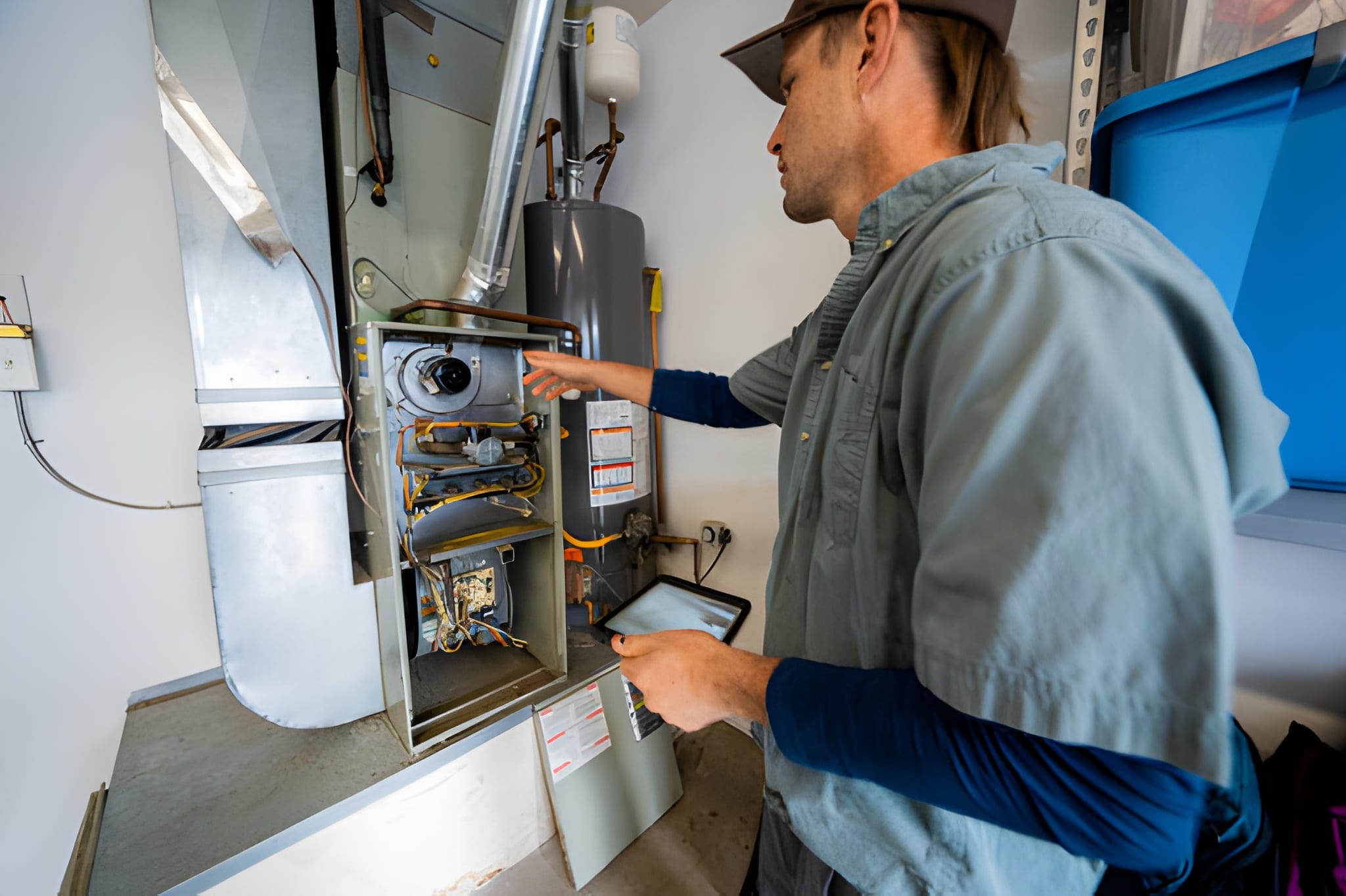
Keeping your heating system running safely, reliably, and efficiently throughout those Greenback winters really does start with one thing: a professional heating Tune-Up. At Everest Air Heating and Cooling, we offer a comprehensive seasonal Tune-Up that zeroes in on crucial safety checks, thorough combustion and carbon monoxide inspection, meticulous cleaning and calibration of components, precise airflow and thermostat testing, and carefully tailored efficiency adjustments for homes right here in Greenback, TN. Whether you rely on a gas furnace, an electric furnace, or a heat pump, a proper Tune-Up from Everest Air Heating and Cooling significantly reduces the risk of those frustrating midseason breakdowns, helps lower your energy use, and truly extends the life of your key heating components.
Why a heating Tune-Up matters in Greenback, TN
Greenback sits in East Tennessee where winter temperatures can swing from mild to very cold. Houses in this area often rely on natural gas furnaces or heat pumps for reliable winter comfort, and many homes have older ductwork or crawlspace air handlers that need special attention. Cold snaps, seasonal humidity shifts, and wood or gas appliances in rural settings raise the importance of safety-focused maintenance. Regular Tune-Ups help:
- Prevent breakdowns during the coldest nights
- Detect and eliminate carbon monoxide risks before they threaten occupants
- Restore lost efficiency and reduce heating bills
- Prolong the life of costly components like heat exchangers, motors, and compressors
- Ensure proper comfort and even room-to-room temperatures in older Greenback homes
Everest Air Heating and Cooling approaches each Tune-Up as both a safety inspection and a performance optimization. The goal is not only to repair problems, but to find and fix issues before they become emergencies.
Common heating problems we address in Greenback homes
Homeowners in Greenback often experience the following issues that a Tune-Up can catch and resolve:
- Uneven heating or cold spots due to clogged filters, imbalanced ductwork, or failing blowers
- Higher-than-normal heating bills from dirty burners, low refrigerant in heat pumps, or miscalibrated thermostats
- Furnace short-cycling caused by dirty flame sensors, blocked vents, or oversized thermostats
- Carbon monoxide intrusion or unsafe combustion from cracked heat exchangers, blocked flues, or poor venting
- Inadequate airflow from dirty ducts, collapsed flex duct in crawlspaces, or failing blower motors
- Frozen outdoor heat pump coils or improper defrost cycle operation during late fall and winter transitions
A Tune-Up is designed to identify the root causes of these symptoms and implement corrections that restore safe, efficient operation.
What a professional heating Tune-Up includes
A proper seasonal Tune-Up is methodical. Everest Air Heating and Cooling follows industry best practices and includes these core steps during a heating Tune-Up in Greenback, TN:
- Initial system overview
- Review system type and age (gas furnace, electric furnace, heat pump)
- Record model numbers, service history, and any owner concerns
- Visual inspection of indoor and outdoor units, vents, and accessible ductwork
- Safety and combustion inspection
- Carbon monoxide testing at the furnace flue and inside the home to identify unsafe levels
- Combustion analysis for gas or propane systems to measure CO, oxygen, and combustion efficiency
- Check for proper venting, blocked chimneys, or cap and flue damage
- Inspect heat exchanger for visible cracks, corrosion, or signs of failure
- Verify operation of safety controls including limit switches, pressure switches, and flame rollout switches
- Cleaning and component service
- Clean burners, pilot, and ignition assemblies for gas furnaces to ensure stable flames
- Clean or change primary air filters and inspect filter frames
- Clean evaporator coils and condensate drains on systems that include cooling coils or heat pumps
- Remove dust buildup from the blower assembly, motor, and housing
- Clean flame sensor and/or ignitor to prevent nuisance shutdowns
- Electrical and mechanical checks
- Tighten electrical connections and inspect control wiring
- Test capacitors, relays, contactors, and motor windings for proper operation
- Lubricate motors and bearings where applicable
- Inspect belts and pulleys and adjust or replace if worn
- Airflow and duct diagnostics
- Measure static pressure and airflow to confirm the blower delivers manufacturer specified CFM
- Inspect visible ductwork in basements or crawlspaces for leaks, disconnected runs, or crushed ducts common in older Greenback homes
- Recommend duct sealing or insulation when leaks or major heat losses are identified
- Thermostat and control calibration
- Verify thermostat accuracy and recalibrate if needed
- Check programming and cycle times to align with occupant schedules for efficiency
- Test stage changeovers on multi-stage systems and heat pump modes, including defrost cycles
- Efficiency optimization and adjustments
- Adjust burner or gas pressure to factory specifications for optimal combustion
- Verify refrigerant levels on heat pumps and adjust charge to proper superheat and subcooling targets
- Balance system airflow and set the correct temperature rise across the furnace
- Recommend upgrades like programmable thermostats, high efficiency filters, or zoning if beneficial for the home
- Final safety verification
- Run the system through a full heat cycle while monitoring safety devices, temperatures, and CO levels
- Provide homeowners with a clear summary of findings, any immediate repairs performed, and recommended next steps
Specific Tune-Up notes for different system types
- Gas furnaces
- Focus on combustion, burner cleaning, flame sensor, heat exchanger inspection, and venting integrity.
- Carbon monoxide testing is critical because a crack in the heat exchanger or blocked venting can lead to dangerous CO leaks.
- Heat pumps and ductless systems
- Check outdoor unit integrity, refrigerant charge, compressor and reversing valve operation, and defrost cycle performance.
- For homes in Greenback, heat pumps provide efficient heating on milder winter days but require clean coils and correct charge to avoid poor performance during cold snaps.
- Electric furnaces and baseboard heat
- Inspect electrical elements, connection points, and safety cutouts.
- Electric systems are less likely to cause CO issues but still benefit from airflow and control checks.
What a combustion and carbon monoxide inspection looks like
Safety is the highest priority. The combustion and CO inspection includes:
- Measuring flue gas composition using a combustion analyzer to check CO, CO2, oxygen, and combustion efficiency
- Testing at the draft hood or vent connector to make sure gases are properly exhausting outdoors
- Inspecting chimney and venting for blockages, animal nests, corrosion, or improper pitch
- Measuring CO in the living space and at the appliance to ensure levels are within safe ranges
- Verifying that carbon monoxide alarms are present, properly located, and functional as a recommended safety step for every home
Detecting a combustion problem or elevated CO levels during a Tune-Up is not uncommon in older or poorly maintained systems. Immediate action is required if unsafe conditions are found.
Efficiency adjustments and energy savings you can expect
A well-executed heating Tune-Up can restore lost efficiency, which translates to lower energy bills and more consistent comfort. Typical benefits include:
- Restored heat output and more even temperatures throughout the home
- Reduced energy use by often 5 to 15 percent depending on the condition of the system and degree of buildup or miscalibration
- Fewer short cycles that waste energy and increase wear on the compressor or furnace
- Extended equipment life by preventing premature failure of motors, compressors, and heat exchangers
Greenback homeowners often see the greatest savings when Tune-Ups are combined with small home improvements such as sealing duct leaks, adding thermostat setbacks, or replacing heavily soiled filters.
Recommended Tune-Up intervals for Greenback homes
- Annual comprehensive heating Tune-Up in the fall before the heavy-use heating season is recommended for most systems.
- Heat pump owners should have two Tune-Ups per year when possible: one in the fall for heating and one in the spring for cooling, because heat pumps serve both functions and experience strain in both seasons.
- Older systems, systems with known problems, or homes with sensitive occupants (young children, elderly, or medically vulnerable) may benefit from semiannual inspections.
- Homes that run heating near-continuously or have high humidity swings in crawlspaces may need more frequent attention to ductwork and condensate systems.
Following regular intervals preserves equipment warranties for many manufacturers and helps avoid emergency repairs during cold weather.
Repairs and replacements commonly recommended after Tune-Ups
A Tune-Up often identifies items that should be repaired or replaced for safe and reliable operation. Typical recommendations include:
- Replace disposable or high-efficiency filters
- Clean or replace a failing flame sensor or ignitor
- Replace worn blower motors, belts, or capacitor units
- Seal or repair duct leaks discovered during airflow testing
- Replace cracked or rusted heat exchangers in gas furnaces when unsafe
- Recharge refrigerant in heat pumps when low due to leaks, followed by leak repair
- Replace nonfunctioning thermostats or upgrade to programmable models for better control
Everest Air Heating and Cooling documents findings clearly so homeowners understand which issues are urgent and which are maintenance items that can be scheduled for later. Repairs that impact safety are flagged immediately.
Practical maintenance tips for homeowners between Tune-Ups
Keeping your system healthy between professional visits is important. Simple steps you can take include:
- Change or clean filters according to manufacturer guidance, often every 1 to 3 months
- Keep vents and returns free of furniture and obstructions to maintain good airflow
- Inspect vents in crawlspaces and attics for damage, rodents, or insulation issues that affect ducts
- Test carbon monoxide detectors monthly and replace batteries yearly; replace detectors every 6 to 10 years depending on model
- Keep outdoor units clear of leaves, debris, and snow to preserve airflow (important for heat pumps)
- Set thermostats to avoid extreme temperature swings that force excessive cycling
- Note unusual noises, odors, or performance drops and document when they occur to help technicians diagnose issues quickly
These actions reduce wear and help maintain the system until the next professional Tune-Up.
Why professional Tune-Ups are a better investment than DIY checks
Homeowners can perform basic checks like replacing filters and testing CO detectors, but professional Tune-Ups provide deeper value:
- Trained technicians use combustion analyzers, refrigerant gauges, and electrical testers to find problems that are invisible to the homeowner
- Proper cleaning and calibration require disassembly and reassembly of components that untrained DIY work can damage
- Safety inspections for heat exchangers and venting require experience and the right instruments to accurately assess risk
- Technicians spot secondary issues such as ductwork problems, insulation gaps, or improper system sizing that affect overall system performance
Everest Air Heating and Cooling blends technical inspection with homeowner education so you know what was inspected, what was repaired, and why certain fixes are recommended.
How local conditions in Greenback influence Tune-Up priorities
Greenback homes may face specific challenges that change the Tune-Up approach:
- Seasonal humidity shifts and proximity to rural wooded areas increase the likelihood of debris in outdoor units and animal intrusion into vents or chimneys
- Older homes with uninsulated or poorly sealed ducts in crawlspaces require duct pressure and airflow testing to avoid heat loss
- Many Greenback homes use a combination of heating sources, such as gas furnaces paired with wood stoves. Checking flue compatibility and venting is essential to prevent backdrafting and CO risks
- Cold snaps during winter demand correct refrigerant levels and defrost cycle function for heat pumps to avoid heat loss and compressor stress
Technicians familiar with Greenback and surrounding communities tailor their inspections to these common local scenarios.
About Everest Air Heating and Cooling and our approach to Tune-Ups
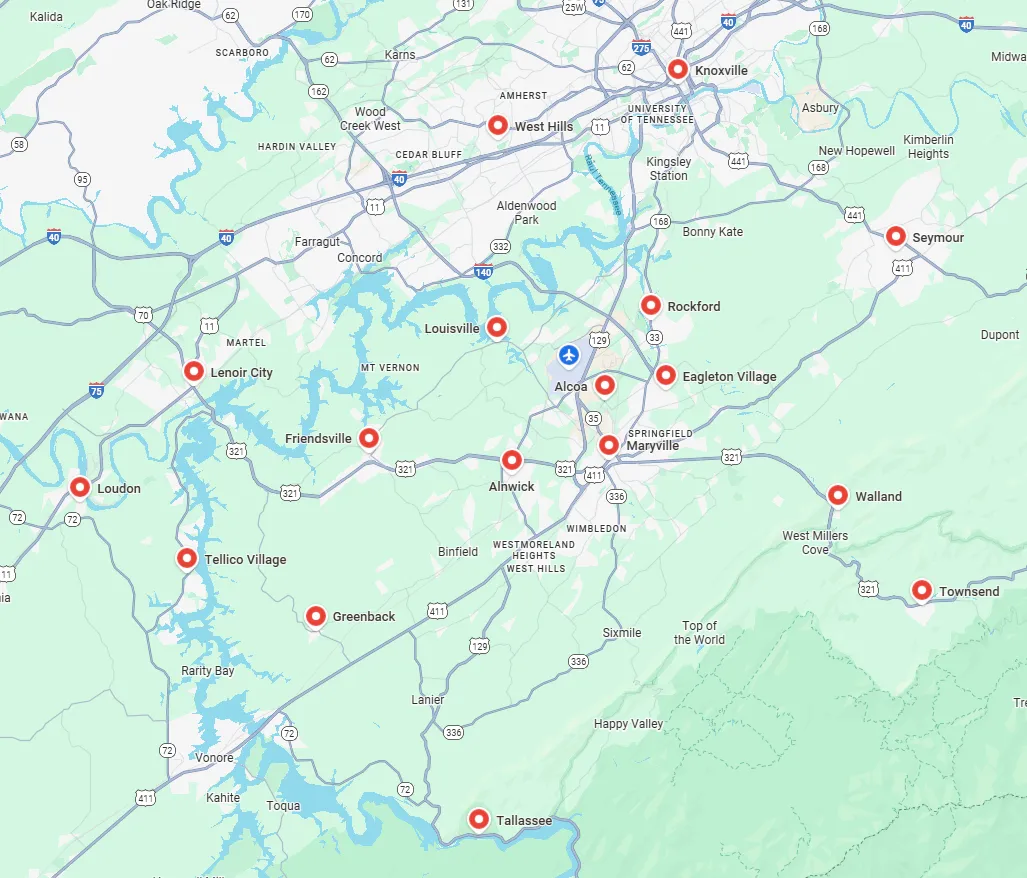
Everest Air Heating and Cooling is a family owned company with deep roots in Maryville and service across Blount, Loudon, Knox, and Sevier counties. Our Tune-Ups are delivered with a focus on safety, transparency, and no-nonsense workmanship. We follow established standards for combustion testing, electrical safety, and airflow diagnostics to ensure every Tune-Up is thorough.
For homeowners who prefer scheduled maintenance, the Y.E.T.I Comfort Plan offers seasonal checkups that align with recommended fall and spring service visits, priority scheduling, and ongoing maintenance benefits. Membership details, coverage, and benefits are clearly outlined so you can decide if a plan fits your home maintenance strategy.
Frequently asked questions
Q: How long does a heating Tune-Up usually take?
A: Most comprehensive Tune-Ups take between 60 and 90 minutes for a single residential system, depending on system type, accessibility, and whether repairs are needed. Heat pumps or systems with complex ductwork may take longer.
Q: Will a Tune-Up include carbon monoxide testing?
A: Yes. Carbon monoxide and combustion testing are standard parts of a gas furnace Tune-Up. Technicians measure CO levels at the flue and in the home and inspect venting and the heat exchanger for safety risks.
Q: How often should I schedule a Tune-Up for a heat pump?
A: Heat pumps benefit from two Tune-Ups per year, ideally fall and spring, because they operate for both heating and cooling seasons. Annual inspection is the minimum for systems in mild-use situations.
Q: Can a Tune-Up prevent all breakdowns?
A: A Tune-Up greatly reduces the chance of unexpected failures by catching wear and potential issues early, but it cannot guarantee every component will last the entire season. Regular Tune-Ups, prompt repairs, and addressing identified problems minimize risk.
Q: Will a technician adjust my thermostat settings?
A: Yes. Thermostat calibration and programming checks are part of the Tune-Up. Technicians verify accurate temperature reporting, test control signals, and suggest efficient programming for your household needs.
Q: Are repairs covered during a Tune-Up visit?
A: A Tune-Up typically includes inspection, cleaning, and minor adjustments. Necessary repairs or part replacements are identified and documented. Homeowners receive a clear explanation of recommended repairs and why they are needed.
Q: How much can I expect to save on energy after a Tune-Up?
A: Savings vary by system condition and home characteristics, but homeowners often see energy reductions in the range of 5 to 15 percent after an effective Tune-Up and addressing common issues like dirty burners, low refrigerant, or duct leaks.
Q: Do you inspect ductwork during a Tune-Up?
A: Visible and accessible ductwork is inspected during the Tune-Up. If a detailed duct leakage test or sealing is recommended, that is identified as an additional service because it requires targeted equipment and time.
Q: Is a Tune-Up required to keep my warranty valid?
A: Many manufacturer warranties require annual professional maintenance. It is important to follow the warranty terms for your specific equipment and keep records of maintenance visits.
Q: What should I do if my carbon monoxide alarm goes off after a Tune-Up?
A: If an alarm sounds, evacuate the home immediately, seek fresh air, and follow local safety procedures. Inform emergency services and your HVAC provider. A Tune-Up should have reduced CO risk, but alarms require immediate action.
A professional heating Tune-Up is one of the most cost effective, safety minded steps Greenback homeowners can take to protect comfort and control heating costs. Everest Air Heating and Cooling delivers in-depth inspections and practical recommendations that align with local needs and system types, pairing technical rigor with clear communication so you understand the condition and performance of your heating equipment. Regular Tune-Ups keep your system running safely through the season and help avoid the major repairs that interrupt comfort on the coldest nights.
hear what our satisfied clients have to say

David P.
Service areas