
Heating Repair in Greenback, TN
When winter months bring freezing nights to Greenback, TN, a reliable heating system is essential for comfort and safety. Everest Air Heating and Cooling specializes in professional heating repair in Greenback, TN for furnaces, heat pumps, and ductless systems. We'll explain how we diagnose faults, the most common repair scenarios you may encounter in local homes, the parts we replace most often, what to expect from emergency and after-hours responses, the brands we service, and our workmanship guarantees. These details are designed to help you make an informed decision and request prompt, efficient service from Everest Air Heating and Cooling when your heating system is failing or underperforming.
Why timely heating repair matters in Greenback, TN
- Cold snaps and overnight freezes are common in Blount and Loudon counties, which puts extra stress on heating systems. A small fault can escalate into a full system failure on the coldest night.
- Older homes and rural properties around Greenback often have aging ductwork, mixed heating technologies, and gas or oil connections that require careful inspection and safe handling.
- Prompt repair restores comfort and reduces energy waste. Systems that run inefficiently because of a fault use more fuel or electricity and can accelerate wear on components.
Common heating systems we repair
- Gas Furnaces: Natural gas and propane furnaces remain common in Greenback homes. Repairs often involve ignition systems, gas valves, heat exchangers, blower motors, and control boards.
- Electric Furnaces: Electric heat elements, sequencers, and fuses are typical service items.
- Heat Pumps: Air-source heat pumps are popular due to efficiency; repairs can include refrigerant leaks, compressor issues, reversing valves, defrost control faults, and reversing valve malfunctions in winter.
- Ductless Mini Split Systems: Ductless systems require specialty diagnosis for indoor and outdoor unit communication, compressor operation, refrigerant charge, and line set insulation or freeze issues.
- Hybrid Systems and Zoned Heating: Multi-component systems with backup gas or electric heat require coordinated diagnostic steps to identify which component failed.
Common heating repair scenarios in Greenback, TN homes
- No heat at all: Could be caused by thermostat problems, failed ignitors, tripped safety switches, gas supply issues, or complete control board failure.
- Intermittent heating: Units that start then shut down often have cycling problems, flame sensing issues, clogged condensate drains, thermostat wiring faults, or failing blower motors.
- Weak airflow: Reduced heating often traces to dirty filters, blocked ducts, failing blower motors, or a failing fan capacitor.
- Short cycling: When a furnace or heat pump turns on and off rapidly. Causes include oversized equipment, restricted airflow, thermostat location or calibration issues, or safety limit switches triggered by overheating.
- Unusual noises: Rattles, squeals, or banging can indicate bearing failure in motors, loose panels, failed belts, or failing compressors in heat pumps.
- High energy bills with reduced comfort: Often due to low refrigerant, dirty coils, failing components, or poor airflow making the system work harder.
- Heat pump-specific issues: Loss of heating performance in low temperatures due to defrost control failure, low refrigerant charge, or failing reversing valve.
- Ductless-specific faults: Indoor unit not communicating with outdoor unit, ice on the outdoor unit, or poor refrigerant pressure.
How diagnosis works: what to expect from a professional service visit
- Initial intake: When preparing to contact a professional, have the make and model of the equipment ready if possible, any recent symptoms, and when the problem started. This speeds initial triage.
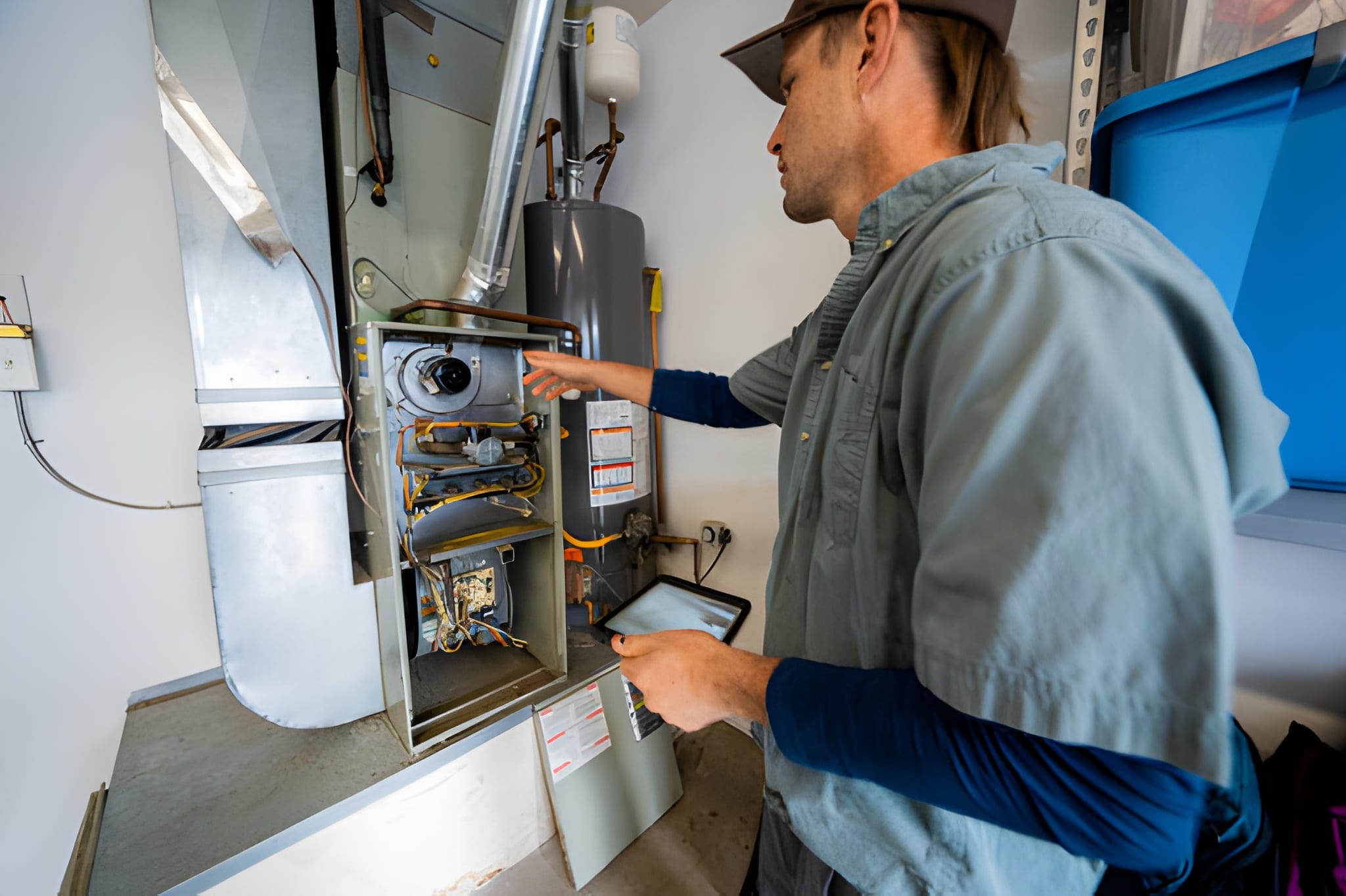
- Visual inspection: The technician will perform a complete visual inspection of the indoor unit, outdoor condensing unit (if applicable), thermostat, ductwork, filters, electrical panels, and safety controls.
- System-specific checks:
- Furnaces: Check gas supply and pressure, ignition system (pilot, hot surface ignitor), flame sensor condition, heat exchanger for obvious cracks, inducer motor operation, blower motor and capacitor, and control board diagnostic codes.
- Heat pumps: Check refrigerant pressures, reversing valve operation, compressor health, defrost cycle behavior, and outdoor coil condition.
- Ductless systems: Verify communication between indoor and outdoor units, inspect line set for frost or leakage, measure superheat/subcooling, and confirm control board operation.
- Electrical testing: Confirm voltage at motors and controls, test capacitors and relays, and inspect wiring for signs of wear or overheating.
- Safety and combustion testing: For gas systems, combustion analysis and carbon monoxide risk assessment may be performed if symptoms suggest a problem.
- Diagnostic report: You should receive a clear description of findings, the probable cause, recommended repairs or parts replacement, and how the repairs will resolve the symptoms. The report should explain both short-term fixes and longer term considerations for system reliability.
Typical parts that may require replacement
- Ignitors and pilot assemblies for gas furnaces
- Flame sensors and thermocouples
- Gas valves and pressure regulators
- Blower motors and wheel assemblies
- Capacitors and contactors
- Control boards and relays
- Thermostats and communicating controls
- Refrigerant lines, driers, and access valves
- Compressors and reversing valves for heat pumps
- Indoor fan motors and circuit boards for ductless heads
- Limit switches, safety rollouts, and pressure switches
Brand coverage and expertise
Everest Air Heating and Cooling services and repairs most major HVAC brands that are common in the Greenback area. Typical manufacturers we work with include York, American Standard, Goodman, Lennox, Ruud, Rheem, Trane, Carrier, Bryant, and many ductless-specific manufacturers. Technicians are trained to read manufacturer error codes, use OEM diagnostic procedures when appropriate, and ensure any replacement parts meet or exceed the original specifications.
Workmanship guarantees and parts warranties
- Repairs should include a clear workmanship guarantee that protects you against premature failure of the service performed. Everest Air Heating and Cooling provides workmanship protection on repairs to ensure that the repair performed addresses the diagnosed problem and that installation standards meet industry codes.
- Manufacturer parts typically carry their own warranty. When replacement parts are used, technicians will document the part number and the applicable manufacturer warranty, and explain coverage duration and conditions.
- Written documentation of the repair, including replaced parts, serial numbers, and any settings adjusted, provides traceability for warranty claims and future service decisions.
Emergency and after-hours response expectations
- Availability: Emergency or after-hours services are typically reserved for no-heat situations or conditions that create a safety risk, such as suspected gas leaks, persistent carbon monoxide alarms, or frozen pipes caused by lack of heating.
- Response time: Response times can vary based on technician availability, weather conditions, and the time of night. A professional provider will triage calls to prioritize homes with vulnerable occupants and safety risks.
- On-site procedures: After-hours visits focus on restoring safe heat quickly. In many cases, technicians will perform temporary measures to provide heat while planning a permanent repair during regular hours. This may include bypass solutions, temporary components, or safe operation instructions.
- Parts availability: Some parts may not be available immediately outside normal business hours. Expect that a full repair may require a return visit if parts must be ordered. Technicians can often provide temporary fixes or load-sharing strategies to keep pipes from freezing.
- Safety protocols: Technicians will follow safety checks appropriate for after-hours work, including gas leak detection, combustion checks, and electrical safety verification.
Cost and repair versus replacement guidance
- Repair makes sense when a specific component fails on an otherwise sound system, when the repair restores reliable operation, or when system age and efficiency argue against full replacement.
- Replacement is often the better long-term investment when:
- The system is near or beyond its expected service life (commonly 15 to 20 years for furnaces, 10 to 15 years for heat pumps depending on model and maintenance).
- Multiple major components are failing or the heat exchanger on a gas furnace is compromised.
- System efficiency is low and replacement delivers significant energy savings and improved comfort.
- A professional assessment will weigh the cost of immediate repair, the likelihood of additional failures, estimated remaining life, and efficiency gains from replacement. Expect transparent comparisons that include estimated annual operating costs and comfort improvements.
Preventive maintenance to reduce repair needs
- Annual Tune-Ups: A fall heating Tune-Up helps prevent the most common winter failures. Technicians clean burners, inspect heat exchangers, check refrigerant charge on heat pumps, lubricate moving parts, replace filters if necessary, and test safety controls.
- Filter changes: Replacing or cleaning filters every 1 to 3 months depending on use and filter type improves airflow and reduces strain on blowers.
- Duct inspection: Leaky, disconnected, or poorly insulated ducts are common in older Greenback homes. Duct repair or sealing improves distribution and efficiency.
- Thermostat upgrades and calibration: Modern programmable or smart thermostats can improve system cycling and reduce wear by optimizing run cycles.
- Enroll in a maintenance plan: Programs such as the Y.E.T.I Comfort Plan provide seasonal inspections, priority scheduling, and preventative checks that identify small issues before they become major repairs. Regular maintenance often includes discounts on repairs and documented service history that supports resale value.
Safety considerations specific to Greenback, TN homes
- Combustion safety: Natural gas and propane systems must be inspected for combustion safety, heat exchanger integrity, and proper ventilation. Carbon monoxide risk increases with blocked vents, cracked heat exchangers, or incorrect combustion.
- Freeze protection: Rural properties with exposed pipes or less insulating layers can suffer faster when heat fails. Technicians will check for risks to plumbing while diagnosing heating failures.
- Electrical safety: Older homes may have older wiring or panels that require careful load assessment when installing replacement equipment or diagnosing frequent blower motor failures.
What to prepare when arranging service
- Unit details: If available, note the make, model, and serial number of the heating equipment. This helps technicians identify compatible parts and typical failure modes.
- Symptoms and history: Note when the problem began, any unusual sounds or smells, recent maintenance history, and whether the system worked at all recently.
- Accessibility: Ensure access to the indoor unit, furnace closet, thermostat, and outdoor unit if applicable. Clear pathways make diagnosis quicker and more efficient.
- Occupant needs: Inform the service provider about occupants with health vulnerabilities, infants, or pets that may affect scheduling and priority.
How Everest Air Heating and Cooling approaches heating repair in Greenback, TN
- Family-owned focus: Everest Air Heating and Cooling operates with a practical, family-first approach to service. Technicians are trained to prioritize safe, reliable results while providing clear explanations in plain language.
- No high pressure: Repair recommendations aim to restore safe operation and long-term reliability rather than push unnecessary replacements. Options are presented with pros and cons for repair or replacement.
- Transparent documentation: Each service visit includes a written diagnosis, parts list, and explanation of the recommended work so homeowners can make informed decisions.
- Trained technicians: Field technicians are certified and experienced across furnace, heat pump, and ductless technologies and are familiar with the typical installation conditions found in Greenback and surrounding counties.
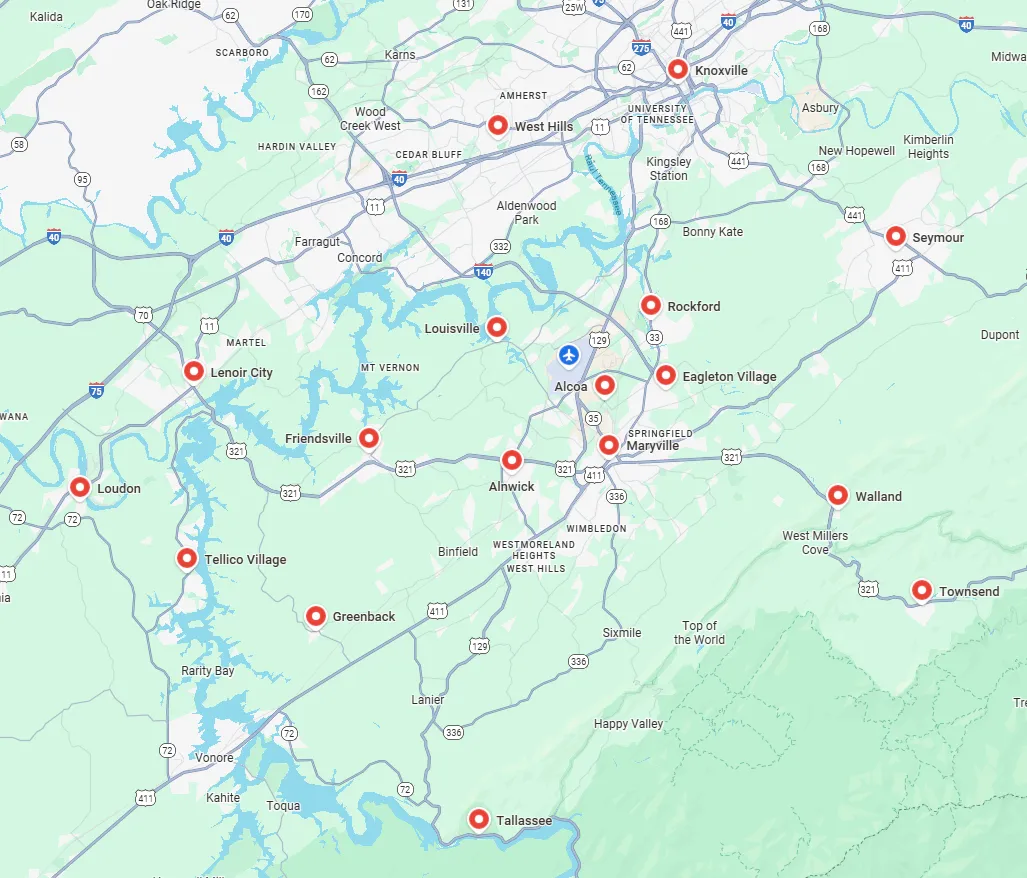
- Local knowledge: Serving Greenback, TN and nearby communities means technicians are familiar with local weather patterns, common home construction types, and typical system configurations. That local knowledge enables faster, more accurate diagnosis and better long-term outcomes.
Typical timeline for repair work
- Diagnostic visit: Most problems are diagnosed on the first visit. The time required depends on system complexity and whether safety testing is required.
- Simple repairs: Replacing common components such as capacitors, ignitors, or filters is often completed in a single visit.
- Complex repairs: Replacing compressors, major control boards, or addressing refrigerant leaks may require ordering parts and scheduling a follow-up visit. When possible, a temporary measure may be implemented to restore heat until a permanent repair can be completed.
- Documentation and warranty: After repair, homeowners receive documentation of the work performed, parts installed, and warranty information for parts and labor.
Making a confident decision
When considering repair choices, evaluate:
- The age and overall condition of the system
- The cost and expected lifespan extension from the repair
- Energy efficiency impacts and expected operating costs going forward
- The presence of safety concerns that mandate repair or replacement
Everest Air Heating and Cooling provides assessments that allow homeowners to compare repair and replacement options in clear terms, supported by local expertise for Greenback, TN homes.
Frequently asked questions
Q: How quickly can a heating repair technician get to my Greenback home when the heat goes out?
A: Response times vary by provider and current demand. In emergency or safety situations technicians typically triage calls to prioritize homes with vulnerable occupants and risk of frozen pipes. Be prepared with unit make and model and clear access to the equipment to speed the visit.
Q: Will you repair my old furnace or recommend replacement?
A: The decision is based on system age, the specific failed components, efficiency loss, and the likelihood of additional failures. If the system is otherwise healthy and a single component failed, repair is often the practical choice. If multiple major components are failing or the heat exchanger is compromised, replacement may be the safer and more economical long-term solution.
Q: What brands do you service in Greenback, TN?
A: Technicians are experienced with most major HVAC brands, including York, American Standard, Goodman, Lennox, Ruud, Rheem, Trane, Carrier, and many ductless manufacturers. Technicians use manufacturer diagnostics and OEM-equivalent parts when appropriate.
Q: What should I expect during an after-hours repair?
A: After-hours service focuses on restoring safe operation quickly. Temporary solutions are common if parts are not immediately available. Technicians perform necessary safety checks and may schedule a follow-up for permanent repairs when parts can be obtained.
Q: Are replacement parts covered by warranty?
A: Manufacturer parts typically carry their own warranty. Workmanship performed by the technician should include a service warranty that covers the installation or repair work for a defined period. Documentation of both warranties is provided after the repair.
Q: How can I reduce the chance of emergency heating repairs?
A: Regular preventive maintenance is the most effective strategy. Seasonal Tune-Ups, timely filter changes, duct inspection and sealing, and attending to minor issues early greatly reduce the likelihood of emergency failures.
Q: Do you inspect for carbon monoxide and combustion safety?
A: Yes. For gas and oil-fired systems we perform combustion safety checks and will inspect heat exchangers, venting, and associated safety controls. Any signs of combustion problems are treated as a priority due to the serious health risks.
Q: What information should I have ready when I request service?
A: Note the system make, model, serial number if available, a description of the symptoms, when the problem started, and any recent maintenance. Clear access to the furnace, thermostat, and outdoor unit will help the technician diagnose the problem faster.
Q: Can a heat pump still be repaired if it has low refrigerant?
A: Yes, but repairs should identify and fix the leak source before recharging refrigerant. A repeat recharge without addressing the leak will likely result in repeat failures and higher costs.
Q: What does the diagnostic visit include?
A: A diagnostic visit typically includes a visual inspection, electrical testing, system-specific checks (ignition, refrigerant pressures, control board diagnostics), safety checks, and a written diagnostic report with options for repair or replacement.
hear what our satisfied clients have to say

David P.
Service areas