

Heating Repair in Tellico Village, TN
When those winter temperatures plunge around Tellico Lake and cold snaps grip Eastern Tennessee, a heating system you can count on isn't just nice – it's vital for your comfort and safety. Here at Everest Air Heating and Cooling, we truly get how much a broken furnace or heat pump can disrupt life in Tellico Village homes. So, when you're facing a heating emergency in Tellico Village, TN, we’re here to help. We'll identify common repair issues, explain our diagnostic process, show you our on-site repair capabilities and parts replacement practices, and give you realistic timelines and cost estimates. Our goal is to offer clear guidance on whether repairing or replacing your system is the smarter move, helping you make an informed decision that minimizes downtime and maximizes the long-term value for your home, all with the trusted service of Everest Air Heating and Cooling.
Why heating repair matters in Tellico Village
Tellico Village experiences variable winters that can include prolonged chilly periods and occasional freezing nights. Homes here often have specific needs because of lake-influenced humidity, varied home sizes, and older neighborhoods with legacy HVAC equipment. A failing heating system can lead to uneven temperatures, higher energy bills, and increased wear on components. Prompt, professional heating repair protects comfort, reduces the risk of emergency breakdowns, and helps preserve system efficiency, especially in homes that are part-time residences or have seasonal occupancy patterns common around the lake.
Common heating problems we diagnose in Tellico Village homes
We see a consistent set of issues when responding to heating repair calls in Tellico Village. These problems often present similarly across brands and system types, whether you have a gas furnace, electric furnace, heat pump, or ductless Mini Split.
- No heat at all: The system will not produce warm air. Causes range from thermostat faults to ignition failures or electrical supply problems.
- Intermittent heating or cycling: The unit starts and stops frequently, or runs for short periods without sustaining heat. Often caused by dirty filters, restricted air flow, faulty controls, or flame/ignition sensing issues.
- Uneven heating: Some rooms are warm while others are cold. Common contributors include ductwork leaks, blocked vents, improper system sizing, or failing zone controls.
- Strange noises: Rattling, banging, hissing, or squealing sounds coming from the furnace or heat pump. Noise can indicate loose components, failing motors, refrigerant issues (heat pumps), or combustion irregularities.
- Pilot light or ignition failures: Older gas furnaces with pilot lights or modern electronic ignition systems may fail to light or stay lit, often due to thermocouple issues, dirty burners, or safety switches.
- Short cycling of heat pump in cold weather: When outdoor temperatures fall, heat pumps can struggle to extract heat and may short cycle, indicating refrigerant or reversing valve problems or a failing compressor.
- High energy bills with same comfort level: A sign of reduced efficiency from dirty coils, failing motors, worn heat exchangers, or control board issues.
- Odors or carbon monoxide concerns: Persistent fuel or exhaust smells, or a cracked heat exchanger, require immediate professional attention to ensure occupant safety.
Our diagnostic approach for heating repair in Tellico Village, TN
Everest Air Heating and Cooling follows a structured diagnostic process designed to identify root causes quickly and accurately. Our approach prioritizes safety, clear explanations, and cost-effective solutions tailored to Tellico Village homes.
- Initial walkthrough and symptom review: We begin by discussing the symptoms you are experiencing and your home usage patterns. This helps narrow down likely causes before we touch the equipment.
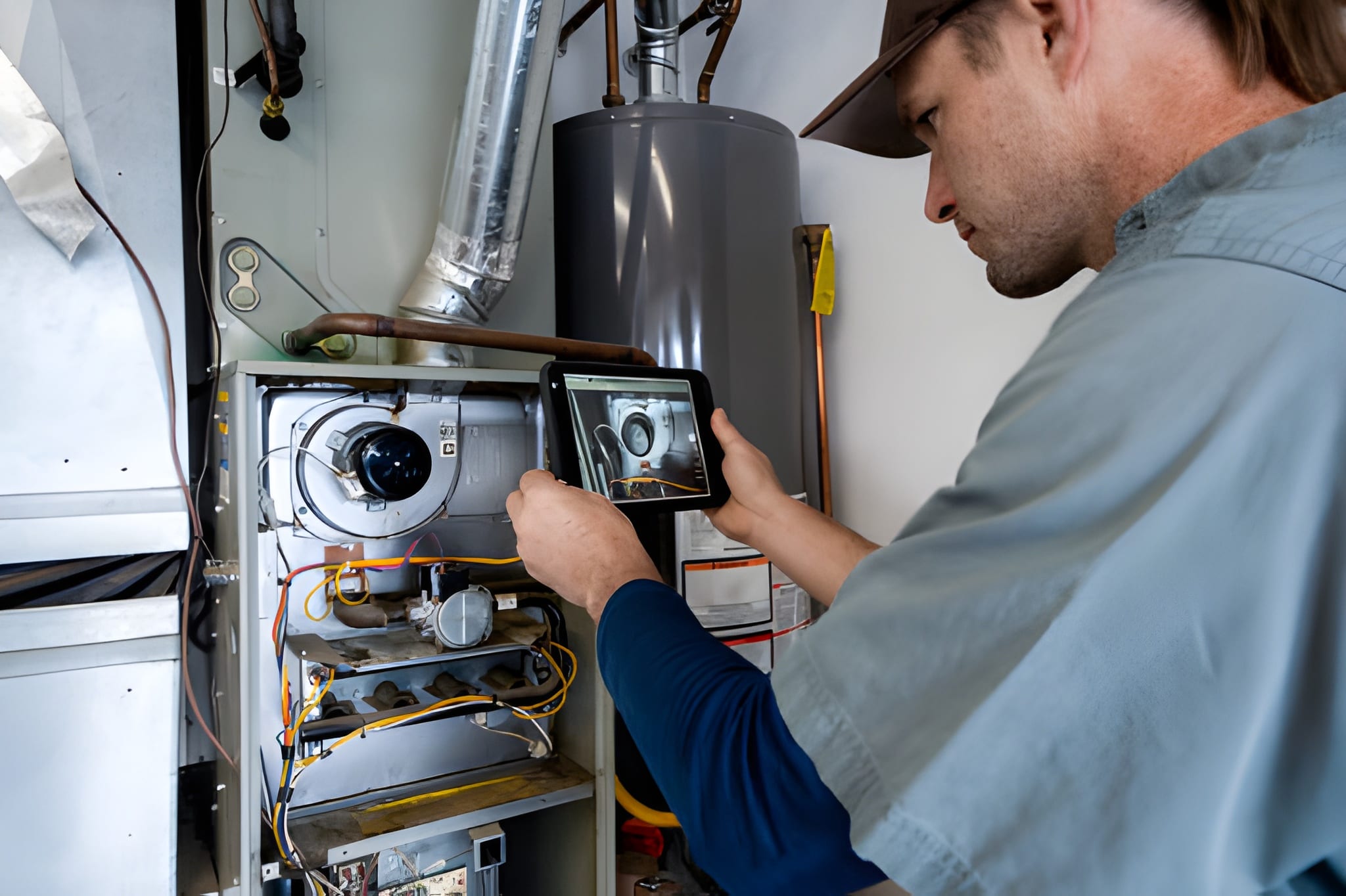
- Visual inspection and safety checks: We inspect the unit, flue or venting, visible ductwork, filters, condensate paths (for high-efficiency furnaces and heat pumps), and electrical connections. Safety checks include combustion inspection for gas systems and checks for corrosion or visible damage.
- Thermostat and control verification: Many heating problems trace back to thermostat programming, dead batteries, or loose wiring. We verify setpoints, wiring continuity, and communication with the system.
- Component testing: Using diagnostic tools, we test ignition systems, gas valves, flame sensors, capacitors, motors, transformers, and control boards for proper operation. For heat pumps, we check refrigerant pressures and reversing valve operation.
- Airflow and duct evaluation: Restricted airflow is a leading cause of poor performance. We measure supply and return airflow, inspect registers and filters, and check for obvious duct leaks or obstructions.
- System performance assessment: We measure temperature rise across the furnace heat exchanger, verify static pressure, and record runtime cycles to determine efficiency and proper function.
- Clear documentation and options: After diagnosis, we document the issues found, explain repair options, estimate parts needed, and provide a timeline for repair. We focus on transparent, understandable recommendations rather than technical jargon.
On-site repair capabilities and parts replacement
Everest Air technicians arrive prepared to make most common heating repairs on-site to minimize disruption. Our service vehicles stock frequently replaced components and diagnostic tools so that a single visit resolves the issue in many cases.
On-site capabilities include:
- Ignition and pilot system repair: Cleaning or replacing flame sensors, thermocouples, or electronic ignition modules.
- Blower motor and fan repairs: Replacing or repairing motors, belts, bearings, and fan assemblies.
- Control board and relay replacement: Diagnosing and replacing faulty control boards, relays, caps, and transformers.
- Gas valve and burner servicing: Cleaning burners, adjusting gas pressure with licensed safety procedures, and replacing gas valves when necessary.
- Heat exchanger evaluation and small repairs: Inspecting for cracks and signs of failure. Note that significant heat exchanger damage typically leads to replacement due to safety concerns.
- Heat pump refrigerant service: Locating leaks, recovering and recharging refrigerant to manufacturer specifications, replacing drier filters and accessing compressor or reversing valve repairs when feasible.
- Ductwork fixes: Sealing visible duct leaks, adjusting dampers, and replacing damaged return or supply sections to improve airflow and comfort balance.
- Thermostat replacement and zoning repairs: Installing programmable or smart thermostats, repairing zone controls, and recalibrating sensors.
When replacement parts are needed, we use OEM or equivalent high-quality parts where appropriate. For older systems where parts are discontinued, our technicians provide alternatives that maintain system safety and efficiency or explain replacement options when repair is not practical.
Typical timelines for heating repair jobs in Tellico Village
Timelines vary based on the issue, part availability, and whether additional inspections are required for safety concerns. Below are realistic examples to set expectations:
- Simple diagnostics, filter replacement, and minor adjustments: 1 to 2 hours. These are common fixes that restore performance quickly.
- Ignition or thermostat repairs: 1 to 3 hours. If replacement parts are on the truck, the job is often completed the same day.
- Blower motor replacement or fan assembly repairs: 2 to 4 hours. Complex installations or hard-to-access units may take a full day.
- Gas valve, burner, or control board replacements: 2 to 6 hours. Safety checks and combustion testing are essential and included.
- Heat pump refrigerant leak repair and recharge: 3 to 8 hours. Leak location can extend time; refrigerant recovery and recharging require certified handling.
- Duct sealing, balancing, or multi-zone repairs: Half day to multiple days. Ductwork jobs may require crawlspace or attic access and coordination.
- Major safety-related findings (heat exchanger cracks, severe corrosion): Timeline depends on decision to repair or replace. Safety-first approach may require shutdown and expedited replacement scheduling.
Tellico Village homes with seasonal occupancy can benefit from early scheduling for parts-heavy repairs before peak cold weather periods, as parts lead times can be longer during colder months.
What affects heating repair costs
While exact prices are not provided here, the main cost drivers for heating repair are consistent and can help you understand the value of repair vs replacement.
Factors that influence cost:
- Type of system: Gas furnaces, electric furnaces, heat pumps, and ductless systems have different component costs and diagnostic complexity.
- Age and condition of the system: Older units tend to have worn parts and may require harder-to-find components.
- Safety-related repairs: Issues involving combustion, leaks, or a cracked heat exchanger require immediate attention and often make repairs more involved.
- Accessibility: Units in tight mechanical closets, attics, basements, or behind finished walls can take more time, increasing labor costs.
- Parts availability: Off-the-shelf parts vs. special-order manufacturer's parts affect both timeline and overall cost.
- Extent of repairs: A single component replacement is typically less costly than replacing multiple failed components or addressing systemic issues like widespread duct leakage.
- Local labor and code compliance: Proper permits and compliance with local codes increase job complexity and cost but ensure safety and proper operation.
Everest Air focuses on transparent estimates: after diagnostic work, we present the problem, the repair options, the parts required, and a clear timeline so you can weigh options with full information.
Repair or replace: making the right decision for your Tellico Village home
Deciding whether to repair your heating system or replace it requires balancing short-term needs with long-term value. Here are practical considerations relevant to Tellico Village homeowners.
When repair is the better option:
- The system is relatively new and has a localized failure that does not indicate broader impending issues.
- The cost of repair is a modest percentage of the system value and the repaired component has a long expected remaining life.
- You need a quick, economical fix to maintain comfort for a period when full replacement is not feasible, such as a seasonal home or until budget allows replacement.
- The system has been well maintained with regular service, making isolated failures unlikely to recur immediately.
When replacement is the better option:
- The system is near or beyond its typical expected lifespan for its type (for example, 15-20 years for many furnaces; variable for heat pumps depending on usage).
- Multiple major components have failed or the repair costs approach a significant portion of replacement cost.
- The system is consistently inefficient, causing high energy bills and frequent service calls.
- Safety concerns exist, such as a cracked heat exchanger or recurring gas leaks, which make continued operation inadvisable.
- You desire improved zoning, better humidity control, or higher efficiency models that can significantly lower long-term operating costs.
Additional Tellico Village considerations:
- If your home is used seasonally, weigh the risk of repeated winter startup issues against replacing a system while you have access to installers in the off-peak season.
- Homes near the lake may benefit from heat pumps designed for variable humidity and modest coastal-like conditions; replacing an older furnace with a modern heat pump can make sense where electrification and efficiency are priorities.
Everest Air provides objective, written guidance after diagnostics, laying out repair costs, expected remaining life, and the projected benefits of replacement to support an informed decision.
Preventive maintenance and the Y.E.T.I Comfort Plan
Routine maintenance reduces the likelihood of emergency repairs and extends system life. Everest Air Heating and Cooling recommends scheduled fall Tune-Ups for furnaces and heat pumps before cold weather arrives. Maintenance typically includes filter changes, combustion analysis for gas systems, lubrication of moving parts, inspection of electrical connections, calibration of thermostats, and airflow testing.
Everest Airs Y.E.T.I Comfort Plan is tailored to keep systems running reliably with seasonal inspections, priority scheduling, and preventive care that addresses common winter stressors. Regular maintenance in Tellico Village homes reduces problems caused by humidity swings, pollen and debris accumulation, and seasonal start-stop cycles.
Safety and code compliance
Safety is paramount for heating repairs. Combustion safety checks, carbon monoxide risk assessments, and proper venting inspection are standard parts of our process. For gas-fired equipment, we verify proper gas pressure, flame characteristics, and venting clearances. Electrical safety includes secure connections, correct fuse or breaker sizing, and verifying grounding.
In cases where repairs are not code-compliant, or if a system lacks modern safety controls, replacement may be recommended. Our estimates include code-related requirements so there are no surprises when a repair requires additional work to meet safety standards.
Practical tips for Tellico Village homeowners before a service visit
- Check your filter and replace it if visibly dirty; many airflow and short cycling issues are resolved with a clean filter.
- Make sure the thermostat has fresh batteries and is set to heat with a reasonable setpoint for testing.
- Clear access to the furnace, heat pump, and any outdoor units so technicians can begin diagnostics immediately.
- Note any unusual smells, sounds, or patterns of failure to help the technician prioritize checks.
- For seasonal homes, provide access instructions and note whether the home has been unoccupied during a cold spell, as freeze-related problems may complicate diagnosis.
Why professional repair matters
Attempting DIY fixes on heating systems can be risky. Gas valves, combustion components, refrigerants, and electrical systems require certified handling and experience to avoid safety hazards or further damage. Professional service ensures accurate diagnosis, safety compliance, and durable repairs that prioritize long-term reliability over temporary fixes.
Everest Air Heating and Cooling combines technical expertise with a transparent, educational approach so Tellico Village homeowners understand what was found, why it happened, and how the recommended work restores safety and efficiency.
What to expect after a heating repair
After repairs are completed, technicians verify system function through performance testing: confirming proper temperature rise, balanced airflow, correct thermostat interaction, and stable cycling behavior. We leave a written summary of the work performed, parts installed, and any recommended follow-up or maintenance intervals. For complex repairs, we outline what to monitor in the weeks after service, such as unusual noises or changes in runtime, so any developing issues are addressed promptly.
Long-term benefits of timely heating repair and maintenance
- Improved comfort and consistent temperatures throughout your home.
- Lower utility bills by restoring system efficiency.
- Extended equipment life and delayed capital expense for replacement.
- Reduced risk of emergency failures in extreme weather.
- Enhanced safety through combustion and carbon monoxide checks.
Everest Air Heating and Cooling emphasizes solutions that fit the needs of Tellico Village households, whether you are a year-round resident or seasonal homeowner. Proper repair combined with regular maintenance delivers predictable, efficient heating performance that aligns with the regional climate and home usage patterns.
FAQs
Q: How quickly can a technician diagnose a no-heat situation in Tellico Village?
A: Most no-heat diagnostics can be completed within 30 minutes to two hours on-site, depending on access and whether outdoor unit checks are required. If parts are needed, a follow-up visit may be necessary unless the part is stocked on the truck.
Q: Will you repair older systems if parts are available?
A: Yes, we will repair older systems when parts are available and the repair makes sense relative to system age and overall condition. We always provide an honest assessment of long-term reliability and when replacement would be a better investment.
Q: How do I know if uneven heating is a duct issue or a furnace issue?
A: Uneven heating is often duct-related but can also be caused by improper system sizing or failing blower components. Our diagnostic includes airflow measurement, visual duct inspection, and system performance testing to identify the true source.
Q: What are signs that a heat exchanger is failing and replacement is needed?
A: Common signs include sputtering or irregular combustion, persistent odors, rust or corrosion on the exchanger, and elevated carbon monoxide readings during combustion testing. A cracked heat exchanger typically leads to replacement for safety reasons.
Q: Can refrigerant leaks in heat pumps be repaired, and is recharge an option?
A: Refrigerant leaks can often be located and repaired; leak repair plus system evacuation and recharge restores proper operation. Long-term reliability depends on the leak source and system age; repeated leaks may indicate a need for replacement.
Q: How long does a typical blower motor replacement take?
A: A blower motor replacement generally takes between 2 and 4 hours, depending on the unit configuration and accessibility. We'll test the blower assembly thoroughly after replacement to ensure proper airflow and balance.
Q: Does regular maintenance prevent most emergency repairs?
A: Regular maintenance significantly reduces the likelihood of emergency repairs by catching wear early, cleaning critical components, and ensuring safe operation. Maintenance also improves efficiency and extends equipment life.
Q: Will you provide a written estimate and explanation before proceeding with repairs?
A: Yes, after diagnostics we provide written documentation of the issue, repair options, parts required, and an estimated timeline so you can make an informed choice.
Everest Air Heating and Cooling brings local experience and clear, safety-focused service to heating repair in Tellico Village, TN. Our goal is reliable, long-lasting solutions that keep your home comfortable through East Tennessee winters while providing the clarity you need to make the best choice for repair or replacement.
hear what our satisfied clients have to say

David P.
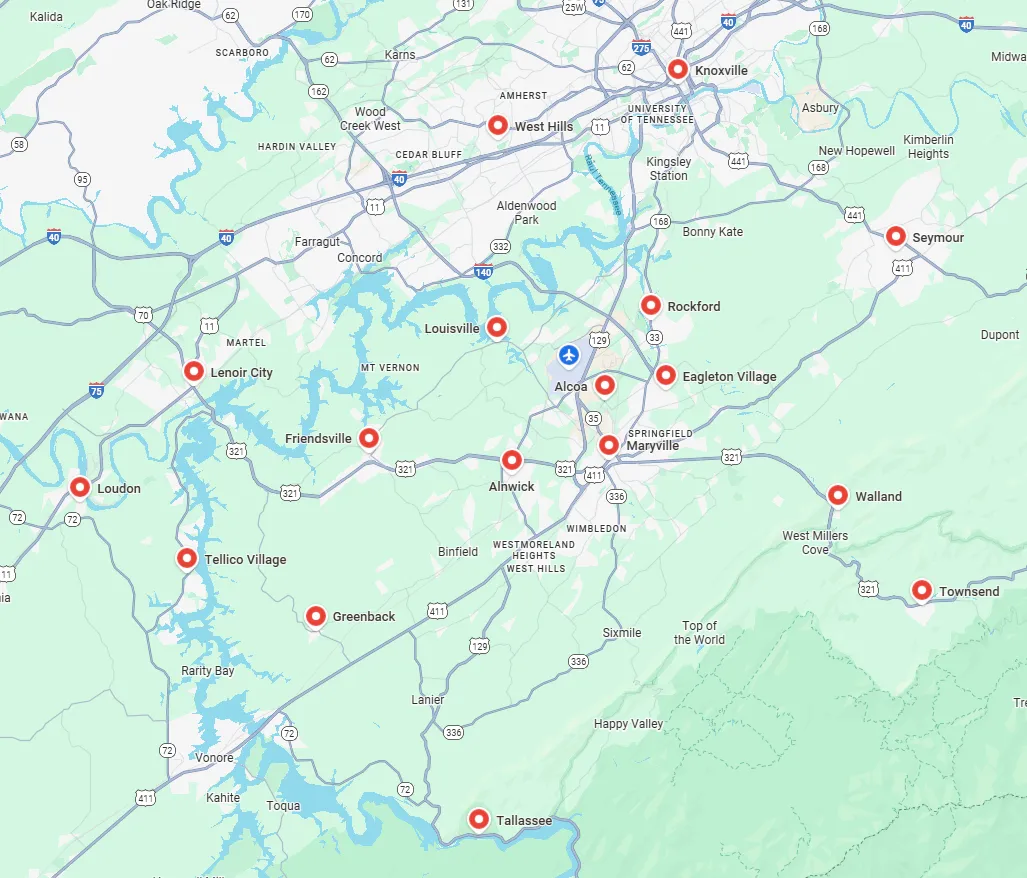
Service areas