

Heating Installation in Tellico Village, TN
Choosing the perfect heating system for your Tellico Village home is all about striking the right balance between comfort, reliability, and managing those long-term operating costs. That's why Everest Air Heating and Cooling is here. We offer professional heating installation in Tellico Village, TN, always prioritizing correctly sized equipment, highly efficient installation practices, and a thoughtful system design that truly considers our local climate conditions and your home's unique construction. When you work with Everest Air Heating and Cooling, we ensure every homeowner has all the information they need when replacing or installing a new furnace or heat pump. We'll show you how different systems compare, explain how crucial load calculations guide equipment selection, detail what to expect during a professional installation, discuss ductwork and zoning options, review brand and warranty choices, and even provide guidance on financing and available rebates specifically for the Tellico Village area.
-min.jpeg)
Why a tailored heating installation matters in Tellico Village homes
Tellico Village sits near Tellico Lake and in East Tennessee, where seasonal swings include humid summers and cool winters. Even though winter temperatures in this region are not extreme compared to northern states, cold snaps, lake-cooled nights, and humidity changes can strain undersized or poorly installed heating systems. Lake area homes may also have higher moisture levels, tight lots, or unique layouts such as sunrooms, vaulted ceilings, or older ductwork under crawl spaces. Proper equipment selection and high quality installation maximize year round comfort, reduce fuel or electric costs, and prevent recurring repair needs.
Everest Air Heating and Cooling approaches each installation with local experience in mind. We evaluate the home as a system to deliver reliable warmth without wasting energy.
Common reasons homeowners in Tellico Village replace or upgrade heating systems
- Frequent breakdowns or escalating repair bills on aging equipment
- Equipment older than 15 years with declining efficiency
- Uneven indoor temperatures or hot and cold rooms
- High monthly utility bills despite normal usage
- Desire to switch fuel types (for example, from propane or electric resistance to a heat pump)
- Remodeling that adds conditioned space, requiring reevaluation of capacity
- Safety concerns such as cracked heat exchangers or repeated pilot light failures
Recognizing these signs early and selecting the right replacement prevents interim comfort problems and reduces total cost of ownership.
Furnace versus heat pump: a practical comparison for Tellico Village
Choosing between a furnace and a heat pump is one of the most important decisions when installing a new heating system. Below is an objective comparison focused on performance in East Tennessee conditions.
Furnaces
- Fuel types: natural gas, propane, or oil. Natural gas is common where utility lines are available. Propane is used in more rural or lakefront pockets without pipeline service.
- Benefits: Strong heating output in very cold weather, simple operation, long service life when maintained.
- Efficiency metric: AFUE (Annual Fuel Utilization Efficiency). High efficiency furnaces reach 90 to 98 AFUE.
- Considerations: Furnaces use combustion so safe venting and annual inspections are important. Fuel costs fluctuate with market conditions.
Heat pumps
- Types: air source, cold climate variants, and ductless Mini Splits.
- Benefits: Heat pumps provide both heating and cooling in one system and can be far more energy efficient in moderate climates because they move heat instead of generating it.
- Efficiency metrics: HSPF (Heating Seasonal Performance Factor) and SEER for cooling. Modern cold-climate heat pumps operate efficiently at lower outdoor temperatures common in East Tennessee.
- Considerations: Historically less effective in very cold climates, but modern cold-climate models maintain efficiency and can lower energy bills significantly when paired with proper insulation and a backup heat source if needed.
Which is right for a Tellico Village home
- If your home has access to natural gas and you require robust heat during occasional cold snaps, a high-efficiency furnace may be attractive.
- If your priority is year round efficiency and reduced electric bills, or you want an all-in-one heating and cooling solution with fewer combustion concerns, a modern heat pump or ductless Mini Split system is often the better fit.
- Many homeowners choose heat pumps for lakeside and suburban homes because of their efficiency and ability to manage both seasons well.
A professional Manual J load calculation is essential to make the final decision.
Home load calculations and sizing: why Manual J matters
Correct sizing prevents short cycling, uneven temperatures, and premature equipment wear. Everest Air relies on industry standard Manual J load calculations to determine heating and cooling requirements for each Tellico Village property. The calculation factors include:
- Square footage and room-by-room layout
- Orientation and window area, glass type, and shading from trees or the lake
- Insulation levels in walls, attic, and crawlspaces
- Air infiltration and ventilation rates
- Number of occupants, major heat-generating appliances, and attic configuration
- Local climate variables and historic temperature profiles
A properly done Manual J leads to matched equipment sized to the home, not to rule-of-thumb estimates. This ensures optimal comfort, efficiency, and system longevity.
Ductwork evaluation and zoning considerations
Ductwork is as important as the heating unit itself. Many Tellico Village homes have duct systems that were built decades ago or that run through tight crawlspaces near the lake, resulting in leakage and poor insulation. During installation we perform a thorough duct inspection and recommend one or more of the following actions when needed:
- Sealing leaks with industry approved methods to prevent heat loss
- Adding or repairing insulation on ducts in unconditioned spaces
- Re-sizing or replacing undersized ducts to match new equipment airflow
- Installing balancing dampers to improve distribution
- Implementing zoning systems with motorized dampers and multiple thermostats for homes with hot and cold spots or multi level layouts
- Considering ductless Mini Split solutions for additions, sunrooms, or rooms that are difficult to connect to existing ductwork
Zoning is a powerful way to increase comfort and reduce wasted energy. For example, lake-facing rooms with large windows or elevated ceilings can have separate controls so occupied spaces receive the right temperature without heating the entire home.
Professional installation process: what to expect
A professional installation protects long term performance and warranty coverage. Typical steps for a heating install include:
- Initial consultation and property walk-through to identify needs and constraints
- Manual J load calculation and ductwork assessment
- System selection that matches performance needs and budget, discussing furnace versus heat pump options and brand choices
- Scheduling, permitting, and any required local code compliance checks
- Preparation and site planning to stage equipment and coordinate access
- Removal of old equipment with care to protect the home interior
- Installation of new equipment, including refrigerant lines for heat pumps, proper venting for combustion appliances, and secure equipment mounting
- Duct modifications, sealing, and insulation work as needed
- Commissioning and performance testing: temperature rise for furnaces, airflow verification, refrigerant charge validation for heat pumps, and safety control testing
- System balancing and programming of thermostats or zoning controls
- Homeowner orientation covering system operation, filter replacement, thermostat schedules, and maintenance expectations
- Documentation of warranties, product literature, and any rebate or tax credit paperwork guidance
Every step matters. Improper refrigerant charge, poor duct connections, or insufficient combustion venting can lead to reduced efficiency and safety risks. Professional technicians follow manufacturer and code requirements to avoid those issues.
Energy-efficiency factors and long-term savings
Efficiency is more than equipment ratings. The biggest drivers of long-term savings include:
- Selecting equipment with appropriate AFUE, HSPF, or SEER ratings for your usage pattern
- Properly sizing the system with Manual J to avoid oversizing
- Ensuring correct installation and refrigerant charge for heat pumps
- Tightening and insulating ductwork to reduce losses
- Using variable speed blowers or two-stage compressors to reduce cycling and improve comfort
- Installing smart or programmable thermostats for better scheduling and setback control
- Improving insulation and air sealing in the building envelope to reduce load
When all these factors are optimized, a higher initially priced efficient system can deliver lower bills and greater comfort over its life.
Brands, warranties, and what to look for
Everest Air Heating and Cooling works with reputable brands commonly chosen by homeowners in the region. Typical brand options include York, American Standard, Goodman, Lennox, Ruud, and Rheem. Each brand has different product lines to suit various budgets and efficiency goals.
Warranties to consider
- Manufacturer limited warranties on major components such as compressors and heat exchangers. These can range from 5 to 12 years or more depending on the model and registration.
- Parts warranties that cover fans, control boards, and other components.
- Optional extended parts and labor warranties that may be available through the installer or manufacturer.
- Lifetime or extended warranties on certain premium components in select models.
- Installer provided labor warranties for workmanship, which protect against installation related issues during the specified period.
When comparing brands and warranty packages, pay attention to:
- What is covered and what exclusions apply
- Whether warranty registration is required by the homeowner or installer
- Transferability of the warranty if the home is sold
- Labor coverage versus parts only
Everest Air provides advice on matching warranty options with your needs and ensures compliance with registration requirements.
Financing and rebate guidance for Tellico Village homeowners
Energy efficient heating upgrades can be supported through a combination of financing and available incentives. Homeowners in the Tellico Village area may access:
- Manufacturer promotional financing offered through participating dealers for qualified buyers
- Local utility rebates administered by regional power companies or the TVA for installing qualifying high efficiency equipment or heat pumps
- Federal tax credits and programs for energy efficient equipment, which can change over time; these often apply to heat pumps and other qualifying measures
- State or local energy efficiency programs that can offer rebates or low interest financing in certain cases
- Home improvement loans, unsecured personal loans, or home equity products that homeowners use to spread installation costs over time
Guidance approach
- Review available incentives prior to purchase because rebate qualifications often require pre-approval or specific equipment models
- Confirm the needed documentation such as product model numbers, installation invoices, and contractor certifications
- Compare financing options that preserve cash flow and consider the energy savings in the overall payback analysis
Everest Air can educate homeowners on typical program structures and documentation needs, but homeowners should verify current rebate availability and tax credit rules at the time of purchase.
Common installation challenges in the Tellico Village area and solutions
- Tight crawlspace and duct access: we use experience and specialized tools for duct sealing and system routing while minimizing disruption.
- Lake proximity and humidity: choose equipment with robust corrosion protection and ensure proper drainage and condensate handling.
- Older homes with inadequate insulation: prioritize air sealing and insulation upgrades to reduce required equipment capacity and operating costs.
- Mixed-fuel scenarios: when natural gas is not available, modern heat pumps often outperform propane furnaces on an operating cost basis and present a cleaner option.
Addressing these challenges during the planning phase results in smoother installations and better outcomes.
Maintenance, longevity, and the Y.E.T.I Comfort Plan
Regular maintenance keeps a new heating system operating reliably and preserves warranty validity. Recommended maintenance includes:
- Bi-annual system checkups for heating and cooling seasons
- Filter replacement on a schedule appropriate to your system and household (every 1 to 3 months is common)
- Annual combustion safety and carbon monoxide checks for combustion appliances
- Duct inspections and cleaning when necessary, especially if there are pets or indoor air quality concerns
- Thermostat calibration and battery checks for control systems
Everest Air Heating and Cooling offers the Y.E.T.I Comfort Plan, which includes seasonal checkups, priority scheduling, and service discounts that help homeowners keep systems maintained and operating efficiently. Routine maintenance reduces emergency repairs and improves equipment life span.
How a professional installer protects your investment
A quality installer does more than set equipment in place. Proper installation includes code compliant venting, correct refrigerant handling, accurate airflow and performance verification, and clear documentation. These items protect manufacturer warranties and ensure the system meets expected efficiency ratings. Everest Air applies consistent installation practices designed to provide dependable comfort for years.
Benefits of timely heating system replacement
- Lower monthly energy bills from improved efficiency
- More consistent indoor comfort and better temperature control
- Reduced emergency repair interruptions during cold weather
- Improved indoor air quality with upgraded filtration and balanced airflow
- Modern control options such as smart thermostats for better energy management
- Potential increases in home resale value by offering newer mechanical systems
Replacing an aging system before it fails avoids rushed decisions and often allows for better planning around duct improvements or zoning for whole house comfort.
Typical timeline for a heating installation
- Initial assessment and proposal: 1 to 7 days depending on scheduling
- Permitting and ordering equipment: 1 to 2 weeks depending on product availability
- Installation day(s): most residential installations complete within 1 to 3 days, with more complex ductwork or zoning requiring additional time
- Commissioning and homeowner orientation: performed at completion
Allowing time for a proper assessment and planning ensures systems are matched to the home and installed correctly.
FAQs
Q: How do I know whether a furnace or heat pump is better for my Tellico Village home?
A: A Manual J load calculation plus a review of your fuel access, hot and cold spot patterns, insulation level, and budget are needed to determine the best option. In general, modern heat pumps offer strong efficiency and year round comfort for many East Tennessee homes, while high efficiency furnaces provide robust heating in homes with existing gas service or where combustion heating is preferred.
Q: What is Manual J and why is it necessary?
A: Manual J is the industry standard method for calculating a home’s heating and cooling load. It accounts for home size, insulation, windows, orientation, and local climate. Accurate sizing prevents oversized or undersized equipment which causes inefficiency and comfort problems.
Q: Are heat pumps reliable in colder weather around Tellico Lake?
A: Modern cold-climate heat pumps are designed to maintain efficient operation at lower outdoor temperatures and perform well in East Tennessee. In areas with occasional deep freezes, systems may include auxiliary backup heat or integrate with existing systems. Proper sizing and installation are key to reliable performance.
Q: Will a new HVAC installation require ductwork changes in my older home?
A: Often yes. Older ducts may be undersized, leaky, or poorly insulated. A duct evaluation will determine if sealing, insulation, re-sizing, or partial replacement is needed to match the new equipment and optimize performance.
Q: What warranties should I expect with a new system installation?
A: Manufacturer warranties typically cover major components for a set period, while installers often provide labor warranties. Warranty lengths and coverage vary by model and brand. Proper registration and following maintenance schedules are required for many warranty terms.
Q: Are there rebates or tax credits available for upgrading to an efficient heating system?
A: Incentives exist at federal and utility levels and they change over time. Homeowners should request current guidance on available rebates or tax credits for qualifying equipment and ensure they meet documentation and installation requirements.
Q: How much maintenance does a new heating system need?
A: Recommended maintenance includes a professional Tune-Up twice a year and routine filter changes by the homeowner. Regular maintenance keeps efficiency high and reduces the likelihood of mid-winter failures.
Q: Can zoning help with uneven temperatures in my home?
A: Yes. Zoning allows you to control temperature by area or floor using motorized dampers and multiple thermostats. This reduces wasted energy and improves comfort in homes with distinct heating needs across rooms.
Q: What brands do you install and recommend for Tellico Village homes?
A: Everest Air Heating and Cooling commonly works with York, American Standard, Goodman, Lennox, Ruud, and Rheem. We evaluate each brand against your budget and performance goals and recommend models that best fit your home.
Q: How long does a typical heating installation take?
A: Most residential installations are completed within one to three days. Projects that include major ductwork changes or zoning may take longer. Proper planning around permits and equipment lead times is important for scheduling.
hear what our satisfied clients have to say

David P.
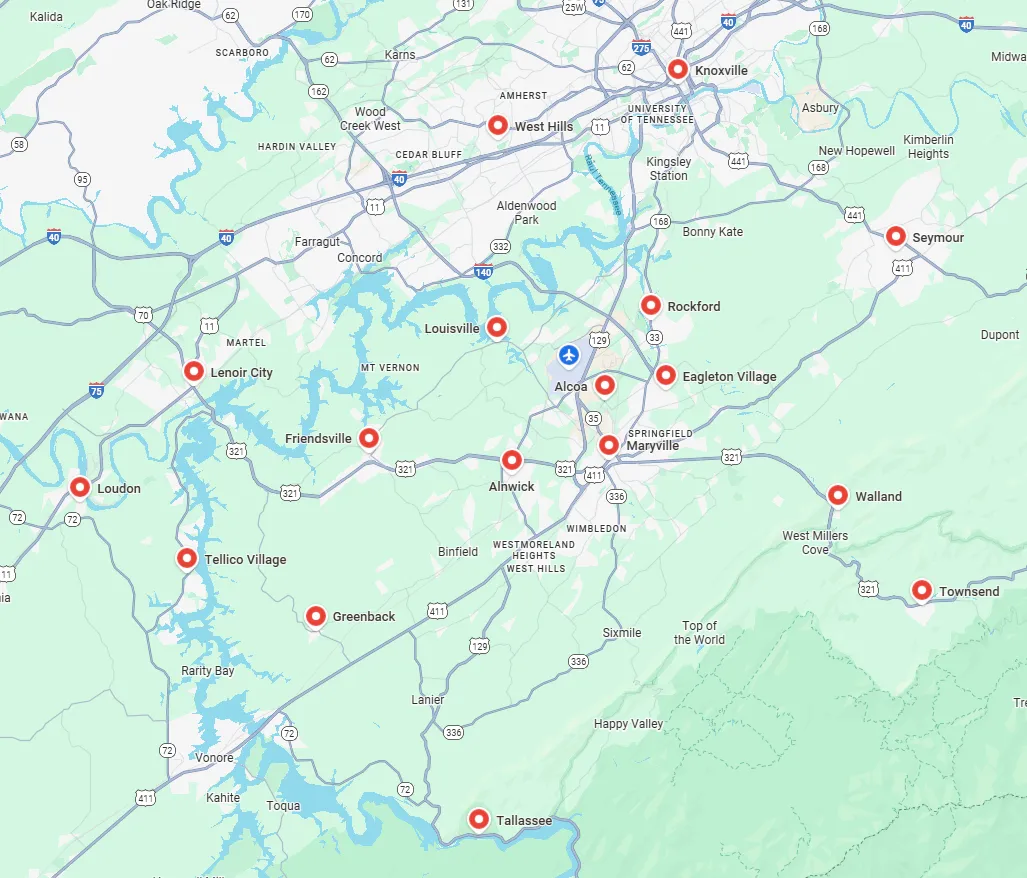
Service areas