

Furnace Replacement in Seymour, TN
Upgrading your furnace is a huge decision for any homeowner, impacting your comfort, safety, and long-term energy savings. Here in Seymour, TN, with our wild winter temperature swings and valley cold snaps putting serious stress on heating systems, a properly sized, modern furnace is essential. It means steady warmth, better indoor air quality, and reliable performance year after year. That's why Everest Air Heating and Cooling offers a clear, professional approach to furnace replacement, ensuring you know exactly what to expect. From our initial evaluation to warranty details and aftercare, Everest Air Heating and Cooling is with you every step of the way.
.jpeg)
Why consider furnace replacement in Seymour, TN
Many Seymour homes were built before modern efficiency standards. Whether you live in a historic neighborhood near the foothills of the Smokies or a newer subdivision, older furnaces lose efficiency and reliability over time. Common triggers for replacement include:
- Frequent breakdowns and rising repair costs
- Furnace age of 15 to 20 years or more for gas furnaces, older for oil or electric systems
- Increasing energy bills despite regular maintenance
- Uneven heating, cold spots, or poor airflow in living spaces
- Safety concerns such as cracked heat exchangers or repeated pilot outages
- Desire for quieter operation, better humidity control, or modern smart controls
Everest Air Heating and Cooling helps Seymour homeowners weigh the cost of continued repairs against the long term benefits of replacement. In East Tennessee winters, the right furnace can also reduce stress on air distribution systems and improve comfort during sudden temperature drops.
Common furnace types and replacement options
Replacing a furnace is not just a one-to-one swap. You may choose from several equipment types depending on fuel availability, home layout, and performance goals:
- Gas furnaces: The common choice in Seymour because of natural gas availability. Modern gas furnaces range from mid-efficiency single-stage models to high-efficiency modulating, multi-stage units. Look for higher AFUE ratings for fuel savings.
- Heat pumps: In mild Tennessee winters, heat pumps can provide efficient heating and cooling year round. Cold-climate ducted heat pumps or dual-fuel combinations pair well with backup furnaces for extreme cold.
- Electric furnaces: Simpler and lower up-front cost, but generally more expensive to operate than gas in this region. Suitable where gas is not available.
- Hybrid systems: Combine a heat pump with a gas furnace for optimized efficiency across temperature ranges. This can be particularly effective in Seymour where daytime and nighttime temps can vary widely.
- Variable-speed and modulating furnaces: Provide better temperature control, quieter operation, and improved humidity control versus single-stage units. These features matter in homes with inconsistent insulation or older ductwork.
When evaluating options, Everest Air Heating and Cooling presents clear efficiency comparisons and operating cost estimates tied to local fuel prices and typical seasonal usage in Seymour homes.
How technicians evaluate aging equipment
A professional evaluation is the first step. Technicians inspect the furnace and system components to determine if replacement is recommended and which options fit your home. Typical evaluation steps include:
- Visual and mechanical inspection of the furnace cabinet, burners, heat exchanger, blower motor, ignition system, and control board.
- Review of service history and past repairs to estimate future reliability and remaining useful life.
- Measurement of system performance: static pressure, airflow, venting performance, and thermostat response.
- Combustion analysis on gas units to check efficiency and safety factors such as carbon monoxide levels and proper combustion.
- Ductwork inspection to identify leaks, undersizing, or insulation gaps that affect heating distribution.
- Assessment of home envelope and insulation, attic sealing, and return air locations because these influence required heating load.
- Discussion of homeowner goals: lower bills, quieter operation, better filtration, or integration with smart thermostats.
This assessment produces a recommendation tailored to your home in Seymour, factoring in local climate patterns, typical heating loads, and regional fuel availability.
Sizing and compatibility: why accurate sizing matters
Proper sizing is critical. Oversized or undersized equipment causes problems:
- Oversized furnaces cycle too frequently, reducing efficiency, increasing wear, and worsening humidity control.
- Undersized furnaces run continuously and may not maintain desired temperatures during cold periods.
- Improper airflow or incompatible ductwork reduces system efficiency and comfort.
Everest Air Heating and Cooling conducts a Manual J load calculation and Manual D ductwork analysis as part of the replacement process. These industry-standard calculations consider:
- Square footage and layout of the home
- Insulation levels, window types, and orientation
- Number of occupants and typical internal heat gains
- Local climate data and expected design temperatures for Seymour, TN
- Duct length, bends, and register locations
Technicians also verify gas line capacity, venting type and routing, combustion air availability, and electrical supply. Ensuring compatibility minimizes surprises during installation and maximizes efficiency and comfort once the new furnace is in place.
Efficiency and cost comparisons
When considering replacement, homeowners often weigh upfront cost against long-term operating expenses. Key metrics and considerations include:
- AFUE (Annual Fuel Utilization Efficiency): Expressed as a percentage, AFUE indicates how effectively a furnace converts fuel into heat. Modern high-efficiency gas furnaces commonly achieve AFUE ratings above 95 percent.
- Variable-speed blower motors and multi-stage burners: These features reduce electrical consumption and improve comfort through gentler start-up and better air distribution.
- Estimated annual operating cost: Technicians can estimate seasonal fuel consumption using local energy prices and typical Seymour heating hours. This helps compare payback periods for higher efficiency units.
- Longevity and maintenance: Higher-quality equipment with well-supported warranties may cost more up front but reduce repair frequency and provide longer useful life.
- Indoor air quality and filtration upgrades: Adding better filtration or UV options increases upfront cost but improves air quality—important for households concerned about seasonal allergens and indoor pollutants.
Everest Air Heating and Cooling provides transparent side-by-side comparisons that reflect local operating conditions and homeowner priorities without high-pressure sales tactics.
Timeline: removal to installation
A typical replacement project in Seymour follows a predictable timeline, though complexity affects the schedule:
- Initial evaluation and proposal: 1 visit, often same-day or within a week.
- Permit and planning: Many municipalities in Blount and Knox counties require permits. Obtaining permits typically takes a few days to a week depending on local jurisdiction.
- Equipment ordering: Lead times vary with manufacturer and model availability. Many common models are available within a week, while specialty equipment may take longer.
- Removal of the old furnace: One day is standard for straight-forward replacements. Technicians disconnect fuel, power, and venting, remove the old unit, and clear the space for the new furnace.
- Installation of new furnace and adjustments: One day for standard installs; complex venting changes, gas line upgrades, or major ductwork modifications can extend the timeline by additional days.
- Final testing and homeowner orientation: Included on installation day and may take several hours to ensure balanced airflow, combustion safety, and thermostat integration.
Clear scheduling and upfront discussion of timelines help minimize disruption. Everest Air Heating and Cooling provides realistic installation windows based on local permit cycles and typical weather impacts in Seymour.
Removal, recycling, and disposal
Responsible disposal of the old furnace protects the environment and complies with local regulations. Standard disposal practices include:
- Safe disconnection and isolation of gas and electrical supplies.
- Removal of refrigerant only when relevant, handled by EPA-certified technicians for systems that contain refrigerants.
- Recycling of metal components: cabinets, heat exchangers, and steel are recycled where possible.
- Proper disposal of insulation, non-recyclable components, and any hazardous materials per county regulations.
- Documentation of disposal and recycling for homeowner records.
Everest Air Heating and Cooling follows industry best practices for recycling and disposal to reduce landfill waste and ensure safety.
Available rebates and financing options
Replacing a furnace can be an investment with measurable returns. Homeowners in Seymour should consider several cost-offset opportunities:
- Manufacturer rebates: Many furnace manufacturers offer seasonal rebates on high-efficiency models.
- Local utility and statewide incentives: Utilities and state programs sometimes offer rebates or incentives for installing high-efficiency equipment or qualifying heat pumps. These programs change over time, and local programs can affect payback calculations.
- Federal tax credits: At times federal credits are available for qualifying high-efficiency equipment or energy-efficient upgrades.
- Financing options: Homeowners who prefer to spread the cost can explore financing through lenders or manufacturer financing programs. Financing terms vary and may influence model selection.
Everest Air Heating and Cooling provides guidance on likely rebate and incentive categories and explains documentation needed to apply. We present estimates for energy savings and potential payback periods so homeowners can make informed financial decisions based on local conditions in Seymour.
Warranty, registration, and post-installation testing
A thorough post-installation process confirms the system performs safely and efficiently. Key steps include:
- Manufacturer and installer warranties: New furnaces come with manufacturer warranties for parts and, in some cases, extended coverage for heat exchangers. Installer workmanship warranties vary; Everest Air Heating and Cooling reviews warranty terms and registration requirements as part of the process.
- Startup and performance testing: Technicians commission the system, verifying proper burner operation, blower performance, venting, and thermostat communication. This includes measuring combustion efficiency for gas furnaces and conducting carbon monoxide checks.
- Airflow balancing and duct checks: Verifying supply and return pressures, adjusting dampers, and testing register flows ensures even heating and optimal performance.
- Safety checks: Confirming proper venting, draft, and combustion air to prevent carbon monoxide issues and ensure safe operation.
- Homeowner orientation: Walkthrough of thermostat functions, filter replacement schedules, and basic maintenance tips to keep the system running well.
- Documentation and registration: Filing warranty registration with the manufacturer and providing the homeowner with operation manuals, maintenance schedules, and service documentation.
These steps protect your investment and help the furnace achieve rated efficiency and lifespan.
Common issues addressed during replacement
Furnace replacement is an opportunity to solve recurring system issues that simple repairs do not fix:
- Inadequate ventilation or poor draft causing inefficient combustion
- Undersized or leaky ductwork leading to uneven heating and energy loss
- Improperly sized gas lines restricting performance of a new high-efficiency furnace
- Basement or crawlspace installations that need improved insulation or ventilation to protect equipment
- Old thermostats or zoning problems that prevent the new system from delivering uniform comfort
Replacing the furnace allows technicians to address these root causes, resulting in a safer and more efficient heating system tailored to your Seymour home.
Post-replacement benefits for Seymour homeowners
Upgrading your furnace delivers several tangible benefits for local homeowners:
- Reduced energy bills: Higher AFUE ratings and improved system controls cut fuel consumption over the heating season.
- Enhanced comfort: Consistent room temperatures, quieter operation, and improved humidity control.
- Increased safety: Modern furnaces include safety features and pass combustion checks that aging equipment may fail.
- Lower repair needs: New equipment reduces emergency breakdowns, especially during peak cold snaps in East Tennessee.
- Better indoor air quality: Improved filtration and sealed combustion options reduce dust and combustion byproducts entering the living space.
- Home value preservation: New HVAC equipment is a selling point and can support real estate value.
Everest Air Heating and Cooling emphasizes long term performance and homeowner education so the new system meets expectations year after year.
Maintenance and long term care
Proper maintenance extends the life of a new furnace and keeps it running at peak efficiency. Recommended ongoing practices include:
- Regular filter replacement or cleaning to maintain airflow and indoor air quality.
- Annual professional Tune-Ups scheduled in fall to prepare for heavy winter use. These include blower cleaning, combustion testing, and safety checks.
- Monitoring for unusual noises, odors, or performance drops and addressing them promptly rather than waiting for failure.
- Keeping supply and return registers unobstructed and maintaining attic and crawlspace insulation to reduce heating load.
- Considering a preventative maintenance plan such as the Y.E.T.I Comfort Plan from Everest Air Heating and Cooling for scheduled checkups, priority service, and potential service discounts.
Routine maintenance protects warranties, reduces operating costs, and provides reliable performance when Seymour experiences its coldest days.
Selecting a qualified installer
Choosing a qualified team ensures the new furnace is properly sized, installed, and commissioned:
- Look for technicians who perform Manual J and Manual D calculations and who explain their findings.
- Verify experience installing the chosen equipment type and handling local permitting processes.
- Ensure technicians perform thorough combustion testing and carbon monoxide checks on gas systems.
- Confirm that the installer provides clear warranty documentation, system registration, and instruction materials for homeowners.
- Expect detailed proposals that outline equipment specifications, efficiency ratings, projected operating costs for your area, and an honest timeline.
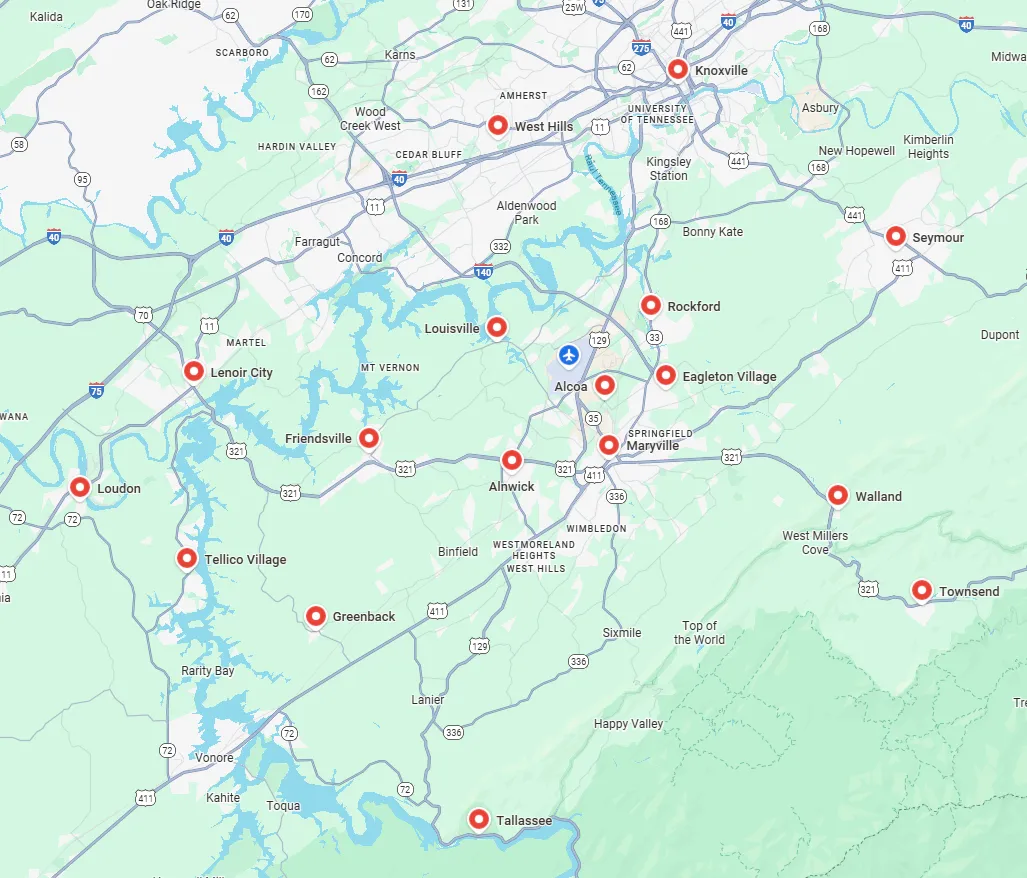
Everest Air Heating and Cooling provides transparent, expert guidance built on local experience in Blount, Knox, and Sevier counties, helping homeowners replace furnaces with confidence.
FAQs
Q: How do I know if my furnace needs to be replaced rather than repaired?
A: Consider replacement if your furnace is more than 15 years old, requires frequent repairs, shows declining efficiency with rising fuel bills, produces unusual noises or odors, or fails safety checks like combustion analysis. A professional evaluation will compare repair costs to replacement benefits and expected lifespan.
Q: What does AFUE mean and why is it important?
A: AFUE stands for Annual Fuel Utilization Efficiency and represents how much of the fuel the furnace converts to heat. Higher AFUE numbers mean greater fuel efficiency and lower operating costs. In Seymour, moving from a 70 percent AFUE unit to a 95 percent AFUE unit can produce noticeable seasonal savings.
Q: How long does a typical furnace replacement take?
A: For a standard one-to-one replacement, removal and installation can usually be completed in a single day. Permit processing, equipment lead times, or additional ductwork and gas line upgrades can extend the total project timeline to several days.
Q: Will replacing my furnace require changes to my ductwork?
A: Not always, but often. Proper sizing and airflow checks during the evaluation will determine if ductwork modifications, sealing, or insulation are needed to optimize performance. Addressing duct issues at the time of replacement prevents airflow problems and improves comfort.
Q: What safety checks are performed after installation?
A: Technicians perform combustion efficiency testing, carbon monoxide checks, venting and draft inspections, gas line leak tests, and electrical safety checks to ensure safe operation of the new furnace.
Q: Are there rebates or incentives for installing a high-efficiency furnace?
A: There may be manufacturer promotions, local utility or state incentives, and occasional federal credits for qualifying high-efficiency equipment. Availability changes over time. Everest Air Heating and Cooling can advise on the types of incentives typically available in the Seymour area and what documentation is required.
Q: How do I choose the right furnace type for my home?
A: A qualified installer will perform a load calculation and consider fuel availability, home layout, ductwork condition, and comfort goals. In Seymour, gas furnaces are common, but heat pumps or hybrid systems can be strong alternatives depending on preferences and efficiency goals.
Q: What warranty coverage should I expect with a new furnace?
A: New furnaces come with manufacturer warranties on parts and sometimes heat exchangers. Installer workmanship warranties vary. Proper registration of the furnace and adherence to recommended maintenance schedules are often conditions for full warranty protection.
Q: Can a new furnace improve indoor air quality?
A: Yes. New furnaces paired with high-efficiency filtration, media filters, or ultraviolet options reduce airborne particles and help control allergens. Properly sealed combustion systems also prevent combustion byproducts from entering the living space.
Q: How often should a new furnace be serviced?
A: Annual professional maintenance is recommended, ideally in the fall before heavy winter operation. Regular service maintains efficiency, validates safe performance, and preserves warranty coverage.
hear what our satisfied clients have to say

David P.
Service areas