

Heat Pump Tune-Up in Friendsville, TN
For Friendsville homeowners, a professional heat pump Tune-Up is truly one of the smartest investments you can make. It helps keep your comfort consistent, energy bills predictable, and those unexpected breakdowns to an absolute minimum. At Everest Air Heating and Cooling, we view every Tune-Up as a thorough health check for your system. Our aim is to optimize performance, extend the life of your equipment, and spot small issues before they escalate into expensive repairs. We'll show you exactly what a comprehensive heat pump Tune-Up includes, why seasonal timing is so important here in Friendsville, what you can expect during your appointment, common local problems we encounter, and practical steps you can take as a homeowner to complement our professional maintenance.
.avif)
Why a Tune-Up matters in Friendsville, TN
Friendsville sits in East Tennessee where humid summers and cool, sometimes wet winters create conditions that put extra stress on heat pump systems. Heat pumps operate year round for both cooling and heating in many homes. That continuous use makes them vulnerable to dirt buildup, electrical wear, refrigerant leakage, and defrost control problems. Routine Tune-Ups restore airflow and heat exchange efficiency, ensure safe electrical operation, and verify the system’s ability to handle quick swings in temperature and humidity that are common here. For homes in Friendsville, Tune-Ups also help maintain good humidity control and reduce the risk of frozen coils or short cycling during cold snaps.
What a comprehensive heat pump Tune-Up includes
A top-to-bottom Tune-Up covers inspection, cleaning, calibration, and performance verification. Everest Air Heating and Cooling follows a detailed checklist to make sure nothing is missed. Below is the breakdown of tasks and why each matters.
System preparation and safety checks
- Visual inspection of indoor and outdoor units for signs of damage, leaks, rust, ice, or pest intrusion.
- Safety switch and condensate drain verification to prevent overflow and water damage.
- Secure access panels and verify proper clearances around the outdoor unit to ensure adequate airflow.
Air filter and airflow
- Filter inspection and replacement if needed. A clean filter preserves indoor air quality and maintains airflow through the evaporator coil.
- Inspect supply and return vents for blockages and verify even airflow through the ductwork.
- Check blower wheel and motor operation for proper speed, noise, and vibration.
Coil cleaning and heat transfer optimization
- Clean indoor evaporator coil and outdoor condensing coil as needed. Dirt on coils reduces heat transfer and forces the compressor to work harder.
- Straighten any bent fins and check for corrosion or damage that could affect performance.
Refrigerant check and leak assessment
- Measure refrigerant charge and pressure to verify proper levels for peak efficiency.
- Inspect refrigerant lines and service ports for evidence of leaks or oil residue.
- Note: If a leak is suspected, further diagnostic and repair steps are recommended before recharging.
Electrical system inspection and calibration
- Inspect contactors, capacitors, relays, and wiring for wear, loose connections, or overheating.
- Test line voltage and amperage draw on key components to confirm they are operating within manufacturer specifications.
- Tighten electrical connections and replace worn components when safety or reliability is at risk.
Thermostat and control calibration
- Verify thermostat accuracy and calibration for temperature, fan operation, and scheduling.
- Test system response to thermostat commands and confirm consistent communication with variable-speed systems or zoning controls.
Defrost cycle and reversing valve check
- Inspect defrost cycle timing and operation to ensure proper removal of frost on the outdoor coil during winter operation.
- Test reversing valve operation for switching between heating and cooling modes, and ensure no delays or leakage.
Drainage and condensate management
- Clear condensate drains and check condensate pump operation where applicable.
- Inspect secondary drain pans and clean to prevent clogs and water damage.
Performance verification and efficiency testing
- Measure temperature split across the coil to assess heat transfer efficiency.
- Evaluate total system runtime and cycling behavior to detect short cycling or oversized operation.
- Document system performance and list recommended repairs or improvements.
System cleaning and homeowner education
- Remove debris from around the outdoor unit and recommend best practices to keep the area clear.
- Provide a simple homeowner checklist for routine filter and outdoor area maintenance.
Seasonal timing recommendations for Friendsville homes
Scheduling Tune-Ups at the right times of year maximizes effectiveness and minimizes system stress. For Friendsville, the typical recommendation is two Tune-Ups per year, timed with seasonal transitions.
- Spring Tune-Up (late March to early May)
- Prepares the system for cooling season after winter operation.
- Removes winter grime and checks refrigerant and electrical systems before heavy summer use.
- Ensures indoor coils and filters are clean ahead of high humidity.
- Fall Tune-Up (late September to November)
- Verifies heating mode readiness and inspects defrost cycles before sustained cold.
- Confirms thermostat settings and verifies that reversing valve and controls operate properly.
- Catches any damage accumulated during summer storms or pollen season.
Two annual Tune-Ups cover all-season demands, improve efficiency, and reduce off-season emergency calls. For properties that rely heavily on heat pump operation year round, twice-yearly service is the best practice.
What to expect during the Tune-Up appointment
Everest Air Heating and Cooling technicians follow a professional, methodical process during each appointment. Typical expectations include:
- Arrival and brief system review: The technician inspects the system and homeowner can point out any recent issues or unusual noises.
- Safety precautions: Power is isolated as required to safely access components.
- Visual inspection and cleaning: Filters, coils, blower, and outdoor cabinet are assessed and cleaned.
- Component testing: Electrical, refrigerant, and control tests are performed using appropriate gauges and meters.
- System run test: The technician runs the system in heating and cooling modes to observe cycling, pressures, temperatures, and defrost cycles.
- Findings and recommendations: The technician documents observations and provides a clear list of recommended repairs or adjustments. No pressure sales or unnecessary services are included.
Expected duration and pricing considerations
- Typical duration: A full Tune-Up usually takes between 60 and 120 minutes depending on system size, accessibility, and whether additional issues are found that require follow-up. Modern variable-speed systems and ductless Mini Splits may require more time for control verification.
- Pricing considerations: Rather than a flat number here, understand that Tune-Up cost depends on factors such as system type (single-stage, multi-stage, variable-speed, ductless), system age, accessibility of components, extent of cleaning required, and any necessary parts replacement identified during the inspection. Homes with significant debris buildup or neglected maintenance may require more time and parts. Everest Air Heating and Cooling evaluates these factors during the Tune-Up and provides a clear report of findings and any additional work that may be recommended.
Common heat pump issues in Friendsville and what causes them
Local climate and home characteristics influence the types of problems we see most often in Friendsville. Recognizing common issues helps homeowners appreciate the value of preventative Tune-Ups.
- Dirty coils and reduced airflow
- Cause: Pollen, dust, and debris accumulation, especially in spring and summer.
- Effect: Reduced efficiency, higher energy bills, frozen evaporator coils in cooling mode.
- Refrigerant loss or improper charge
- Cause: Leaks from older fittings, corrosion, or damage.
- Effect: Reduced heating and cooling capacity, compressor strain.
- Defrost cycle failure and frozen outdoor coil
- Cause: Faulty defrost sensor, control board issue, or refrigerant imbalance.
- Effect: Reduced heating performance and increased energy use during cold spells.
- Electrical component wear
- Cause: Continuous cycling, age, and improper voltage.
- Effect: Intermittent operation, compressor hard starting, or complete failure.
- Short cycling and premature wear
- Cause: Improper airflow, incorrect refrigerant charge, or oversized equipment.
- Effect: Reduced comfort and shorter equipment life.
- Thermostat and control mismatches
- Cause: Poor calibration, old thermostats, or communication issues with smart controls.
- Effect: Inconsistent comfort, longer run times, and inefficient operation.
How Tune-Ups reduce the risk of repairs and extend system life
Routine Tune-Ups have multiple measurable benefits that align with smart home maintenance and sensible budgeting.
- Improved efficiency and lower operating costs
- Clean coils and proper refrigerant charge allow the heat pump to move heat more efficiently, reducing runtime and energy consumption.
- Increased reliability and fewer emergency repairs
- Identifying worn electrical parts, small leaks, or failing components before they fail prevents sudden breakdowns during cold or hot weather.
- Longer equipment life and preserved capacity
- Systems that run clean and balanced experience less stress and avoid premature compressor or fan motor failures.
- Warranty compliance and resale value
- Many manufacturers require regular maintenance to keep warranties valid. Service documentation from Everest Air Heating and Cooling supports warranty claims and demonstrates good care for prospective buyers.
- Better indoor comfort and humidity control
- Proper calibration and airflow adjustments keep temperature and humidity balanced across living spaces.
Maintenance tips Friendsville homeowners can do between service visits
While professional Tune-Ups are essential, homeowners can help maintain efficiency with a few simple habits.
- Replace or clean filters every 1 to 3 months depending on use, pets, and air quality.
- Keep the area around the outdoor unit clear of leaves, grass clippings, and storage items to preserve airflow.
- Trim bushes and vegetation to maintain at least 2 feet of clearance on all sides of the outdoor unit.
- Check the thermostat batteries and settings seasonally; avoid extreme setpoints that force constant operation.
- Inspect visible refrigerant lines for insulation damage and replace foam insulation if degraded.
- Listen for unusual noises and monitor for odors that could indicate electrical or refrigerant issues.
- Keep condensate drains clean and monitor for dripping or pooling near the indoor cabinet.
- Maintain attic and crawlspace insulation and duct sealing to reduce load on the heat pump.
Who benefits most from professional Tune-Ups
- Year-round primary occupants who rely on consistent comfort.
- Owners of older heat pump systems seeking to extend life and reliability.
- Families with small children or elderly residents who need steady indoor temperatures.
- Landlords and property managers protecting their investment and reducing tenant complaints.
- Homeowners with high utility bills looking to improve system efficiency.
System types and brands supported
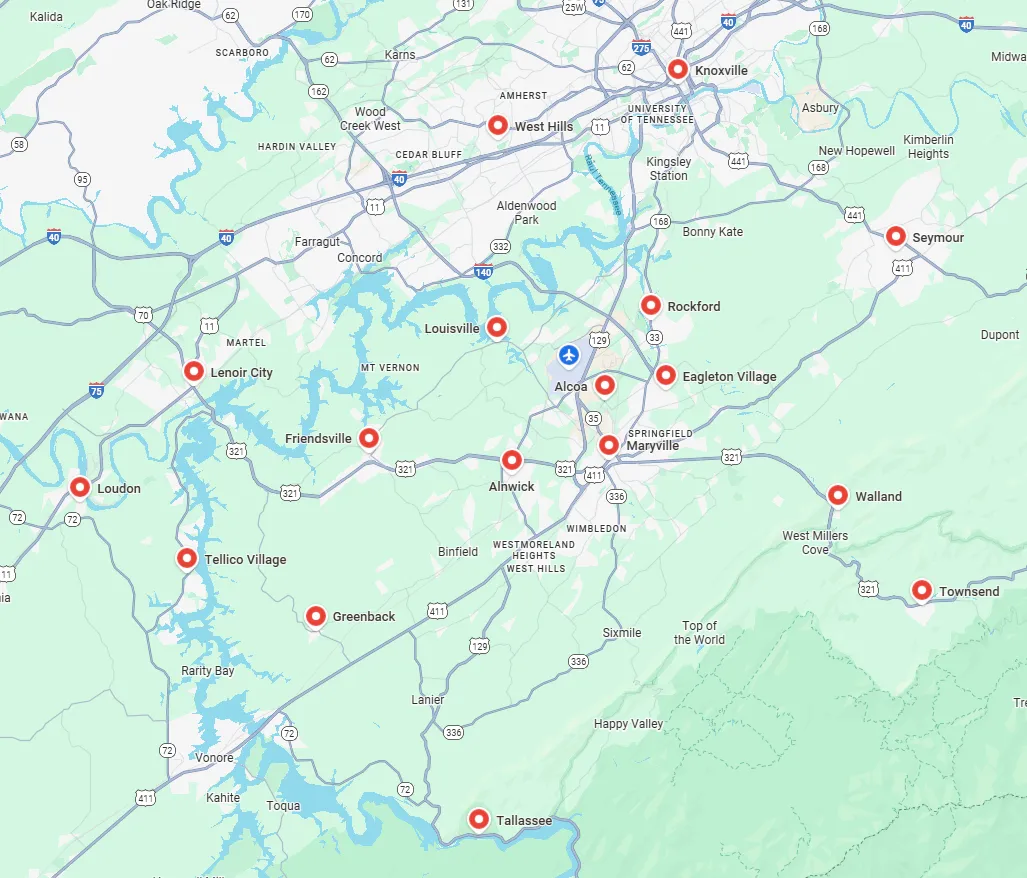
Everest Air Heating and Cooling routinely services a wide range of heat pump systems including air-source heat pumps, ductless Mini Splits, hybrid systems paired with a gas furnace, and variable-speed equipment. The team is experienced with major brands commonly installed in East Tennessee homes. Whether you have a single-zone setup or a multi-zone ductless system, Tune-Ups are adapted to the system design and control architecture to provide accurate diagnostics and tailored recommendations.
Documentation and transparent reporting
After each Tune-Up Everest Air Heating and Cooling documents the tasks completed, measurements taken, and any parts that show wear or require replacement. This report gives homeowners a clear understanding of system condition and any recommended next steps. Transparent reporting helps homeowners prioritize repairs based on safety, reliability, and efficiency impact.
How Tune-Ups tie into long-term HVAC planning
Regular Tune-Ups are a cornerstone of smart equipment lifecycle management. They provide data points that inform replacement decisions, such as tracking rising compressor amperage or diminishing heat transfer over time. For homeowners considering an upgrade, Tune-Up records help determine whether repair or replacement is the most cost-effective choice. For properties considering warranties or upkeep plans, documented maintenance history supports both coverage and resale value.
About Everest Air Heating and Cooling and our approach
Everest Air Heating and Cooling is a family-owned HVAC company serving Friendsville and surrounding East Tennessee communities. Our approach to heat pump Tune-Ups is thorough, honest, and focused on practical outcomes: a reliable system, clear recommendations, and respect for your home. We prioritize no-hassle service, transparency, and high workmanship standards. Our technicians are trained to explain findings in plain language so homeowners understand the condition of their system and the relative urgency of suggested repairs.
FAQs
Q: How often should I have my heat pump tuned up?
A: Most Friendsville homes benefit from two professional Tune-Ups per year, once in spring before cooling season and once in fall before heating season. Homes with heavy year-round use or older systems may need more frequent attention.
Q: How long does a typical heat pump Tune-Up take?
A: A complete Tune-Up generally takes between 60 and 120 minutes depending on system size, access, and whether additional diagnostics are needed. Multi-zone or ductless systems and cases with heavy debris can require more time.
Q: Will a Tune-Up include replacing worn parts?
A: A Tune-Up includes inspection and testing of components. If worn or failing parts are identified, the technician will document the issue and recommend repairs or replacements. Any parts replacements are separate from the standard Tune-Up service.
Q: Can a Tune-Up improve my heating and cooling bills?
A: Yes. By restoring proper airflow, cleaning coils, calibrating controls, and verifying refrigerant charge, a Tune-Up helps your system operate closer to its designed efficiency, which can lower energy usage and monthly bills.
Q: Are Tune-Ups required to keep my warranty valid?
A: Many manufacturers require routine maintenance to maintain warranty coverage. Keep service records as proof of regular maintenance. Everest Air Heating and Cooling documents all services performed to help support warranty claims.
Q: What signs indicate I need a Tune-Up sooner?
A: If you notice reduced comfort, higher energy bills, unusual noises, frequent cycling, or visible ice on the outdoor unit, schedule a professional inspection. Early diagnosis prevents larger failures and more expensive repairs.
Q: Do you service ductless Mini Split heat pumps?
A: Yes. Tune-Ups for ductless Mini Splits include indoor and outdoor unit inspections, filter cleaning, refrigerant checks, control verification, and airflow testing tailored to the specific system design.
Q: How do I prepare my home for a Tune-Up visit?
A: Ensure access to indoor equipment and thermostat, clear a path to the outdoor unit, and point out any persistent issues or unusual noises to the technician. No special tools or preparation is required.
Q: Will a Tune-Up fix refrigerant leaks?
A: A Tune-Up will identify signs of refrigerant loss and may detect leak locations. Repairing a leak typically requires additional diagnostic and repair work beyond the standard Tune-Up. After repairs, refrigerant is recharged to proper levels.
Q: Does Everest Air Heating and Cooling offer maintenance plans?
A: Everest Air Heating and Cooling provides maintenance packages designed to keep systems in top condition and documented over time. These plans are structured to offer seasonal checkups and priority service options to match homeowner needs.
hear what our satisfied clients have to say

David P.
Service areas