

Heat Pump Replacement in Townsend, TN
Replacing a heat pump is truly one of the most impactful decisions you can make for your home's long-term comfort, reliability, and energy savings. Here in Townsend, TN, with our humid summers and cool, mountain-influenced winters, HVAC systems work hard all year. That's why a properly sized, modern heat pump is crucial; it delivers consistent comfort, lower operating costs, and much quieter performance. At Everest Air Heating and Cooling, we bring our experienced assessment, precise sizing, and best-in-class installation practices to ensure your new system perfectly matches your home, your lifestyle, and Townsend's unique climate.
.avif)
Why Townsend, TN homes need the right heat pump replacement
Townsend sits at the gateway to the Great Smoky Mountains, with summers that are hot and humid and winters that can dip into freezing nights. These conditions affect heat pump operation in several ways:
- High humidity increases cooling load and run-time in summer, making efficiency and dehumidification important.
- Cool night temperatures and occasional freezes require dependable heating performance and effective defrost cycles.
- Older homes and seasonal vacation properties in the area often have ductwork challenges or mixed insulation levels that change system sizing needs.
- Energy costs and desire for quieter systems are common priorities for homeowners near residential and tourism zones.
A well-executed heat pump replacement in Townsend, TN addresses these local realities so your home remains comfortable through humidity, temperature swings, and varied occupancy patterns.
Common signs you need a heat pump replacement
Knowing when to replace rather than repair prevents repeated breakdowns, inefficient operation, and escalating costs. Look for these signals of failing or obsolete equipment:
- System age over 10 to 15 years with increasing repair frequency.
- Rising energy bills despite regular maintenance.
- Uneven heating or cooling from room to room, or persistent comfort complaints.
- Short cycling or extended run times with little temperature change.
- Frequent compressor or refrigerant leaks historically or noted during service.
- Major component failure such as a cracked heat exchanger or burned compressor.
- Noise or vibration beyond normal operational sound.
- Refrigerant type is phased-out or hard to source, increasing repair cost and downtime.
When these issues appear in Townsend, TN homes, Everest Air Heating and Cooling evaluates whether a repair is a cost-effective stopgap or if replacement offers better long-term value.
How Everest Air assesses end-of-life equipment
A careful, data-driven assessment is the foundation of a good replacement recommendation. Everest Air follows a clear process to determine end-of-life and replacement needs:
- Visual inspection of outdoor and indoor units for corrosion, oil spots, and physical damage.
- Operational testing: measuring temperature split, run cycles, electrical draw, and blower performance.
- Refrigerant check for leaks and refrigerant type, and verification that recoverable refrigerant meets recovery requirements.
- Ductwork evaluation: measuring leakage, static pressure, and airflow at registers to identify distribution issues.
- Energy-use review: analyzing recent utility history and comparing expected runtime and output to current performance.
- Home envelope assessment: basic review of insulation, windows, and typical occupancy patterns that affect load.
This assessment produces a transparent recommendation that weighs immediate needs, lifecycle costs, and comfort outcomes for homeowners in Townsend, TN.
System sizing and efficiency considerations for replacement
Proper sizing and equipment selection drive performance and efficiency. Oversized or undersized equipment both create problems, so Everest Air emphasizes accurate load calculations and efficiency trade-offs:
- Manual J load calculation: This industry-standard calculation determines heating and cooling needs based on home size, insulation, window area, orientation, and local climate conditions in Townsend.
- Distribution system matching: Sizing includes ductwork capacity or the decision to go ductless, ensuring the blower, coil, and duct sizes harmonize for optimal airflow.
- Efficiency metrics: Compare SEER (seasonal energy efficiency ratio) for cooling and HSPF (heating seasonal performance factor) for heating. Modern high-efficiency heat pumps commonly achieve SEER in the high teens to low twenties and HSPF above 8.5, with cold-climate models offering improved low-temperature performance.
- Variable-speed vs single-stage: Variable-speed or inverter-driven compressors provide greater comfort control, quieter operation, and better humidity control, especially valuable in Townsend summers.
- Defrost strategy and low-ambient performance: For winter performance, select equipment with proven low-ambient heating capacity and efficient defrost cycles to maintain comfort during cold spells.
- Fuel strategies: Where homes have existing gas furnaces or hybrid systems, consider dual-fuel setups that optimize heating source by temperature to maximize efficiency.
Choosing the right balance of capacity and efficiency ensures the new heat pump delivers predictable comfort while controlling operating costs for Townsend residents.
Comparing modern high-efficiency heat pump options
Heat pump technology has advanced rapidly. When evaluating replacements, consider these common types and how they fit Townsend homes:
- Air-source heat pumps: The most common replacement option, offering strong year-round performance when properly sized and installed. High-efficiency models with variable-speed compressors improve comfort and efficiency.
- Cold-climate heat pumps: Designed to maintain heating capacity at lower outdoor temperatures. These are beneficial for Townsend homes that experience regular overnight lows or mountain-driven temperature drops.
- Ductless Mini Splits: Ideal for older homes with no ductwork or for adding zoned comfort to homes with uneven room temperatures. Mini Splits offer high efficiency and targeted control but require careful indoor unit placement.
- Hybrid or dual-fuel systems: Combine a heat pump with a gas furnace to switch to gas heat below a set temperature, balancing operating cost and performance in colder periods.
- Geothermal heat pumps: Highly efficient with stable ground temperatures, but require greater upfront investment and ground loop installation, making them suitable for larger properties or for homeowners planning long-term energy savings.
Each option has trade-offs in upfront cost, installation complexity, and lifetime savings. Everest Air Heating and Cooling helps homeowners weigh those factors against Townsend-specific needs like humidity, seasonal occupancy, and lot layout.
Removal and disposal of old equipment
Safe, compliant removal is an essential part of responsible replacement. Everest Air follows best practices for equipment removal and disposal:
- Refrigerant recovery: All refrigerant is recovered using appropriate recovery equipment and handled according to federal and state requirements to prevent releases.
- Component disconnection: Electrical, refrigerant, and drainage connections are safely disconnected and capped. Indoor coil and blower components are protected during removal to prevent damage.
- Disposal and recycling: Metal, copper, and other recyclable materials are separated and recycled where possible. Old equipment is disposed of according to local waste and recycling regulations.
- Site protection and cleanup: Work areas are protected to minimize dust and debris, and installers remove packaging and old unit remnants, leaving the site clean and safe.
Townsend and Sevier County requirements may influence disposal steps; Everest Air manages compliance so homeowners can be confident their old system was handled responsibly.
Installation timeline and what to expect
Timelines vary by project complexity, but typical heat pump replacement phases are predictable:
- Pre-installation assessment: 1 to 2 visits to verify loads, ductwork, and any required modifications.
- Scheduling and permitting: If local permits are required, allow additional time for permit approval and inspection. Permitting timelines vary.
- Installation day(s): For a like-for-like replacement with no major ductwork changes, most installations are completed in one to two days. Tasks include removing the old outdoor unit, swapping indoor coil or air handler if needed, setting the new outdoor unit, completing refrigerant lines and electrical connections, and system startup and testing.
- Complex installations: Ductwork upgrades, added zoning, conversion to ductless systems, or ground loop work (for geothermal) extend the timeline to several days or weeks depending on scope.
- Commissioning and homeowner orientation: Final system balancing, thermostat programming, and homeowner walkthrough to explain operation and maintenance tips.
Everest Air Heating and Cooling provides a clear timeline during assessment so Townsend homeowners can plan around installation days and understand any permitting lead time.
Expected energy savings after replacement
One of the strongest reasons to replace an aging heat pump is measurable energy savings. Typical outcomes include:
- Replacing a 10 to 15 year old heat pump with a modern high-efficiency model can reduce utility bills by 20 to 40 percent, depending on usage patterns, system sizing, and home envelope improvements.
- For homes with particularly inefficient or failing units, savings can be higher, especially when combined with duct sealing and thermostat upgrades.
- Variable-speed and inverter-driven models improve part-load efficiency, which is important because most HVAC runtime occurs at part-load conditions, not peak output.
- Real-world savings are influenced by local electricity rates, the proportion of heating versus cooling seasons, and occupant behavior. Towns like Townsend with humid summers often see significant summer energy benefits when the new system includes improved dehumidification features.
Everest Air uses load data and energy-use trends to provide reasonable expectations for savings tailored to your home.
Financing, incentives, and long-term value
Financing options and incentives can make high-efficiency replacements more accessible while improving payback timelines:
- Financing: Many homeowners use HVAC-specific financing or home improvement loans to spread the cost. These options vary in term, monthly payment, and interest rate.
- Incentives and rebates: Federal, state, and utility programs sometimes offer rebates or tax credits for energy-efficient heat pumps. These incentives change over time and may affect project economics.
- Life-cycle value: Beyond monthly savings, a new heat pump reduces repair costs, improves home resale appeal, and increases home comfort and air quality. When comparing options, consider total cost of ownership over 10 to 15 years rather than upfront cost alone.
- Maintenance plans: Regular maintenance preserves warranty coverage and efficiency, which protects your investment and sustains savings.
Everest Air Heating and Cooling can provide neutral information about financing structures and typical incentives available, allowing homeowners in Townsend to plan replacement in a financially sustainable way.
Common upgrades and add-ons worth considering
When replacing a heat pump, several complementary upgrades improve performance and comfort:
- Thermostat upgrades: Smart or programmable thermostats paired with zoning improve comfort and reduce wasted runtime.
- Improved filtration and UV or electronic air cleaners: Enhance indoor air quality in humid environments where mold and allergens are a concern.
- Duct sealing and insulation: Even a high-efficiency unit underperforms when ducts leak or run through unconditioned spaces.
- Zoning dampers: Create separate temperature-controlled zones for upstairs or additions, improving comfort and reducing energy use.
- Line set insulation and coil upgrades: Reduce system strain and improve heat transfer efficiency.
These improvements often increase the realized savings and comfort from a new heat pump, especially in older Townsend homes.
Post-installation performance checks and maintenance
A successful installation is only the beginning. Ongoing maintenance ensures long-term value and reliability:
- Startup verification: After installation, Everest Air performs performance checks including refrigerant charge verification, airflow measurements, and electrical testing to confirm factory-rated operation.
- Seasonal Tune-Ups: Recommended twice per year (spring and fall) to clean coils, check refrigerant levels, lubricate moving parts, test safety controls, and calibrate thermostats.
- Y.E.T.I Comfort Plan: Regular preventive maintenance contracts help catch small issues before they become major repairs, preserve efficiency, and extend equipment life.
- Filter maintenance: Replace or clean filters regularly to maintain airflow and indoor air quality, especially in humid seasons.
- Duct inspections: Periodic checks to ensure no new leaks or blockages have developed.
Consistent maintenance protects your new investment and keeps performance optimized for Townsend weather patterns.
Benefits beyond energy savings
Replacing a heat pump enhances more than just bills. Additional homeowner benefits include:
- Improved comfort and humidity control, reducing mold risk and improving indoor air quality in humid months.
- More consistent temperature control with fewer hot or cold spots.
- Reduced noise: Modern units are quieter both indoors and outdoors.
- Increased reliability: Lower risk of mid-winter or peak-summer failures that can be disruptive.
- Environmental impact: New systems often use lower global warming potential refrigerants and higher efficiency, reducing carbon footprint per unit of heating or cooling delivered.
These factors contribute to a better living environment, particularly in communities near tourist zones or where homes double as seasonal rentals.
How Everest Air Heating and Cooling approaches every replacement
Everest Air brings a consistent, transparent, and quality-driven approach to every heat pump replacement in Townsend, TN:
- Honest evaluation: Recommendations are based on measured data and long-term value, not high-pressure sales.
- Trained technicians: Installers follow industry best practices for refrigerant handling, electrical work, and airflow balancing.
- Quality components: Everest Air selects equipment and accessories that match home needs and local climate performance requirements.
- Clean installation and documentation: Each job includes clear commissioning documentation and orientation so homeowners understand operation and maintenance.
- Follow-up care: Post-install checks and maintenance reminders help preserve efficiency and reliability.
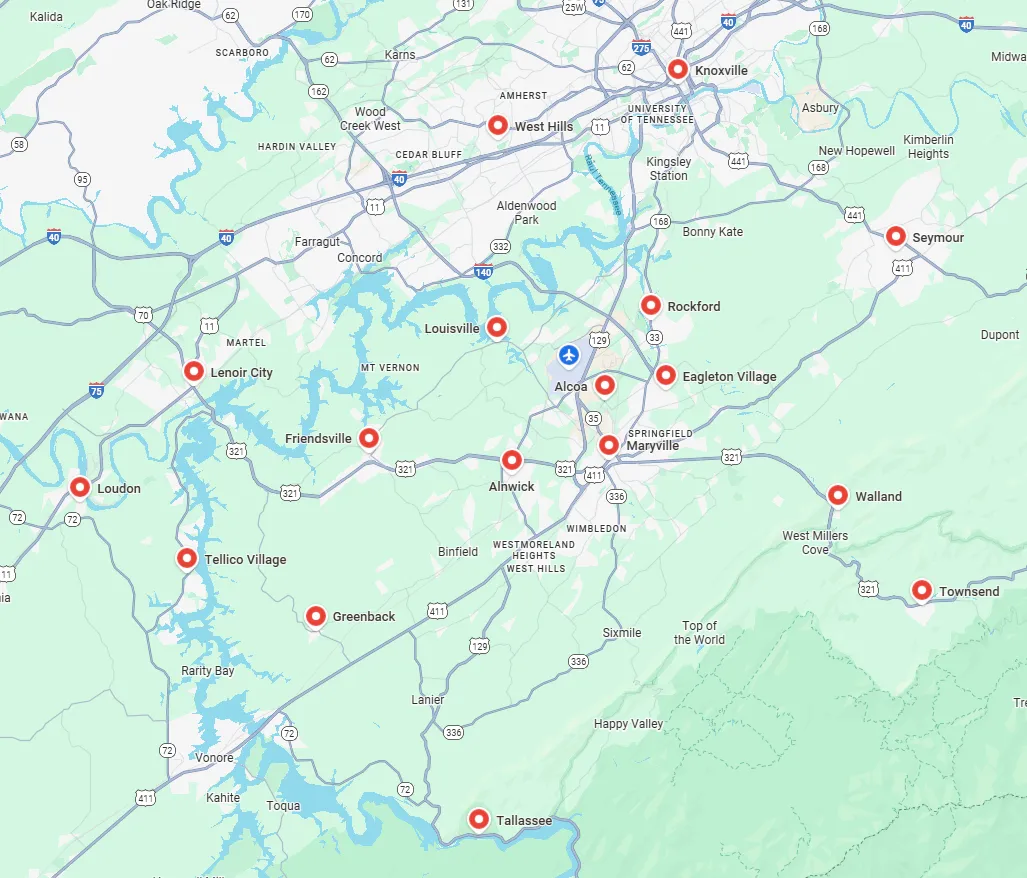
This approach aligns with Everest Air Heating and Cooling values of fairness, transparency, and long-term customer care in the Knoxville, Blount, Loudon, and Sevier service areas.
Frequently asked questions
Q: How long will a heat pump replacement take?
A: Typical like-for-like replacements are completed in one to two days. Complex projects involving ductwork, zoning, or permitting can extend the timeline to multiple days or weeks.
Q: Will I see immediate energy savings after replacement?
A: Most homeowners notice lower energy usage soon after installation, with typical savings ranging from 20 to 40 percent compared to older units. Actual savings depend on home envelope, usage, and local electricity rates.
Q: How do you determine the right size heat pump for my home?
A: We use a Manual J load calculation that accounts for insulation, windows, orientation, occupancy, and local climate factors specific to Townsend to size equipment accurately.
Q: Can a heat pump work well in Townsend winters?
A: Yes. Modern heat pumps, especially cold-climate models, maintain strong heating capacity at lower outdoor temperatures and are appropriate for Townsend when properly selected.
Q: What happens to my old unit?
A: Refrigerant is recovered and handled according to regulatory requirements, and components are recycled or disposed of per local ordinances. Metal and copper are recycled where possible.
Q: Are there financing or rebates available?
A: Various financing plans and energy efficiency rebates or tax incentives have been available for heat pump upgrades. Options change over time, so homeowners should review current programs when planning a replacement.
Q: How often should a new heat pump be serviced?
A: Biannual maintenance is recommended, typically in spring and fall, to preserve efficiency, extend equipment life, and maintain warranty coverage.
Q: Is a ductless Mini Split a good option for older Townsend homes?
A: Ductless systems are an excellent solution for homes without ducts or for creating zones in problematic rooms. They are efficient and flexible but require strategic indoor unit placement.
Q: What kind of efficiency metrics should I compare?
A: Look at SEER for cooling efficiency and HSPF for heating efficiency. Also consider variable-speed capabilities and the unit's rated performance at lower outdoor temperatures for winter conditions.
Q: How does Everest Air ensure a quality installation?
A: Installations include load calculations, matched components, proper refrigerant charging, airflow balancing, and commissioning tests to confirm optimal performance tailored to your home.
hear what our satisfied clients have to say

David P.
Service areas