

Heat Pump Maintenance in Townsend, TN
Heat pumps offer a reliable, year-round solution for heating and cooling homes in Townsend, TN. But just like any hardworking mechanical system, they perform their best when cared for regularly. Everest Air Heating and Cooling provides professional heat pump maintenance specifically tailored for Townsend families, addressing local climate challenges like those tied to the Great Smoky Mountains, seasonal pollen, and humid summers. We're here to explain exactly what a professional maintenance visit covers, why scheduled care is so important in our area, what timing we recommend, common problems we diagnose, and how our maintenance plans, like the Y.E.T.I Comfort Plan, deliver measurable value and true peace of mind.
Why heat pump maintenance matters in Townsend, TN
Townsend experiences humid summers, frequent pollen in spring, and cool shoulder seasons that stress heat pump systems in different ways. Outdoor coils can collect pollen and debris, reducing heat transfer. High humidity increases system run time during cooling months, which accelerates wear on moving parts. Early and late season temperature swings create more frequent compressor cycling. Preventive maintenance tuned to these local conditions helps protect efficiency, avoid inconvenient breakdowns during cold snaps or heat waves, and preserve equipment life.
- Humidity and pollen: These factors promote coil fouling and clogged filters, which reduce efficiency and raise energy consumption.
- Seasonal load changes: Frequent cycling between heating and cooling seasons increases exposure to reversing valve and defrost system issues.
- Mountain weather variability: Rapid changes in temperature make thermostat calibration and system diagnostics especially important for consistent comfort.
Common heat pump issues in Townsend homes
Homeowners in Townsend typically see the same set of problems when maintenance is deferred. Identifying these early prevents small issues from becoming large repairs.
- Dirty coils and restricted airflow: Reduced heat exchange means longer runtimes, higher bills, and increased risk of compressor stress.
- Clogged or incorrect filters: Poor filtration causes dust build-up in the indoor coil and reduces system airflow.
- Low refrigerant or refrigerant leaks: Low charge reduces heating and cooling capacity and can damage the compressor if left unchecked.
- Electrical failures: Loose connections, failing capacitors, or worn contactors are common causes of intermittent operation or unexpected shutdowns.
- Malfunctioning reversing valve or defrost control: These components are critical for winter operation; faults can cause ice accumulation or insufficient heating.
- Blower motor and wheel problems: Worn motors or unbalanced fans create noise, reduce airflow, and increase energy use.
- Thermostat miscalibration: Incorrect sensor readings cause short cycling or uneven home temperatures.
What our technicians inspect and service
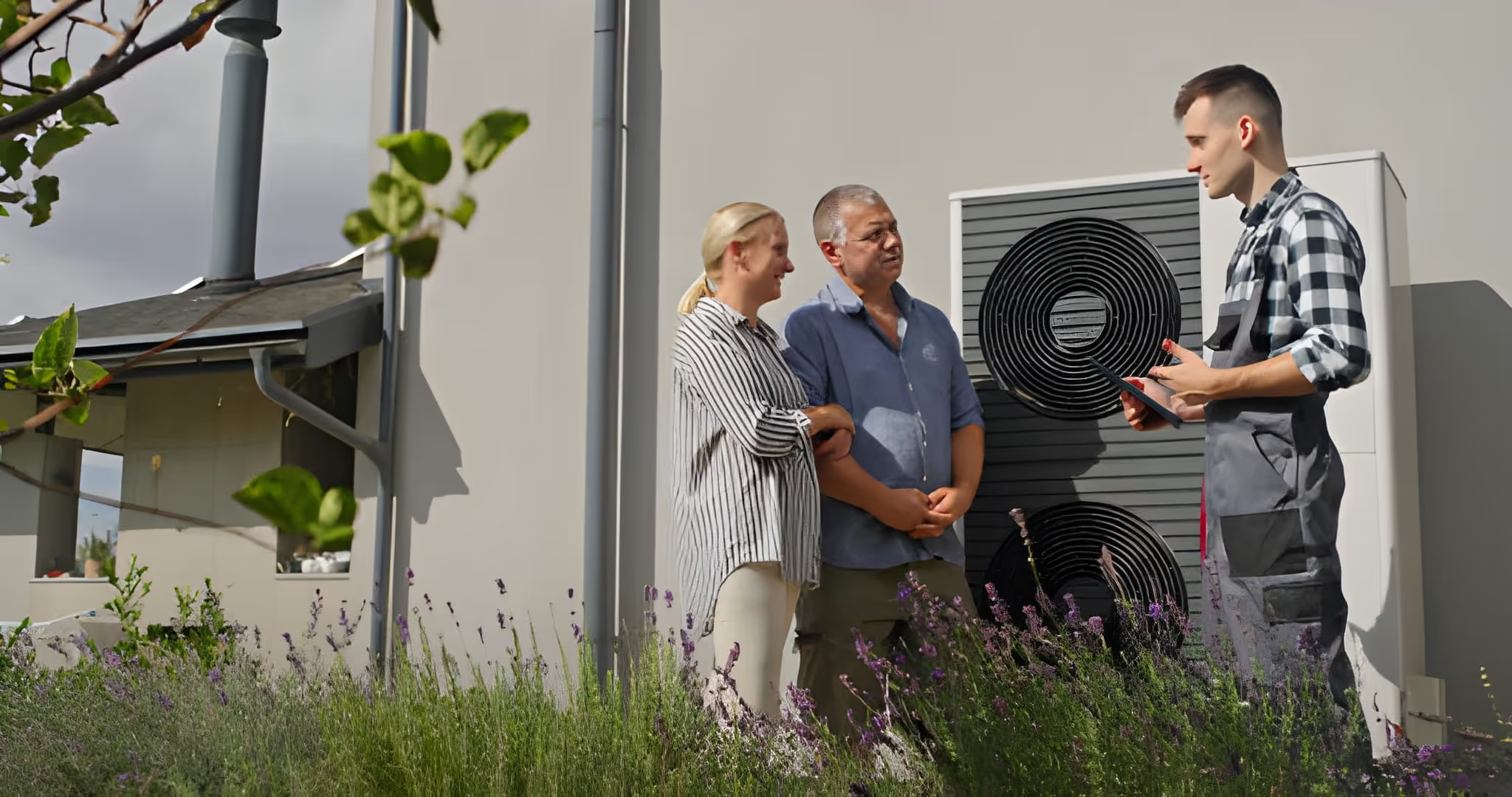
A professional maintenance visit covers a systematic review and Tune-Up of the components that keep your heat pump operating safely and efficiently. Everest Air Heating and Cooling follows a consistent checklist that focuses on the parts that most affect performance and reliability.
- Visual safety and system condition check: Inspect cabinet integrity, mounting, and visible duct or line-set conditions for damage or obstructions.
- Air filter inspection and replacement: Check filter size, condition, and fitness for the home. Dirty filters are replaced or recommended for replacement on the spot.
- Indoor and outdoor coil cleaning: Remove accumulated pollen, dirt, and debris to restore proper heat transfer and airflow.
- Refrigerant level verification and leak check: Measure pressure and temperature to confirm charge. When necessary, perform leak detection to locate sources and recommend repair.
- Electrical inspection and testing: Tighten connections, test contactors and relays, measure capacitor performance, and inspect breakers and fuses for wear.
- Blower assembly service: Clean the blower wheel, inspect motor bearings, measure motor current draw, and confirm proper belt or direct-drive operation.
- Condensate drain cleaning: Clear the drain line and condensate pan to prevent blockages that can cause indoor water damage or microbial growth.
- Fan and condenser motor check: Verify fan blade condition, motor operation, and clearances around the outdoor unit.
- Thermostat calibration and control check: Confirm the thermostat accurately reflects indoor conditions, check control wiring, and test operation cycles.
- Defrost cycle and reversing valve test: Validate proper defrost operation for winter heating and check reversing valve function for smooth mode changes.
- Ductwork and airflow diagnostics: Measure supply and return airflow when accessible, identify major leaks or obstructions, and note significant imbalance.
- Safety controls and operational verification: Run the system through a full heating and cooling cycle where applicable and check for unusual noises, vibrations, or error codes.
Each inspection ends with a clear service report documenting findings, recommended next steps, and priority items that need attention. That documentation helps homeowners track system health over time and supports manufacturer warranty requirements.
Recommended maintenance schedule for Townsend homes
Heat pump systems typically need care twice a year, timed to prepare for the heavier seasonal mode: spring for cooling and fall for heating. Everest Air Heating and Cooling recommends the following schedule for Townsend homes.
- Spring checkup (late March to early May)
- Clean outdoor and indoor coils after pollen season.
- Verify refrigerant charge for efficient cooling.
- Inspect and clean the condensate drain and pans.
- Test thermostat and cooling controls.
- Verify defrost control readiness for transitional weather.
- Fall checkup (September to November)
- Confirm reversing valve and defrost cycle for winter reliability.
- Check electric heat strips or backup systems if present.
- Test heating performance, airflow, and thermostat calibration.
- Inspect and tighten electrical connections before steady winter operation.
- Monthly or quarterly tasks for homeowners
- Inspect and change disposable air filters monthly during heavy use periods.
- Keep outdoor unit free of leaves, grass clippings, and debris.
- Ensure 2 to 3 feet of clearance around the outdoor unit.
- Additional considerations
- Older units or systems with a history of refrigerant issues may benefit from more frequent checks.
- Manufacturer warranties often require routine maintenance documentation; keeping consistent service records preserves warranty coverage.
Maintenance process explained - what to expect during a service visit
Understanding the process helps homeowners know what value they receive and what to expect from skilled technicians.
- Arrival and initial walk-through: Technicians perform a brief inspection of the site, confirm system details, and note any homeowner concerns.
- Safety checks: Power to the unit is verified and isolated where necessary before any testing or cleaning.
- Electrical testing: Technicians measure voltages, current draw, and capacitor health with diagnostic tools to detect failing components.
- Refrigerant and pressure readings: Gauges and temperature differentials are used to determine whether charge and system superheat/subcooling are within specification.
- Coil and filter service: Coils are cleaned with low-pressure methods suitable for the coil type; filters are inspected and replaced or recommended.
- Airflow and duct assessment: Blower performance and supply/return pathways are checked to identify major restrictions.
- Operational verification: The unit is cycled through modes and monitored for proper defrost, thermostat response, and consistent output.
- Report and recommendations: The technician provides a written report of findings, any corrective work completed, and any recommended repairs with explanations of urgency and expected benefits.
A comprehensive visit typically takes between 60 and 120 minutes depending on system accessibility and condition. The result is a more efficient, safer, and more reliable heat pump ready for seasonal demands.
Benefits of preventative heat pump maintenance
Routine maintenance is an investment that pays off through lower operating costs, fewer emergency calls, and longer equipment life. For Townsend homeowners, those benefits are especially valuable because of seasonal weather swings and localized environmental conditions.
- Improved efficiency and lower energy use: Clean coils and properly tuned systems transfer heat more effectively, reducing runtime and monthly energy bills.
- Fewer unexpected breakdowns: Early detection of worn capacitors, weak motors, and loose electrical connections prevents costly failures.
- Longer equipment life: Routine lubrication, cleaning, and component testing reduce wear and extend a heat pump’s effective service life.
- Better indoor comfort: Balanced airflow, accurate thermostat control, and a properly charged refrigerant system maintain steady indoor temperatures and humidity control.
- Warranty protection and documentation: Regular service records meet many manufacturer maintenance requirements and help support warranty claims if components fail.
- Healthier indoor environment: Clean condensate drains and properly maintained filters reduce the risk of mold and airborne particulates circulating through the home.
Examples from field experience show that small maintenance tasks, such as replacing a clogged filter or tightening a loose connection, frequently restore significant capacity and performance without the need for expensive replacements.
Maintenance plans and the Y.E.T.I Comfort Plan
Everest Air Heating and Cooling structures maintenance plans to make preventive care predictable and beneficial for Townsend families. The Y.E.T.I Comfort Plan includes the core services homeowners expect, with additional perks that add value during extreme weather or busy service seasons.
Key features commonly included in the Y.E.T.I Comfort Plan and similar maintenance packages are:
- Scheduled fall and spring checkups: Two annual inspections timed to prepare the system for peak heating and cooling seasons.
- Priority scheduling: Plan members receive priority access to appointments, often with earlier available time slots during high demand periods starting as early as 7 AM.
- Discounted service calls: Members enjoy a percentage discount on diagnostic or repair service fees and sometimes parts discounts.
- Comprehensive inspections and cleaning: Each visit follows a detailed checklist covering coils, filters, refrigerant levels, electrical connections, blower motors, thermostat calibration, condensate drains, and operational testing.
- Maintenance records: Documentation of each visit helps with warranty compliance and provides a tracking history of service needs and repairs.
- Peace of mind: Knowing planned maintenance is in place reduces the likelihood of emergency repairs during temperature extremes.
For Townsend residents, the value of these plans is heightened given seasonal pollen and humidity that accelerate routine maintenance needs. Being on a plan helps ensure the system receives attention at the right times and that small issues are corrected before more severe weather arrives.
Signs you need immediate maintenance or repair
Some symptoms require faster attention than routine scheduling. If you notice any of the following, prompt evaluation is recommended to avoid further damage.
- Ice formation on the outdoor unit during heating season that does not clear after a normal defrost cycle.
- Sudden and unexplained increases in energy bills without a change in thermostat use.
- Loud or unusual noises such as grinding, screeching, or rattling coming from the outdoor unit or indoor blower.
- Weak airflow from registers even after changing filters.
- Repeated short cycling or frequent tripping of breakers associated with the HVAC circuit.
- Burning smells or visible smoke during operation.
- Thermostat error codes or units that do not respond to set points.
Addressing these issues early often requires diagnostic tests that reveal root causes such as refrigerant leaks, failing motors, electrical shorts, or control board faults.
How to get the most from your heat pump between professional visits
Homeowner care complements professional maintenance. Simple tasks reduce strain on the system and help preserve efficiency.
- Check and replace filters regularly: During heavy use months, inspect filters monthly and replace them as needed.
- Keep outdoor unit clear: Trim vegetation and remove leaves, sticks, and snow to maintain proper airflow around the condenser.
- Do not block vents or registers: Keep supply and return grilles clear and avoid closing too many registers which can imbalance the system.
- Use programmable or smart thermostats: Minimize large temperature swings and reduce unnecessary runtime while maintaining comfort.
- Monitor for changes: Take note of unusual sounds, odors, or performance drops between scheduled visits and record when they start to help technicians diagnose issues faster.
- Ensure proper clearance: Maintain 2 to 3 feet of clear space around outdoor units and ensure the unit is level to prevent oil pooling and motor strain.
These simple habits combined with biannual professional inspections significantly reduce the probability of mid-season failures.
Why choose Everest Air Heating and Cooling for Heat Pump Maintenance in Townsend, TN
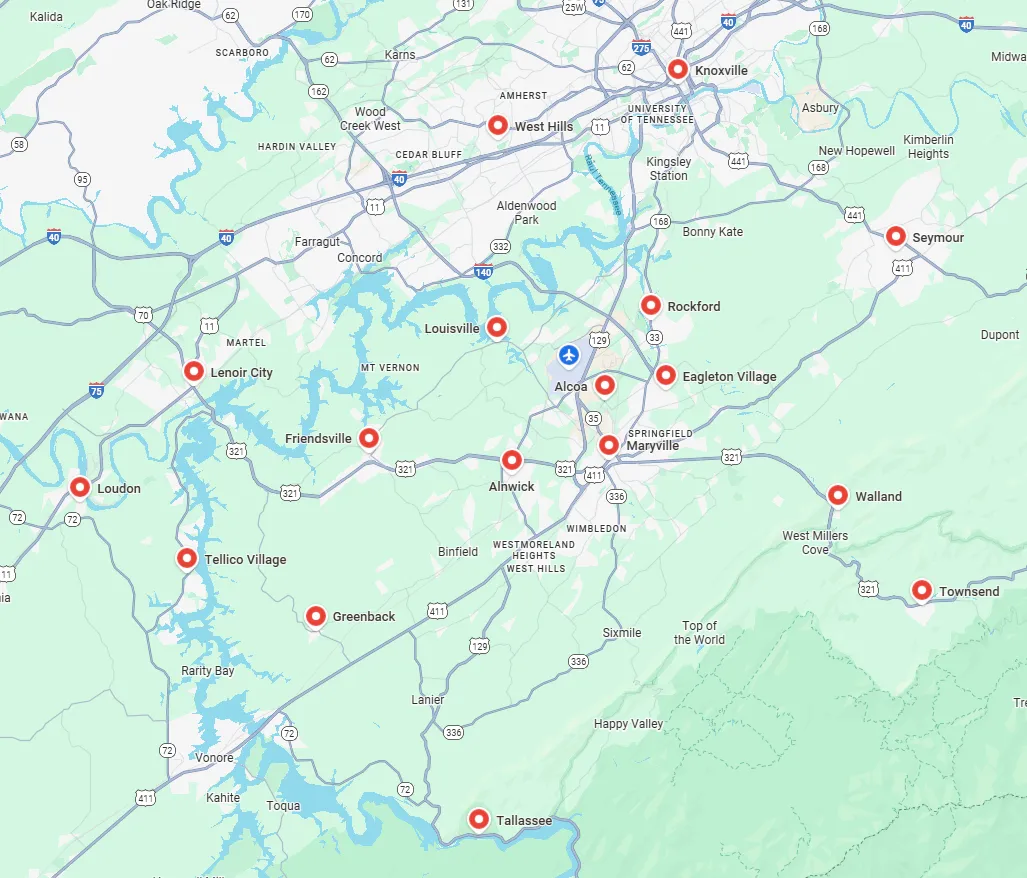
Everest Air Heating and Cooling is a family-owned HVAC business founded to provide honest, reliable, and thorough service to homeowners across Blount, Loudon, Knox, and Sevier counties, including Townsend. Our approach emphasizes transparency, quality, and attention to detail—values reflected in the thorough maintenance checklists and documentation we provide to homeowners.
- Local expertise: We understand how Townsend’s proximity to the Great Smoky Mountains, seasonal pollen, and humidity patterns affect heat pump performance and tailor maintenance accordingly.
- Consistent processes: Technicians follow systematic checklists that cover coils, filters, refrigerant levels, electrical connections, blower motors, and thermostat calibration to deliver predictable results.
- Comfort plan benefits: Our Y.E.T.I Comfort Plan is designed to reduce emergency calls, provide priority scheduling, and deliver discounts that add quantifiable value over time.
- Family-run commitment: Lower overhead and a local focus allow us to provide fair pricing without cutting corners on quality or safety.
- Detailed service records: We provide clear, written documentation after each visit, supporting warranty compliance and making future diagnostics faster and less costly.
Everest Air Heating and Cooling’s maintenance services focus on restoring and preserving efficiency, minimizing disruptions, and ensuring heat pumps operate reliably through Townsend’s variable seasons.
Frequently Asked Questions
Q: How often should I have my heat pump serviced in Townsend, TN?
A: A professional inspection and Tune-Up twice a year - once in spring for cooling readiness and once in fall for heating readiness - is recommended. More frequent checks may be warranted for older units or systems with recurring issues.
Q: What does a typical maintenance visit include?
A: A standard visit includes filter inspection and replacement, coil cleaning, refrigerant level check, electrical connection tightening and testing, blower motor and wheel inspection, condensate drain cleaning, thermostat calibration, and operational testing through heating and cooling cycles.
Q: Will regular maintenance lower my energy bills?
A: Yes. Clean coils, correct refrigerant charge, and proper airflow allow the heat pump to transfer heat more efficiently, which reduces runtime and energy consumption compared to neglected equipment.
Q: Can maintenance prevent emergency breakdowns during extreme weather?
A: Regular preventive maintenance identifies worn parts and potential failures early, reducing the likelihood of sudden breakdowns during heat waves or cold snaps.
Q: How long does a maintenance visit usually take?
A: Most comprehensive maintenance visits take between 60 and 120 minutes, depending on system accessibility and the level of cleaning or testing required.
Q: Does being on a maintenance plan affect my equipment warranty?
A: Keeping documented, regular professional maintenance records often satisfies manufacturer warranty requirements and can help support warranty claims. Check your specific warranty terms to confirm.
Q: What homeowners tasks should I perform between professional visits?
A: Replace or inspect filters regularly, keep outdoor units free from leaves and debris, maintain proper clearance around the unit, and monitor for unusual noises or performance changes.
Q: My outdoor unit has ice in winter. Is that normal?
A: Some outdoor icing is normal during heating mode as the system goes through defrost cycles. Excessive or persistent ice that does not clear indicates a possible defrost control, refrigerant, or airflow issue and should be inspected.
Q: What advantages does the Y.E.T.I Comfort Plan provide?
A: The plan typically includes scheduled fall and spring checkups, priority scheduling, discounted service rates, and detailed maintenance records, which help maintain system performance and reduce unexpected expenses.
Q: Are there seasonal considerations specific to Townsend I should know?
A: Yes. Townsend’s pollen season and summer humidity increase the need for coil cleaning and more frequent filter changes. Fall checkups are important to ensure the system handles winter start-up reliably.
Q: How do technicians check refrigerant levels without replacing refrigerant unnecessarily?
A: Technicians use pressure and temperature measurements to determine system charge and look for evidence of leaks. Refrigerant is only added when appropriate and leaks are addressed, since improper refrigerant handling can cause further damage.
Q: Is there anything that maintenance cannot prevent?
A: Maintenance reduces the risk of many failures, but age-related component wear and catastrophic failures can still occur. Routine care maximizes lifespan and helps identify when replacement becomes the more reliable long-term option.
hear what our satisfied clients have to say

David P.
Service areas