

Heat Pump Replacement in Lousiville, TN
Is your aging or failing heat pump leaving you with cold rooms in winter, high energy bills in summer, and the headache of expensive emergency repairs? For homeowners in Louisville, TN, where summers are humid and winters can bring those occasional cold snaps, replacing an outdated heat pump is often the smartest long-term decision for comfort, reliability, and efficiency. At Everest Air Heating and Cooling, we help property owners figure out when replacement is the right move, choose the best equipment tailored for our local climate needs, and complete a professional removal and replacement with as little disruption as possible. We’ll walk you through the full process, what to expect, and how a properly sized, modern heat pump from Everest Air Heating and Cooling will deliver lasting comfort and energy savings for years.
.avif)
Why replace an aging heat pump in Lousiville, TN
- Older systems lose efficiency and cost more to run, especially during hot, humid Tennessee summers when cooling demand is highest.
- Frequent repairs, rising utility bills, and uneven heating or cooling are clear signals a system is approaching end of life.
- New heat pumps include modern technologies such as variable-speed compressors and improved refrigerants that perform better at lower temperatures, which matters when winter cold snaps arrive.
- Replacing an old unit avoids repeated emergency service calls and reduces the chance of unexpected failure during extreme weather.
Everest Air Heating and Cooling emphasizes right-sizing, modern efficiency, and proper installation. In East Tennessee homes, where moisture control and consistent indoor comfort are major concerns, upgrading to a new heat pump can improve dehumidification and maintain steady temperatures with less noise and fewer cycles.
Common heat pump issues in Lousiville, TN homes
- Reduced capacity or inability to maintain setpoint during peak cooling or cold weather.
- Short cycling and frequent on/off cycles that indicate failing components or improper sizing.
- Refrigerant leaks or low refrigerant charge, often from older systems still using phased-out refrigerants.
- High electrical usage and rising monthly bills due to worn compressors or inefficient motors.
- Outdoor unit corrosion from seasonal pollen, rain, and fluctuating temperatures.
- Inadequate dehumidification during humid summers causing discomfort and potential mold risk.
- Electrical problems like tripped breakers, faulty contactors, or outdated disconnects that create safety concerns.
Recognizing these signs early leads to better decisions: repair when practical, replace when replacement offers better long term value.
When to repair and when to replace
Deciding between repair and replacement hinges on several practical factors rather than emotion:
- Age of the unit: Many heat pumps begin to lose economic viability after a decade, and after 15 years replacement is often the better option.
- Frequency and cost of repairs: If repairs are recurring and approaching the unit value, replacement typically wins.
- Efficiency gap: Older systems may be far less efficient than modern models. If a new system will cut energy use significantly, long term savings matter.
- Comfort goals: If consistent airflow, zoned comfort, or better humidity control are priorities, replacement enables design improvements.
- Compatibility: Older systems may rely on obsolete refrigerants or controls that make future repairs more difficult and expensive.
Everest Air Heating and Cooling evaluates each system objectively and explains the tradeoffs so you can choose confidently.
System evaluation: what a professional inspection covers
A complete pre-replacement evaluation ensures a correct recommendation and includes:
- Load calculation (Manual J) to determine correct equipment capacity for your home based on square footage, insulation, windows, and orientation.
- Ductwork inspection for leaks, insulation deficiencies, and airflow problems that compromise efficiency and comfort.
- Electrical assessment to confirm panel capacity, disconnects, and wire sizing for modern heat pump requirements.
- Refrigerant line and coil inspection to identify corrosion or damage that affects replacement strategy.
- Thermostat and control review to ensure compatibility with variable-speed systems or zoning controls.
- Site assessment for the outdoor unit location, clearance, and noise considerations.
- Indoor air quality review to recommend filtration, UV, or ventilator solutions if needed.
A thorough evaluation by Everest Air Heating and Cooling prevents common pitfalls like oversized equipment, poor airflow, and inadequate electrical service.
Efficiency comparisons and what they mean for you
Modern heat pumps deliver better performance through improved metrics and technologies:
- SEER (Seasonal Energy Efficiency Ratio): measures cooling efficiency. New units often have much higher SEER ratings than older models, translating into lower electricity use during humid Tennessee summers.
- HSPF (Heating Seasonal Performance Factor): measures heating efficiency for heat pump operation in colder months.
- COP (Coefficient of Performance): useful for comparing how effectively a unit moves heat versus electrical energy consumed.
- Variable-speed compressors: adjust output to match demand, reducing cycling, improving humidity control, and lowering noise.
- Cold-climate designs: specific models maintain higher capacity at lower outdoor temperatures, valuable during Tennessee cold snaps.
- Improved refrigerants and heat exchanger designs: offer better heat transfer and compliance with current environmental regulations.
Typical outcomes of upgrading include more consistent temperatures, quieter operation, and lower monthly utility consumption. In many homes, replacing a very old heat pump with a modern, high-efficiency system improves seasonal efficiency by a substantial margin, while delivering better dehumidification during the summer.
Equipment selection: matching technology to Lousiville, TN needs
Choosing the right heat pump depends on home configuration and comfort goals:
- Central air-source heat pumps: cost effective for homes with existing ductwork, offering whole-house comfort improvements.
- Ductless Mini Split systems: ideal for additions, garages, rooms without ducts, or homes seeking zoned control and high efficiency.
- Cold-climate heat pumps: recommended if your property experiences regular sub-freezing nights, as they maintain capacity down to lower temperatures.
- Variable-speed two-stage systems: provide enhanced comfort and efficiency by modulating output.
- Hybrid systems: combine heat pump with gas furnace for maximum efficiency in colder conditions if desired.
- Indoor coil and air handler selection: matched to outdoor condensing unit to optimize performance and minimize noise.
- Air filtration and ventilation upgrades: consider higher MERV filters, UV lights, or ERV/HRV components for improved indoor air quality.
Everest Air Heating and Cooling advises equipment selection based on load calculations, home design, and customer priorities such as quiet operation, maximum efficiency, or budget considerations.
Removal and disposal of old units
Proper removal of an old heat pump is critical for safety, legality, and environmental responsibility:
- Refrigerant recovery: certified technicians recover refrigerant using EPA-approved methods to prevent release and comply with regulations.
- Component disposal: compressors, coils, electrical components, and plastics are separated and recycled or disposed of at authorized facilities.
- Site cleanup: old pads or mounting hardware are removed, and the installation site is prepared for the new unit including leveling and securing the new pad if required.
- Documentation: removal and disposal paperwork is completed for permits and potential rebate requirements.
- Safety protocols: electrical disconnects, refrigerant lines, and sharp edges are handled to protect property and technicians.
This professional approach protects your home and ensures compliance with local and federal rules.
The professional replacement process: step by step
- Pre-installation planning: final equipment selection, permit acquisition if required, and scheduling.
- Day-of arrival and staging: technicians arrive with tools and parts, verify access, and protect floors and landscaping.
- Power disconnect and safe shutdown of old system, followed by refrigerant recovery.
- Removal of old outdoor unit and, if needed, indoor air handler or coils.
- Site prep: install or level pad, verify clearances, and route lines and electrical.
- Mounting new outdoor unit and indoor components, connecting refrigerant lines, condensate drain, and electrical.
- Evacuate and charge refrigerant per manufacturer specifications using vacuum pumps and gauges.
- Airflow balancing and duct adjustments if necessary to meet design specifications.
- Startup and commissioning: confirm operating parameters, calibrate thermostats, and test defrost cycles and capacity.
- Homeowner walkthrough: explain new features, thermostat operation, and maintenance tips.
- Final documentation: warranty registration and maintenance plan discussion.
Most standard full-system replacements in typical single-family homes are completed within one to two days, though complex installs or duct modifications may require additional time. Everest Air Heating and Cooling provides clear timelines during the planning phase so homeowners know what to expect.
Expected timeline and logistical considerations
- Initial inspection and estimate: typically completed within a short window after request.
- Permit processing: time varies by jurisdiction but is factored into the project schedule during planning.
- Equipment lead times: popular high-efficiency units may have manufacturer lead times during peak seasons; early planning reduces delays.
- Installation day: standard replacements are often finished in one to two days for straightforward jobs; larger or more complex systems can take multiple days.
- Post-install follow up: performance checks after a few weeks ensure everything is operating efficiently.
Everest Air Heating and Cooling coordinates scheduling, permitting, and equipment acquisition to minimize homeowner inconvenience.
Rebates, incentives, and financing options in Tennessee
Upgrading to a high-efficiency heat pump often qualifies for incentives that can offset some of the upfront cost:
- Federal tax incentives: periodically available for certain high-efficiency heat pump and HVAC upgrades; documentation of equipment specs and installer paperwork is typically required.
- Utility rebates: local electric utilities and energy cooperatives sometimes offer rebates for ENERGY STAR qualified heat pumps or units meeting specific efficiency thresholds.
- Manufacturer rebates: seasonal or promotional offers from equipment manufacturers may be available for qualifying models.
- Local or state programs: Tennessee and regional programs occasionally provide incentives for energy upgrades or weatherization projects.
- Financing: many homeowners choose financing options that spread upfront cost over a manageable term, often paired with rebates or incentives for overall affordability.
Everest Air Heating and Cooling can provide guidance on typical incentive types and the documentation often needed to apply, and will ensure installations meet rebate program requirements when possible.
Long term energy savings and return on investment
- Replacing an old heat pump with a modern high-efficiency system commonly yields significant energy savings due to higher SEER and HSPF ratings and smarter controls.
- Variable-speed systems reduce cycling losses and improve humidity control, which can decrease perceived temperature needs and allow for slightly higher thermostat settings in summer without losing comfort.
- Properly sealed ductwork and correct sizing enhance system efficiency and extend equipment life, increasing return on investment.
- Savings vary depending on current system efficiency, insulation levels, and local energy costs, but many homeowners see a meaningful reduction in seasonal energy use while enjoying improved comfort.
Everest Air Heating and Cooling evaluates expected savings as part of the equipment selection discussion so you can weigh long term benefits against initial investment.
Maintenance and longevity: protecting your investment
A new heat pump delivers peak performance when properly maintained:
- Regular filter changes: keep airflow efficient and protect indoor coil evaporator from contamination.
- Biannual Tune-Ups: fall and spring checkups confirm refrigerant charge, electrical connections, and mechanical operation.
- Outdoor unit clearance: maintain at least 2 to 3 feet of clearance and remove debris and vegetation to support airflow.
- Thermostat programming: using setback schedules and smart controls reduces unnecessary runtime.
- Duct sealing and insulation: reducing leakage preserves conditioned air and reduces runtime.
- Enroll in a maintenance plan: routine inspections and prioritized service prolong equipment life and maintain efficiency.
Everest Air Heating and Cooling offers maintenance programs that align with manufacturer warranty requirements and help ensure long term reliability.
Common questions about replacement logistics and expectations
- How do I know if my system is properly sized? A certified load calculation will determine accurate capacity needs rather than relying on rules of thumb.
- Will my electric panel need upgrades? Some modern heat pumps require updated electrical service or disconnects; an inspection will identify needs in advance.
- Can I keep my existing thermostat? Many new heat pumps work with legacy thermostats, but smart or communicating thermostats may provide better control and efficiency with new equipment.
- Is ductwork always reusable? Not always. Leaky or poorly sized ducts should be repaired or replaced to ensure system performance and air quality.
Everest Air Heating and Cooling provides clear information during the evaluation so homeowners are prepared and informed about necessary upgrades.
Why work with Everest Air Heating and Cooling for heat pump replacement in Lousiville, TN
Everest Air Heating and Cooling is a family owned local HVAC provider with a focus on honest recommendations, careful installations, and lasting results. Our approach emphasizes:
- No hassles and no hidden costs through transparent estimates and documented scopes of work.
- No high-pressure sales and clear explanations of options so homeowners can decide with confidence.
- Attention to installation quality and manufacturer guidelines to preserve warranties and optimize performance.
- Experience across major brands and system types so equipment recommendations match home-specific needs.
- A commitment to ongoing service through maintenance plans that help protect your investment.
For Lousiville, TN homes where humidity control, seasonal comfort, and energy efficiency are essential, a professionally specified and installed heat pump replacement is one of the most effective ways to ensure reliable year round comfort.
FAQs
Q: How do I know if my heat pump needs replacement rather than repair?
A: If your system is more than 10 to 15 years old, requires frequent repairs, cannot maintain comfortable temperatures, uses obsolete refrigerant, or shows a clear efficiency decline, replacement is often the more economical long term option. A professional evaluation including a load calculation and cost comparison helps determine the best course.
Q: What factors determine the right heat pump size for my home?
A: Correct sizing is based on a Manual J load calculation that accounts for square footage, insulation levels, window orientation, occupancy, and local climate conditions. Oversized or undersized systems both cause problems, so professional sizing is essential.
Q: Will replacing my heat pump require ductwork changes?
A: Not always, but duct inspections often reveal leaks, poor insulation, or improper sizing that reduce efficiency. Addressing duct issues during replacement improves comfort and system performance.
Q: How long does installation usually take?
A: Standard full-system replacements for typical homes are commonly completed in one to two days. Complex installs involving ductwork modifications, electrical upgrades, or permitting can extend the timeline, and these factors are discussed during planning.
Q: Are there rebates or incentives available for new heat pumps in Tennessee?
A: Incentives may be available through federal tax credits, local utility rebates, manufacturer promotions, or state programs. Documentation and proper equipment specifications are typically required to qualify. Everest Air Heating and Cooling can help identify common incentive pathways and ensure the installation meets program rules.
Q: What maintenance is recommended after a heat pump replacement?
A: Seasonal maintenance including filter changes, fall and spring Tune-Ups, refrigerant checks, and airflow balancing keeps the system operating efficiently. A maintenance plan ensures scheduled service and may include priority scheduling and discounts for parts or labor.
Q: Can a heat pump handle both cooling and heating needs in Lousiville, TN?
A: Modern heat pumps are designed to handle both cooling and heating effectively in humid subtropical climates like Lousiville, TN. For homes that experience prolonged extremely cold periods, a hybrid or supplemental heat source can be considered for peak cold conditions.
Q: Will a new heat pump reduce my energy bills?
A: Yes, replacing an old, inefficient heat pump with a modern high-efficiency unit typically reduces energy usage and monthly cooling and heating costs. Savings depend on the efficiency gap between old and new equipment, home insulation, and usage patterns.
Q: What happens to my old unit?
A: Old units are properly removed, refrigerant is recovered using EPA-compliant methods, and components are recycled or disposed of at authorized facilities. Documentation of disposal is provided if required for permits or incentives.
Q: How do I prepare my home for a replacement day?
A: Clear access to the indoor equipment and outdoor unit area, secure pets, and ensure safe pathways for technicians. Everest Air Heating and Cooling will provide any specific guidance needed during scheduling and planning.
hear what our satisfied clients have to say

David P.
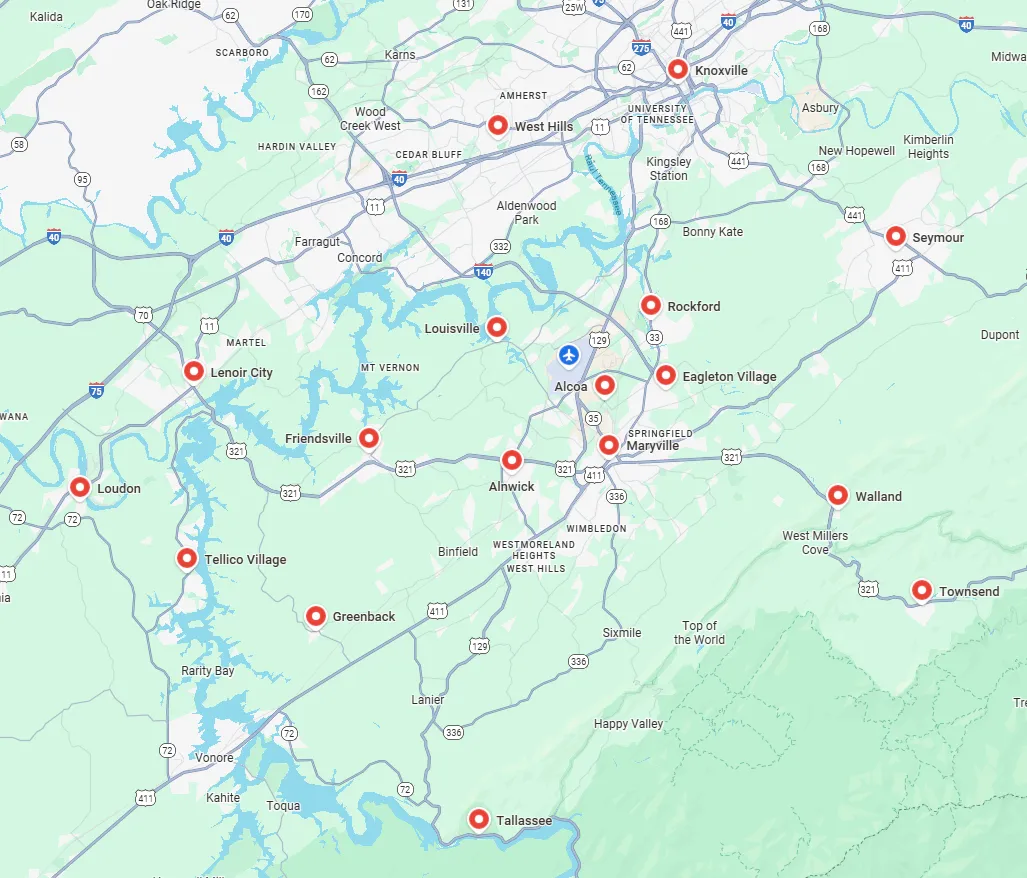
Service areas