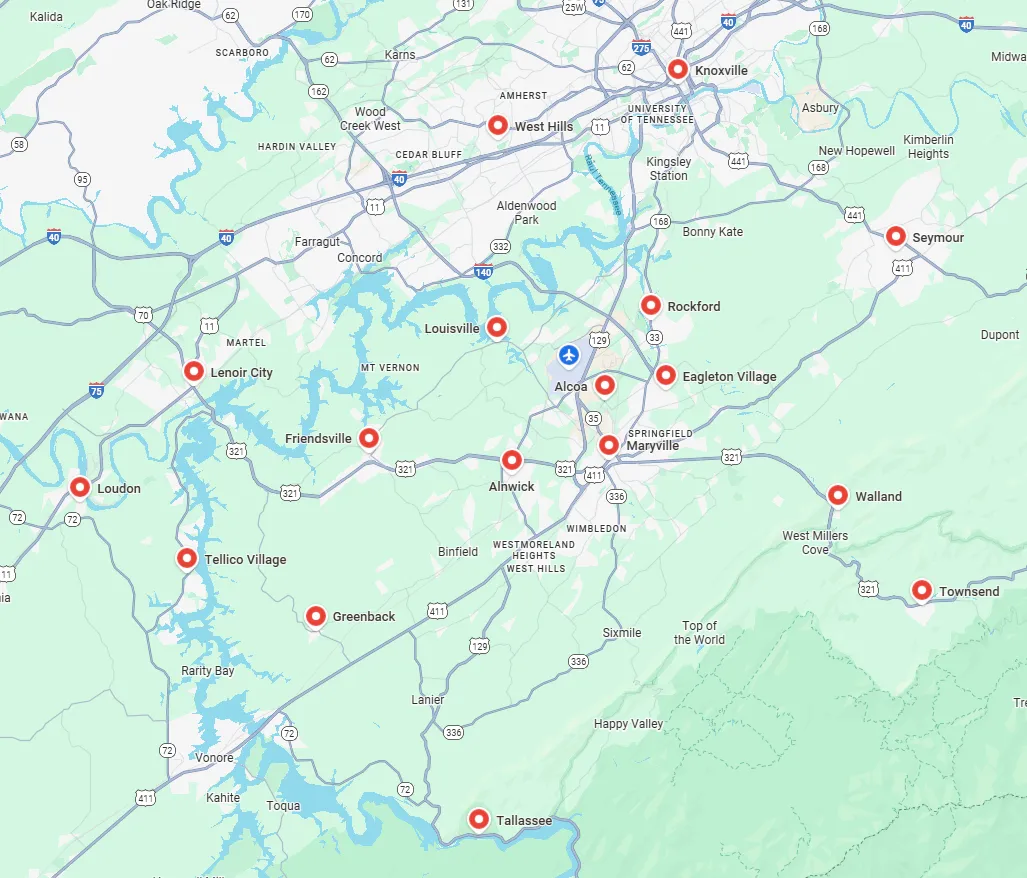


Heat Pump Replacement in Alnwick, TN
Replacing a heat pump is truly one of the most effective ways to bring back reliable comfort, trim down those monthly energy costs, and boost indoor air quality in Alnwick, TN homes. Here at Everest Air Heating and Cooling, we bring our local expertise to every replacement project. This means a thorough look at your current system, precise sizing, and selecting modern, high-efficiency equipment perfectly suited for Alnwick's unique climate and common home designs. If your system is struggling to keep up during our hot, humid summers or cool, damp winters, a professional heat pump replacement from Everest Air Heating and Cooling can deliver lasting comfort and real savings.
.avif)
Why Heat Pump Replacement Matters in Alnwick, TN
Alnwick sits in a region with hot, humid summers and mild to cool winters. That seasonal pattern means most homes need cooling for multiple months and reliable heating during winter nights. Heat pumps are efficient because they move heat instead of generating it, providing both cooling and heating in one system. However, aging units, mismatched equipment, or poor installation can cause uneven comfort, high energy use, and frequent repairs.
Common local issues that point to replacement need include:
- Rising energy bills during summer and winter months despite routine maintenance.
- Frequent compressor or refrigerant issues due to wear or legacy refrigerants.
- Inconsistent temperatures across rooms because of undersized equipment or duct problems.
- Increased humidity or poor dehumidification in summer leading to sticky indoor conditions.
- Noise or vibrations that worsen as the unit ages.
- Roof-top or ground-unit damage from seasonal storms or debris.
A well-planned heat pump replacement addresses these problems by selecting the right equipment and installing it to industry best practices for Alnwick homes.
Common Heat Pump Replacement Scenarios in Alnwick, TN
Homeowners typically consider replacement under these circumstances:
- The heat pump is older than 10 to 15 years and is showing declining efficiency.
- Repairs are recurring and approaching the cost of a new system.
- The existing unit uses phased-out refrigerants such as R-22, which are costly to service.
- You are renovating your home and need a properly sized, modern HVAC system.
- The duct system is undersized or leaking, causing uneven airflow and energy waste.
- You want better humidity control, quieter operation, or smart thermostat integration.
Each scenario requires a different approach. Everest Air Heating and Cooling evaluates your situation to recommend a solution that balances comfort, durability, and energy performance.
The Heat Pump Replacement Process: Step by Step
Our replacement process focuses on accuracy and transparency, so you know what to expect and why each step matters.
- Initial inspection and system assessment
- Visual inspection of outdoor and indoor units, electrical components, thermostats, and accessible ductwork.
- Review of system history, repair records, energy bills, and your comfort concerns.
- Assessment of indoor air quality issues that may be related to dust, humidity, or duct contamination.
- Load calculation and system sizing
- Conduct a Manual J load calculation to determine heating and cooling requirements based on your home size, insulation levels, windows, orientation, and occupancy.
- Perform Manual D duct design evaluation when necessary to ensure ducts can deliver the required airflow.
- Select equipment sized to your load—not oversized and not undersized—to avoid short cycling, poor dehumidification, and wasted energy.
- Ductwork and airflow considerations
- Inspect for leaks, disconnected runs, insufficient return pathways, and low insulation in ducts located in crawlspaces or attics.
- Recommend duct repairs, sealing with mastic or UL 181 tape, or modifications to add returns or improve layout.
- Evaluate whether adding or upgrading insulation in crawlspaces or attics will improve system performance.
- Equipment selection and recommendations
- Present high-efficiency heat pump options suited to Alnwick’s climate, explaining SEER, HSPF, and noise levels in plain terms.
- Discuss single-stage versus two-stage or variable-speed compressor technology and how each impacts comfort and savings.
- Compare air-source heat pumps and ductless Mini Split alternatives when ductwork is inadequate or zoning is desired.
- Removal and disposal of old equipment
- Safely recover refrigerant in accordance with EPA regulations and local codes.
- Disconnect electrical and refrigerant lines, remove indoor and outdoor components, and transport debris offsite.
- Dispose of old equipment through licensed recycling and disposal channels to minimize environmental impact.
- Installation and system integration
- Install the new outdoor condenser and indoor air handler or coil, ensuring line sets, electrical, and refrigerant connections meet manufacturer specs.
- Upgrade or replace the duct coil when needed, and set up proper drain lines for condensate and secondary protection where applicable.
- Integrate thermostats, controls, and optional accessories like UV lights, smart thermostats, or advanced filtration.
- Start-up, testing, and commissioning
- Verify refrigerant charge, measured against manufacturer tolerances, and test system pressures and temperatures.
- Measure airflow, static pressure, and electrical current to confirm performance targets.
- Calibrate the thermostat and confirm proper system cycling, defrost operation in winter, and dehumidification in cooling mode.
- Document test results and explain expected performance improvements in understandable terms.
- Post-installation orientation and paperwork
- Provide clear operating guidance, filter replacement schedules, and tips for optimizing performance in humid summers and cool winters.
- Deliver manufacturer warranty documentation, system specification sheets, and maintenance recommendations.
- Explain available financing options and any local or federal incentives if applicable.
System Sizing and Ductwork: Why Precision Matters
Correct sizing is the foundation of a comfortable, efficient heat pump installation. Many common problems stem from systems that are too large or too small.
- Oversized units short cycle, causing temperature swings, higher humidity, and premature wear.
- Undersized units run constantly and struggle to meet temperature setpoints, increasing energy usage and wear.
- Duct leaks can waste up to 20 to 30 percent of heated or cooled air, negating the efficiency gains of a new unit.
- In Alnwick homes built before modern HVAC standards, ductwork often lacks proper sealing or adequate return pathways, making a replacement HVAC unit less effective unless ducts are addressed.
Everest Air Heating and Cooling uses Manual J and Manual D principles during assessments and recommends duct sealing, insulation upgrades, or reconfiguration when necessary. These adjustments ensure your new heat pump delivers the comfort and savings you expect.
High-Efficiency Replacement Units: What to Expect
When selecting a replacement heat pump, you will encounter performance metrics and options. We explain these in clear terms so homeowners can make informed choices.
- SEER (Seasonal Energy Efficiency Ratio): A higher SEER rating means better cooling efficiency for summer months.
- HSPF (Heating Seasonal Performance Factor): Higher HSPF numbers indicate more efficient heating performance in cool weather.
- Variable-speed compressors: Improve comfort by modulating output, reducing temperature swings, and improving humidity control.
- Two-stage compressors: Provide better dehumidification and more efficient part-load operation than single-stage units.
- Sound ratings: Modern units are significantly quieter than older units, which is valuable in dense neighborhoods or small yards.
- Refrigerant type: Modern systems use efficient, approved refrigerants. Units using phased-out refrigerants may be eligible for replacement incentives.
For Alnwick homes, a high-efficiency heat pump will reduce cooling load strain during humid Tennessee summers and provide consistent warmth during cooler months, often with lower monthly energy costs than older systems.
Removal and Disposal: Safe and Compliant Practices
Old heat pumps often contain refrigerants and components that require careful handling. Compliant disposal is critical for safety and environmental protection.
- Refrigerant recovery: Certified technicians will recover and recycle refrigerants per EPA rules.
- Proper disposal: Components containing oils, metal, and electronic parts are recycled or disposed of at approved facilities.
- Documentation: Removal and disposal records are provided so homeowners can verify environmental compliance.
Everest Air Heating and Cooling follows local and federal guidelines to ensure a responsible transition from old to new equipment.
Cost Estimates and Financing Options (General Guidance)
While specific pricing varies by equipment, home size, ductwork needs, and optional upgrades, homeowners can expect cost considerations in these areas:
- New outdoor unit and indoor air handler or coil.
- Duct sealing, repairs, or reconfiguration.
- Thermostat and control upgrades.
- Electrical panel or disconnect upgrades if needed for modern equipment.
- Permit and inspection fees when required by local jurisdiction.
Financing options are commonly available through manufacturers and third-party lenders to spread the investment over time. Everest Air Heating and Cooling routinely discusses financing and helps homeowners understand the long-term value of efficiency gains versus ongoing repair costs. Energy savings and improved comfort often offset part of the investment through reduced utility bills and fewer emergency repairs.
Expected Performance Improvements and Energy Savings
Replacing an old heat pump yields measurable improvements:
- Lower energy bills: Modern heat pumps can be 20 to 50 percent more efficient than older units, especially those over a decade old.
- More consistent temperatures: Proper sizing and improved airflow lead to fewer hot or cold spots.
- Better humidity control: Variable-speed and two-stage systems remove moisture more effectively, which is essential in Alnwick’s humid summers.
- Quieter operation: Newer units are engineered to operate with less noise and vibration.
- Reduced repair frequency: New equipment under warranty requires fewer unexpected repairs and reduces lifetime maintenance costs.
Exact savings depend on factors like insulation, thermostat settings, and usage habits. Everest Air Heating and Cooling provides expected performance projections based on system selection and your home’s characteristics.
Post-Installation Testing and Quality Assurance
A replacement is only successful when the system performs as promised. Post-installation testing confirms this performance.
Key post-installation checks include:
- Refrigerant charge verification to match manufacturer specifications.
- Airflow measurements at supply registers and across the coil.
- Static pressure checks within the duct system to confirm proper airflow.
- Electrical load and amp draw measurements to ensure safe operation.
- Thermostat calibration and control response testing for accurate automation.
- Defrost cycle verification for cold-weather reliability.
- Duct leakage testing or visual confirmation of sealed connections where practical.
Everest Air Heating and Cooling documents test results and explains them clearly so homeowners understand the performance baseline and how to maintain it.
Alternatives and Upgrades to Consider
Replacement sometimes provides an opportunity to improve other aspects of home comfort:
- Ductless Mini Split systems: A strong alternative for additions, homes without ductwork, or targeted zoning needs. These offer high efficiency and precise temperature control in individual rooms.
- Hybrid systems: Pairing a heat pump with a gas furnace can improve performance in extreme cold while optimizing efficiency the rest of the year.
- Smart controls and zoning: Smart thermostats and zone dampers can save energy while tailoring comfort to different areas of the home.
- Air quality upgrades: Improved filtration, UV lights, or whole-home humidifiers/dehumidifiers help reduce allergens, pollen, and humidity challenges common in East Tennessee.
Everest Air Heating and Cooling evaluates alternatives during the assessment and explains tradeoffs so you can choose the best fit for your home.
Maintenance After Replacement: Protecting Your Investment
A new heat pump is a long-term investment that benefits from routine care. Recommended maintenance includes:
- Regular filter changes or cleanings according to manufacturer guidance.
- Annual or bi-annual preventive maintenance visits to check refrigerant levels, electrical connections, and coil cleanliness.
- Keeping the outdoor unit clear of debris, vegetation, and snow buildup to maintain airflow.
- Monitoring for unusual noises or changes in performance and addressing issues early.
- Enrolling in a maintenance plan such as the Y.E.T.I Comfort Plan to receive seasonal checkups and priority scheduling.
Careful maintenance preserves efficiency, extends equipment life, and protects warranty coverage.
Why Local Expertise Matters: Alnwick, TN Considerations
Local experience matters when replacing a heat pump. Alnwick homeowners encounter unique conditions:
- High humidity during long summer stretches increases the need for effective dehumidification and airflow design.
- Older homes may have legacy ductwork, lower insulation levels, or crawlspaces that impact system performance.
- Seasonal storms can deposit debris and stress outdoor units; robust pad placement and protective siting are important.
- Local utility rates and regional incentives may influence recommendations for efficiency upgrades.
Everest Air Heating and Cooling understands these factors and incorporates them into every replacement plan to ensure the new system suits both your home and Alnwick’s climate.
The Everest Air Heating and Cooling Difference
Everest Air Heating and Cooling combines family-owned service values with professional standards. We focus on providing transparent evaluations, correct system sizing, and thorough post-installation testing. Our approach reduces the chances of callbacks, corrects underlying ductwork or airflow issues, and prioritizes long-term system performance and customer understanding.
We provide clear documentation of system specifications, expected savings, and maintenance needs so homeowners can make informed decisions and maintain comfort for years to come.
Frequently asked questions
Q: How do I know if my heat pump needs to be replaced rather than repaired?
A: If your unit is older than 10 to 15 years, requires frequent expensive repairs, uses phased-out refrigerant like R-22, struggles to maintain temperature, or shows significantly higher energy bills, replacement is often the more cost-effective and reliable choice.
Q: What does a proper heat pump sizing process involve?
A: Proper sizing uses a Manual J load calculation to determine heating and cooling needs based on your home size, insulation, windows, and orientation. It may also include Manual D duct evaluation to ensure ducts can deliver required airflow. Accurate sizing prevents short cycling and comfort problems.
Q: Will my ductwork need changes when replacing the heat pump?
A: It depends. Many older homes have leaks, inadequate insulation, or undersized ducts that limit performance. Everest Air inspects ducts during evaluation and recommends sealing, insulation, or modifications when necessary to ensure proper airflow and efficiency.
Q: What efficiency ratings should I consider for a replacement in Alnwick, TN?
A: Look at SEER for cooling efficiency and HSPF for heating performance. Higher numbers mean better efficiency. Variable-speed or two-stage compressors typically boost comfort and humidity control in humid Tennessee summers.
Q: How is the old unit removed and disposed of?
A: Removal includes recovering refrigerant per EPA regulations, disconnecting electrical and refrigerant lines, and transporting the unit offsite. Components are recycled or disposed of at licensed facilities in compliance with environmental standards.
Q: Will a new heat pump reduce my energy bills?
A: Modern heat pumps are significantly more efficient than older models, often reducing energy use by 20 to 50 percent depending on the previous system and your home’s insulation and duct conditions. Exact savings vary by use patterns and equipment choices.
Q: What testing is done after installation?
A: Post-installation testing includes verifying refrigerant charge, measuring airflow and static pressure, checking electrical loads, calibrating thermostats, and ensuring defrost and control functions operate correctly. Documentation of test results is provided.
Q: Are there financing or incentive options for replacement?
A: Many homeowners qualify for financing through lenders or manufacturer programs, and there may be regional or federal incentives for high-efficiency systems. Everest Air provides general guidance on financing and helps document system specifications for potential rebates.
Q: Can I switch to a ductless Mini Split instead of a central heat pump?
A: Ductless Mini Splits are a strong alternative for homes without ducts, for additions, or to create individual zone control. They provide high efficiency and precise temperature control but require planning for placement and line sets.
Q: How often should I schedule maintenance after replacing my heat pump?
A: Annual or bi-annual maintenance visits are recommended. Regular filter changes and seasonal checkups help maintain efficiency, extend equipment life, and preserve warranty coverage. Enrollment in a plan like the Y.E.T.I Comfort Plan provides scheduled checkups and priority service.
hear what our satisfied clients have to say

David P.
Service areas