

Heat Pump Repair in Alnwick, TN
When your heat pump fails, it affects more than just comfort. It impacts your family's safety, energy bills, and the long-term health of your entire HVAC system. At Everest Air Heating and Cooling, we provide expert heat pump repair in Alnwick, TN. Our focus is on accurate diagnostics, reliable on-site repairs, and transparent service that helps homeowners make informed decisions. We'll explain the common heat pump faults we see in the Alnwick area, the precise diagnostic and troubleshooting steps our technicians use, and what typical component repairs and replacements involve. You'll also learn what to expect from emergency response and service visits, understand our clear pricing and warranty approach, and get straightforward guidance from Everest Air Heating and Cooling on when to repair versus when to replace.
.avif)
Why heat pump repair matters in Alnwick, TN
Alnwick sees a mix of humid summers and cool, occasionally icy winters. Heat pumps are popular because they handle both heating and cooling efficiently, but local weather patterns create specific challenges:
- Higher humidity in summer increases workload on coils and filters, accelerating wear and reducing efficiency.
- Winter freezes and temperature swings increase the demand on defrost cycles and reversing valves.
- Older systems in historic or rural Alnwick homes may have compatibility issues with modern refrigerants and controls, making targeted diagnostics essential.
- Rural locations can make emergency response and parts availability more critical when a system stops working.
Fast, accurate repair restores comfort and reduces energy waste. Proper diagnostics prevent unnecessary part replacements and help extend service life. Everest Air Heating and Cooling leverages local knowledge of Alnwick homes and climate to prioritize repairs that deliver the most reliable and cost-effective outcome.
Common heat pump problems in Alnwick homes
Homeowners in Alnwick call most often for these symptoms:
- System not heating or cooling consistently
- Short cycling or frequent on-off cycles
- Outdoor unit frozen or excessive frost build-up
- Weak airflow from vents or strange noises from inside the outdoor unit
- High energy bills with reduced comfort
- Heat pump fails to start, or trips breakers repeatedly
- Uneven temperatures between rooms
These symptoms stem from a handful of common root causes. Understanding the likely issues helps homeowners and technicians prioritize the correct diagnostic tests.
Common root causes we see in Alnwick:
- Dirty air filters, clogged condensate drains, and restricted airflow from poor duct sealing
- Refrigerant leaks or incorrect refrigerant charge, sometimes related to older refrigerant types
- Failing compressor components or motor issues
- Defective reversing valve or defrost control malfunctions in winter
- Worn fan motors, belts, capacitors, contactors, and control board failures
- Electrical problems including loose connections, corroded terminals, and failed safety switches
- Poor thermostat communication or incorrect settings
Diagnostic process for heat pump failures
A systematic diagnostic approach avoids guesswork and unnecessary parts replacement. Our technicians follow a clear, documented process on every visit to Alnwick homes:
- Intake and symptom review
- Confirm homeowner observations and any error codes from thermostats or control panels.
- Ask about recent changes, noises, or weather events that preceded failure.
- Visual inspection
- Check outdoor unit for debris, ice, or visible damage.
- Inspect indoor coil, air handler, filters, condensate line, and cabinet for blockage or leaks.
- Note age and model for parts compatibility and refrigerant type.
- Electrical and safety checks
- Verify disconnects, breakers, and safety switches.
- Test voltage to compressors and fan motors.
- Inspect contacts, fuses, and control wiring for corrosion or looseness.
- System operational tests
- Start the system in heating and cooling modes to observe behavior.
- Use gauges to measure refrigerant pressures and compare to manufacturer specifications.
- Monitor amperage draw on compressor and fan motors to detect failing components.
- Control and thermostat evaluation
- Confirm thermostat wiring, settings, and programming.
- Test communication to the control board and relays.
- Verification and documentation
- Record findings, recommended repairs, and estimated parts and labor.
- Provide a clear, written estimate with the option to authorize repairs.
This diagnostic sequence reduces the chance of missed faults and sets a clear expectation for homeowners about what needs to be repaired and why.
On-site troubleshooting procedures
When our technician arrives in Alnwick, they follow a disciplined troubleshooting workflow that isolates the fault efficiently:
- Start with the simplest issues: Replace dirty filters, clear outdoor debris, and ensure proper airflow before moving to complex diagnostics.
- Test electrical continuity on suspected components, then isolate power and remove parts for bench testing if needed.
- Use refrigerant leak detectors and UV dye or electronic leak detection for pinpointing leaks without unnecessary refrigerant loss.
- Evaluate compressor health with temperature, pressure, and amp testing. A compressor may be underperforming even if it is running.
- Check reversing valve operation during mode changes to confirm correct switching between heating and cooling.
- Verify defrost cycle operation in heating mode and check for stuck defrost thermostats or sensors if outdoor coils are icing.
- Recreate fault conditions where safe to do so, documenting behavior for accountability.
Technicians keep homeowners informed during troubleshooting and explain findings in plain language. The goal is to isolate the cause quickly and recommend the most reliable, cost-effective repair.
Typical component repairs and replacements
Heat pump repairs commonly involve these components. Each item is described with typical failure modes and repair considerations.
- Compressors
- Failure modes: electrical burnout, mechanical wear, reduced capacity.
- Repair approach: Confirm with amp and pressure testing. Compressor replacement is a major repair that requires refrigerant recovery, system evacuation, and correct oil and refrigerant charge.
- Fan motors and blades
- Failure modes: seized bearings, imbalanced blades, worn motor windings.
- Repair approach: Replace motors or blades, ensure correct motor RPM and capacitor sizing. Clean and lubricate where applicable.
- Capacitors and contactors
- Failure modes: start or run capacitor degradation, burned contactor points.
- Repair approach: Replace with correctly rated components to restore reliable starts and prevent overloads.
- Controls and control boards
- Failure modes: failed relays, burnt traces, software glitches.
- Repair approach: Confirm control failures through bench testing where possible. Replace modules with OEM or approved equivalents to maintain system reliability.
- Reversing valves and defrost controls
- Failure modes: valve stuck in one position, defrost cycle malfunctions causing freeze-ups.
- Repair approach: Replace or service valves and sensors. Verify defrost timing and sensors for proper defrost performance in Alnwick winters.
- Refrigerant leaks, lines, and service valves
- Failure modes: corrosion, mechanical damage, poor fittings.
- Repair approach: Locate and repair leaks, replace inaccessible lines where needed, and perform a full evacuation and recharge to manufacturer specifications. Note that older systems may use discontinued refrigerants that affect repair versus replace decisions.
- Coil and heat exchanger repairs
- Failure modes: corrosion, blockage, fin damage causing reduced heat transfer.
- Repair approach: Coil cleaning or partial repairs may be effective; severe corrosion typically requires replacement.
- Thermostats and sensors
- Failure modes: miscommunication, drift, or wiring issues.
- Repair approach: Calibrate, rewire, or replace thermostats and sensors to ensure accurate temperature control.
Each repair includes testing post-repair to confirm proper operation and ensure the repair resolves the issue without introducing secondary faults.
Emergency response and service call expectations
Heat pump failures can happen at any time. For Alnwick homeowners, the priority is fast, competent response and clear expectations about the visit.
What to expect during a service call:
- Prompt arrival in a clearly marked Everest Air Heating and Cooling vehicle, with technicians who are trained and professional.
- A brief property walk-through and an explanation of safety precautions before work begins.
- A structured diagnostic sequence, including visual, electrical, and refrigerant tests.
- A written estimate when the issue requires parts or extended labor, with an explanation of options and potential outcomes.
- If immediate repair is possible and authorized, work will proceed with documented parts and labor.
- If the repair is major or requires parts not on hand, a clear timeline for parts ordering and return visits will be provided.
- Post-repair verification to confirm system performance and basic homeowner guidance on operating settings.
Emergency response policies and priority scheduling:
- During extreme weather or system failures posing health risks, technicians prioritize calls based on severity. Homeowners with preventive maintenance plans such as the Y.E.T.I Comfort Plan often receive priority scheduling and a discount on service calls.
- Expect communication about estimated arrival windows and any delays. Technicians will carry common replacement parts to complete many repairs on first visit, but complex issues may require ordered parts.
Transparent pricing and parts warranties
Transparent pricing and clear warranties are essential for trust. Everest Air Heating and Cooling adheres to straightforward pricing practices homeowners should expect and demand.
Typical pricing structure explained:
- Diagnostic fee: Covers time to perform a full diagnostic and is applied to the repair if authorization is given.
- Labor: Usually billed as a flat-rate repair for common tasks or hourly for complex jobs. Homeowners receive a written labor estimate before work begins.
- Parts: Priced at cost plus a disclosed markup. For major components, technicians will explain OEM versus aftermarket options and the cost implications.
- Written estimates: Provided for repairs requiring significant parts or labor. Estimates include a breakdown of parts, labor, and expected timelines.
Warranties and parts coverage:
- Manufacturer parts warranties vary by component and manufacturer. Compressors and major sealed-system parts often carry longer manufacturer-backed warranties, while electrical components and fan motors may have shorter warranties.
- Labor warranties typically cover workmanship for a defined period after repair. These labor warranty durations vary by repair complexity but are documented in the service paperwork.
- Everest Air Heating and Cooling ensures all warranty terms and any manufacturer registration requirements are explained at time of service so homeowners know how to preserve coverage.
Transparent communication, detailed estimates, and documented warranties protect homeowners and ensure the chosen repair path is well understood.
Repair versus replace: clear decision criteria
Determining whether to repair a failing heat pump or replace it requires weighing multiple factors. Use these practical criteria when making the decision:
- Age of the system
- Systems under 8 years are more likely to be good repair candidates.
- Systems over 12 to 15 years often benefit from replacement due to declining efficiency and increased risk of further failures.
- Cost of repair relative to replacement
- If repair costs approach a significant percentage of the value of a new system, replacement is often a smarter investment.
- Consider the expected remaining life after repair and the potential for additional failures.
- Efficiency and energy savings
- New heat pumps are substantially more efficient than older models, especially variable-speed inverter systems.
- Replacing an inefficient system can lower monthly utility costs enough to justify the investment over time.
- Frequency of previous repairs
- Repeated service calls for different components indicate further failures are likely. Replacement improves reliability.
- Refrigerant considerations
- Older systems using phased-out refrigerants may be more costly to repair due to parts scarcity or the need for refrigerant conversion. Replacement with a modern refrigerant may be more future-proof.
- Performance and comfort needs
- If your home requires better humidity control, quieter operation, or more consistent temperatures, a new system with improved controls may be the better option.
- Ductwork condition
- If ducts are poorly sized, leaky, or undersized, a new high-efficiency system might not deliver full benefits. Consider combined duct and equipment improvements when replacing.
A thoughtful assessment that includes these criteria provides a clear path forward and aligns the decision with long-term comfort and cost goals.
Seasonal and local maintenance tips for Alnwick homes
Regular maintenance reduces emergency repairs and extends heat pump life. For Alnwick-specific conditions, focus on these practical steps:
- Change or clean air filters every 1 to 3 months during heavy use to prevent airflow restriction and coil icing.
- Keep outdoor unit clear of debris, leaves, and grass clippings. In fall, rake away leaves and in winter, keep snow and ice from packing around the unit.
- Schedule fall and spring Tune-Ups to verify charge, test defrost operation, inspect wiring, and clean coils. The Y.E.T.I Comfort Plan covers seasonal checkups and priority scheduling.
- Ensure outdoor unit sits on a level surface and check mounting pads for shifting after freezing and thawing cycles.
- Inspect condensate lines and drain pans to prevent clogs and mold.
- Seal and insulate accessible ductwork and check for drafts around doors and windows to reduce system load.
- Program thermostats for energy-saving setpoints and consider smart thermostats or zoning for improved comfort and efficiency.
Routine maintenance catches small issues early and helps heat pumps handle Alnwick weather cycles without performance loss.
Everest Air Heating and Cooling: local expertise you can expect
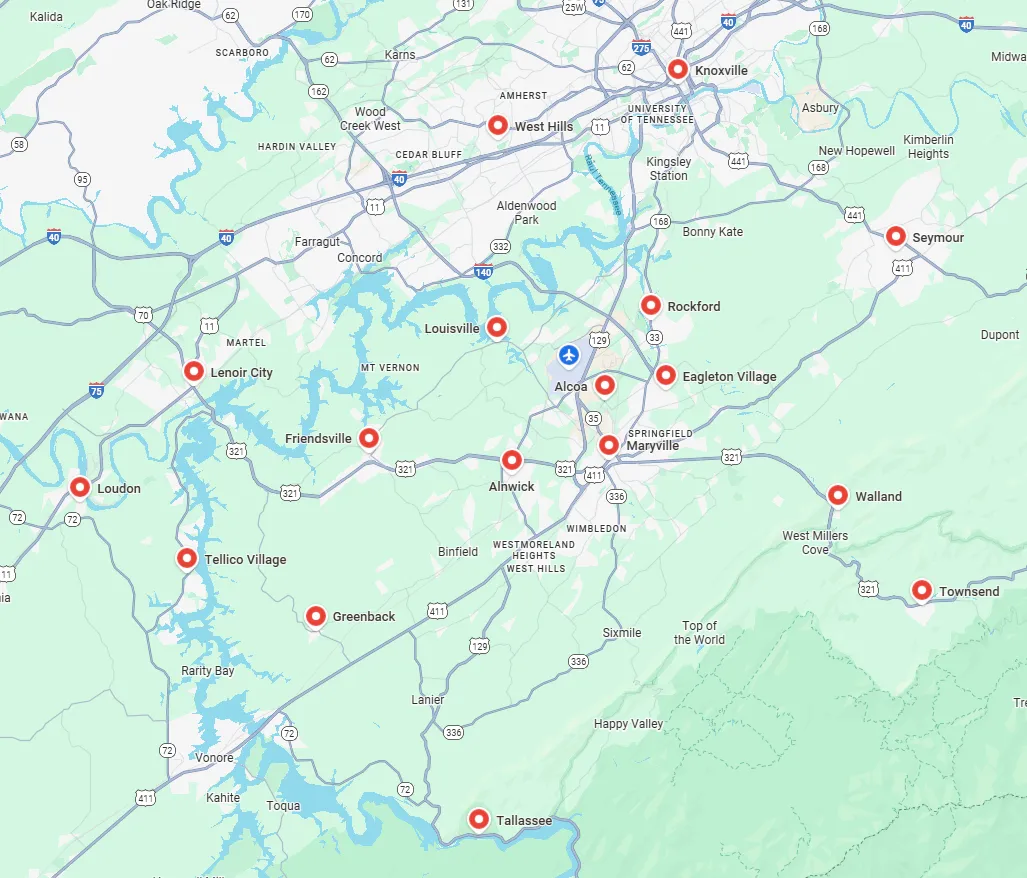
Everest Air Heating and Cooling brings a local, family-owned approach to heat pump repair in Alnwick, TN. Our technicians combine hands-on diagnostic skills with a focus on clear explanations and honest recommendations. Because we service Blount, Loudon, Knox, and Sevier counties regularly, we understand the unique challenges Alnwick homes present and tailor repairs for lasting performance.
Key service principles:
- No hassles and no high-pressure sales
- Thorough diagnostics before recommending repairs
- Clear, written estimates and documented warranties
- Prioritization of safety, energy efficiency, and long-term reliability
- Preventive maintenance options like the Y.E.T.I Comfort Plan for predictable upkeep and priority scheduling
We treat every service call as an opportunity to educate and empower homeowners so they can make confident choices about their heating and cooling systems.
What a typical heat pump repair visit resolves
Many Alnwick service calls are resolved during the first visit. Typical resolutions include:
- Replacing failed capacitors, contactors, and fan motors
- Repairing refrigerant leaks and recharging systems to manufacturer specifications
- Replacing faulty thermostats and control boards
- Cleaning coils, replacing filters, and restoring proper airflow
- Servicing reversing valves and defrost controls for reliable winter operation
- Replacing compressors when necessary, with correct oil and refrigerant handling
After repair, technicians verify system performance in both heating and cooling modes, check safety circuits, and leave homeowners with simple operating tips for peak performance.
FAQs
Q: How quickly can a technician diagnose a heat pump issue in Alnwick, TN?
A: On-site diagnostics typically take 30 to 90 minutes depending on symptom complexity, system access, and whether parts testing is required. More complex diagnostics involving refrigerant testing and electrical analysis may take longer.
Q: Will repairs be covered by a warranty?
A: Yes. Repairs typically include a workmanship warranty for the labor performed and manufacturer warranties for replaced parts. Warranty lengths vary by component and manufacturer, and the technician will document coverage in your service paperwork.
Q: How do you determine if refrigerant needs to be recharged or if there is a leak?
A: Technicians use pressure readings, temperature differentials, and electronic leak detection to determine refrigerant condition. A low charge prompts a leak search before recharging to prevent repeat loss and damage.
Q: Is it worth repairing a heat pump that is 12 years old?
A: That depends on the failure, prior repair history, and expected remaining life. For single, low-cost repairs, a 12-year-old system may be worth fixing. For major sealed-system failures or repeated breakdowns, replacement is usually more cost-effective.
Q: What should I prepare for a service visit?
A: Clear access to the indoor unit and outdoor unit, make note of any error codes or unusual sounds, and be prepared to discuss recent performance and thermostat settings. Also have documentation of prior service if available.
Q: Do you service all brands of heat pumps?
A: Yes. Everest Air Heating and Cooling services a wide range of major brands and models, and evaluates each system on its own merits to find the most reliable repair path.
Q: What does a written estimate include?
A: Written estimates include a breakdown of labor, parts, expected time to complete the repair, any necessary follow-up visits, and information about warranties and parts lead times.
Q: How can I avoid emergency heat pump repairs in Alnwick?
A: Regular seasonal maintenance, keeping the outdoor unit clear of debris, replacing filters, and enrolling in a preventive maintenance plan are the most effective ways to avoid unexpected failures.
Every homeowner situation is unique. Clear diagnostics, honest recommendations, and documented warranties are the foundation of reliable heat pump repair in Alnwick, TN. Everest Air Heating and Cooling focuses on restoring comfort efficiently while protecting long-term system health and energy performance.
hear what our satisfied clients have to say

David P.
Service areas