

Heat Pump Repair in Lenoir City, TN
When your heat pump stops delivering reliable heating or cooling, it's more than just an inconvenience—it impacts your comfort, safety, and even your energy bills. At Everest Air Heating and Cooling, we truly understand how disruptive a failing heat pump can be for Lenoir City homes. With humid Tennessee summers and chilly winter nights, your system is expected to perform flawlessly all year long. That's why we're here to offer clear, expert guidance. We'll explore common heat pump failure modes, explain how our Everest Air Heating and Cooling technicians diagnose problems, clarify the difference between emergency and scheduled repairs, discuss our transparent pricing and estimating practices, cover parts sourcing and warranty repairs, and help you decide whether repairing or replacing your system is the best path forward. Our goal is to empower homeowners with all the information they need to make confident decisions.
.avif)
Why timely heat pump repair matters in Lenoir City
Lenoir City experiences hot, humid summers and moderate winters with occasional subfreezing temperatures. Humidity and pollen can accelerate wear on outdoor components while seasonal temperature swings can reveal hidden issues in controls and refrigerant systems. Delaying repair often turns a small, inexpensive fix into a costly breakdown. Prompt, professional heat pump repair restores comfort, prevents secondary damage to ductwork and indoor components, and keeps operating efficiency high—saving money over time.
Common heat pump issues in Lenoir City homes
Below are the most frequent failure modes Everest Air technicians diagnose and repair. Each problem is described in simple terms, with common causes and the typical signs homeowners notice.
- Compressor failure
- What it is: The compressor moves refrigerant through the system and creates the pressure difference that enables heating and cooling.
- Common causes: Electrical faults, refrigerant contamination, worn internal components, or a seized motor.
- Symptoms: Loud or unusual noises from the outdoor unit, system runs but fails to heat or cool, frequent tripping of circuit breakers.
- Reversing valve problems
- What it is: The reversing valve switches the refrigerant flow between heating and cooling modes.
- Common causes: Valve sticking, internal wear, or control circuit failures.
- Symptoms: Unit works normally in one mode but not the other, irregular mode changes, or poor heating performance in winter.
- Refrigerant leaks
- What it is: Loss of refrigerant reduces heat transfer capacity.
- Common causes: Corrosion, mechanical damage, or poor factory welds in older systems.
- Symptoms: Gradual loss of heating/cooling, ice buildup on the coil, hissing sounds, and higher energy bills.
- Defrost and icing problems
- What it is: Heat pumps periodically go into defrost to remove frost that accumulates on the outdoor coil during cold weather.
- Common causes: Faulty defrost control board, sensor failure, or low refrigerant.
- Symptoms: Outdoor unit covered in ice, frequent defrost cycles, or prolonged heating cycles with poor output.
- Electrical faults
- What it is: Includes issues with capacitors, contactors, relays, and wiring.
- Common causes: Age, voltage spikes, corrosion, or loose connections.
- Symptoms: Unit not powering on, intermittent operation, or burning smells and visible burned contacts.
- Thermostat and control problems
- What it is: The thermostat and control board coordinate system operation.
- Common causes: Misconfiguration, broken sensors, or failed control boards.
- Symptoms: System short-cycles, wrong temperature readings, or unresponsive controls.
- Airflow and duct problems affecting heat pump performance
- What it is: Restricted airflow forces the heat pump to work harder and can cause icing or overheating.
- Common causes: Dirty filters, blocked return vents, collapsed ductwork, or fan motor issues.
- Symptoms: Weak airflow at vents, inconsistent temperatures between rooms, and higher compressor run times.
How professional heat pump diagnosis works
A reliable diagnosis is the foundation for an effective repair. Everest Air Heating and Cooling follows a step-by-step diagnostic procedure that homes in on root causes rather than guessing.
- Initial customer intake
- Document symptoms, when they occur, and any recent changes in performance.
- Collect system information: model, age, service history, and warranty status.
- Visual inspection
- Check outdoor and indoor units for physical damage, debris, and obvious signs of leakage or corrosion.
- Inspect electrical panels and wiring for loose or burned connections.
- Check outdoor and indoor units for physical damage, debris, and obvious signs of leakage or corrosion.
- Electrical testing
- Measure voltage and current on key components including the compressor, fan motor, and contactors.
- Test capacitors and relays to rule out common electrical failures.
- Refrigerant and pressure checks
- Measure refrigerant pressures and superheat/subcooling to detect leaks or incorrect charge levels.
- Use leak detectors and ultraviolet dye when needed to pinpoint tiny leaks.
- Component testing
- Test reversing valves, defrost controls, sensors, and thermostats for proper operation.
- Evaluate compressor health through locked rotor and amp draw tests.
- Airflow and system performance check
- Measure temperature differentials across the coil, check airflow at registers, and confirm blower motor performance.
- Inspect ductwork if airflow is restricted or uneven.
- Report and recommendation
- Present findings in a clear explanation of what failed, why it likely failed, and repair versus replacement options.
- Provide an estimate that separates parts, labor, and any required follow-up services.
This systematic approach reduces unnecessary parts replacement, ensures accurate estimates, and helps homeowners in Lenoir City understand exactly what repair actions will restore dependable performance.
Repair procedures by failure mode
Technicians apply industry-standard repair practices tailored to the specific failure mode. Below are typical repair workflows for the common issues listed earlier.
- Compressor repairs
- Confirm compressor failure using electrical and performance testing.
- Replace start capacitors or contactors if those components caused the failure.
- If compressor is internally damaged, coordinate compressor replacement and reclaim/recharge refrigerant in compliance with EPA rules.
- Test the new compressor under load and verify system pressures and temperatures.
- Reversing valve repair
- Verify the valve is operating electrically and mechanically.
- Replace the reversing valve or its actuator when stuck or leaking.
- Evacuate and recharge the system if valve replacement requires opening the refrigerant circuit.
- Confirm correct mode switching and heating output post-repair.
- Refrigerant leak repair
- Locate leaks using electronic detectors and inspection of common leak points.
- Repair or replace damaged lines, coils, or service valves.
- Perform a vacuum test to verify leak repair, then recharge to the proper manufacturer charge.
- Record refrigerant type and quantity for warranty and regulatory documentation.
- Defrost system repair
- Test defrost sensors and control boards.
- Replace faulty sensors or controls and verify the defrost cycle functions properly.
- Address underlying causes like low refrigerant or airflow restriction that may have caused excessive icing.
- Electrical component replacement
- Replace failed capacitors, contactors, relays, and other electrical parts with OEM-equivalent components.
- Tighten and secure electrical connections and verify safe operation through amperage and voltage testing.
- Inspect and secure the outdoor disconnect and breaker panels.
- Thermostat and control repairs
- Recalibrate or replace thermostats and control boards.
- Reconfigure settings for system type, staging, and heat pump-specific features.
- Verify system responds correctly to setpoints and schedules.
- Airflow restoration
- Clean or replace filters, clear vents, and repair damaged ducting.
- Balance airflow when needed and test blower motor performance.
- Recommend or perform coil cleaning to restore heat transfer efficiency.
Each repair includes post-service performance validation to ensure the system operates reliably through typical Lenoir City conditions, including high humidity or sudden temperature swings.
Emergency repairs versus scheduled service
Knowing when a heat pump issue is an emergency is important for safety and comfort. Everest Air technicians prioritize emergencies while also addressing scheduled repairs that prevent future breakdowns.
Emergency repair indicators
- No heating during below-freezing weather, risking pipes freezing or occupant safety.
- Complete electrical failure with burning smells or visible smoke.
- Refrigerant leak accompanied by hissing or frost with rapid system decline.
- Loud, grinding noises indicating imminent mechanical failure.
Scheduled or non-urgent repairs
- Gradual loss of efficiency or longer run times.
- Minor defrost irregularities that do not immediately affect comfort.
- Intermittent thermostat issues.
- Preventive repairs identified during seasonal maintenance visits.
In Lenoir City, weather patterns can change quickly. Quick response to emergency signs protects your home and reduces the chance of secondary damage like frozen pipes or mold growth caused by extended humidity imbalance.
Transparent pricing and estimate process
Everest Air Heating and Cooling emphasizes clarity in estimates so homeowners understand exactly what they are paying for and why.
- Written estimates after diagnosis
- After completing a diagnostic assessment, technicians provide a detailed estimate that lists parts, labor hours, and any permits or refrigerant handling fees separately.
- Estimates identify whether parts are OEM or aftermarket and include warranty terms for parts and workmanship.
- No hidden fees
- Where additional repairs are needed, technicians explain why the extra work is required and present a revised estimate before any additional work is performed.
- Estimates include information on how repairs affect system efficiency and expected service life.
- Financing and plan alignment
- For larger repairs or replacements, estimates can be aligned with preventive plans like the Y.E.T.I Comfort Plan to show long-term maintenance schedule and potential savings.
- Pricing conversations focus on value over time, comparing repair costs to the remaining expected life and energy savings if a higher efficiency solution is selected.
This transparent approach helps Lenoir City homeowners compare options and choose the solution that best fits their needs and budget.
Parts sourcing and warranty repairs
Everest Air works with reputable suppliers and follows manufacturer warranty protocols to protect your investment.
- Sourcing quality parts
- We source OEM parts for major brands when available to maintain system reliability and warranty integrity.
- For older or obsolete models, technicians evaluate high-quality aftermarket alternatives and document compatibility.
- Manufacturer warranty repairs
- If a component is covered by manufacturer warranty, technicians document the system serial numbers, failure mode, and installed part numbers to support warranty claims.
- Warranty repairs follow manufacturer service procedures to ensure compliance and protect remaining coverage.
- Warranty for labor and parts
- Repairs performed include a clear explanation of labor warranties, and parts installed come with their stated manufacturer warranties where applicable.
- Service records are maintained to verify warranty history for future service needs.
Sourcing the correct parts and following warranty processes is especially important in Lenoir City, where seasonal extremes can quickly reveal latent defects that a warranty should cover.
When to repair versus replace: a practical guide
Deciding whether to repair or replace a heat pump can be complex. Use the following factors to guide the decision, keeping in mind local climate and the system history.
Always consider repair when
- The system is relatively new, typically under 8 years, and the repair is limited to a single major component.
- The repair restores efficiency and the remaining components are in good condition.
- Manufacturer warranties or service plans will cover significant portions of the cost.
Consider replacement when
- The system is older than 12 to 15 years and showing multiple failures or declining efficiency.
- Cost of repair is a substantial portion of replacement cost, especially when combined with expected future repairs.
- The system uses older refrigerants that are being phased out, or the compressor failure would require frequent expensive work.
- You want a significant efficiency upgrade to reduce energy bills in Lenoir City’s hot, humid summers.
Decision checklist
- Age of system and maintenance history
- Number and type of recent failures
- Current energy bills and desired efficiency improvements
- Compatibility with modern thermostats and zoning features
- Local climate demands and how much heating or cooling is needed seasonally
- Long term plans for the home, including renovations or resale
A thoughtful, evidence-based recommendation from a technician helps homeowners balance upfront costs with long-term value and comfort goals.
Preventive maintenance to avoid future repairs
Regular maintenance reduces the chance of unexpected failures and extends system life. For Lenoir City homes, seasonal checks are especially valuable due to humidity and pollen loads.
- Recommended maintenance tasks
- Replace or clean filters according to manufacturer guidance and household conditions.
- Schedule spring and fall inspections to prepare for cooling and heating seasons.
- Clean outdoor coils, clear debris, and inspect condensate drains.
- Test electrical components, capacitors, and safety controls.
- Verify refrigerant charge and airflow.
- Benefits of preventive maintenance
- Higher efficiency and lower energy bills.
- Fewer emergency repairs and longer equipment life.
- Improved indoor comfort and better humidity control.
- Documentation that supports warranty requirements.
Everest Air’s Y.E.T.I Comfort Plan and routine service programs are designed to catch small issues early, making repair decisions easier and more predictable.
What to expect during a professional heat pump repair visit
A professional visit from Everest Air is organized to minimize disruption and maximize clarity.
- Arrival and system review
- Technicians review symptoms and any previous service records before inspecting the system.
- They perform the full diagnostic sequence described earlier.
- Clear explanation of findings
- You receive a plain language summary of the problem, causes, and repair options.
- Estimates are itemized so you can see parts, labor, and any additional services.
- Repair and validation
- Repairs use quality parts and follow safety and refrigerant handling protocols.
- After repairs, the system is tested across modes and under load to validate performance.
- Technicians leave a summary of work performed and any maintenance recommendations.
This consistent process ensures homeowners in Lenoir City understand the scope of work and the benefits of the repair, with confidence in the results.
FAQs
Q: How long does a typical heat pump repair take?
A: Repair times vary by failure mode. Simple fixes like capacitor or contactor replacement can often be completed in a few hours. Major work such as compressor replacement or refrigerant circuit repairs may require more time and coordination for parts and refrigerant handling. A technician will provide an estimated timeline after diagnosis.
Q: Will repairing my heat pump void its warranty?
A: Repairs performed using manufacturer-approved parts and procedures typically do not void warranties. Unauthorized modifications or use of incompatible aftermarket parts can affect coverage. Technicians will document parts and procedures and advise on warranty implications.
Q: How can I tell if my heat pump is low on refrigerant?
A: Common signs include reduced heating or cooling capacity, ice on the outdoor coil, and higher-than-normal energy bills. A qualified technician will measure pressures and perform leak detection to confirm and locate leaks before recharging.
Q: Is refrigerant handling regulated in Tennessee?
A: Yes. Refrigerant handling is regulated and must be done by certified technicians using approved recovery and charging procedures. Proper documentation is maintained for compliance and environmental protection.
Q: Do heat pumps need annual maintenance in Lenoir City?
A: Annual or semi-annual maintenance is recommended. Given Lenoir City humidity and pollen, spring and fall checkups help maintain efficiency and prevent issues related to outdoor coil fouling and seasonal load changes.
Q: When is replacement the better option than repair?
A: Replacement is often better when the system is old, has multiple failing components, uses obsolete refrigerant, or when repair costs approach a significant percentage of replacement cost. Upgrading can provide efficiency gains that lower long-term energy costs.
Q: Can poor airflow cause my heat pump compressor to fail?
A: Yes. Poor airflow forces the compressor to work harder and can lead to overheating or freezing conditions that stress mechanical components. Addressing airflow issues early helps protect the compressor and improve overall reliability.
Q: How are emergency heat pump repairs handled?
A: Emergency repairs are prioritized when there is a safety risk, complete loss of heat during freezing conditions, or electrical hazards. Technicians will stabilize the system to protect the home and then perform permanent repairs based on a full diagnostic once conditions allow.
Professional heat pump repair protects comfort and investment in your home. Everest Air Heating and Cooling applies a systematic diagnostic approach, clear estimates, and quality parts sourcing to make repairs that last in Lenoir City’s climate. Regular maintenance, timely repair, and informed decisions about repair versus replacement keep systems running efficiently and reliably year round.
hear what our satisfied clients have to say

David P.
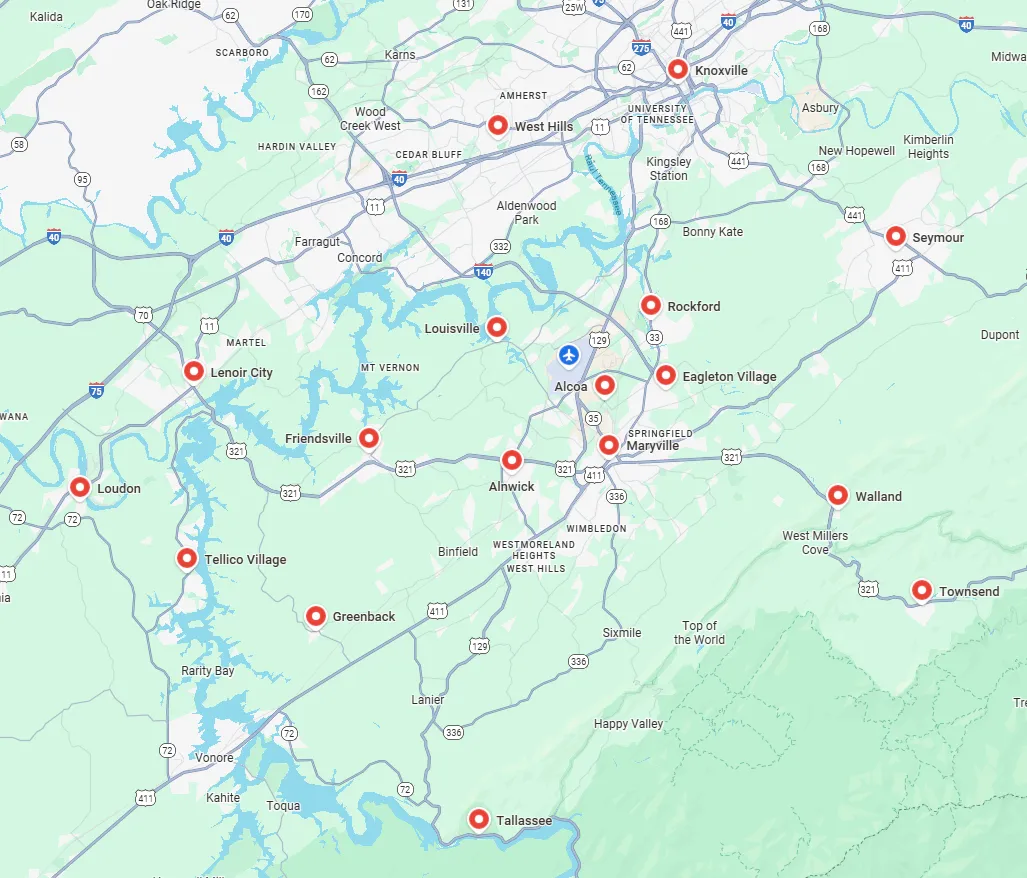
Service areas