

Heat Pump Maintenance in Lenoir City, TN
For homeowners in Lenoir City, TN, keeping your heat pump tuned up and reliable is truly one of the best decisions you can make. With our hot, humid summers and occasional winter cold snaps, heat pumps carry most of the year-round comfort load for many local homes. Everest Air Heating and Cooling offers thorough, seasonal heat pump maintenance specifically designed for the climate and unique needs of Lenoir City neighborhoods. During a professional heat pump maintenance visit, we focus on what matters here, addressing common local issues, ensuring optimal performance, and setting up service intervals that prioritize your comfort and system longevity. Our maintenance plans are built to keep your system humming efficiently.

Why maintenance matters in Lenoir City
Lenoir City sits in a humid subtropical climate where high summer humidity and frequent seasonal pollen place extra demands on heat pump systems. Outdoor units face moisture, airborne debris, and pollen buildup that reduce efficiency. In winter, occasional cold spells trigger defrost cycles and put strain on system components. Regular maintenance helps protect your investment, keeps energy bills down during Knoxville area summers, prevents inconvenient breakdowns, and extends the life of compressors and reversing valves that can be expensive to replace.
Common heat pump issues in Lenoir City, TN homes
- Reduced cooling or heating capacity: Often caused by dirty coils, clogged filters, or low refrigerant. Local pollen and dust accumulate quickly in spring and summer.
- Short cycling: The system turns on and off frequently, which raises energy use and stresses components. Short cycling can be triggered by poor airflow, thermostat issues, or refrigerant problems.
- Frost accumulation and improper defrosting: During cold snaps, stuck defrost controls or restricted airflow cause excess frost on outdoor coils.
- Noisy operation: Loose or failing fan motors and worn bearings become more audible without routine lubrication and inspection.
- High energy bills: A poorly maintained system runs longer and works harder. Small issues like dirty condenser coils or miscalibrated thermostats add up.
- Drainage and moisture issues: Clogged condensate drains or pans lead to indoor humidity problems and potential water damage.
- Compressor or reversing valve failures: These major failures are often preventable with proper refrigerant checks and electrical inspections.
Typical professional maintenance checklist
A professional maintenance visit should be systematic and documented. Everest Air Heating and Cooling follows a comprehensive heat pump maintenance checklist tailored to the needs of Lenoir City homes. Each item on this list protects performance, safety, and efficiency.
Outdoor unit inspection and cleaning
- Clear vegetation and debris around the condenser unit. Lenoir City yards near the Tennessee River can accumulate leaves and damp debris rapidly.
- Clean condenser coils to restore heat transfer efficiency.
- Inspect condenser fins for damage and straighten if needed.
- Check fan blades and motor operation for wear or imbalance.
- Verify cabinet seal and mounting to reduce vibration and noise.
Indoor unit, airflow, and evaporator coil
- Replace or inspect air filters and recommend the correct MERV rating for your home.
- Clean the evaporator coil and check for signs of corrosion or blockage.
- Measure airflow to confirm proper CFM. Restricted airflow is a leading cause of heat pump inefficiency.
- Inspect ducts for visible leaks or disconnections when accessible.
Refrigerant and system performance
- Check refrigerant charge levels and look for signs of leaks. Proper refrigerant levels are critical to system longevity.
- Measure temperature split across the evaporator to assess cooling or heating performance.
- Evaluate compressor function and monitor amp draw to detect early electrical strain.
Electrical system, safety controls, and controls calibration
- Inspect all electrical connections for tightness and corrosion.
- Test contactors, relays, capacitors, and circuit board operation.
- Test safety controls, including high- and low-pressure switches and limit controls.
- Calibrate thermostats and verify correct operation of heat pump modes and scheduling.
Defrost cycle and reversing valve
- Confirm reversing valve operation for reliable switching between heating and cooling.
- Test and observe the defrost cycle to ensure frost and ice are removed properly during cold cycles.
Lubrication, belts, and moving parts
- Lubricate motors, bearings, and moving parts where manufacturer guidelines permit.
- Inspect belts and pulleys on systems that use them and recommend replacements if worn.
Drainage and condensation management
- Clear condensate drains and check drain pans for proper flow.
- Inspect condensate pump if installed and verify float switch operation.
System documentation and homeowner guidance
- Provide a written summary of findings, recommended repairs, and efficiency notes.
- Explain simple homeowner maintenance steps and seasonal considerations specific to Lenoir City (e.g., filter frequency during pollen season).
Recommended service intervals for Lenoir City homes
- Spring checkup: Clean and tune for cooling season. Prioritize coil cleaning, refrigerant checks, electrical inspections, and thermostat calibration.
- Fall checkup: Prepare for colder weather by testing heating performance, reversing valve, defrost cycle, and safety controls.
- Filters: Replace or clean every 1 to 3 months depending on filter type, home occupants, pets, and pollen levels.
- Older systems or high-use households: Consider quarterly inspections if the system is over 10 years old or if you have heavy usage patterns.
Benefits of regular heat pump maintenance
- Energy savings: Well-maintained heat pumps run more efficiently, often lowering monthly energy costs by reducing run-time and preserving proper refrigerant charge and airflow.
- Improved reliability and fewer breakdowns: Catching minor issues early prevents emergency repairs during extreme weather.
- Extended equipment life: Regular lubrication, electrical checks, and refrigerant maintenance reduce stress on compressors and motors.
- Better indoor comfort: Proper airflow, clean coils, and accurate thermostat calibration maintain even temperatures and humidity control.
- Safer operation: Electrical inspections and safety control testing reduce the risk of electrical faults and component failure.
- Maintains warranty compliance: Many manufacturers require documented routine maintenance to keep warranties valid.
What to expect during a professional maintenance visit
A professional heat pump Tune-Up is both diagnostic and preventive. Expect a structured visit that covers inspection, cleaning, testing, and documentation.
Arrival and inspection
- The technician reviews system age, service history, and homeowner concerns specific to your Lenoir City home environment.
- A visual inspection of outdoor and indoor units identifies obvious issues like debris, corrosion, or animal damage.
Cleaning and filter service
- Filters are checked and replaced or documented if replaced previously by the homeowner.
- Coils and condenser areas are cleaned using approved methods to avoid damaging refrigerant lines or fins.
Testing and performance checks
- Refrigerant levels and pressures are measured.
- Electrical components are tested with meters to confirm safe operation.
- System run tests measure temperature differentials, airflow, and overall efficiency in heating and cooling modes.
Recommendations and documentation
- The technician provides a written summary of findings including recommended repairs and a prioritized list of items to address.
- You receive guidance on seasonal care steps you can take between visits, such as filter replacement frequency and outdoor unit clearance.
Maintenance plans and priority scheduling options
Everest Air Heating and Cooling structures maintenance plans that align with the Y.E.T.I Comfort Plan principles familiar to our local customers. These plans focus on predictable, documented care and priority response when seasons change rapidly in East Tennessee.
Typical plan features
- Biannual inspections timed for spring and fall to prepare systems for peak cooling and heating seasons.
- Priority scheduling during seasonal service peaks so maintenance members can get earlier appointments.
- Discounts or reduced fees on diagnostic service calls and parts for plan members.
- Documentation of each visit and recommended next steps, which supports warranty requirements and resale value.
- Option to bundle residential and light commercial systems for properties in Lenoir City with outbuildings or multi-zone systems.
Why a plan makes sense in Lenoir City
- Seasonal pollen and humidity escalate problems quickly if systems are neglected.
- Priority scheduling matters during heat waves or cold snaps when many homeowners need service.
- Regularly scheduled visits simplify upkeep and make budgeting for HVAC care predictable.
Small checks homeowners can do between professional visits
- Replace or clean filters on schedule. During pollen season swap more frequently.
- Keep 2 feet of clearance around outdoor units and trim back plants and grass.
- Check thermostat batteries and settings before seasonal changes.
- Listen for unusual noises during start-up and note inconsistent room temperatures.
- Keep the condensate drain line clear by flushing with a small amount of bleach-free cleaner or a vinegar solution if manufacturer guidelines allow.
Signs your heat pump needs maintenance now
- Noticeable increase in energy bills without a change in usage patterns.
- System runs continuously but does not maintain set temperature.
- Short cycling or frequently turning on and off.
- Excessive ice buildup on the outdoor coil during cooler weather.
- Unusual odors or visible leaks around the indoor air handler.
- Strange noises such as grinding, buzzing, or loud rattling.
Why professional maintenance is different from DIY
DIY upkeep like filter checks and basic cleaning is valuable, but a professional maintenance visit includes testing and measurements that homeowners cannot perform safely or accurately. Professionals check refrigerant pressures, electrical amp draw, and safety controls; make precise adjustments; and detect issues that are invisible without diagnostic tools. This thorough approach reduces the chance of misdiagnosis and prevents repairs that could have been avoided with earlier intervention.
Common repairs identified during maintenance and why early detection matters
- Refrigerant leaks: Early detection avoids compressor damage and improves efficiency.
- Faulty capacitors and contactors: Replacing these small components before failure prevents system downtime.
- Fan motor wear: Replacing or lubricating motors early reduces stress on bearings and improves airflow.
- Blocked coils and airflow obstructions: Cleaning restores capacity and prevents short cycling.
- Wiring and electrical corrosion: Tightening and replacing worn connections prevents intermittent failures and safety hazards.
System age and replacement considerations
Heat pumps generally last 10 to 15 years with proper maintenance, but local stressors like high humidity and frequent use can shorten lifespans. Routine maintenance delays the need for replacement, but when your system reaches the end of its useful life, maintenance helps you get the most reliable performance during transition. Professionals can provide documented maintenance history that can inform replacement planning and optimize timing for upgrades to more efficient equipment.
Environmental and efficiency considerations for Lenoir City homeownersHigher-severity pollen seasons and humidity in the Lenoir City area mean efficiency gains from maintenance can be more noticeable than in drier climates. Clean coils and correct refrigerant levels reduce run time and lower energy consumption during high-demand months. Well-maintained systems also manage humidity better, increasing comfort without overcooling.
What makes a quality maintenance provider in this area
- Local knowledge: Understanding East Tennessee climate patterns and common problems in Lenoir City homes.
- Transparent documentation: Clear maintenance records that show what was inspected and what was serviced.
- Manufacturer-aware service: Following manufacturer specifications to maintain warranties.
- Prioritization: Offering scheduling options so customers can access service when they need it most.
- Safety-first practices: Proper electrical and refrigerant handling in every visit.
Everest Air Heating and Cooling and local expertise
Everest Air Heating and Cooling brings a family-owned approach with focus on thorough, no-shortcuts service. Our approach aligns with Y.E.T.I Comfort Plan values: scheduled care, priority scheduling for members, and a commitment to honest, high-quality work. Homeowners in Lenoir City can expect maintenance that addresses both standard heat pump needs and the specific conditions that come from local humidity, pollen, and seasonal temperature swings.
Frequently asked questions
Q: How often should I have my heat pump serviced in Lenoir City, TN?
A: Most heat pumps benefit from professional maintenance twice a year: once in spring for cooling season and once in fall for heating season. Filters should be checked every 1 to 3 months depending on use, pets, and pollen.
Q: Will maintenance reduce my energy bills?
A: Yes. Routine maintenance restores proper airflow, correct refrigerant charge, and clean coils, all of which reduce run time and improve efficiency, often resulting in noticeable energy savings.
Q: Can I perform maintenance myself?
A: Homeowners can and should replace filters, clear debris around the outdoor unit, and check thermostat settings. However, refrigerant checks, electrical testing, and performance diagnostics require a trained technician and specialized tools.
Q: What are the signs my heat pump needs service now?
A: Increased energy bills, short cycling, poor temperature control, unusual noises, excessive ice on the outdoor coil, and visible leaks are all signs your heat pump should be inspected.
Q: Does maintenance help extend the life of my heat pump?
A: Regular maintenance reduces wear on compressors, motors, and electrical components, which helps extend the life of your heat pump and delays costly major repairs.
Q: What is included in a professional maintenance visit?
A: A professional visit typically includes filter inspection or replacement, coil cleaning, refrigerant and pressure checks, electrical inspection, thermostat calibration, lubrication of moving parts, drainage checks, defrost cycle tests, and written documentation of findings.
Q: How does Lenoir City climate affect my heat pump?
A: Lenoir City’s humid summers and seasonal pollen increase coil and filter contamination, while cold snaps in winter test defrost cycles and reversing valves. These local factors make biannual maintenance particularly important.
Q: What are the benefits of joining a maintenance plan?
A: Maintenance plans provide scheduled biannual service, priority scheduling during busy seasons, documented inspections to support warranties, and potential discounts on repairs and service calls.
Q: Will maintenance preserve my warranty?
A: Many manufacturers require documented, routine maintenance to keep warranties valid. Professional maintenance records help ensure compliance with those requirements.
Q: How long does a typical maintenance visit take?
A: A standard heat pump maintenance visit usually takes about 60 to 90 minutes, depending on system complexity and the extent of cleaning or testing required.
Q: Are there seasonal timing tips for Lenoir City homeowners?
A: Schedule cooling checks in early spring before high heat and humidity arrive. Schedule heating checks in early fall to ensure reliable performance during early cold snaps. Priority scheduling is helpful during peak demand.
Q: Can maintenance identify whether I should repair or replace my system?
A: Yes. A professional inspection during maintenance will identify major components nearing failure and provide information on repair costs versus replacement to help make an informed decision.
Q: What documentation should I expect after service?
A: Expect a clear service report listing what was inspected, what was cleaned, any test readings taken, recommended repairs, and maintenance intervals.
Q: Is there anything I should do before a technician arrives?
A: Clear debris around the outdoor unit, ensure access to indoor equipment and thermostat, and note any specific problems or unusual behavior for the technician to evaluate during the visit.
hear what our satisfied clients have to say

David P.
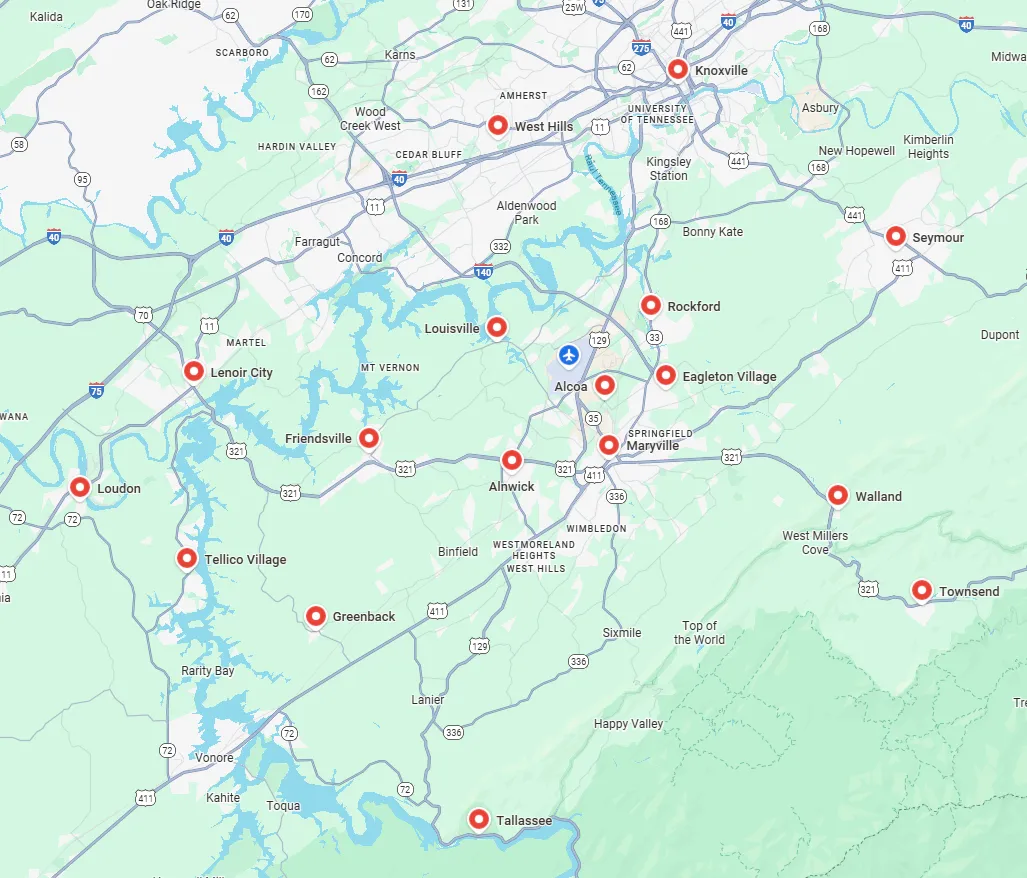
Service areas