

AC Tune-Up in Walland, TN
Keeping your air conditioner tuned and ready is absolutely essential for comfort in Walland, TN. Those humid summers and rapid temperature swings can really push an aging or neglected system to its limits here. That's why Everest Air Heating and Cooling provides comprehensive AC Tune-Ups designed to restore peak performance, significantly improve efficiency, and prevent those inconvenient mid-summer breakdowns. A properly executed Tune-Up by our team not only reduces your energy use and lengthens equipment life, but also helps ensure reliable cooling when your family needs it most. Trust Everest Air Heating and Cooling for your summer comfort.
Why a seasonal AC Tune-Up matters in Walland, TN
Walland sits near the foothills of the Great Smoky Mountains, which creates a climate of warm, humid summers and a lot of local vegetation. That combination increases airborne pollen, tree debris, and moisture exposure for outdoor equipment. Homes in the area often face attic heat gain, shaded and sun-exposed areas that affect system load, and older ductwork that can have leaks or insulation gaps. A Tune-Up tailored to these local conditions addresses the unique stressors Walland systems endure:
- High humidity increases coil condensation and can promote clogs in condensate drains.
- Tree pollen and nearby woods mean more debris buildup on outdoor coils and condensers.
- Seasonal storms and temperature swings can loosen electrical connections and accelerate wear.
- Older homes and ducts in the area often mean airflow restrictions that hide underlying problems.
Everest Air Heating and Cooling structures each AC Tune-Up with these regional factors in mind so your system operates efficiently through the hottest months.
What we inspect and service: AC Tune-Up checklist
A complete Tune-Up follows a consistent, documented checklist that covers airflow, refrigerant, electrical safety, and system controls. Typical items on the Everest Air Tune-Up include:
- Filter inspection and replacement
- Verify filter type and MERV rating
- Replace or recommend correct filter for your system and indoor air quality needs
- Thermostat verification and calibration
- Check setpoint accuracy, battery condition, and thermostat wiring
- Calibrate thermostat readings against measured room temperature
- Outdoor condenser and coil cleaning
- Remove leaves, pine needles, pollen and debris from the condenser
- Clean condenser coils to restore proper heat transfer
- Indoor evaporator coil inspection and cleaning
- Visually inspect evaporator coil for dirt, mold, or damage
- Clean coils as needed for optimal cooling and efficiency
- Refrigerant level and leak check
- Measure operating pressures and superheat/subcool values
- Confirm refrigerant charge and inspect for signs of leaks
- Electrical and safety inspection
- Test capacitors, contactors, fuses, wiring connections, and breakers
- Measure capacitor capacitance and motor amp draw
- Blower and fan checks
- Inspect blower wheel and motor for dirt, wear, and correct balance
- Clean blower assembly and adjust motor speed if applicable
- Condensate drain and pan inspection
- Clear drain lines, check for clogs, and ensure proper condensate removal
- Treat or recommend solutions for microbial growth where needed
- Ductwork and airflow assessment
- Measure static pressure and airflow where accessible
- Inspect visible ductwork for obvious leaks or disconnected joints
- System startup and performance verification
- Monitor run cycle, temperature split across the coil, and overall system operation
- Note unusual noises, vibrations, or cycling behavior
- Safety control tests
- Verify operation of high- and low-pressure controls, float switches, and limit devices
- Lubrication and mechanical checks
- Lubricate motors and moving parts where serviceable
- Inspect belts, pulleys and bearings
This checklist is designed to find existing issues and reduce the chance of future failure.
Typical diagnostic process during a Tune-Up
A methodical diagnosis separates quick maintenance tasks from potential repair needs. Everest Air technicians follow a logical process that includes:
- Initial system walk-through and homeowner interview about symptoms, recent repairs, or unusual behavior.
- Visual inspection of both indoor and outdoor equipment to identify obvious problems (debris, corrosion, oil stains, rodent damage).
- Filter assessment and replacement to establish proper airflow baseline.
- Electrical measurements: voltage, current draw, and continuity checks on critical components.
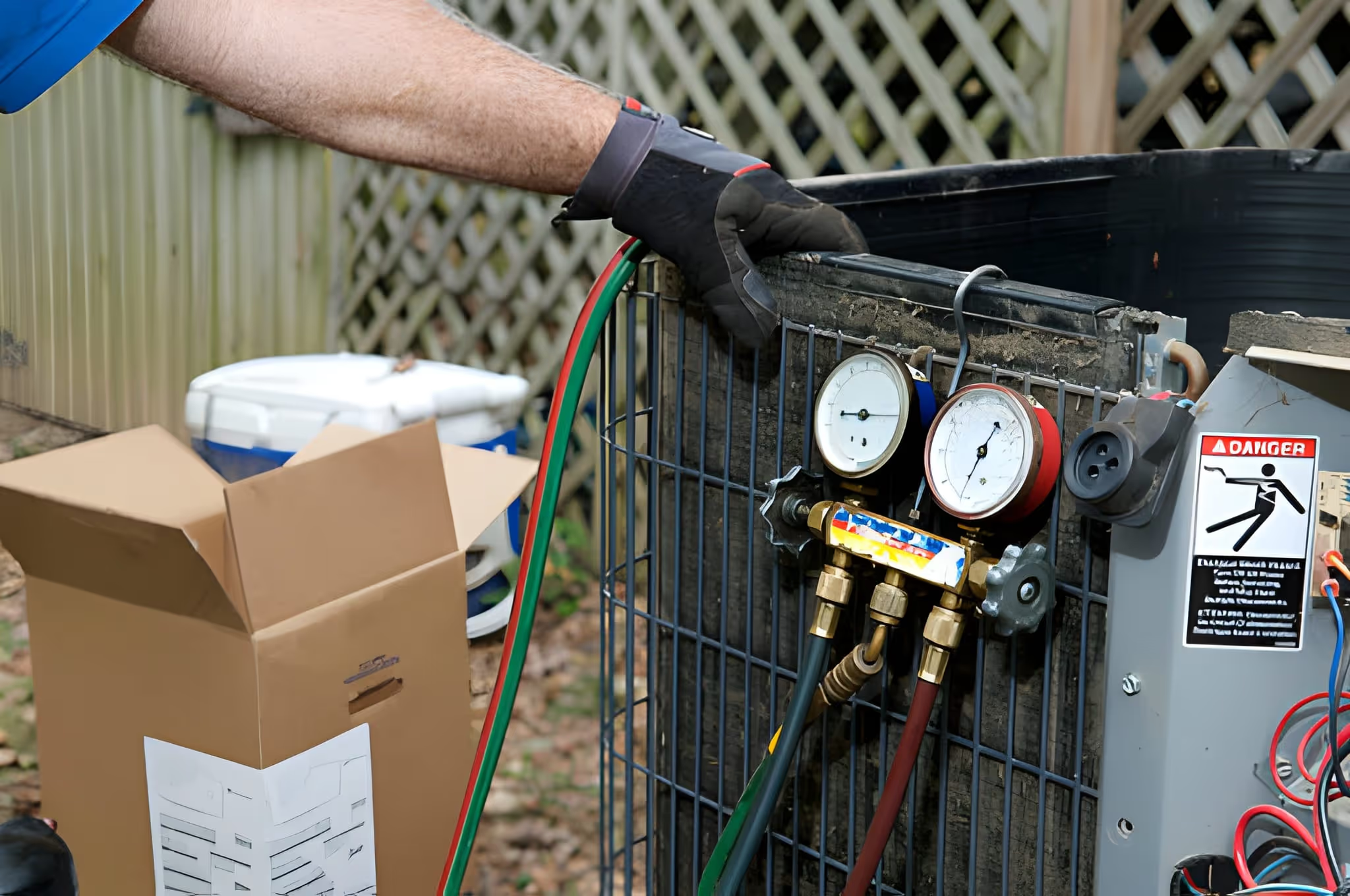
- Refrigerant checks using pressure gauges and temperature probes to assess charge and coil performance.
- Airflow and temperature measurements: supply and return temps, delta T across the coil, and static pressure when needed.
- Operational testing under typical load conditions to observe cycling, noise, and compressor performance.
- Homeowner briefing and written findings that explain any repairs needed, estimated part life, and recommended next steps.
Technicians document observations and provide clear explanations in plain language so homeowners understand the condition of their system.
Common AC problems uncovered during Tune-Ups in Walland
During a Tune-Up, the most frequent issues found in Walland homes include:
- Dirty evaporator and condenser coils that reduce heat transfer and force longer run times
- Low refrigerant charge from slow leaks that reduce cooling capacity and raise energy use
- Clogged condensate lines that cause water backup, staining, or microbial growth
- Failing capacitors, contactors and motors due to heat and cycling stress
- Restricted airflow caused by dirty filters, blocked returns, or leaky ducts
- Thermostat miscalibration or old thermostats that do not control temperature precisely
- Worn bearings or fans that create vibration and noise
- Corroded electrical terminals from moisture exposure
Each of these issues contributes to higher energy bills and reduced reliability if left unaddressed.
How coil cleaning and refrigerant verification help efficiency
Clean coils and a correct refrigerant charge are two of the biggest factors in system efficiency:
- Evaporator coil cleaning: A dirty evaporator coil acts like insulation, reducing the coil's ability to absorb heat from indoor air. That makes the system run longer and increases humidity. Cleaning restores designed performance and lowers run time.
- Condenser coil cleaning: Outdoor coils collect dirt and organic debris that impair heat rejection. Cleaning the condenser reduces compressor run time and stress.
- Refrigerant verification: An undercharged system shows poor cooling, longer cycles, and can cause compressor overheating. Overcharging is similarly harmful. Accurate pressure and temperature testing restore the manufacturer-recommended charge range.
Combined, these steps often restore several percentage points of efficiency, which translates to lower seasonal energy use.
Electrical and safety inspections explained
Electrical and safety inspections are crucial to avoid sudden failures and hazards:
- Tightening and inspecting all electrical connections prevents arcing and premature component failure.
- Measuring capacitor health and motor amp draw identifies motors or starting systems that are near failure.
- Inspecting contactors and relays ensures safe and reliable switching without excessive wear.
- Testing safety devices like float switches and high/low pressure cutouts prevents water damage and compressor damage.
- Verifying wiring integrity and proper breaker sizing prevents nuisance tripping and fire risk.
Detecting and correcting electrical issues during a Tune-Up is a cost-effective way to prevent emergency repairs that can occur during extreme weather.
Thermostat calibration and controls
A well-calibrated thermostat is the interface between your comfort and the HVAC system:
- Everest Air technicians check thermostat temperature readings against a calibrated thermometer.
- They confirm proper wiring and compatible settings for heat pump or conventional systems.
- For smart or programmable thermostats, they verify schedule logic and recommend settings that balance comfort and efficiency.
- If the thermostat is older or unreliable, technicians will document performance and make a neutral recommendation for replacement when appropriate.
Accurate controls result in fewer short cycles and better temperature stability.
Efficiency optimization tips for Walland homeowners
Beyond the Tune-Up itself, small changes at home extend the benefits and reduce monthly costs:
- Replace disposable filters regularly. Use the lowest MERV rating that does not restrict airflow for your system. High-MERV media filters can help air quality but may require professional assessment to ensure sufficient airflow.
- Keep outdoor equipment clear of leaves, grass clippings, and debris. Trim vegetation at least two feet from the condenser.
- Shade the outdoor unit if possible without restricting airflow; shaded condensers work more efficiently.
- Use ceiling fans to allow acceptable comfort at higher thermostat setpoints.
- Seal and insulate accessible ductwork in attics and crawlspaces to prevent energy loss common in older Walland homes.
- Install a programmable or smart thermostat and use temperature setbacks sensibly during away times.
- Ensure attic insulation meets current recommendations to reduce heat gain on summer days.
These steps complement a professional Tune-Up and support long-term savings.
What to expect during a Tune-Up: duration and results
A standard AC Tune-Up visit typically lasts between 60 and 90 minutes for most single-family home split systems. Factors that affect visit time include:
- Unit accessibility and how much cleaning is required
- Condition of the coils and amount of debris
- Whether additional diagnostic measurements are needed (static pressure, duct testing)
- Discovery of recommended repairs that may require parts ordering or longer on-site work
At the end of the service, a technician provides a clear summary of findings, recommended repairs (if any), and notes on any immediate safety concerns. Everest Air Heating and Cooling documents the work performed and provides maintenance notes that can be referenced at future visits.
Repairs commonly recommended after a Tune-Up
If the Tune-Up reveals problems, common repairs recommended include:
- Cleaning or replacing coils and condenser fins that are significantly restricted
- Repairing refrigerant leaks and recharging to the specified charge once leaks are fixed
- Replacing failing capacitors, contactors, or fan motors
- Clearing or repairing condensate drains and overflow safety switches
- Replacing aged thermostats or recalibrating controls
- Sealing duct leaks and insulating ducts in conditioned attics or crawlspaces
- Replacing worn belts, bearings, or other mechanical components
Technicians will separate urgent repairs from recommended improvements so homeowners can prioritize based on safety and budget.
Long-term benefits of regular Tune-Ups
Routine Tune-Ups deliver both immediate and long-term advantages:
- Improved energy efficiency and lower cooling bills thanks to cleaner components and proper refrigerant levels
- Greater reliability and fewer emergency service calls during heat waves
- Extended equipment life by reducing wear on compressors, motors and electrical components
- Better indoor air quality with properly maintained filters and coils
- Preserving manufacturer warranties that require routine professional maintenance
- Early detection of developing issues which reduces the cost and scope of future repairs
For many homeowners, the modest investment in regular Tune-Ups pays back through avoided repairs and energy savings over the system lifetime.
How often should you schedule a Tune-Up in Walland?
For most Walland homes, professional AC maintenance once per year in the spring is recommended before heavy cooling demand begins. If you have a heat pump or a home that runs cooling nearly year-round, consider twice-yearly inspections as part of a seasonal maintenance plan. Homes with heavy pollen exposure, lots of trees, or systems that run continuously during hot months may benefit from more frequent checks.
Everest Air Heating and Cooling includes spring and fall checkups with its Y.E.T.I Comfort Plan, which aligns well with regional needs in Blount County and surrounding areas.
The role of a maintenance plan
Joining a preventive maintenance program provides structure and priority:
- Scheduled seasonal inspections catch problems before peak use
- Priority scheduling during busy months reduces wait time for service
- Some plans include discounts on repairs and replacements, plus documentation of service for warranty compliance
- Consistent service technicians who know your equipment can spot trends and anticipate parts failures
Everest Air’s Y.E.T.I Comfort Plan offers fall and spring checkups, priority scheduling, peace of mind, and other benefits that make long-term care simple and predictable for homeowners.
Realistic performance improvements you can expect
While exact gains depend on system age and condition, a professional Tune-Up commonly yields:
- Noticeable improvement in cooling capacity for systems that were undercharged or had blocked coils
- Reduced run times and a moderate reduction in energy use for systems with dirty components; typical gains can be several percent, and in some cases more when major blockages or refrigerant issues are corrected
- More stable indoor temperatures and improved humidity control as coils and airflow are restored
Technicians quantify system performance during the visit so you can see before-and-after measurements when significant changes occur.
Preparing your home for a Tune-Up
A few simple steps help the technician complete a thorough Tune-Up:
- Clear the area around the indoor air handler and outdoor condenser so the technician can access equipment easily.
- Ensure access to the attic hatch, crawlspace, or utility closet if the air handler or ductwork requires inspection.
- Note any recent changes in performance, unusual noises, or past repairs so they can be discussed at the start of the visit.
Technicians will always respect your property and document any conditions that may affect service.
Why Everest Air Heating and Cooling
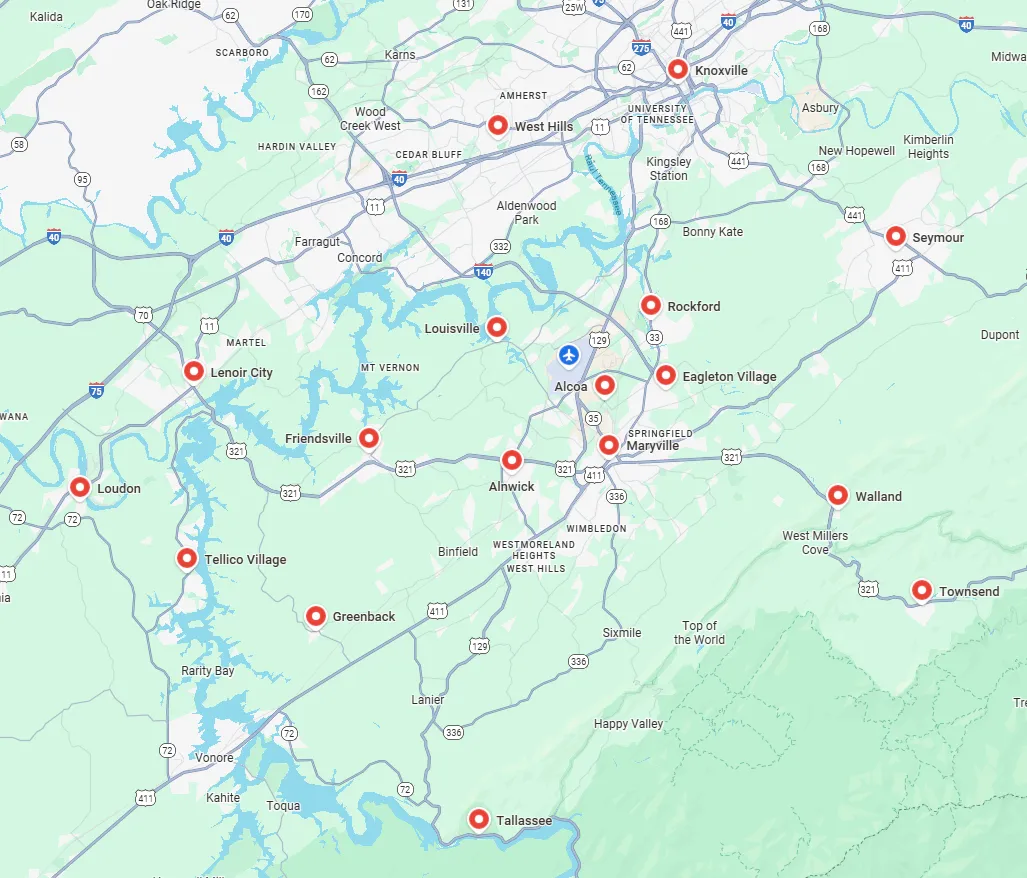
Everest Air Heating and Cooling brings a family-oriented approach and regional expertise to AC maintenance in Walland, TN. Our technicians understand the local climate impacts on cooling systems, from pollen and humidity to older home construction and ductwork issues common in the area. We focus on doing the job right with a full checklist, clear explanations, and documented findings so you know the status of your system after each visit.
As a company committed to no hassles, no high-pressure sales, and consistent quality, Everest Air structures its Tune-Ups to provide transparent value and reliable results for homeowners across Blount County and nearby communities.
FAQs
Q: How often should I get an AC Tune-Up in Walland, TN?
A: For most homes, schedule a professional Tune-Up once per year in the spring before cooling season. Homes with heavy pollen, lots of trees, or continuous cooling needs should consider twice-yearly visits.
Q: How long does a typical AC Tune-Up take?
A: Most single-family home Tune-Ups take about 60 to 90 minutes. Time can be longer if extensive cleaning or additional diagnostics are required.
Q: Will a Tune-Up lower my electric bill?
A: A Tune-Up can improve efficiency by restoring airflow, cleaning coils, and correcting refrigerant levels. While results vary, many homeowners see reduced run times and lower energy use after maintenance.
Q: What if you find a problem during the Tune-Up?
A: Technicians document issues and separate urgent repairs from recommended improvements. You will receive a clear explanation of findings and options so you can prioritize repairs.
Q: Do I need to change my filter before the technician arrives?
A: You do not have to, but having a clean filter in place helps the technician establish a normal operational baseline. Technicians will inspect and replace filters as part of the service when applicable.
Q: Can a Tune-Up prevent a mid-summer breakdown?
A: While nothing guarantees 100 percent prevention, regular Tune-Ups significantly reduce the risk of unexpected failures by catching wear and emerging problems before they become emergencies.
Q: How does Walland weather affect my AC system?
A: Walland’s warm, humid summers and high pollen levels increase coil fouling and condensate line risks. Nearby trees can add debris to outdoor coils. These local factors make seasonal maintenance especially important.
Q: What should I expect the technician to do about refrigerant?
A: The technician measures system pressures and temperatures to assess charge and looks for signs of leaks. If a leak is present, repair is needed before recharging refrigerant to the correct level.
Q: Is a Tune-Up required for the manufacturer warranty?
A: Many manufacturers require regular professional maintenance to keep warranties valid. Keep service records from each Tune-Up to document compliance.
Q: What is included in a maintenance plan like the Y.E.T.I Comfort Plan?
A: Maintenance plans typically include scheduled seasonal inspections, priority scheduling during busy periods, and other benefits such as documented maintenance history and service discounts. Everest Air’s Y.E.T.I Comfort Plan includes spring and fall checkups tailored to local needs.
hear what our satisfied clients have to say

David P.
Service areas