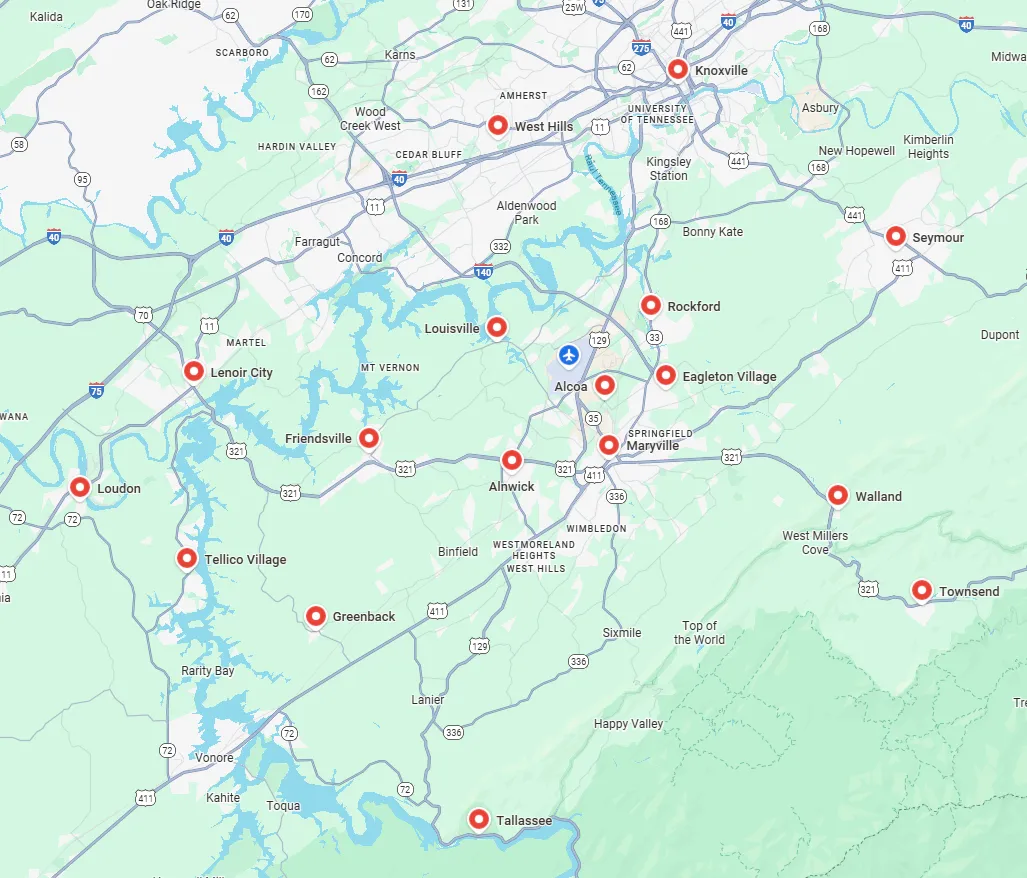


AC Maintenance in Walland, TN
Keeping your Walland home comfortable through those hot summers and humid shoulder seasons really comes down to consistent AC maintenance. Everest Air Heating and Cooling offers AC maintenance specifically tailored for Walland, TN homes. We focus on the unique challenges here—like the regional humidity, heavy pollen from the nearby woods, and those older homes often found in the Great Smoky Mountains foothills with crawlspace ductwork. Proper maintenance isn't just about preventing breakdowns when the heat is at its worst; it also makes your system more energy-efficient, extends its lifespan, and helps keep your indoor air cleaner. We'll walk you through what a professional AC maintenance visit involves, common issues we spot in Walland, our recommended schedules, and the perks of joining a preventative plan like our Y.E.T.I Comfort Plan, explaining how those ongoing agreements work.
.avif)
Why AC maintenance matters in Walland, TN
Walland experiences hot, humid summers and fluctuating spring and fall temperatures. Humidity forces air conditioners to work harder to remove moisture and maintain set temperatures. Homes near wooded areas and mountain valleys often face higher pollen, leaves, and debris that clog outdoor condenser coils and filters. Many homes in the area also have older duct systems located in crawlspaces that can collect dust, insulation fibers, or suffer from small animal intrusion. These local factors combine to increase wear on AC systems and raise the likelihood of inefficient operation or unexpected failures without regular upkeep.
Regular professional maintenance addresses these location-specific stressors by keeping coils clean, refrigerant at optimal levels, airflow unobstructed, and electrical and mechanical components functioning correctly. The result is consistent cooling, lower energy bills, and fewer emergency repairs during the hottest months.
Common AC issues in Walland homes
Homes in Walland often present a predictable set of AC challenges. Recognizing them helps you understand the value of routine maintenance.
- Dirty condenser coils from leaves, pollen, and airborne debris
- Clogged return grills and filters reducing airflow and efficiency
- Refrigerant leaks or low refrigerant causing poor cooling and ice buildup
- Worn blower motors, belts, or bearings leading to reduced airflow or noisy operation
- Faulty capacitors, contactors, or relays that cause intermittent starting or system failures
- Blocked condensate drains that create water damage or shut down the system
- Thermostat calibration problems causing short cycling or inconsistent temperature
- Duct leaks or disconnected sections in crawlspaces reducing capacity and increasing energy use
- Corroded wiring and loose electrical connections posing safety risks and reliability issues
Routine maintenance identifies and corrects these problems early, often before they become costly repairs or require full replacements.
What a thorough AC maintenance visit includes
A professional seasonal Tune-Up is more than a checklist. Everest Air Heating and Cooling structures AC maintenance to test system performance, clean key components, and document condition so future service decisions are informed. Typical maintenance tasks performed on a standard split-system air conditioner include:
- Visual inspection of the outdoor condenser and indoor air handler
- Cleaning and straightening condenser fins and washing the condenser coil if needed
- Cleaning evaporator coil and checking for signs of mold, corrosion, or restricted airflow
- Replacing or inspecting air filters and advising on frequency and filter types for local conditions
- Checking and testing refrigerant pressures and verifying proper refrigerant charge
- Inspecting and tightening electrical connections, testing capacitors and contactors for proper operation
- Lubricating motors and fan bearings where applicable
- Checking blower wheel condition and cleaning if dust buildup is present
- Testing thermostat accuracy and recalibrating or replacing batteries as needed
- Inspecting condensate drain and pan, clearing clogs, and confirming drainage integrity to prevent water damage
- Measuring airflow, temperature split, and overall system performance to determine efficiency
- Inspecting ductwork in accessible areas for leaks, insulation issues, or pest damage
- Documenting findings and recommending prioritized repairs or improvements
Each step is performed with respect for your home and system type to deliver reliable, traceable maintenance results.
Seasonal Tune-Ups explained: spring and fall
Most households benefit from two annual Tune-Ups timed to the demands of the season:
- Spring AC Tune-Up: Performed before heavy cooling starts. Focuses on the condenser, refrigerant levels, airflow optimization, coil cleaning, and ensuring the system can handle prolonged cooling loads without failure.
- Fall Tune-Up: For homes with combined heating and cooling systems, the fall visit prepares the heating side while confirming the AC is stored properly for the winter. Technicians may check reversing valves for heat pump systems, winterization of outdoor components, and clearing any debris ahead of cooler weather.
In many Walland homes the spring AC Tune-Up is the most critical because humidity and pollen increase quickly in April and May. For heat pump systems used year-round in transitional seasons, twice-yearly checks are especially valuable.
Benefits of preventative maintenance and ongoing plans
Preventative maintenance is an investment that reduces long-term costs and interruptions. Specific benefits include:
- Fewer emergency repairs during peak heat: Regular maintenance reduces unexpected failures when demand is highest.
- Longer equipment life: Clean coils, proper refrigerant charge, and well-lubricated motors extend component lifespan by reducing stress.
- Improved energy efficiency: A well-maintained system uses less electricity to deliver the same comfort, often lowering monthly utility bills.
- Better indoor air quality: Clean filters, coils, and unobstructed drainage reduce allergens, dust, and microbial growth.
- Enhanced comfort consistency: Correct airflow and system balance help maintain steady temperatures across rooms.
- Safety and liability reduction: Professional inspection uncovers electrical or refrigerant issues before they become hazards.
- Priority service and cost savings through maintenance agreements: Plans often include priority scheduling and repair discounts, which reduce downtime and out-of-pocket cost when service is needed.
Everest Air Heating and Cooling’s Y.E.T.I Comfort Plan bundles fall and spring checkups with benefits tailored to local homeowners, such as priority scheduling starting as early as 7AM and a percentage discount on service calls to help reduce overall maintenance costs.
Recommended maintenance schedule for Walland homes
Maintenance frequency depends on system age, home occupancy, pets, local airborne debris, and usage patterns. General recommendations for Walland, TN:
- Air filter inspection: Monthly visual check; replace every 1 to 3 months depending on filter type and household conditions. Homes with pets or high pollen should replace more frequently.
- Professional AC Tune-Up: Annual spring Tune-Up for cooling systems; semiannual service (spring and fall) for homes using the system for both cooling and heating or for heat pump systems.
- Duct inspection: Every 2 to 3 years, or sooner if you notice uneven cooling, increased dust, or rodent activity in crawlspaces.
- Condensate line check: Annual inspection and cleaning; immediate service if you notice water leakage, odors, or system shutdown.
- Refrigerant check: Annually or whenever performance drops. Low refrigerant requires repair of leaks and proper recharge.
Following these schedules helps keep systems running reliably during peak cooling months and prevents off-season deterioration.
Diagnostic testing and performance metrics technicians use
Professional maintenance includes testing that goes beyond visual checks. Understanding these tests helps homeowners see the measurable value of a Tune-Up.
- Refrigerant pressure testing: Ensures refrigerant levels match manufacturer specifications for efficient cooling and to prevent compressor damage.
- Temperature split measurement: The difference between return air and supply air should typically be 15 to 20 degrees Fahrenheit in cool weather. Deviations indicate airflow problems or refrigerant issues.
- Voltage and amp draw testing: Identifies stressed or failing motors and electrical components before they fail.
- Airflow measurement: Confirms the blower is moving the correct volume of air; restricted airflow reduces efficiency and causes coil freezing.
- System runtime and cycling observation: Detects short cycling or long runtimes that point to thermostat, refrigerant, or airflow issues.
- Condensate line flow testing: Ensures proper drainage to prevent water damage or microbial growth and confirms float switch operation that may shut down the system if blocked.
When technicians document these results, you get a precise view of system health and an evidence-based roadmap for future service.
Common repairs discovered during maintenance and why they matter
Maintenance often uncovers items that, if addressed promptly, prevent larger failures:
- Refrigerant leaks: Low charge reduces capacity and increases compressor strain. Locating and repairing leaks preserves system life.
- Worn start capacitors and relays: These parts are inexpensive relative to a motor or compressor replacement but cause frequent no-start or hard-start problems if neglected.
- Dirty coils and blocked fins: Reduced heat transfer forces longer run times and increases electrical use.
- Loose or corroded electrical connections: Can create intermittent problems and overload circuits, potentially damaging control boards or creating fire hazards.
- Blower wheel imbalance and debris: Leads to vibration, increased noise, and uneven airflow circulation.
- Partial duct separations or gaps in crawlspace ducts: Result in significant energy losses; sealing and insulating leaky ducts restores capacity and reduces bills.
- Clogged condensate lines and pan corrosion: Can cause water leaks, floor or ceiling damage, and system shutdowns.
Addressing these items during scheduled maintenance is almost always less costly and disruptive than responding to a failure.
How maintenance agreements work (enrollment and benefits)
Maintenance agreements provide predictable care and administrative convenience for homeowners who want reliable system performance and priority service without having to remember dates. Typical elements of an ongoing AC maintenance agreement include:
- Scheduled seasonal checkups: Fall and spring visits are pre-scheduled and recorded, ensuring your system receives routine professional attention tailored to Walland weather patterns.
- Service documentation: A written or digital record of inspections, findings, and completed tasks helps track system health and warranty compliance for manufacturers that require routine maintenance.
- Priority scheduling: Plan members receive accelerated service windows, which is particularly helpful during heat waves when demand for technicians spikes.
- Discounted service rates: Agreements commonly offer a percentage discount on parts or service labor, making repairs less expensive when they are needed.
- Reminder notifications: Email, text, or mailed reminders for upcoming Tune-Ups reduce missed maintenance and keep service current.
- Transferability: Many plans offer the ability to transfer the agreement when a home is sold, potentially preserving system value.
Enrollment generally involves selecting a plan tier that matches your system type, reviewing the plan terms (coverage, benefits, and scheduling policies), and setting up a preferred inspection time window. The specifics of coverage and benefits vary by provider and plan tier, but the structure is designed to offer peace of mind and lower long-term ownership costs.
Troubleshooting tips homeowners can use between visits
While regular professional maintenance is essential, homeowners can take simple steps to keep systems healthy between visits:
- Replace disposable air filters regularly and check reusable filters for washing. A clean filter is the single most effective maintenance item you can manage.
- Keep the outdoor condenser clear of leaves, branches, and grass clippings. Trim plants back at least two feet from the unit for adequate airflow.
- Monitor the thermostat and compare room temperatures across the house. Significant differences can indicate duct or airflow issues.
- Check the condensate drain area for standing water or a funky smell, which can indicate a clog or bacterial growth.
- Listen for unusual sounds such as grinding, hissing, or loud rattles; these often precede component failure.
- Inspect accessible ductwork in crawlspaces for visible disconnections, rodent activity, or missing insulation.
- Ensure attic or crawlspace vents are operating properly and insulation is intact to reduce heat gain that makes the AC work harder.
These steps keep your system operating more efficiently and help you spot issues that need professional attention.
Why choose a local provider for AC maintenance in Walland
Local knowledge matters. A provider familiar with Walland and surrounding Blount County understands how seasonal pollen, valley microclimates, and typical home construction affect AC performance. Local technicians also know which manufacturers and models are most common in the area and how to best maintain systems in homes with crawlspaces, older ductwork, or shaded yards near wooded properties. Everest Air Heating and Cooling leverages local experience to tailor maintenance tasks to common regional problems, ensuring each inspection targets the items most likely to impact reliability and efficiency in Walland homes.
HVAC safety and compliance considerations
AC maintenance should be performed by trained technicians who follow safety protocols and local regulations. Refrigerant handling requires certified technicians who use proper recovery equipment and leak detection methods. Electrical testing and repairs should follow code and manufacturer safety guidelines to prevent hazards and protect warranties. Professional maintenance reduces risks associated with DIY attempts and provides documentation that can be essential for equipment warranties or insurance claims.
Long-term savings: maintenance vs replacement
Routine maintenance lowers the overall cost of ownership. Well-maintained systems operate more efficiently, reducing energy bills and delaying the need for replacement. When replacement becomes necessary, maintenance records help determine which components failed due to wear versus installation or manufacturing issues, and well-maintained systems often fetch higher resale value for homes because buyers perceive lower immediate risk. Investment in preventative care is typically a fraction of major repairs or early system replacements.
Frequently Asked Questions
Q: How often should my AC be serviced in Walland, TN?
A: Perform a professional AC Tune-Up annually for cooling-only systems and biannually (spring and fall) for heat pump systems or combined HVAC systems. Inspect or replace filters monthly to quarterly depending on conditions.
Q: What does a spring AC Tune-Up typically include?
A: A spring Tune-Up usually includes cleaning condenser and evaporator coils, checking refrigerant levels, testing electrical components and capacitors, verifying proper airflow and temperature split, lubricating motors where applicable, and inspecting drains and thermostats.
Q: Will maintenance reduce my utility bills?
A: Yes. Proper maintenance improves system efficiency by ensuring clean coils, correct refrigerant charge, and unrestricted airflow, all of which reduce energy consumption and can lower monthly cooling costs.
Q: How does humidity in Walland affect my AC?
A: High humidity forces your AC to run longer to remove moisture from indoor air. This increases runtime and wear. Clean coils, properly sized systems, and correct refrigerant levels help the system dehumidify effectively.
Q: What are signs my system needs attention between professional visits?
A: Watch for reduced cooling, higher energy bills, strange noises, water near indoor components, frequent cycling on and off, or visible ice on refrigerant lines. These signs warrant a service inspection.
Q: What is included in a maintenance agreement?
A: Agreements typically include scheduled seasonal Tune-Ups, priority scheduling, service discounts, maintenance documentation, and reminders. Specific coverages vary by plan and provider.
Q: How long does a typical maintenance visit take?
A: A complete AC maintenance visit generally takes 45 minutes to 90 minutes depending on system condition, accessibility, and whether additional repairs or cleaning are needed.
Q: Can maintenance prevent a compressor failure?
A: While maintenance cannot guarantee prevention of all failures, it significantly reduces the risk by ensuring proper refrigerant levels, clean coils, good electrical connections, and correct oiling and lubrication—factors that often contribute to compressor longevity.
Q: Does a Tune-Up include replacing filters?
A: A standard maintenance visit inspects filters and replaces them if the plan or agreement covers filter service. Otherwise, technicians will recommend replacement intervals and suitable filter options for your home.
Q: Are maintenance records important for warranties?
A: Yes. Manufacturers often require documented routine maintenance to keep warranties valid. Professional service records demonstrate compliance with recommended care.
hear what our satisfied clients have to say

David P.
Service areas