

Mini Split Replacement in Rockford, TN
Considering an upgrade to a modern ductless Mini Split in Rockford, TN? It's a smart move for homeowners looking for precise comfort, lower energy bills, and flexible zoning, especially for those trickier rooms. Everest Air Heating and Cooling brings genuine local expertise to every replacement project. We’ll help you decide if repair or replacement makes the most sense for your home, carefully assess your current system, and install high-efficiency units perfectly sized and commissioned for lasting comfort in East Tennessee's unpredictable weather.
.avif)
Why Rockford homes consider Mini Split replacement
Rockford experiences hot, humid summers and cool, occasionally freezing winters. That seasonal range puts unique demands on heating and cooling equipment. Many Rockford homes are older or have room additions, unfinished basements, or converted spaces where extending or installing ductwork is costly or impractical. A Mini Split replacement often makes sense when:
- The existing unit is near or past its useful life and showing recurring failures.
- Repairs are frequent or the cost of a major repair approaches the value of a new system.
- You need better humidity control, quieter operation, or separate temperature control for individual rooms.
- You want improved energy efficiency and lower monthly utility bills compared with an aging Mini Split or window units.
- The home has been remodeled or room usage has changed, so the original system no longer meets the load.
Everest Air Heating and Cooling understands these local drivers and evaluates each home on its own merits to recommend the most cost-effective path forward.
When to replace vs repair: clear indicators
Deciding whether to repair or replace a Mini Split requires a careful, objective inspection. Consider replacement if you see one or more of these indicators:
- Age: Most Mini Splits last 10 to 15 years. If your system is in that range and showing problems, replacement is often the better long-term investment.
- Frequent breakdowns: Repeated service calls for different issues suggest underlying wear and future failures.
- Compressor or outdoor unit failure: A failed compressor frequently tips the balance toward replacement because compressor replacement is costly and labor intensive.
- Major refrigerant leaks: Recurrent leaks reduce efficiency and often mean hidden corrosion or damage that will continue to cause problems.
- Poor efficiency: If your unit struggles to reach setpoints or runs continuously, you may be paying more in energy than the system is worth.
- Incompatible refrigerant or discontinued parts: Older refrigerants or discontinued models can make repairs expensive or impractical.
- Unsuitable capacity: If rooms remain uncomfortable because the system is undersized or poorly zoned, replacement with properly sized units will restore comfort.
- Electrical or safety issues: Damaged wiring, intermittent breakers, or unsafe components are replacement triggers.
Repair remains a valid choice when the issue is isolated, parts are available, and the system has many operational years left. Everest Air Heating and Cooling recommends replacement when repair costs exceed roughly half the estimated value of a new Mini Split, when efficiency gains are needed, or when reliability is critical for comfort.
How technicians evaluate system condition and lifecycle
A methodical evaluation ensures a recommendation you can trust. Technicians follow a standardized process when inspecting Mini Split systems:
- History and symptoms review: Collect information about past maintenance, recurring problems, comfort complaints, and recent repairs.
- Visual inspection: Check indoor blowers, wall or ceiling cassettes, outdoor condenser, line sets, mounting hardware, electrical connections, and drainage. Look for corrosion, oil stains (a sign of leaks), or damaged fan or compressor components.
- Electrical diagnostics: Measure voltage and current at the compressor and indoor units, inspect contactors and capacitors, and confirm proper circuit protection and ground connections.
- Refrigerant inspection: Check pressures and temperatures for correct refrigerant charge and look for signs of undercharge or overcharge. Minor recharge may mask larger leak issues.
- Airflow checks: Measure airflow, verify filter condition, and ensure indoor unit coils are clean and free of obstruction.
- Performance and capacity assessment: Evaluate system running temperatures, superheat/subcooling (if applicable), and ability to meet setpoint under typical Rockford summer and winter conditions.
- Noise and vibration analysis: Excessive compressor or fan noise can indicate internal wear or mounting failures.
- Age and parts availability: Confirm model age and whether replacement parts are still available from manufacturers.
- Load and comfort analysis: Compare existing capacity vs calculated load, including recent home changes like insulation upgrades, window replacements, or added living space.
From this assessment, Everest Air Heating and Cooling provides a clear explanation of recommended next steps: repair for isolated failures, partial component replacement for targeted fixes, or full system replacement when lifecycle and performance justify an upgrade.
Modern high-efficiency Mini Split options
If replacement is the right choice, there are multiple modern options to match comfort goals and home layout:
- Single-zone high-efficiency heat pump Mini Splits: Ideal for adding conditioned space to one room, finished attic, or sunroom. Look for inverter-driven compressors for steady, efficient operation.
- Multi-zone systems: One outdoor unit can support multiple indoor heads, allowing independent climate control in bedrooms, living areas, and additions without ductwork.
- Wall-mounted, ceiling cassette, and floor-mounted indoor units: Choose unit style based on aesthetics, ceiling height, and airflow priorities.
- Cold-climate Mini Splits: If you rely on a Mini Split for primary heat during winter, select models rated for efficient operation in low temperatures common to occasional East Tennessee cold snaps.
- Smart controls and zoning: Wi-Fi thermostats, app controls, and per-zone temperature sensors give precise control and scheduling to save energy.
- Enhanced filtration and dehumidification: Many new systems include better filtration and dedicated dehumidification modes, improving indoor air quality and comfort in Rockford summers.
- High SEER and HSPF ratings: Newer systems achieve better seasonal efficiency, lowering electric bills and qualifying for incentive programs.
Technicians will discuss pros and cons so you can match unit selection to your comfort priorities, aesthetic preferences, and budget.
Removal and responsible disposal of old equipment
Replacing a Mini Split requires careful, compliant removal and disposal. Everest Air Heating and Cooling follows regulatory and environmental best practices:
- Refrigerant recovery: Technicians recover refrigerant using EPA-approved recovery machines to prevent release to the atmosphere, then either reclaim it or dispose of it according to regulations.
- Safe disconnect and removal: Indoor and outdoor units are disconnected safely, electrical circuits are isolated, and line sets are flushed or capped as required.
- Disposal of components: Old compressor and condenser units, refrigerant lines, and indoor heads are disposed of at licensed facilities. Metals and components are recycled where possible.
- Site protection: Care is taken to protect flooring, walls, landscaping, and finished interiors during removal to minimize homeowner disruption.
- Documentation: Technicians provide records of refrigerant recovery, disposal procedures, and any permits required by local jurisdictions.
Responsible disposal reduces environmental impact and ensures your home is ready for the new installation without lingering issues from the old equipment.
Replacement installation process: step-by-step
A professional replacement is more than swapping hardware. Proper design and careful installation determine long-term performance and reliability:
- Load calculation and system selection
- Perform a Manual J or equivalent load calculation to size the system properly for each zone. Over- or undersizing leads to poor humidity control and inefficient operation.
- Select the outdoor unit and indoor head types that meet load needs, aesthetics, and installation constraints.
- Permitting and planning
- Secure required local permits and confirm any HOA or historical restrictions in Rockford.
- Plan line-set routes, power supply upgrades, condensate drainage, and outdoor unit location to minimize visual impact and maximize airflow.
- Electrical preparation
- Verify correct circuit size, disconnects, and breaker compatibility. Install new dedicated circuits or upgrade service as needed to meet manufacturer requirements.
- Mounting and placement
- Place the outdoor unit on a concrete pad or vibration-isolating bracket away from vegetation and with clearance for airflow and service.
- Mount indoor units securely and level for proper condensate drainage and aesthetic alignment.
- Refrigerant lines and piping
- Run line sets, electrical conductors, and condensate piping through a neatly sealed penetration. Use proper insulation on suction lines to prevent loss and condensation.
- Ensure adequate line length and elevation adjustments for manufacturer specifications.
- Evacuation and leak testing
- Evacuate the refrigeration circuit with a vacuum pump to remove moisture and non-condensables.
- Perform a hold test to confirm system integrity and conduct a pressure test if required.
- Charge and commissioning
- Charge the system according to manufacturer specifications, taking into account line length and elevation differences.
- Calibrate system controls, set control parameters, configure multi-zone communication, and test operation in heating and cooling modes.
- Balancing and performance verification
- Verify airflow, temperatures, and room-by-room comfort. Adjust fan speeds, louver directions, and control schedules for optimal performance.
- Homeowner walkthrough and documentation
- Explain operation, maintenance needs, filter replacement, and app or remote control use. Provide paperwork including warranty registration information and service plans.
- Clean up and final checks
- Remove debris and packaging, check for proper condensate drainage during a simulated cooling cycle, and confirm electrical connections are secure.
This process protects manufacturers warranties, ensures peak efficiency, and maximizes longevity.
Cost factors and guidance on rebates and financing
Exact replacement cost varies widely by scope and home specifics. Rather than quoting fixed prices, consider these cost drivers and incentive opportunities:
Cost drivers
- Number of zones: Single-zone systems cost less than multi-zone installations. Each indoor head adds equipment and labor cost.
- Unit efficiency and features: Higher SEER/HSPF models and advanced features such as smart controls or enhanced filtration increase equipment cost but yield energy savings over time.
- Installation complexity: Long line runs, difficult access, structural modifications, or electrical upgrades increase labor time.
- Type of indoor unit: Cassettes and concealed duct units require more labor than standard wall-mounted heads.
- Electrical service upgrades: Older homes may need panel upgrades to support new equipment.
- Permits and inspections: Local permitting and inspection fees add to overall project cost.
Rebates, tax credits, and incentives
- Federal and state programs: Energy incentives change frequently. Homeowners may qualify for federal tax credits, state rebates, or utility incentives for installing high-efficiency heat pump Mini Splits. Check current federal tax credit availability for heat pump installations and consult local utility programs in East Tennessee.
- Manufacturer and dealer promotions: Occasionally manufacturers or dealers offer seasonal rebates or bundled offers for multi-unit installations.
- Local utility programs: Utilities sometimes provide rebates for qualifying high-efficiency equipment or demand response-compatible systems.
- Everest Air Heating and Cooling will identify applicable rebates and paperwork requirements during the proposal process so you have a clear picture of net cost and savings potential.
Financing guidance
- Financing options vary by lender and time. Many homeowners spread equipment costs over terms that match expected energy savings. Consider financing that preserves short-term cash flow while allowing you to benefit immediately from lower operating costs.
Everest Air Heating and Cooling can provide transparent estimates that break down equipment, labor, permit, and potential incentive impacts on net cost, so you can weigh options objectively.
Energy- and comfort-related benefits after upgrade
Replacing an older Mini Split with a modern high-efficiency system delivers tangible benefits for Rockford homeowners:
- Lower energy bills: New inverter-driven compressors and improved heat exchange designs reduce electricity use, especially during variable loads in spring and fall.
- Quieter operation: Newer units run at lower decibel levels thanks to improved compressors and sound-dampening designs, delivering quieter indoor living spaces.
- Better humidity control: Efficient variable-speed operation maintains set temperature without constant on-off cycling, improving dehumidification during humid Tennessee summers.
- Consistent comfort and zoning: Properly sized and zoned systems eliminate hot and cold spots, letting you condition only the rooms you use.
- Faster recovery and more stable temperatures: Variable-capacity compressors respond quickly to changes in load and occupancy, keeping temperatures steady.
- Improved indoor air quality: Many modern heads provide better filtration and optional add-on filters that capture finer particles and allergens.
- Reduced maintenance and fewer service calls: A new system under warranty reduces unexpected repair costs and downtime.
- Environmental benefits: New systems use more efficient refrigerants and consume less energy, lowering greenhouse gas emissions associated with home comfort.
These benefits compound over time into improved daily comfort, predictable utility costs, and increased home value.
Maintenance and getting the most from your new Mini Split
A replacement is only the first step. Proper maintenance preserves efficiency and extends the lifecycle of your investment. Key maintenance practices include:
- Regular filter cleaning or replacement: Clean filters every 1 to 3 months depending on use and indoor air quality.
- Annual professional Tune-Up: Have Everest Air Heating and Cooling or a qualified technician inspect electrical connections, test refrigerant levels, check airflow, and clean coils.
- Keep outdoor unit clear: Ensure outdoor condensing units have at least two feet of clearance and are free of leaves, weeds, and debris.
- Monitor drainage: Check condensate lines periodically to ensure proper flow and avoid water damage or bacterial growth.
- Use smart schedules: Use programming features to avoid extreme setpoint swings that increase runtime and wear.
- Address issues early: Strange noises, odors, or a sudden rise in energy use are signs to schedule an inspection before small problems escalate.
Following a simple maintenance plan keeps your system performing as intended and maximizes warranty coverage.
Why choose Everest Air Heating and Cooling for your replacement
Everest Air Heating and Cooling is rooted in the region and experienced with the specific comfort challenges of Rockford, TN and surrounding Blount County communities. Our approach blends careful assessment, honest recommendations, and professional installation practices to help homeowners make confident, long-term decisions about their Mini Split systems. We emphasize transparent proposals, environmental compliance in disposal, and thorough commissioning so your new system delivers the efficiency and comfort you expect.
FAQs
Q: How long does a Mini Split replacement typically take?
A: Replacement time varies by project scope. A single-zone swap can often be completed in a day, while multi-zone installations or projects requiring electrical upgrades or structural work may take several days.
Q: Will I need a new electrical panel for a Mini Split replacement?
A: Not always. If the existing electrical service has capacity and the installer can run a dedicated circuit within code, a panel upgrade is not required. If your home has limited electrical capacity, an upgrade may be necessary to meet manufacturer and local electrical code requirements.
Q: Are Mini Splits good for heating in Rockford winters?
A: Yes. Modern Mini Splits with cold-climate ratings can provide reliable heating during typical Rockford winter conditions and are often more efficient than supplemental electric resistance heat. For extreme cold snaps, models designed for low-temperature operation maintain capacity longer than older designs.
Q: Do Mini Splits require refrigerant recharge after installation?
A: Proper installation includes evacuating the lines of air and moisture and charging the system per manufacturer specifications. A well-installed system should not need a refrigerant recharge unless there is a leak.
Q: How much energy will I save by replacing an old Mini Split?
A: Savings depend on equipment efficiency differences, usage patterns, and local electricity rates. Replacing an inefficient, aging unit with a modern inverter Mini Split typically reduces energy consumption significantly, especially when paired with proper zoning and smart controls.
Q: Can I use a Mini Split for a whole house?
A: In some layouts, a multi-zone Mini Split can provide whole-house conditioning, but success depends on home size, layout, and insulation. For larger homes, a hybrid approach or multiple outdoor units may be recommended after a thorough load calculation.
Q: What warranties should I expect with a new Mini Split?
A: Manufacturer warranties typically cover compressor and parts for a set number of years. Installation workmanship warranties vary by installer. Confirm warranty terms and registration requirements before finalizing your purchase.
Q: How soon will I see lower bills after replacement?
A: You may notice improved comfort immediately and reduced energy consumption within the first month, especially in months when heating or cooling demand is high. The full payback depends on usage patterns and energy savings relative to installation cost.
By following a careful evaluation and replacement process, Everest Air Heating and Cooling helps Rockford homeowners transition to modern Mini Split systems that are more efficient, quieter, and better suited to local climate needs. With proper sizing, professional installation, and routine maintenance, a new Mini Split will provide reliable comfort and energy savings for years to come.
hear what our satisfied clients have to say

David P.
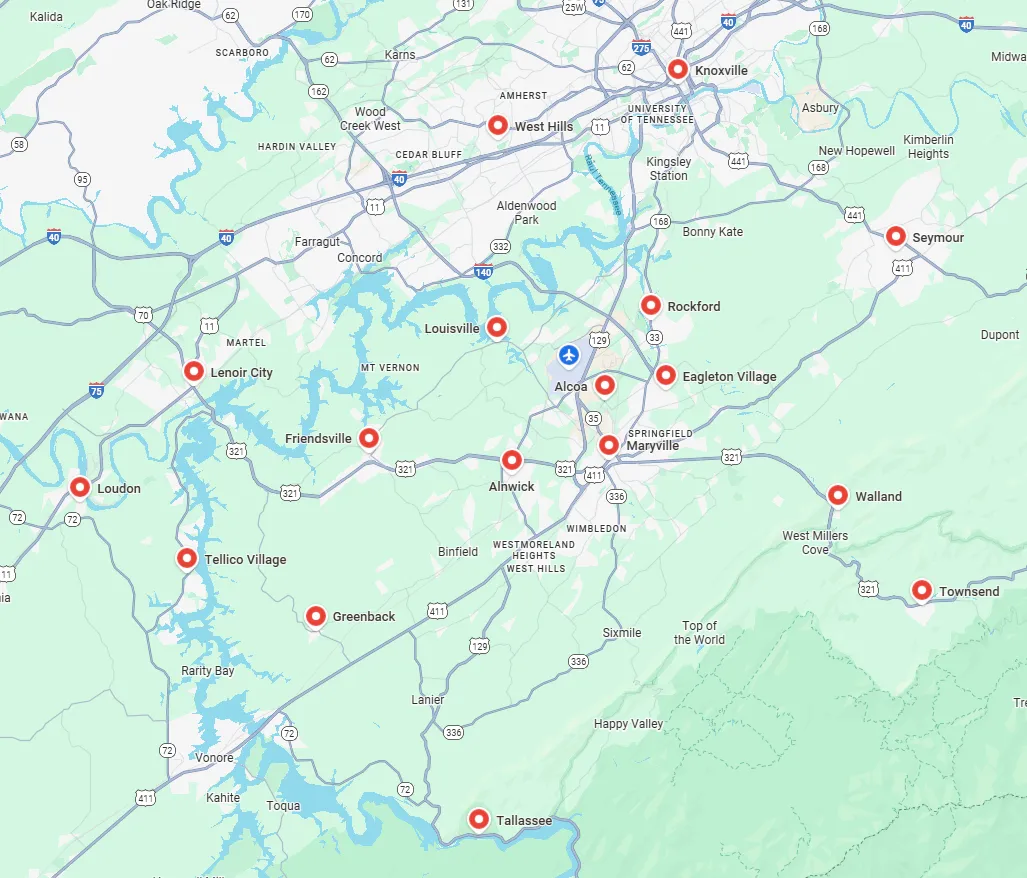
Service areas