

Mini Split Repair in Knoxville, TN
When your Mini Split system in Knoxville, TN isn't performing its best, you need a repair team with a blend of precise diagnostics, deep HVAC experience, and real local understanding. Ductless Mini Splits are a fantastic choice for Knoxville homes and businesses, offering great zone control, flexible installation, and super quiet operation. So, if yours is losing its touch, showing fault codes, or just not working, getting expert repair promptly is crucial. It helps prevent bigger problems, gets your comfort back, and extends your system's life. Everest Air Heating and Cooling offers detailed diagnostic and repair services, specifically designed for the unique climate, diverse home styles, and specific needs of Knoxville residents. Trust Everest Air Heating and Cooling to get your system back on track.
.avif)
Why Mini Split repair matters in Knoxville homes
Knoxville experiences hot, humid summers and cool winters. High humidity increases strain on cooling systems and raises the risk of condensate overflow, while seasonal temperature swings can reveal refrigeration or control weaknesses. Mini Splits installed in additions, older historic homes, or multi-zone applications are often essential to everyday comfort. Leaving a malfunctioning Mini Split unrepaired can cause higher energy bills, frozen coils, compressor damage, or refrigerant loss that worsens over time. Professional repair restores safe operation and maximizes the unit s expected life.
Common Mini Split problems in Knoxville and what causes them
Below are the most frequent failure modes we diagnose in Knox County Mini Split systems, with quick explanations so you know what to look for.
- Compressor and inverter problems
- Symptoms: Outdoor unit not starting, loud grinding or knocking, error codes related to inverter or compressor, poor cooling performance.
- Causes: Electrical surges, overheating, motor wear, control board faults, or prolonged low refrigerant causing overheating and motor stress.
- Refrigerant leaks and low charge
- Symptoms: Reduced cooling or heating capacity, frosting on line set or indoor coil, high head pressure or low suction during gauges.
- Causes: Corrosion at brazed fittings, vibration through the line set, factory defects, or punctures during installation or renovation work.
- Fan motor or blower issues
- Symptoms: Weak airflow, noisy indoor blower, outdoor fan not spinning, uneven room temperatures.
- Causes: Worn bearings, capacitor failure, debris in the outdoor condenser (common with heavy pollen or leaf fall in Knoxville), or obstructed drainage causing the unit to protect itself.
- Control faults and communication errors
- Symptoms: Error codes, indoor and outdoor units not communicating, remote control unresponsiveness.
- Causes: Faulty PCBs, loose communication wiring, power spikes, or water damage to indoor module controls.
- Drain and condensate problems
- Symptoms: Water leaking from indoor unit, detached drain line, condensate pump failure.
- Causes: High humidity load in Knoxville summers, clogged condensate lines, sagging or poorly routed drain piping, or frozen condensate lines during a malfunction.
- Frozen evaporator coils and refrigerant restriction
- Symptoms: Ice build-up on indoor coil, warm air from vents, frequent defrost cycles.
- Causes: Low airflow due to dirty filters or failing blower, low refrigerant, or metering device issues.
How we diagnose Mini Split problems
A methodical diagnostic approach prevents unnecessary part replacement and gets systems back to reliable operation.
- Intake and symptom triage
- We document home layout, zones affected, how long symptoms have developed, and any recent work that could influence the system (roofing, renovations, power events).
- Visual and safety inspection
- Technicians check electrical disconnects, outdoor condenser accessibility, signs of oil at line joints, corroded fittings, and any water intrusion near indoor modules. Safety checks include verifying proper breakers and grounding.
- Error code and controller analysis
- We read the error codes from indoor and outdoor PCBs and use the system s diagnostic modes to identify communication faults or repeated protective trips.
- Electrical and component testing
- Measured voltage, amp draw on compressor and fan motors, capacitor tests, and relay checks reveal failing electrical components or improper supply conditions common after local power spikes.
- Refrigerant pressure and leak testing
- Using gauges and electronic leak detectors, we check system pressures and inspect for traces of oil at joints. If a leak is present, we isolate, repair, and verify with appropriate evacuations and vacuum testing.
- Airflow and thermal performance checks
- We measure static pressure and supply/return temperature differentials to locate blocked airflow, failing indoor blowers, or ducting and grille issues in retrofit applications.
- Final system functional test
- After repairs or adjustments, we run the system through heating and cooling cycles, monitor pressures and amps, and confirm the system returns to stable operation under load.
Typical repair procedures and parts replacement
Mini Split systems are precise refrigeration systems. Repairs follow industry best practices for safety, long-term reliability, and regulatory compliance.
- Refrigerant leak repair
- Locate and repair leak (brazing or replacing faulty fittings), replace failed sections of the line set if necessary, pressure test the repair, evacuate the system to required vacuum levels, and recharge with the correct refrigerant type and charge volume. Modern Mini Splits commonly use R-410A or the manufacturer specified refrigerant.
- Compressor and inverter module repair or replacement
- Inverter-driven compressors require careful diagnostics. When the inverter module or compressor has failed, we assess whether replacing the module is possible or if full compressor replacement or outdoor condensing unit replacement is more cost-effective given unit age and warranty status.
- Fan motors, capacitors, and blower repairs
- Replace failing indoor blowers, outdoor condenser fans, or start/run capacitors. We test and recalibrate motor speeds where applicable and verify balanced operation to prevent vibration-related line fatigue.
- Control board and sensor replacement
- Replace damaged PCBs, thermistors, and communication boards. After replacement, we reconfigure communication links and validate each zone s responsiveness.
- Drain line and condensate pump service
- Clear clogged drain lines, replace damaged drain pans or pumps, and re-route or insulate condensate piping to prevent freezes or backup in particularly humid conditions.
- Line set and insulation repairs
- Replace or re-insulate line sets where insulation has degraded from solar exposure or rodent damage, which can cause efficiency loss and icing.
- Indoor unit coil and evaporator repairs
- Clean or replace indoor coils when corrosion or physical damage has compromised heat exchange. Cleaning may remove pollen and biological build-up common in Knoxville s spring season.
Note on major repairs: Replacing critical components like compressors or major inverter modules is evaluated against the unit s age, warranty, and estimated remaining life. In many cases older or under-sized units are better served by full replacement for long-term reliability and efficiency gains.
Emergency response and service scheduling in Knoxville
Everest Air Heating and Cooling recognizes that system failure can be urgent during Knoxville s heat spells or sudden cold snaps. Emergency response focuses on safety and stabilizing conditions.
- Rapid diagnosis and temporary measures
- When systems fail during extreme temperature events, we prioritize safety checks and may implement temporary measures to restore partial comfort while documenting the comprehensive repair plan.
- Priority care for subscribers
- Homeowners in the Y.E.T.I Comfort Plan receive priority scheduling and seasonal checkups that reduce emergency occurrences. Priority plans typically reduce wait times during peak demand periods.
- Typical response workflow
- After intake, technicians arrive with diagnostic tools and common replacement parts. On-scene evaluation determines whether a field repair is possible or if additional parts are needed. If a full replacement is recommended, we document findings and provide clear repair notes.
- After-hours considerations
- Knoxville s weather patterns can create after-hours emergencies. We maintain procedures to triage and stabilize systems outside normal business hours so occupants are safe and protected until full repairs are made.
(Service-call pricing and exact availability details vary and are handled during scheduling and intake. The focus above is on process and response.)
Preventing repeat problems: maintenance tips for Knoxville Mini Split owners
Regular maintenance is the key to avoiding emergency repairs and preserving efficiency. Knoxville s humidity, pollen, and seasonal storms increase the need for care.
- Schedule seasonal inspections
- Inspect and clean indoor filters monthly during heavy use seasons and schedule professional inspections at least once per year before summer and before heating season.
- Keep outdoor units clear
- Trim vegetation, clear leaves and pollen build-up, and maintain at least two feet of clearance around the condenser. Outdoor units in Knoxville can accumulate debris quickly in spring.
- Protect line sets and insulation
- Ensure the line set insulation is intact and protected from UV degradation and rodents. Re-insulate any worn sections to maintain efficiency and avoid icing.
- Maintain proper electrical protection
- Voltage irregularities can damage inverter electronics. Consider whole-home surge protection or dedicated circuits for multi-zone systems susceptible to local power events.
- Check condensate drains and pumps regularly
- High humidity increases condensate. Ensure lines slope properly and pumps operate freely. Clearing the drain pre-season prevents overflow and water damage to indoor modules.
- Use the system as intended
- Avoid frequent on-off cycling. Use setpoints that allow the system to run longer cycles to be more efficient and reduce wear on compressors and inverters.
- Enroll in a preventive maintenance plan
- Regular service checks catch small refrigerant leaks, worn electrical components, or airflow restrictions before they become major failures. The Y.E.T.I Comfort Plan is designed to provide scheduled checkups and priority scheduling for members.
Repair vs replacement: deciding factors for Knoxville homeowners
When a Mini Split requires major work, homeowners must weigh repair costs against replacement benefits.
- Age of the system
- Mini Splits older than 10 to 12 years may face diminishing returns when major components fail. Newer units are more efficient and often use updated inverter technology.
- Frequency and scope of repairs
- Repeated compressor or inverter module failures often point to systemic issues like improper electrical supply or chronic refrigerant leaks. Multiple repairs in short succession usually favor replacement.
- Energy efficiency and operating cost
- Newer Mini Splits are significantly more efficient. If a repair restores operation but does not improve efficiency, replacement could lower long-term operating expenses.
- Availability of parts and refrigerant
- For older or less common models, parts may be costly or scarce. Environmental regulations also affect refrigerant availability, so we review the system model and parts lead time when advising customers.
- Installation and zoning needs
- If your comfort needs have changed (home additions, new zoning), replacing and re-sizing the system may be the best path to reliable comfort and optimized energy use.
What to expect during a Mini Split repair visit
Understanding the process reduces stress and helps set realistic expectations.
- On arrival
- Technicians will verify system model and collect symptom history. They conduct safety checks and explain diagnostic steps before beginning work.
- Diagnostic phase
- Expect visual inspection, electrical testing, pressure checks, and controller readouts. Diagnostic time varies by symptom complexity but is thorough to avoid misdiagnosis.
- Repair and parts replacement
- When on-the-spot parts are available, technicians proceed with repairs, leak sealing, brazing, and evacuation. If parts need to be ordered, we stabilize the system and document recommended repairs.
- Testing and verification
- After repair, we run the system through heating and cooling cycles, verify pressures and electrical readings, and confirm normal operation across affected zones.
- Documentation
- Technicians provide a written summary of findings, repairs performed, and recommended preventive steps. This documentation is valuable for warranty, future service, and decision-making on replacement.
Why Everest Air Heating and Cooling for Mini Split repair in Knoxville, TN
Everest Air Heating and Cooling is local, family-owned, and understands the specific demands of Knoxville homes. Our approach is rooted in transparency, reliability, and technical depth.
- Local expertise
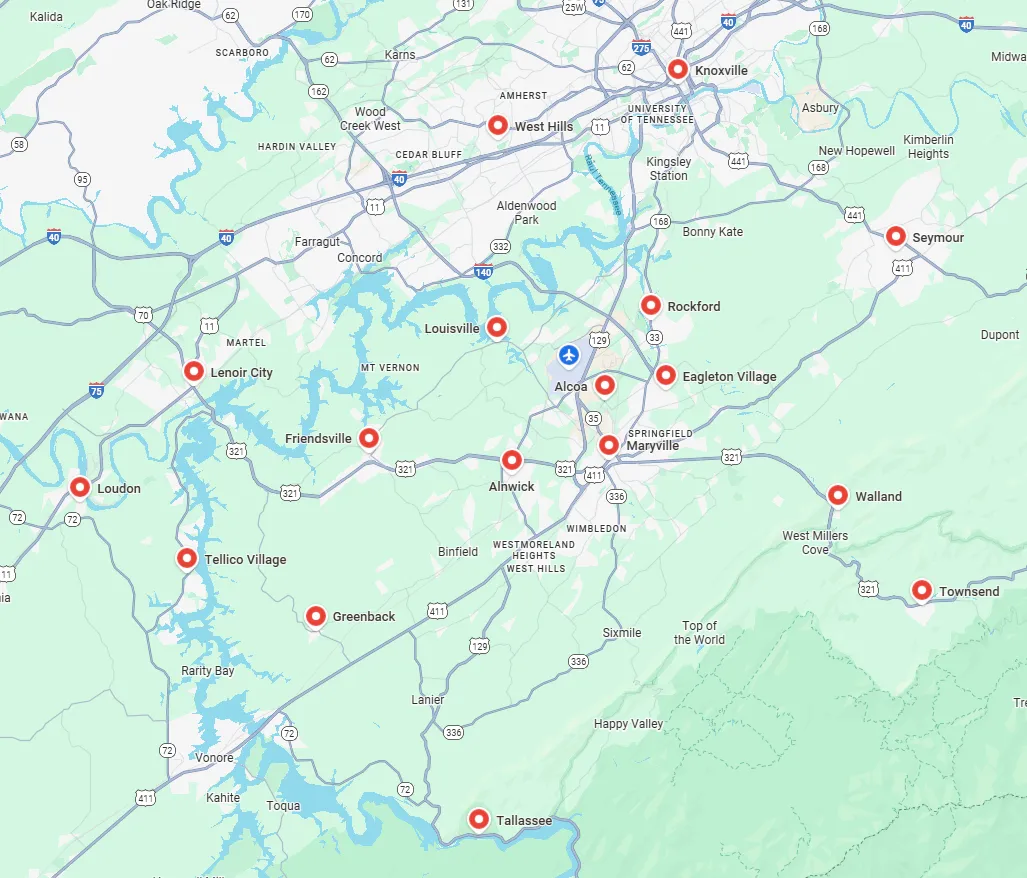
- We service Knoxville, Maryville, Alcoa, and surrounding counties and know the seasonal stresses that impact ductless systems in East Tennessee.
- No hassles and no high-pressure sales
- Our goal is honest, effective repairs and clear explanations to help you make informed decisions about repair versus replacement.
- Preventive service focus
- The Y.E.T.I Comfort Plan aligns with our philosophy: regular maintenance prevents emergencies and improves longevity.
- Experienced technicians and proper tools
- Many repairs require specialized refrigerant handling tools, vacuum pumps, and electronic leak detection. Our technicians arrive equipped to diagnose and resolve issues efficiently and safely.
- Fair pricing and clear communication
- While exact pricing varies by repair, we provide clear estimates and prioritize repairs that deliver long-term value.
Long-term care and what to watch for
Keeping an eye on small changes prevents major failures.
- Watch for gradual airflow reduction or increased run times.
- Note any new or unusual noises from indoor or outdoor units.
- Respond to error codes early, especially those related to communication or inverter protection.
- Keep a record of service history to help technicians identify recurring trends.
FAQs
Q: How long does a typical Mini Split repair take?
A: Simple repairs like replacing capacitors or cleaning coils can take one to three hours. More complex jobs involving refrigerant leak repair, brazing, evacuation, or compressor/inverter replacement can take several hours to a full day depending on parts availability and system complexity.
Q: Can a refrigerant leak be patched, or does the line set need replacing?
A: Small leaks at fittings can sometimes be repaired and recharged after proper pressure testing and evacuation. If the line set shows extensive corrosion, physical damage, or multiple leaks, replacing the affected sections or the entire line set is often the more reliable solution.
Q: Is it worth repairing a Mini Split that is more than 10 years old?
A: It depends on the nature of the failure and the unit s overall condition. Single-component failures may be worth repairing, but repeated major failures, obsolete refrigerant issues, or low efficiency may make replacement the better long-term investment.
Q: How do seasonal conditions in Knoxville affect Mini Splits?
A: Knoxville s hot, humid summers increase condensate and load on cooling components, which can reveal airflow or refrigerant issues. High pollen and seasonal debris can clog outdoor coils and indoor filters. Pre-season maintenance is particularly beneficial here.
Q: What routine maintenance should I do between professional visits?
A: Replace or clean indoor filters monthly during heavy use, keep outdoor condensers clear of debris, check for water leaks around indoor units, and observe any changes in system noise or cycle behavior.
Q: Do inverter-based Mini Splits require different service than traditional units?
A: Inverter-driven systems have more electronic controls and variable-speed compressors. They require careful electrical diagnostics and access to manufacturer troubleshooting procedures. Repairs to inverter electronics are more specialized and should be performed by trained technicians.
Q: Will refrigerant recharging without fixing a leak solve the problem?
A: No. Adding refrigerant without repairing the leak is a temporary fix that often leads to repeated failures and greater long-term cost. Proper leak repair, evacuation, and correct charging are necessary for a lasting solution.
hear what our satisfied clients have to say

David P.
Service areas