

Mini Split Repair in Alnwick, TN
When your Mini Split system in Alnwick, TN isn't quite right, you need a repair service that understands the unique climate of East Tennessee. We at Everest Air Heating and Cooling know how much homeowners and small businesses depend on these efficient ductless systems for comfort through those hot, humid summers and unpredictable winters. That's why our experienced technicians combine their local knowledge with expert diagnostics to quickly identify issues, clearly explain your repair options, and get your system running smoothly again with minimal fuss. You can trust Everest Air Heating and Cooling to restore your comfort reliably.
.avif)
Why Mini Split repair matters in Alnwick, TN
- East Tennessee humidity and pollen load place extra strain on evaporator coils and air handlers.
- Seasonal temperature swings mean heat pump Mini Splits are used year-round, increasing wear on compressors and reversing valves.
- Older or DIY-installed systems in rural or outlying Alnwick homes often show installation-related issues that manifest as intermittent failures.
- Prompt repair preserves efficiency, reduces energy bills, and prevents secondary damage like condensate overflows or mold growth in crawlspaces.
This page explains common failure modes, step-by-step diagnostic procedures, typical repairs we perform, emergency response options, transparent pricing practices, and guidance on when to repair versus replace your Mini Split system.
Common Mini Split problems in Alnwick homes
Understanding the most frequent failure modes helps homeowners make informed decisions. The typical issues seen in Alnwick include:
- Compressor failure
- Symptoms: Outdoor unit not starting, clicking or humming noises, warm air from indoor heads, frequent short cycling.
- Causes: Electrical failures, refrigerant contamination, overheating from low airflow, age-related wear.
- Fan motor and blower issues
- Symptoms: No airflow from indoor or outdoor unit, noisy squealing or grinding, reduced airflow and cooling capacity.
- Causes: Motor bearings wear, capacitor failure, debris buildup, or obstructed condensate drain lines.
- Refrigerant leaks and low charge
- Symptoms: Sluggish cooling or heating, frosting on coils, longer run times, hissing noises.
- Causes: Corrosion at fittings, poor brazing or installation defects, vibration-induced line damage, and slow leaks over time.
- Control and communication failures
- Symptoms: Indoor heads not responding to remotes or wall controllers, error codes displayed, random on/off behavior.
- Causes: Wiring issues, failed PCB (printed circuit board), loss of communication between indoor and outdoor units, sensor failures.
- Drainage and condensate problems
- Symptoms: Water dripping from indoor heads, ceiling stains, moldy odors.
- Causes: Clogged condensate lines, improper pan slope, frozen coils that thaw and overflow.
- Electrical faults and safety trip
- Symptoms: Tripped breakers, outdoor unit not powering, intermittent power.
- Causes: Short circuits, aged wiring, capacitor failure, outdoor power supply interruptions.
- Reversing valve and heat pump function failures (for heat pump Mini Splits)
- Symptoms: No heating in winter, outdoor unit runs but indoor heads blow cool air when heating expected.
- Causes: Valve failure, control board issues, low refrigerant, or stuck valve due to contamination.
Diagnostic and troubleshooting process
Everest Air Heating and Cooling follows a systematic diagnostic process tailored to the Mini Split platform and local conditions in Alnwick, TN. Our approach is designed to be transparent and to identify root causes rather than just symptoms.
- Initial symptom review
- Collect homeowner observations: runtime, noises, error codes, how many heads are affected, and recent events like storms or power interruptions.
- Visual inspection
- Check outdoor unit condition, refrigerant lines, electrical connections, mounting, and visible damage.
- Inspect indoor heads for airflow, filter condition, condensate drips, and ice buildup.
- Electrical and control checks
- Measure incoming voltage, check breakers and disconnects, test capacitors, and inspect control wiring and communication lines.
- Read error codes and consult manufacturer documentation.
- Refrigerant and pressure testing
- Use gauges to measure system pressures, verify correct charge relative to ambient conditions, and perform leak detection when pressures indicate loss.
- If a leak is suspected, perform a dye or electronic leak detection procedure to locate source.
- Component testing
- Test compressor amp draw, capacitors, fan motors, and indoor blower motors.
- Evaluate PCB and sensors for faults.
- Diagnostic reporting
- Deliver clear findings and options: repair steps with parts needed and estimated labor, or replacement analysis if appropriate.
- Explain implications of delays, expected lifespan after repair, and any safety concerns.
This step-by-step diagnostic method helps homeowners in Alnwick understand both immediate repairs and longer-term considerations for reliability and efficiency.
Typical repairs and example scenarios
Below are common repairs we perform on Mini Split systems in Alnwick, TN, with examples to help you match symptoms to likely solutions.
- Compressor replacement or repair
- Example: An older outdoor unit hums but will not engage. After testing, the compressor is drawing locked-rotor amps and shows internal failure. Repair involves evacuating refrigerant, replacing the compressor and required service valves, rewiring controls, vacuuming and recharging with correct refrigerant, and running system performance tests.
- Fan motor replacement (outdoor or indoor)
- Example: Outdoor fan motor bearings fail after years of exposure to the elements. The motor is replaced, fan blade balance is checked, and the outdoor housing is inspected for rust or debris that could accelerate future failure.
- Refrigerant leak repair and recharge
- Example: One indoor head cools poorly with frosting on the suction line. Leak detection locates a slow leak at a line set fitting. The leak is brazed or replaced, vacuum tested for integrity, and the system is charged to the manufacturer specification. We also test for contaminants and advise on expected hold times.
- PCB and control board replacement
- Example: Indoor heads respond intermittently and display communication errors. A faulty outdoor PCB is replaced, communications wiring is cleaned and secured, and error codes are cleared. Function tested across heating and cooling modes.
- Capacitor and contactor replacement
- Example: Outdoor unit starts with a pop and trips the breaker. Capacitor tests out of spec and is replaced along with a worn contactor to ensure reliable starts and to reduce stress on the compressor.
- Condensate line cleaning and float switch repair
- Example: Indoor head leaks into living space after seasonal pollen build-up clogged the drain. Drain lines are flushed, float switch is tested and replaced if necessary, and indoor unit is re-leveled to ensure proper drainage.
- Reversing valve repair on heat pumps
- Example: System will not switch to heating. Reversing valve is stuck from contamination; valve is replaced or serviced and system is recharged and tested for correct flow direction.
Each repair includes system performance verification and, when appropriate, recommendations to prevent recurrence.
Expected response times and emergency repair options
Homeowners in Alnwick value prompt service, especially during heat waves or cold snaps. Typical response protocols include:
- Standard service response
- Diagnoses and repairs are scheduled during regular business hours, with typical arrival windows provided when booking.
- Many common repairs can be completed on the first visit if replacement parts are in stock.
- Priority and emergency response
- During extreme weather or when systems present a safety risk, emergency response options are available to stabilize your system quickly.
- Emergency visits prioritize restoring heating or cooling temporarily if a complete repair requires parts or additional labor. Examples include temporary fans, jump-starting units, or installing a temporary condensate solution to stop water damage.
- Same-day diagnostic visits in many cases
- For urgent failures with safety implications or system-wide outages, technicians will prioritize a diagnostic visit to provide immediate stabilization steps and a clear repair plan.
Everest Air Heating and Cooling aims to be transparent about arrival windows and expected timelines for parts. Local stocking practices and seasonal demand can influence availability, so diagnostics include clear timelines for when parts will be ordered and when full repair can be completed.
Transparent pricing approach
While individual repairs vary by complexity and parts required, Everest Air Heating and Cooling follows a transparent pricing philosophy:
- Clear service call fees
- Service calls cover diagnostic time, travel, and basic testing. This fee is explained up front in the diagnostic report so you know what was evaluated.
- Itemized estimates for parts and labor
- After diagnosis, you receive an itemized explanation of recommended repairs including parts required, labor hours, warranty details for parts and workmanship, and an explanation of why each item is necessary.
- Pricing drivers explained
- Factors that affect cost are explained in simple terms: age of system, brand-specific parts availability, refrigerant recovery requirements, extent of electrical work, and whether brazing and vacuuming are required.
- Options and tradeoffs
- Where appropriate, multiple repair options are presented (for example, replacing a component now versus a temporary fix) along with expected lifespans and longer-term cost implications so you can make an informed choice.
This transparent approach helps homeowners in Alnwick weigh immediate repair costs against longer-term reliability and efficiency.
When to repair versus replace
Deciding between repair and replacement depends on several factors. Everest Air Heating and Cooling provides balanced, location-aware recommendations based on system condition and your priorities.
Consider repair when:
- The system is relatively new and failure is limited to a single component such as a fan motor, capacitor, or control board.
- The cost of repair is a small percentage of the replacement cost and the system has been reliably efficient.
- You plan to sell the home soon and need a cost-effective short-term fix.
Consider replacement when:
- The Mini Split is beyond its expected useful life or has had multiple major failures in recent years.
- Repairs require repeated major component replacements (for example, compressor plus multiple other failures).
- The system uses obsolete refrigerant or parts that are no longer readily available, making future service expensive or impossible.
- You need improved efficiency or upgraded features like better zoning, smart controls, or increased capacity for remodeled spaces.
We explicitly evaluate:
- Estimated remaining life after repair.
- Total cost of ownership over the next five to ten years.
- The impact of energy savings from newer, higher-efficiency models.
- Local climate use patterns in Alnwick that may influence annual operating hours and therefore ROI for replacement.
Maintenance, prevention, and the Y.E.T.I Comfort Plan
Regular maintenance extends system life, improves indoor air quality, and prevents emergency repairs. Common maintenance tasks include:
- Regular filter cleaning and replacement
- Keeps indoor heads performing efficiently and prevents evaporator coil icing.
- Coil cleaning and inspection
- Removes pollen and biological buildup common in East Tennessee to maintain heat transfer efficiency.
- Electrical checks and tightening
- Prevents loose connections that cause intermittent failures and unsafe conditions.
- Refrigerant pressure checks
- Detects slow leaks early when repairs are simpler and less costly.
- Condensate drain cleaning
- Prevents water damage from blockages and keeps float switches functioning.
Everest Air Heating and Cooling offers a preventative maintenance program designed for homeowners who want priority scheduling and routine seasonal checks. Regular maintenance reduces the risk of unexpected breakdowns and helps keep performance high during Alnwick summers and cold snaps.
Local factors affecting Mini Split systems in Alnwick, TN
Alnwick homeowners should consider several local influences when evaluating Mini Split performance:
- Humidity and pollen
- High summer humidity increases the load on indoor heads and promotes coil contamination. Pollen and airborne debris can clog filters quickly if not maintained.
- Seasonal cycling
- Heat pumps active year-round in Alnwick mean components see cumulative wear. Reversing valves and compressors are used more than in strictly warm climates.
- Power fluctuations and storms
- Occasional storms cause voltage irregularities that can damage sensitive controls and compressors. Surge protection and proper disconnects can help.
- Rural installations and line set runs
- Longer line sets in rural properties increase potential for leaks and require careful pressure testing and brazing during repair.
- Crawlspaces and attic installs
- Condensate management in regional home designs can be a hidden failure point if not checked regularly.
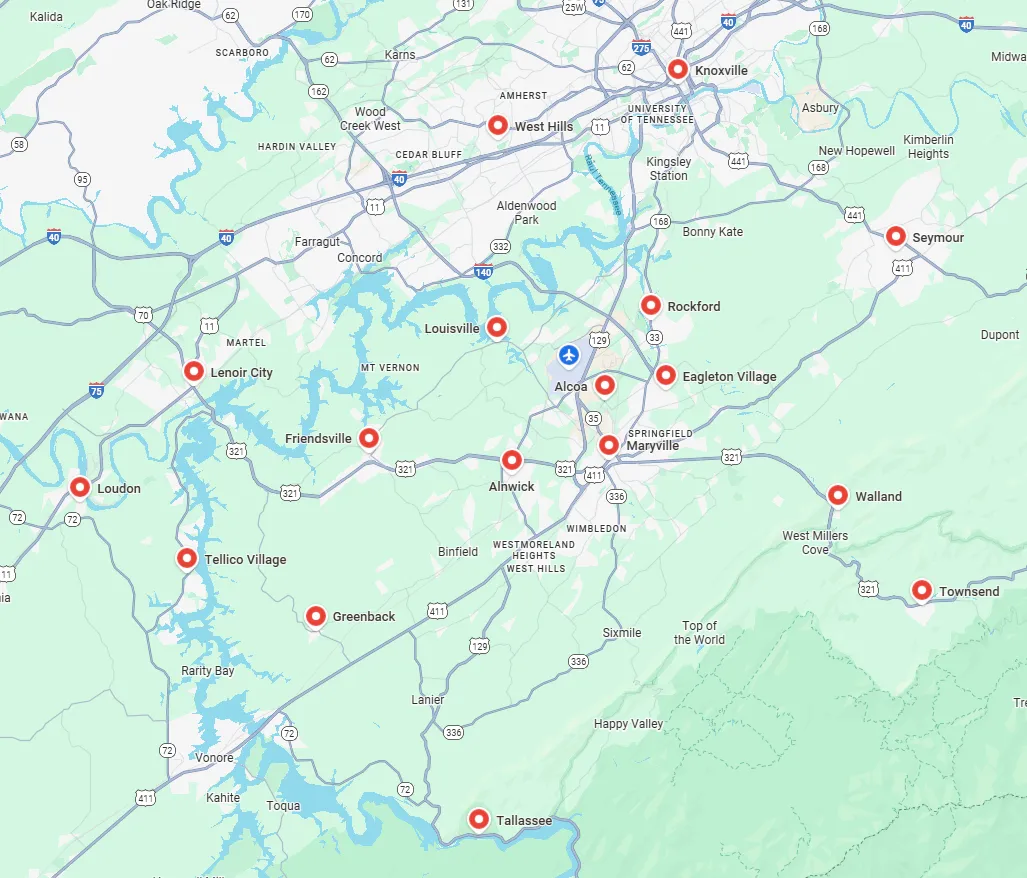
Technicians familiar with Blount, Loudon, Knox, and Sevier county patterns bring practical knowledge about these factors when diagnosing and recommending solutions.
Typical warranties and part considerations
Component warranties and workmanship guarantees vary by manufacturer and part type. Everest Air Heating and Cooling discusses warranty implications as part of the estimate, including:
- Manufacturer part warranties
- Many compressors, PCBs, and fan motors carry manufacturer warranties. We verify serial numbers and installation dates to maximize coverage potential.
- Workmanship warranty
- Repairs performed come with a workmanship warranty covering labor for a specified period, which is detailed in the estimate.
- After-repair verification
- Following major repairs, systems are run through performance checks to verify proper operation and to document baseline conditions for future service.
Safety and code compliance
Proper refrigerant handling, brazing, electrical work, and disposal are all performed in compliance with industry codes and environmental rules. Technicians follow approved recovery and recycling procedures for refrigerant and use approved parts and materials for electrical and mechanical repairs.
Why Everest Air Heating and Cooling for Mini Split repair in Alnwick, TN
Everest Air Heating and Cooling brings a combination of local mindset, trained technicians, and a transparent service model that Alnwick homeowners can rely on. Our service philosophy emphasizes:
- Root-cause diagnostics to avoid repeat failures.
- Clear, itemized repair options with tradeoffs explained.
- Maintenance and prevention guidance tailored to East Tennessee environments.
- Respectful, tidy work practices in your home.
We service a wide range of Mini Split brands and models and document each repair with test results and recommendations for future care. Our goal is to restore comfort and efficiency while helping homeowners understand the condition of their systems.
FAQs
Q: What are the most common signs that a Mini Split needs repair?
A: Common signs include reduced cooling or heating capacity, unusual noises from indoor or outdoor units, intermittent operation or frequent cycling, water leaking from indoor heads, ice on coils, and error codes displayed on wall controllers. Any of these warrant a diagnostic inspection.
Q: How long does a typical repair visit take?
A: A basic diagnostic visit can take one to two hours depending on access and complexity. Simple repairs completed the same day may add one to several hours. Major component replacements like compressors require more time for evacuation, replacement, vacuuming, and recharge and may extend the visit.
Q: Do you repair all Mini Split brands?
A: Technicians are trained to service most major Mini Split brands and models. Some older or proprietary systems may have limited parts availability; in those cases we evaluate repair versus replacement options and explain feasible solutions.
Q: Will a refrigerant leak repair restore efficiency immediately?
A: Yes, once a leak is properly repaired, the system is evacuated, vacuum tested, and recharged to manufacturer specifications, performance and efficiency should return to normal. We also check for contamination and advise on potential downstream effects if the system has been run under low charge for long periods.
Q: When should I consider replacing the system instead of repairing it?
A: Consider replacement if the system is near the end of its expected life, has had multiple major failures, requires obsolete parts, or if a repair would be a large portion of replacement cost. Also evaluate replacement if you want significantly higher efficiency or upgraded controls.
Q: Does regular maintenance reduce emergency repairs?
A: Yes, scheduled maintenance catches small issues early, maintains efficiency, and prevents many emergency situations like condensate backups, electrical failures, or coil icing. A maintenance plan tailored for local conditions in Alnwick can extend equipment life and reduce unexpected costs.
hear what our satisfied clients have to say

David P.
Service areas