

Hydronic HVAC in Townsend, TN
In Townsend, TN, hydronic HVAC cleverly combines boilers, pumps, piping, and clever heat emitters like radiant floor tubing or baseboard fin-tube to deliver wonderfully efficient and even heat throughout your home. For folks living in Townsend and nestled within the beautiful foothills of the Great Smoky Mountains, hydronic systems provide incredibly quiet, comfortable heating that just effortlessly handles our cool nights and those seasonal temperature swings with consistent, steady performance. Everest Air Heating and Cooling brings genuine local experience and deep system-level know-how to design, install, and maintain hydronic systems that are perfectly matched to Townsend's unique climate, diverse housing styles, and, most importantly, your family's priorities. Trust Everest Air Heating and Cooling to keep your mountain home perfectly cozy.
Why choose hydronic heating for Townsend homes
Townsend winters are variable: cold nights, occasional freezes, and periods of mild days in late fall and early spring. Hydronic heating is well suited to that environment because:
- It provides consistent, radiant warmth that reduces cold floors and drafts common in older mountain-area homes.
- Radiant floor applications are comfortable and quiet, making them ideal in bedrooms and living areas where noise and drafts from forced-air systems are undesirable.
- Hydronic systems are flexible and zoneable, so you can heat occupied rooms while leaving storage or seldom-used rooms at lower setpoints, helping manage energy use.
- When matched with a modern high efficiency boiler, hydronic systems can reduce fuel consumption compared with older electric or inefficient forced-air systems in many situations.
- Because hydronic systems do not rely on ductwork, they reduce circulating dust and allergens, which benefits homes near wooded areas where pollen and particulates can be an issue.
Everest Air Heating and Cooling understands local building practices and the practical concerns Townsend homeowners face. Whether you are retrofitting an older cabin, building a new home, or replacing an aging boiler, a properly designed hydronic system delivers reliable comfort and long service life.
Common hydronic heating types and services in Townsend, TN
Hydronic HVAC covers several system types and associated services. Townsend homeowners commonly request:
- Boiler installation and replacement
- Gas, propane, oil, or electric boilers
- High efficiency condensing boilers for improved fuel economy
- Modulating and condensing units for tighter temperature control
- Radiant floor systems
- Slab-on-grade or floating slab radiant
- Retrofit thin-slab or retrofit mat systems for existing floors
- In-floor tubing layout and insulation considerations for mountain-area homes
- Baseboard and convection hydronic emitters
- Fin-tube baseboard replacement and balancing
- Compact radiators for historic or bespoke interiors
- System balancing and hydronic flow adjustments
- Flow meter calibration and balancing valves
- Zone flow adjustments for even temperatures across rooms
- Maintenance and preventive care for hydronic components
- Annual boiler tune and safety checks
- Pump service, air elimination, and system flushing
- Expansion tank inspection and pressure checks
- Integration with domestic hot water
- Indirect water heater connections for efficient DHW recovery
- Coil-type and tankless-compatible configurations
- Repairs and troubleshooting
- Fixing leaks, noisy pipes, air in system, pump failures, and control issues
- Addressing cold spots in floors or rooms
These services ensure a hydronic system operates safely, efficiently, and with the dependable warmth that Townsend homeowners expect.
Signs your hydronic system needs service
Recognizing early symptoms lets you address issues before they become expensive. Watch for:
- Uneven heating or cold spots in radiant floors or rooms
- Frequent boiler short cycling or fluctuating water temperature
- Noisy pipes, banging, or knocking (possible air or circulation problems)
- Visible leaks or unexplained loss of system pressure
- Warm floors that cool quickly or remain cool despite boiler operation
- Pilot or ignition failures, error codes, or lockouts on modern boilers
- High energy bills without corresponding outdoor temperature change
- Discolored or rusty-looking boiler water, which may indicate corrosion or poor water quality
If you encounter any of these signs, a systematic diagnostic approach is essential to identify root causes rather than temporary fixes.
How Everest Air diagnoses hydronic problems
A clear diagnostic process saves time and ensures repairs last. A typical evaluation includes:
- System history and visual inspection
- Review age, prior repairs, and fuel type
- Inspect for leaks, corrosion, visible pipe or tubing damage, and component wear
- Pressure and temperature checks
- Measure system static pressure, boiler temperature, and delta T (temperature difference across emitters)
- Verify expansion tank precharge and operation
- Flow and pump assessment
- Check circulator pump performance and voltage
- Confirm proper flow direction and absence of air locks
- Combustion and safety testing for combustion boilers
- Test combustion efficiency, flue draft, and safety controls for gas or oil boilers
- Water quality and system cleanliness
- Sample for sediment, corrosion byproducts, or pH problems
- Inspect for sludge or scale that restricts heat transfer
- Control and zoning verification
- Test thermostats, zone valves, and control logic for proper sequencing
Diagnostics lead to prioritized repair recommendations that focus on safety, efficiency, and reliable comfort.
Installation and replacement process specifics
A well-executed installation is the foundation of system longevity and warranty preservation. For hydronic HVAC in Townsend, TN, the core steps include:
- Heat loss and system design
- Detailed heat loss calculation tailored to home layout, insulation levels, glazing, and local climate
- Selection of emitters (radiant tubing spacing, baseboard length, or radiator sizing) to meet heat requirements
- Boiler and component sizing
- Right-size boiler to meet real-world loads, avoiding oversizing which causes short cycling and wear
- Select appropriate circulators, expansion tanks, valves, and controls
- Radiant layout and floor construction considerations
- Proper insulation under slab or subfloor to prevent downward heat loss in cold ground conditions
- Tube spacing, manifold placement, and routing to limit long loops in mountainous homes
- Piping, zone design, and controls
- Individual zones with thermostatic control to match occupancy patterns
- Hydrostatic and safety devices: pressure relief valve, backflow prevention, and air separation devices
- Commissioning and performance verification
- Fill and purge procedure, chemical treatment if needed, and flow balancing
- Measure delta T and adjust flow for each circuit
- Local code, permitting, and inspection
- Installation complies with local Blount County or county-specific codes and required inspections
Proper commissioning and documentation are essential for manufacturer warranties and peak system efficiency.
Balancing, flow rates, and why they matter
Hydronic balancing ensures each room or floor receives the right amount of hot water for designed heat output. Key points:
- Flow determines heat delivery: Flow rate multiplied by temperature difference yields heat output.
- Delta T measurement is a primary balancing tool: Typical targets depend on system design, often 10 to 20 degrees Fahrenheit across emitters.
- Balancing valves and flow meters allow precise adjustments so no single zone steals flow from others.
- Incorrect balancing leads to hot and cold spots, inefficient operation, and increased boiler runtime.
- Everest Air uses calibrated instruments to measure flow and temperature, then adjusts circulators and balancing valves for consistent comfort.
Balancing is often the difference between a system that simply heats and one that heats efficiently and evenly.
Water chemistry, freeze protection, and Townsend considerations
Hydronic systems require attention to water quality and, in some cases, freeze protection:
- Corrosion and scale reduce heat transfer and shorten component life. Chemical inhibitors and proper pH help prevent corrosion.
- System flushing during installation or after repairs removes contaminants and sludge.
- For outdoor or exposed loops in Townsend where temperatures can drop below freezing, use of a glycol mix may be necessary to prevent freeze damage. Glycol selection and concentration must be matched to system materials and boiler compatibility.
- Expansion tank sizing and precharge adjustments accommodate seasonal temperature variations typical in Townsend.
- Because many homes near the park have older construction or crawlspaces, pipe protection and insulation are crucial to avoid freeze-related failures.
Addressing these details during design and maintenance protects your investment and prevents costly outages.
Integrating hydronics with domestic hot water
Hydronic systems can efficiently serve domestic hot water needs using indirect water heaters:
- Indirect water heaters use the boiler as the primary heat source for domestic hot water via an internal coil or tank-to-tank heat exchanger.
- Benefits include rapid recovery, simplified service, and often better fuel efficiency compared to a separate tank or on-demand setup when properly sized.
- When integrating, installers design priority control so domestic hot water demand is met without compromising house heating during peak periods.
- Tempering valves and code-required safety devices are part of a compliant domestic hot water installation.
- For homes with solar or other renewable heat sources, hydronic systems can be integrated with storage and control strategies to maximize fuel savings.
Proper integration requires attention to diverter valves, storage sizing, and safety controls to ensure both comfort and compliance.
Typical repairs and durable solutions
Common hydronic repairs that restore reliable performance include:
- Replacing failed circulator pumps and upgrading to variable speed pumps for improved efficiency and quiet operation
- Replacing faulty zone valves and installing modern control interfaces for better zoning performance
- Flushing and power-flushing systems to remove sludge, followed by chemical treatment to prevent reoccurrence
- Repairing leaks in piping, manifolds, or boiler heat exchangers and replacing corroded components
- Replacing or recharging expansion tanks and adjusting system pressure
- Installing automatic air separators, air vents, and proper piping slopes to eliminate chronic air problems
- Upgrading to modulating condensing boilers for fuel savings and reduced cycling in low-load periods
These repairs, when performed with quality parts and attention to system design, restore efficient operation and extend equipment life.
Maintenance best practices for longevity and efficiency
Regular maintenance preserves safety, efficiency, and comfort:
- Annual boiler inspection and combustion Tune-Up for combustion boilers, including flue and vent checks
- Check and adjust expansion tank precharge and system pressure
- Inspect and test relief valves, backflow preventers, and safety controls
- Verify pump bearings and motor condition; lubricate if applicable
- Check and clean filters, strainers, and air separators
- Measure delta T and adjust for balanced flow seasonally as required
- Verify control and thermostat accuracy and calibrate if needed
- For radiant floors, inspect manifolds and viewing ports for leaks and flow balance
Everest Air Heating and Cooling recommends preventive maintenance as the most cost effective strategy to avoid emergency repairs and preserve warranty coverage. The company s Y.E.T.I Comfort Plan emphasizes seasonal checkups and priority service to help keep hydronic systems performing at peak.
Efficiency, warranty, and long term considerations
When evaluating or installing a hydronic system, consider these long term factors:
- Boiler efficiency ratings: Modern condensing boilers can achieve higher efficiency by extracting more heat from combustion gases. Proper system design is required to realize those gains.
- Right-sizing prevents short cycling. Oversized boilers may reduce comfort and increase wear even if they have a higher efficiency rating.
- Manufacturer warranties are valid when installations follow recommended practices and commissioning steps. Keep installation records and service logs to support warranty claims.
- Proper component selection and installation (pumps, expansion tanks, controls, piping) reduce maintenance and extend service life.
- Insulation and home envelope improvements reduce required boiler size and operating hours, improving lifecycle costs.
- Investing in high-quality manifolds, durable tubing, and corrosion-resistant components pays off in fewer repairs and longer system life.
A system designed for efficiency and longevity lowers operating expenses and minimizes disruptions across seasons.
What to expect in a local Townsend installation or service visit
Everest Air Heating and Cooling brings local knowledge to each job:
- Initial on-site evaluation and heat loss assessment tailored to Townsend s climate and home construction
- Transparent mapping of system layout, component selection, and expected performance characteristics
- Attention to weather-related details, such as insulation under slab areas and freeze protection for exposed piping
- Thorough commissioning and documentation of settings, pressures, and flow results to preserve warranties and ensure efficient performance
- Recommendations on routine maintenance frequency based on system type, fuel, and usage patterns common to Townsend homes
This level of detail supports dependable operation, especially in homes near the Great Smoky Mountains where seasonal variation and unique construction details can affect system performance.
Benefits homeowners will notice
A properly designed and maintained hydronic system delivers:
- Even, comfortable heat with fewer cold spots and lower perceived drafts
- Quiet operation and improved indoor air quality without forced-air blowers
- Flexible zoning and efficient heat distribution for daily comfort control
- Reduced wear on mechanical components through proper sizing and modulation
- Better domestic hot water performance when integrated with an indirect water heater
Everest Air Heating and Cooling applies experienced system design and maintenance practices to help Townsend homeowners realize these benefits across years of reliable service.
FAQs
Q: How long does a hydronic boiler and radiant floor system typically last in a Townsend home?
A: A well maintained hydronic boiler can last 15 to 25 years or more depending on fuel type, water quality, and maintenance. Radiant tubing, when installed correctly and kept from corrosive water conditions, often lasts decades. Regular maintenance and proper initial installation are the key factors in achieving long service life.
Q: Can my current home in Townsend be retrofitted with radiant floor heating?
A: Many homes can be retrofitted using thin-slab or surface-mounted systems that minimize floor height changes. The feasibility depends on floor structure, ceiling heights, and existing heating systems. A site assessment and heat loss calculation will determine the best retrofit approach.
Q: Are hydronic systems energy efficient during mild Townsend winters and colder spells?
A: Yes. Hydronic systems paired with a modern high efficiency boiler and good control strategy adjust well to variable conditions. Modulating boilers and properly sized pumps reduce cycling and fuel use during mild periods while providing adequate output during colder spells.
Q: What are the most common causes of uneven floor temperatures in radiant systems?
A: Uneven temperatures often result from improper flow balancing, air trapped in circuits, insufficient insulation below the floor, or loop length and layout issues. Measuring delta T and adjusting flows commonly resolves these problems.
Q: Do I need glycol in my hydronic system in Townsend?
A: Glycol is used when pipes or components are at risk of freezing, such as exterior loops or poorly insulated areas. Whether glycol is required depends on system design and exposure to freezing conditions. Proper concentration and system compatibility must be maintained.
Q: Can a hydronic boiler also heat my domestic hot water?
A: Yes. An indirect water heater powered by the boiler is an efficient option that provides fast recovery and centralized maintenance. Proper control ensures domestic hot water demand is prioritized without compromising space heating.
Q: How often should I schedule maintenance for a hydronic system?
A: Annual maintenance is recommended for most hydronic systems, including combustion checks for boilers, pump inspections, air separation checks, and delta T verification. More frequent checks may be advisable for older systems or those with known water quality issues.
Q: What should I look for to protect my warranty?
A: Follow manufacturer installation guidelines, keep detailed service records, and perform required maintenance. Professional commissioning and documented start up often are prerequisites for full warranty coverage.
Q: How does Everest Air approach hydronic system commissioning?
A: Everest Air performs fill and purge procedures, installs or checks chemical treatment as needed, verifies expansion tank precharge, measures and adjusts flow for each circuit, and records pressures and temperatures. This ensures systems operate as designed and supports long term reliability.
Q: Are there common upgrades that improve performance for older hydronic systems in Townsend homes?
A: Common upgrades include installing variable speed circulators, modern controls and thermostats for zoning, adding automatic air separators and dirt separators, upgrading to a condensing boiler where appropriate, and addressing water quality with chemical treatment and filtration.
hear what our satisfied clients have to say

David P.
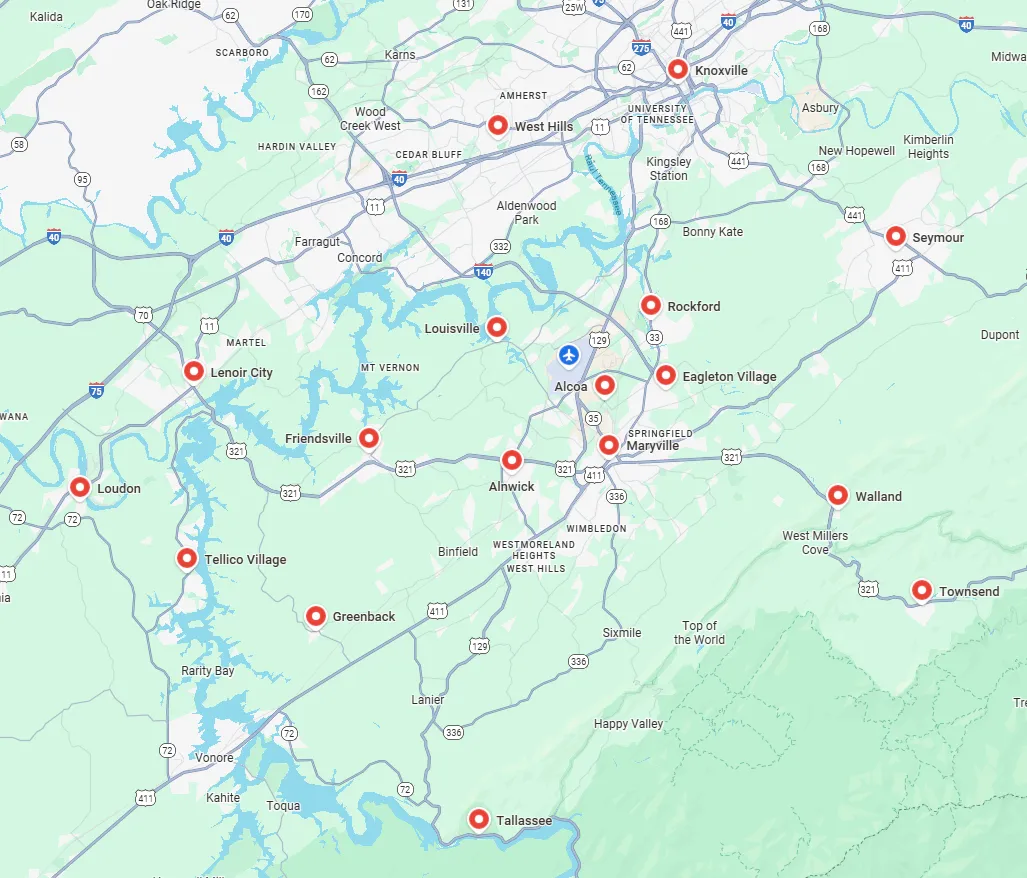
Service areas