

HVAC Replacement in Maryville, TN
Replacing an HVAC system is a significant step that directly impacts your home's comfort, your monthly energy bills, and your indoor air quality. In Maryville, TN, where we often see humid summers, cool winters, and plenty of older homes, choosing the right replacement system is more critical than ever. At Everest Air Heating and Cooling, we provide clear, expert guidance every step of the way. We'll help you understand when replacement is truly the best choice, how new equipment is carefully selected and sized specifically for your home, what the removal and disposal process entails, the typical installation timeline, and your warranty and financing options. We also set realistic expectations for the energy savings and comfort improvements you can look forward to, so you can make an informed decision with complete confidence.
.avif)
Why HVAC replacement matters in Maryville, TN
Maryville sits near the foothills of the Great Smoky Mountains. Summers bring high humidity and warm temperatures, while winters can be chilly and occasionally see freezing conditions. Those seasonal extremes affect how an HVAC system performs: cooling load is driven not just by temperature but by moisture removal, and heating systems must be reliable when overnight lows dip. Older Maryville homes often have mixed building envelopes and ductwork that leak or are undersized. Replacing an outdated or failing HVAC system is an opportunity to correct those inefficiencies and tailor a new system to local climate needs for consistent comfort year round.
Common signs your Maryville home needs HVAC replacement
- System age over 12 to 15 years for central air or heat pump, or over 15 to 20 years for a furnace. Older systems lose efficiency and parts become harder to source.
- Frequent, increasing repair costs. If you are repairing the system multiple times per year or the repair cost is approaching a large percentage of a new unit cost, replacement is often more economical.
- Rising energy bills despite similar usage patterns. Declining efficiency means the system runs longer to reach setpoints.
- Uneven temperatures, poor humidity control, or persistent hot or cold spots in the home.
- R-22 refrigerant use. R-22 is phased out; replacing a system that needs R-22 is a forward-looking move.
- Noisy operation, short cycling (system turns on and off frequently), or visible corrosion and rust on outdoor equipment.
- Safety concerns with gas furnaces such as cracked heat exchangers or frequent pilot outages; these can present carbon monoxide risks.
- Poor indoor air quality or excessive dust, which can stem from failing filtration and duct issues.
If you see one or more of these signs, a professional assessment including load calculations and inspection of the system and ductwork will help determine whether repair or replacement is the responsible choice for your home.
Types of replacement systems commonly chosen in Maryville
- Central air conditioning and forced-air furnaces (gas or electric). Common for homes with ductwork.
- Heat pumps (air source). Modern heat pumps perform well in moderate climates and handle both heating and cooling efficiently. Cold climate models are also available for colder nights.
- Ductless Mini Split systems. Ideal for older homes without ducts, additions, or rooms with unique demands.
- Hybrid systems. A heat pump paired with a gas furnace offers efficiency with backup heat for the coldest days.
- Zoning systems and variable-speed equipment. These improve comfort and conserve energy by matching performance to demand.
Selecting the right type depends on home size, insulation and envelope quality, existing ductwork, budget, and your comfort priorities (humidity control, quiet operation, or premium efficiency).
How Everest Air Heating and Cooling determines the right new equipment
Everest Air uses an objective, industry-standard approach to size and select your replacement system rather than relying on rules of thumb. The primary steps include:
- Whole-house load calculation (Manual J): This measures the heating and cooling load for each room based on square footage, orientation, insulation levels, window types, air infiltration, and local climate factors such as design temperatures for Maryville.
- Equipment selection (Manual S): After load calculation, we match equipment capacity to calculated loads, considering SEER, HSPF, AFUE, and real-world performance for your location.
- Duct design analysis (Manual D) and airflow testing: If ducts are present, we measure airflow and static pressure to determine whether ductwork improvements or a different air handler are needed.
- Comfort and efficiency priorities: We consider desired features such as variable-speed compressors, two-stage operation, dehumidification performance, and compatibility with smart thermostats.
- Future-proofing: We account for refrigerant phaseouts, potential home additions, and long-term energy savings.
A properly sized system avoids short cycling, improves humidity control in humid Maryville summers, and delivers predictable comfort without wasting energy.
Efficiency metrics and what they mean for you
- SEER (Seasonal Energy Efficiency Ratio): Higher SEER means more efficient cooling. In humid climates like Maryville, higher SEER also tends to include better dehumidification features when combined with variable-speed technology.
- HSPF (Heating Seasonal Performance Factor): Used for heat pumps to indicate heating efficiency.
- AFUE (Annual Fuel Utilization Efficiency): Measures furnace heating efficiency. Higher AFUE yields lower natural gas or propane use for the same heat output.
- Variable speed and two-stage compressors: These adjust output to demand rather than cycling full on and off, improving comfort and lowering humidity levels.
- ECM blower motors: Electronically commutated motors deliver more precise airflow control, quieter operation, and better efficiency.
Choosing the right mix of efficiency and features leads to the best balance of comfort and energy savings for Maryville homes.
Removal, refrigerant recovery, and disposal explained
Replacement includes safe removal of the old system. Key steps and practices include:
- Refrigerant recovery: Refrigerant cannot be released to the atmosphere. EPA regulations require certified technicians to recover and reclaim refrigerant from the system. R-22 equipment requires special handling due to phaseout regulations.
- Disconnect and safe handling of fuel lines and electrical: Gas lines, electrical disconnects, and combustion components are shut down and isolated by certified technicians to avoid hazards.
- Proper disposal and recycling: Metal components, refrigerant-containing parts, and insulation are recycled or disposed of according to state and local regulations. Materials containing hazardous substances are handled according to environmental rules.
- Duct salvage or replacement: If ducts are damaged or incompatible with new equipment, Everest Air will document options. Replacing or sealing ducts can yield significant performance gains in Maryville homes with leaky ductwork.
- Cleanup and homeowner walkthrough: The job site is left clean, registers are put back, and technicians explain what was removed and why.
These steps protect your home, the environment, and ensure compliance with local codes.
Typical installation timeline for a replacement project
Every job varies, but a typical residential replacement follows this timeline:
- Initial inspection and estimate: Everest Air performs a diagnostic visit to evaluate equipment, ductwork, and home needs. Load calculations are completed.
- Proposal and equipment selection: You receive a detailed recommendation that outlines the proposed system, efficiency ratings, and any recommended duct or zone work.
- Scheduling and permitting: Many localities require permits for HVAC replacement. Permit processing times vary but are typically arranged before install day.
- Order and delivery of equipment: Lead times depend on manufacturer and model. High-efficiency or specialty units may have longer delivery times.
- Day-of installation: For straight forward replacements, installation often takes one working day. Complex jobs involving duct replacement, home modifications, or multi-zone systems may take two to three days.
- Commissioning and testing: Technicians test airflow, refrigerant charge, electrical connections, combustion safety (for gas), thermostat calibration, and run performance checks in heating and cooling modes.
- Final walkthrough: Everest Air technicians explain operation, filter requirements, and maintenance advice. Required permits and inspection paperwork are completed.
- Follow-up visits: A follow-up is often scheduled within a few weeks to confirm performance and address any fine tuning.
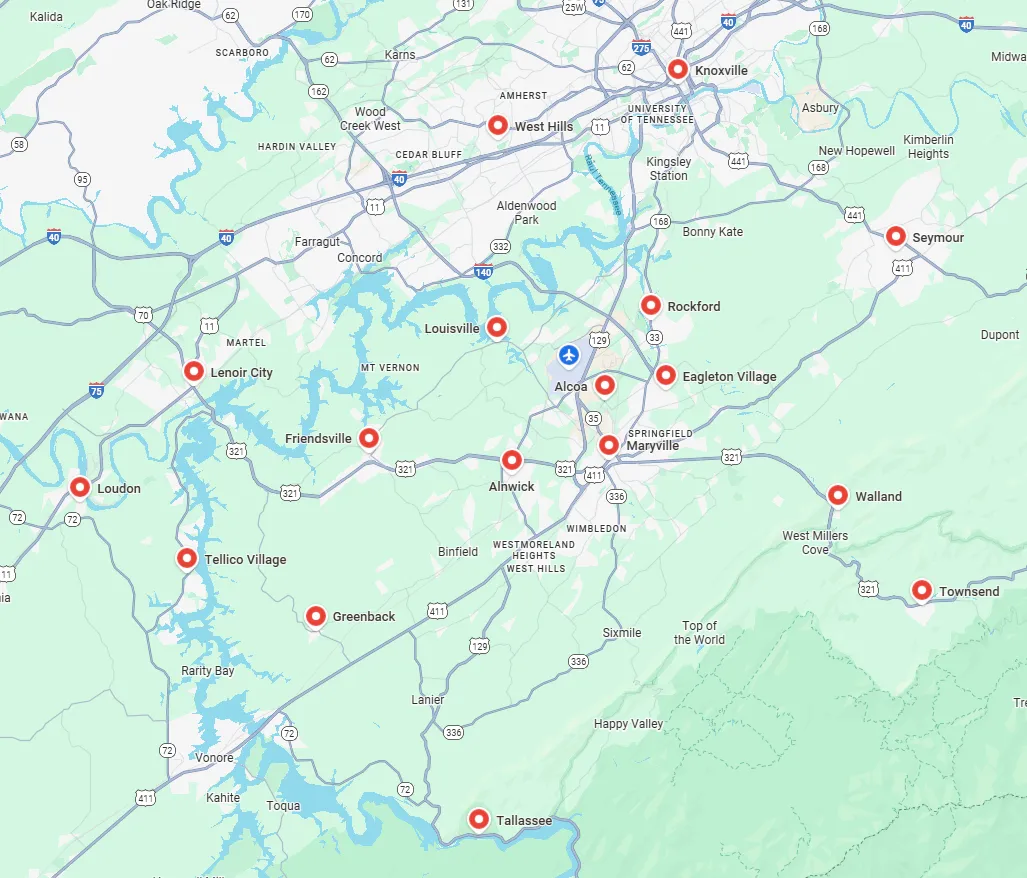
Everest Air will provide realistic timelines based on your unique project and local permit processes in Maryville and Blount County.
Warranties and typical protection options
Understanding warranty coverage helps protect your investment. Typical warranty elements include:
- Manufacturer limited warranty: Covers defects in compressor, coils, or other major components for a set number of years. Lengths vary by manufacturer and model.
- Parts warranty: Covers individual components such as the control board or motors; durations vary.
- Labor warranty: Covers the work performed by the installing contractor. Everest Air may offer a limited labor warranty paired with manufacturer coverage to ensure both parts and installation are protected.
- Extended warranties or service plans: Optional plans can extend parts and labor coverage beyond the standard period and may include annual maintenance visits.
- Transferability: Some manufacturer warranties transfer to a new homeowner if registered properly.
- Warranty registration: Many manufacturers require system registration shortly after installation to validate full warranty terms.
When reviewing proposals, consider both the manufacturer warranties and Everest Airs installation or labor warranties to understand your total protection.
Financing and payment options overview
Replacing an HVAC system is a major expense. Homeowners in Maryville often use a mix of options to make replacement manageable. Typical financing structures include:
- Promotional financing or low-interest terms offered through lending partners or manufacturers.
- Equal payment plans that spread the cost over a set number of months.
- Home energy loans or home equity solutions for larger projects that may include ductwork or insulation upgrades.
- Manufacturer or utility rebates and seasonal incentives that lower out-of-pocket cost; availability varies over time.
When evaluating financing, consider total cost over the life of the loan, interest rate, and any rebate timing. Everest Air Heating and Cooling can explain typical financing frameworks so you can weigh options objectively.
Energy, comfort, and indoor air quality improvements you can expect
Upgrading to a properly sized, modern HVAC system yields measurable benefits in Maryville homes:
- Lower energy bills: Newer equipment typically operates more efficiently. Depending on your previous system age and efficiency, savings can be significant.
- More consistent indoor temperatures: Proper sizing and variable-speed equipment reduce hot and cold spots and limit short cycling.
- Improved humidity control: Especially important in Maryville summers. Variable-speed systems and systems with enhanced dehumidification reduce indoor moisture for better comfort and lower mold risk.
- Quieter operation: Modern compressors, improved fan motors, and sound-dampening housings reduce noise.
- Better air quality: New filters, properly sealed ductwork, and modern ventilation strategies cut dust, pollen, and particulate levels. This is helpful where seasonal pollen from the Smoky Mountain area affects indoor air.
- Reduced repair frequency: New systems come with warranties and newer components that reduce unexpected breakdowns.
- Increased home value and marketability: Modern HVAC is a selling point and can be listed as a recent improvement.
Realistic expectations: savings and comfort improvements depend on system choice, proper installation quality, and the home envelope. Combining replacement with duct sealing, attic insulation, and thermostat upgrades maximizes benefits.
Ductwork, insulation, and additional considerations
The system and the home envelope work together. Everest Air assesses:
- Duct leakage: Leaky, disconnected, or poorly insulated ducts reduce system effectiveness. Sealing and insulating ducts can improve comfort and reduce energy waste.
- Return air design: Adequate return pathways are crucial for balanced airflow.
- Insulation levels: Attic and wall insulation affect load calculations and the optimal equipment size.
- Ventilation needs: Tight homes may require controlled ventilation to maintain healthy indoor air quality.
- Zoning: If different parts of the house have different use patterns, zoning can deliver tailored comfort and efficiency.
Investing in ductwork and insulation upgrades when replacing a system often increases the overall return on investment.
Installation quality: what to look for and expect
A replacement is only as good as the installation. High-quality installations include:
- Accurate refrigerant charge based on manufacturer specifications and measured superheat/subcooling.
- Proper airflow settings and testing with instruments, not guesswork.
- Correct electrical sizing and safe gas connections for combustion appliances.
- Secure mounting and vibration isolation for outdoor compressors.
- Proper sealing of all penetrations and neat, documented work.
- Clear documentation of system components, serial numbers, and warranty registrations.
Everest Air Heating and Cooling emphasizes no shortcuts in quality and adheres to local code requirements and industry best practices to ensure a long-lived system.
Maintenance after replacement to protect the investment
Regular maintenance extends equipment life and preserves efficiency:
- Seasonal checkups: Spring for cooling and fall for heating are standard. These visits inspect controls, refrigerant levels, motor operation, belts, and safety components.
- Filter replacement: Depending on filter type, monthly checks or replacement every 3 months keeps airflow optimal.
- Duct inspection and cleaning as needed for homes with pets or prior mold/dust issues.
- Annual coil cleaning and condensation drain inspection to avoid clogging and microbial growth.
- Prompt repairs for any irregular noises or performance changes.
Everest Airs Y.E.T.I Comfort Plan and routine maintenance programs are designed to keep new systems operating at peak performance and avoid premature failures.
Environmental and regulatory considerations in Maryville
- Refrigerant laws: Handling and disposal of refrigerants is regulated. Technicians must use approved recovery equipment and document refrigerant reclamation.
- Local permitting: Many Blount County jurisdictions require HVAC permits and inspections. Compliance ensures safety and code adherence.
- Energy efficiency incentives: Sometimes local utilities or federal programs offer incentives for higher-efficiency systems. Eligibility varies by program and time.
Everest Air Heating and Cooling stays current with local regulations and environmental requirements to ensure compliance during replacement projects.
Cost versus value: repair now or replace
Homeowners often wrestle with whether to repair or replace. Consider these principles:
- The age and expected remaining life of equipment: Older systems near the typical end of life are better replaced.
- Frequency and size of repairs: Recurring expensive repairs erode the value of keeping an old system.
- Efficiency gap: New systems with high SEER or heat pump technology can quickly lower operating costs.
- Comfort needs and health considerations: If poor humidity control, noise, or air quality are ongoing problems, replacement may deliver intangible benefits that justify the investment.
- Resale considerations: A modern, efficient system improves a home’s market appeal.
Everest Air Heating and Cooling provides objective comparisons to help you weigh repair costs against replacement value for Maryville homes.
Frequently Asked Questions
Q: How do I know whether a repair or replacement is the better option?
A: Evaluate system age, repair frequency and cost, efficiency loss, and comfort issues. If the system is older than 12 to 15 years, has repeated failures, uses phased-out refrigerant, or fails to maintain comfort, replacement is often the better long-term option. Everest Air can provide a diagnostic assessment that shows repair cost history and a replacement comparison.
Q: Will a higher SEER rating improve humidity control in Maryville?
A: Higher SEER systems often include variable-speed compressors and fans that run longer at lower speeds, which improves latent cooling and dehumidification. Proper sizing and ductwork also matter; an oversized unit can short cycle and reduce humidity removal even if SEER is high.
Q: How long does a typical replacement installation take?
A: A straightforward like-for-like replacement usually takes one full day. More complex projects that involve duct upgrades, zoning, or structural changes can take two to three days. Permit and delivery timelines may extend the start date.
Q: What happens to my old equipment?
A: Old systems are safely decommissioned. Refrigerant is recovered and handled according to EPA rules, and materials are recycled or disposed of per local regulations. Everest Air documents removal and disposal practices during the project.
Q: Are heat pumps a good choice for Maryville winters?
A: Modern heat pumps are effective in Maryville’s moderate climate and provide excellent efficiency for both cooling and heating. Cold-climate models maintain performance on colder nights, and hybrid configurations pair heat pumps with gas furnaces for backup during extreme cold.
Q: What warranty protection should I expect with a replacement?
A: Expect a combination of manufacturer limited warranties for parts and compressors plus a labor or installation warranty from the contractor. Warranty lengths vary by brand and model. Be sure to register the equipment as required by the manufacturer to activate full coverage.
Q: Will replacing ductwork make a big difference?
A: Yes. Leaky, undersized, or poorly insulated ducts significantly reduce system performance. Sealing and properly sizing ducts can reduce energy waste and improve comfort, often providing faster returns on investment than focusing only on the equipment.
Q: How much energy savings can I expect after replacement?
A: Savings vary based on your existing system age and the efficiency of the new unit, as well as home envelope improvements. Replacing a very old unit with a high-efficiency system typically yields noticeable monthly savings and improved comfort. A load-based system selection maximizes those gains.
Q: Do I need to get permits for an HVAC replacement in Maryville?
A: Many HVAC replacements require permits and inspections to ensure compliance with local building and mechanical codes. Everest Air coordinates permit processing and inspection scheduling as part of the replacement process.
Making the decision to replace your HVAC system should be grounded in accurate diagnostics, local climate considerations, and installation quality. Everest Air Heating and Cooling combines careful load calculations, attention to ductwork and home envelope, and adherence to safety and environmental rules to ensure your replacement delivers long-term comfort and value in Maryville, TN.
hear what our satisfied clients have to say

David P.
Service areas