

Heating Service in Maryville, TN
Keeping your Maryville, TN home warm, safe, and energy-efficient through the winter takes more than just adjusting the thermostat now and then. That's where Everest Air Heating and Cooling comes in, offering comprehensive heating service specifically designed for Maryville's local weather, common home styles, and the specific wear-and-tear Blount County homes often face. Whether you need a seasonal check-up, an urgent repair, duct cleaning, water heater help, or a preventative maintenance plan, we're here to clearly explain our services, how we diagnose common problems, your repair options, and our customer-focused policies, so you feel confident choosing Everest Air Heating and Cooling as your heating partner.
.jpeg)
Why this matters for Maryville homeowners
Maryville sits at the foothills of the Great Smoky Mountains and experiences cold snaps, occasional freezing temperatures, and a range of humidity through the year. Those conditions accelerate wear on heat pumps, furnaces, and distribution systems. Many homes in Maryville and surrounding areas have basements or crawlspaces that affect ductwork and combustion air. That makes timely inspections, clean ducts, and properly commissioned heating equipment essential for comfort, indoor air quality, and safety. Everest Air Heating and Cooling brings local experience, transparent policies, and an emphasis on preventive care to address these needs.
What comprehensive heating service includes
Everest Air Heating and Cooling delivers a full spectrum of heating services in Maryville, TN. Each service is designed to diagnose root causes, restore reliable performance, and extend the life of your system while prioritizing safety and efficiency.
- Heating system inspections and Tune-Ups
- Visual and functional inspection of furnaces, heat pumps, boilers, and controls
- Safety checks for combustion systems, including venting and carbon monoxide risk
- Filter, flame pattern, and ignition system checks
- Thermostat calibration and airflow verification
- Heating repairs and emergency service
- Diagnosis and replacement of components: ignition systems, burners, motors, belts, control boards, capacitors, and reversing valves
- Heat pump defrost and reversing valve troubleshooting
- Emergency response for no heat, short cycling, or unsafe operation
- Diagnosis and replacement of components: ignition systems, burners, motors, belts, control boards, capacitors, and reversing valves
- Preventative maintenance plans
- Seasonal Tune-Ups timed for fall preparation and spring performance review
- Priority scheduling, parts inspection, and discounts on service calls where applicable
- Documentation of system history to support warranty and replacement planning
- Duct cleaning and air distribution optimization
- Inspection of supply and return ducts in basements, crawlspaces, and attics
- Removal of dust, debris, and biological growth that reduce efficiency and indoor air quality
- Sealing and basic repairs to reduce leaks and improve balance
- Water heater support where applicable
- Diagnosis and repair of gas and electric water heaters
- Tank flushing, anode replacement, and thermostat inspection
- Help integrating water heater service with home heating systems where common issues affect both
- Service agreements and transparent policies
- Written service agreements that outline visits, work scope, and expectations
- Fair pricing, no hidden costs, and clear communication about recommendations and required repairs
- Emphasis on educating homeowners about options for repair versus replacement
Common heating problems in Maryville, TN and how we address them
Understanding common local problems helps you decide when to repair and when a planned replacement is better value. Below are frequent issues seen in Maryville-area homes and the typical service approach.
- No heat or intermittent heat
- Causes: failed ignitors or burners, tripped safety switches, thermostat faults, or fuel supply interruptions.
- Service approach: systematic diagnostics starting with safety checks, followed by component testing and repair or replacement with OEM-equivalent parts.
- Short cycling or frequent on-off cycling
- Causes: oversized thermostats or improperly sized zones, clogged filters, low refrigerant in heat pumps, or failing control boards.
- Service approach: evaluate airflow and refrigerant charge, inspect control systems, and recommend corrective measures including duct balancing or zone controls.
- Uneven heating or cold spots
- Causes: duct leaks in basements or attics, closed or blocked vents, failing blower motors, or undersized equipment.
- Service approach: duct inspection and targeted cleaning, sealing leaks, and blower maintenance to restore balanced distribution.
- High utility bills
- Causes: aging equipment, dirty coils and filters, leaks in ductwork, or lack of routine maintenance.
- Service approach: performance Tune-Up, component cleaning, and recommendations to improve efficiency without unnecessary replacement unless warranted.
- Noisy operation
- Causes: worn bearings in motors, loose panels, failing blowers, or duct resonance.
- Service approach: identify noise source and repair or replace affected components, add isolation where ducts transfer vibration, and ensure correct mounting.
- Heat pump-specific issues in fluctuating winter temperatures
- Causes: frequent defrost cycles, reduced heat output during very low temperatures, or refrigerant leaks.
- Service approach: defrost control checks, refrigerant testing, and supplemental heating strategy advice for especially cold periods.
- Safety concerns: carbon monoxide and vent issues
- Causes: blocked flues, cracked heat exchangers, or improper combustion air.
- Service approach: rigorous safety inspection, combustion testing, and immediate shutdown recommendations if a hazard is detected.
Diagnostic process: what to expect during a visit
Everest Air Heating and Cooling follows a structured diagnostic process to isolate problems efficiently and explain findings in plain language. This approach reduces guesswork and unnecessary parts replacement.
- Initial assessment
- Technician reviews reported symptoms with the homeowner and inspects visible equipment and the installation environment.
- Safety and system baseline checks
- For combustion systems, the technician inspects venting, checks for backdrafting, and measures carbon monoxide levels where necessary.
- Electrical components, breaker condition, and wiring are inspected for safety.
- Functional testing
- Thermostat, control boards, blower operation, compressor start-up, and fuel or electrical supply are tested in operating condition.
- Refrigerant pressures are checked on heat pumps; gas pressures and burner performance are checked on furnaces.
- Airflow and distribution checks
- Filter condition, duct pressure, and supply temperatures are measured to determine whether the issue is distribution or generation related.
- Diagnosis and transparent recommendations
- Findings are explained clearly, including the cause, immediate fixes, and longer term options with costs presented without hidden fees.
- Documentation
- Technicians document work performed, parts replaced, and recommended next steps so homeowners have a record for future service and warranty needs.
Repairs, replacements, and when to choose each
Deciding whether to repair or replace depends on age, efficiency, reliability, and long-term cost. Everest Air Heating and Cooling helps you evaluate these factors objectively.
- When repair is the right choice
- The system is under 10 years old (depending on type), the repair addresses a single failed component, and the expected remaining life is reasonable.
- Repair preserves value by restoring safe operation and delaying replacement while keeping costs reasonable.
- When replacement is more cost effective
- Repeated breakdowns, heat exchanger damage, significant refrigerant leaks, or an older furnace or heat pump that operates at low efficiency.
- Replacement is recommended when the cumulative cost of repairs approaches the value of a new, more efficient system or when safety is compromised.
- How we approach replacement
- Equipment selection considers local climate, home size, duct condition, and desired efficiency.
- Proper sizing and commissioning are emphasized to avoid short cycling and ensure even heating across Maryville homes that may have unique airflow characteristics.
- Upgrades that improve comfort and savings
- Installing programmable or smart thermostats for better control and zoning options to reduce energy use.
- Duct sealing and insulation to increase system effectiveness and indoor air quality.
Preventative maintenance and the Y.E.T.I Comfort Plan
Preventative maintenance reduces emergency calls, improves efficiency, and prolongs equipment life. Everest Air Heating and Cooling offers structured maintenance that aligns with local seasonal needs.
- What a seasonal Tune-Up includes
- Filter inspection and replacement guidance
- Cleaning of burners, heat exchangers, coils, and condensate lines
- Electrical and mechanical component checks
- Safety inspection for carbon monoxide risk and proper venting
- Refrigerant and pressure checks for heat pumps
- Benefits of a planned maintenance agreement
- Fewer emergency repairs, lower energy bills, and prioritized scheduling during high demand periods
- Documented service history to support warranty claims and resale value
- Early detection of failing components before they escalate into costly failures
- Y.E.T.I Comfort Plan features
- Fall and spring checkups to prepare heating systems for winter and to verify performance after heavy use
- Priority scheduling that reflects the urgency of heating failures in cold months
- Discounted service call options and clear maintenance records for homeowners in Maryville and surrounding counties
Duct cleaning and indoor air quality
Ductwork is often overlooked yet has a direct impact on heating performance, comfort, and health.
- Why duct cleaning matters in Maryville homes
- Basements and crawlspaces can introduce dust, insulation fibers, mold spores, and rodent debris into distribution systems.
- Spring pollen and fall leaf debris can accumulate and reduce airflow while aggravating allergies.
- Service scope
- Thorough inspection of supply and return ducts, registers, and plenums
- Mechanical agitation and negative pressure cleaning where applicable
- Recommendations for sealing, insulation, and filters to reduce future contamination
- Expected results
- Improved airflow, more even temperatures, and lower particulate matter circulating during heating cycles
Water heater support linked to heating systems
Many homes in Maryville rely on gas or electric water heaters that interact with heating system infrastructure in terms of venting and fuel supply. Common issues include sediment buildup, failing thermostats, and anode depletion in areas with harder water.
- Services provided
- Tank flushing to remove sediment and improve heat transfer efficiency
- Anode rod inspection and replacement to extend tank life
- Diagnostic evaluation of gas lines or electric elements where shared systems exist
- Integration of water heater service into seasonal checkups to avoid simultaneous failures in cold months
Service agreements, pricing transparency, and customer communication
Choosing a heating service provider at the decision stage means selecting a partner you can trust. Everest Air Heating and Cooling emphasizes fair, transparent policies and customer-focused communication.
- Fair pricing and no hidden costs
- Written estimates and clear explanation of parts and labor
- No hidden fees for basic safety checks and diagnostic time as outlined in service agreements
- Clear service agreements
- Agreements specify included inspections, response windows, and what constitutes emergency service
- Maintenance records and receipts are provided for homeowner records and warranty needs
- Customer-focused communication
- Technicians explain findings in plain language and offer options with comparative pros and cons
- Recommendations are tied to safety, cost-effectiveness, and long-term performance rather than pressure to sell
- Quality assurance
- Work is performed following local code requirements for safety and ventilation
- Emphasis on correct installation and commissioning to avoid callbacks and to ensure reliability during Maryville’s cold season
Seasonal maintenance checklist for Maryville homeowners
Use this checklist to reduce heating surprises and extend system life through cycles of temperature change.
- Fall checklist (pre-winter)
- Replace or clean filters
- Schedule a full heating Tune-Up and safety inspection
- Inspect and clear outdoor vents and intake areas of leaves and debris
- Test carbon monoxide detectors and replace batteries
- Check thermostat programming for winter schedule
- Winter checklist (during season)
- Monitor for uneven heating or reduced output from heat pumps on very cold days
- Keep vent and return areas clear of furniture and drapes
- Note any unusual noises or smells and document times for accurate diagnostics
- Spring checklist (post-season)
- Run a follow-up inspection to verify off-season readiness
- Flush condensate lines and clean coils if applicable
- Review performance notes and plan any recommended off-season repairs
Frequently asked questions
Q: How often should I schedule heating maintenance for a Maryville home?
A: Most homeowners benefit from at least two professional checkups per year, typically in fall before heavy heating starts and in spring after the heating season, to catch issues related to winter stress and to prepare for summer cooling.
Q: My heat pump struggles on very cold days. Is that normal in Maryville?
A: Heat pumps can lose efficiency at lower outdoor temperatures and rely on defrost cycles. In Maryville, supplemental heating or ensuring the heat pump is properly sized and well maintained can reduce discomfort during cold snaps.
Q: What are the safety signs that require immediate attention?
A: Any detection of the smell of gas, visible flame instability, frequent carbon monoxide detector alarms, or significant soot around vents requires immediate professional inspection and shutdown of the system if advised by a technician.
Q: Does duct cleaning really improve heating efficiency?
A: When ducts are clogged, leaky, or contaminated due to debris or biological growth, cleaning and sealing can improve airflow and reduce strain on the system, often improving efficiency and comfort.
Q: How long before I should consider replacing my furnace or heat pump?
A: Typical lifespans vary by equipment type and maintenance history. Furnaces generally last 15 to 20 years and heat pumps 10 to 15 years. Replacement should be considered sooner if repair costs are frequent or efficiency has significantly declined.
Q: What does a typical heating diagnostic visit cost?
A: Costs vary by scope, but a diagnostic visit includes safety checks, functional testing, and a clear written estimate for recommended repairs. Everest Air Heating and Cooling provides transparent pricing with no hidden fees as outlined in service agreements.
Q: Can water heater problems affect my heating system?
A: In some installations, shared venting, fuel lines, or proximity issues mean water heater problems can affect combustion air or venting. Flushing tanks and inspecting anodes helps avoid failures that can compound during cold months.
Q: Are there local factors in Maryville that affect heating system performance?
A: Yes. Local humidity, seasonal pollen, crawlspace and basement duct runs, and occasional freezing weather influence system wear and indoor air quality. A local technician familiar with these factors can tailor maintenance and system choices accordingly.
Q: What should I do if my heating system makes unusual noises overnight?
A: Document the noise type and timing, check for obvious issues like blocked vents or visible vibration, and schedule a diagnostic visit to identify bearings, blowers, or duct resonance problems before they cause bigger failures.
Q: How does Everest Air Heating and Cooling ensure transparent communication?
A: The company documents findings, provides written estimates, explains options and expected outcomes in plain language, and adheres to policies of fair pricing and no hidden costs as part of the service agreement.
hear what our satisfied clients have to say

David P.
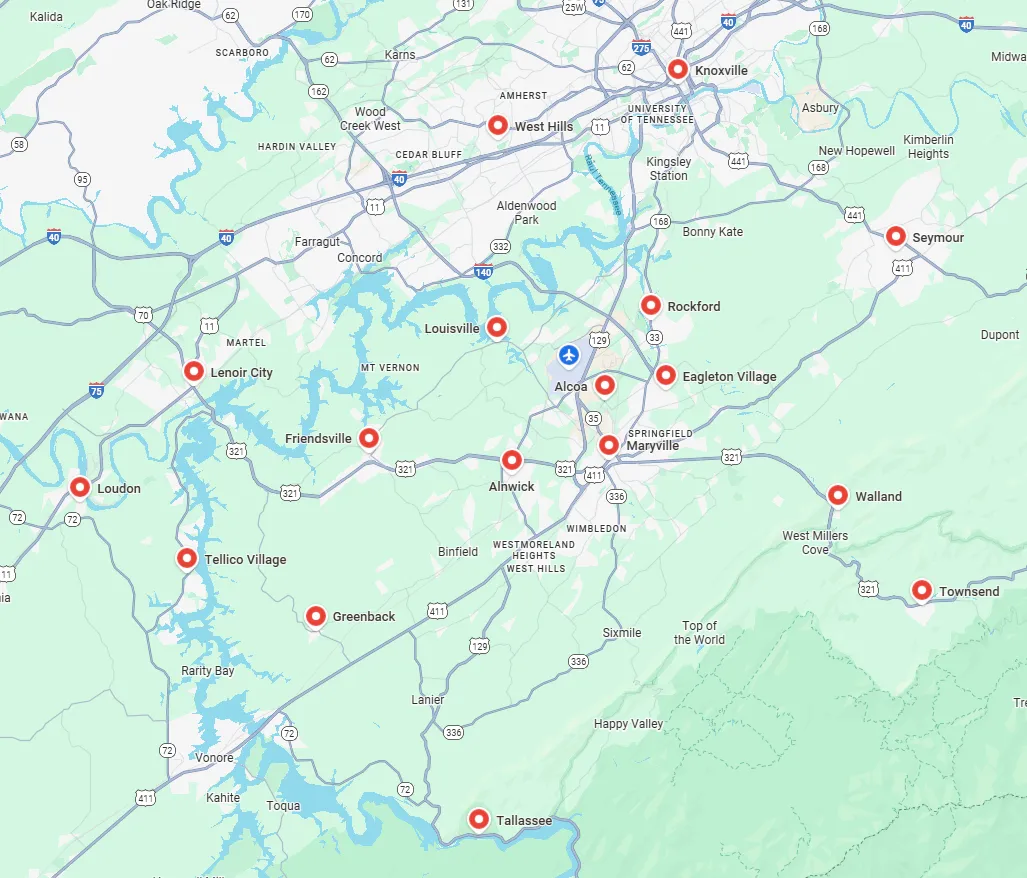
Service areas