

Heating Maintenance in Knoxville, TN
For a warm, safe, and energy-efficient home through those Knoxville winters, regular, professional heating maintenance is non-negotiable. Everest Air Heating and Cooling is proud to offer comprehensive heating maintenance right here in Knoxville, TN for all types of systems – furnaces, heat pumps, and even ductless units. We'll walk you through what a thorough heating Tune-Up includes, discuss common issues we frequently see in East Tennessee homes, explain how our inspections and preventative service dramatically cut down on breakdowns and energy costs, and demonstrate how our Y.E.T.I Comfort Plan bundles all these benefits for incredible year-round reliability. With Everest Air Heating and Cooling, your comfort is assured.
Why proactive heating maintenance matters in Knoxville
Knoxville experiences fluctuating winter temperatures, from mild days to sudden cold snaps, and occasional ice. Those swings place additional strain on heating systems as they cycle more frequently. Older homes in the Knoxville area often have aging ductwork, attic insulation variability, and basements or crawlspaces that affect airflow and system efficiency. Dust, pollen, and higher humidity in shoulder seasons can also degrade performance.
Routine maintenance:
- Keeps systems running efficiently during peak demand
- Identifies small problems before they become costly failures
- Improves comfort and consistent home temperatures
- Extends equipment life and preserves manufacturer warranties
- Everest Air Heating and Cooling designs maintenance to address these local factors so your system is ready when the weather turns.
Types of heating systems we service
We maintain all common residential and light commercial heating systems in Knoxville, including:
- Furnaces: gas, electric, or oil-fired systems that rely on burners, heat exchangers, and blower motors
- Heat pumps: air-source and hybrid systems that both heat and cool, including variable-speed and inverter-driven units
- Ductless Mini Splits: zoned indoor heads with outdoor compressors, ideal for additions or rooms without ductwork
- Hybrid systems and packaged rooftop units used in multi-family or small commercial properties
Each system has distinct maintenance needs. A trained technician follows model-specific manufacturer guidelines while addressing Knoxville-specific conditions like pollen, humidity, and equipment age.
Common heating maintenance issues in Knoxville homes
Understanding the frequent problems homeowners face helps prioritize inspections and repairs:
- Reduced airflow: clogged filters, restricted ductwork, or failing blower motors limit heat distribution and cause uneven rooms
- Dirty or blocked heat exchangers and coils: debris lowers heat transfer efficiency and increases fuel use
- Ignition and pilot problems: intermittent burners or electrode wear lead to unreliable starts and possible cold mornings
- Refrigerant or compressor issues in heat pumps: low refrigerant, leaks, or aged compressors diminish heat output in cold snaps
- Thermostat calibration errors: older or improperly installed thermostats cause short cycling and comfort complaints
- Deteriorating ductwork: leaks, disconnected joints, or insulation loss in attics and crawlspaces increases heat loss
- Electrical wear: worn capacitors, relays, or control boards can cause sudden failures
- Safety concerns: cracked heat exchangers, improper venting, or gas leaks require immediate attention
Everest Air Heating and Cooling makes these issues a focal point during seasonal inspections to prevent emergency failures and maintain safe operation.
What a full heating maintenance inspection includes
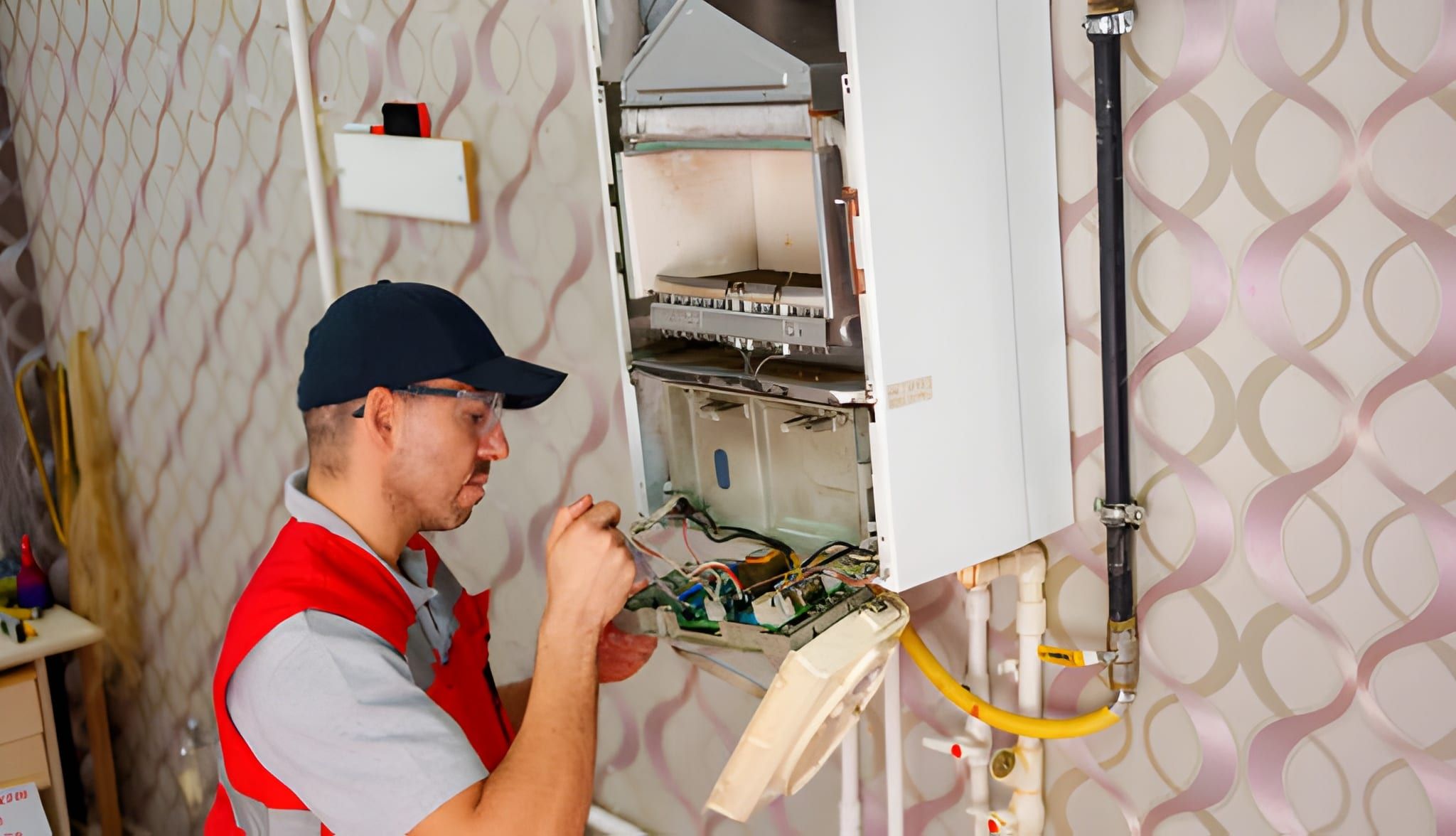
A professional heating maintenance visit goes beyond replacing a filter. Our comprehensive service typically covers these tasks:
Initial system assessment and history review
- Verify model, age, and prior service notes
- Note any recurring issues reported by the homeowner
Visual inspection
- Check burners, heat exchanger, pilot assembly, visible refrigerant lines, and condensate drains
- Inspect venting, chimneys, and flue for obstructions and proper draft
- Examine ductwork accessible from attic, basement, or crawlspace for leaks, disconnections, or insulation gaps
System cleaning
- Remove dust and debris from blower assembly, burners, and coils
- Clean condensate pans and drains to prevent blockages and microbial growth
- Clean indoor and outdoor coils for heat pumps to restore heat transfer efficiency
Performance tuning
- Test and adjust gas pressure and burner combustion for furnaces
- Verify refrigerant charge and perform leak checks on heat pumps if indicated
- Lubricate motors and moving parts where applicable
- Balance blowers and check belt condition and tension
Electrical and controls
- Inspect wiring, capacitors, relays, and control boards
- Test safety controls, limit switches, and combustion safeguards
- Calibrate thermostat and verify sensor operation and wiring
Airflow and static pressure testing
- Measure airflow across system and check duct static pressure
- Identify restrictions such as closed dampers, blocked returns, or undersized returns
Efficiency and safety evaluation
- Measure system operating temperatures, delta-T values, and startup amperage
- Check carbon monoxide levels and verify proper venting where applicable
- Inspect heat exchanger for cracks when accessible and safe to test
Maintenance documentation
- Provide a clear report of findings, items serviced, and recommended repairs or parts with explanations
- This comprehensive approach reduces the chances of overlooked items that cause unexpected outages in the coldest days.
System-specific maintenance details
Furnaces
- Replace or clean high-efficiency filters and inspect filter racks
- Clean burners, verify proper ignition timing, and adjust fuel/air mixture
- Inspect and test heat exchanger integrity and flue venting
- Lubricate blower motor bearings and check belt drive where used
- Test safety switches, rollout sensors, and limit controls
Heat pumps
- Clean and inspect outdoor coil fins for obstruction from leaves and pollen
- Verify refrigerant levels and perform leak detection when performance is low
- Test reversing valve operation, defrost cycle effectiveness, and compressor health
- Confirm proper thermostat set up for heat pump operation modes and emergency heat sequencing
Ductless Mini Splits
- Clean indoor blower wheels and filters; inspect indoor evaporator fins
- Check outdoor condenser and fan for debris, and test electrical components
- Verify proper refrigerant charge and line insulation to prevent efficiency loss
- Confirm remote control and wall thermostat settings and communication
Ductwork and ventilation
- Seal visible leaks with mechanical sealant or mastic
- Recommend insulation upgrades for ducts in unconditioned spaces
- Clear returns and registers and evaluate airflow balancing needs
These tasks are performed by certified technicians following safety protocols and local code considerations.
Safety checks and carbon monoxide awareness
A critical part of heating maintenance is safety verification. Gas furnaces and combustion appliances can pose risks if vents, burners, or heat exchangers are compromised. During a maintenance visit we:
- Test for carbon monoxide in the appliance area and living spaces when elevated risk exists
- Inspect flue and venting for blockages, corrosion, or improper pitch
- Verify combustion efficiency and identify incomplete combustion signs like sooty burners
- Ensure gas supply lines and fittings show no leaks or deterioration
Addressing these issues during routine maintenance protects your home and family and is especially important in older Knoxville houses with original venting.
Benefits of regular maintenance for Knoxville homeowners
Investing in regular heating maintenance delivers measurable and long-term advantages:
- Lower utility bills: Clean burners, proper refrigerant charge, and unrestricted airflow reduce energy consumption
- Fewer emergency repairs: Early detection of worn parts avoids mid-winter breakdowns and costly rush repairs
- Longer system lifespan: Routine lubrication, cleaning, and adjustments prevent premature component failure
- Improved comfort: Balanced airflow and precise controls reduce hot and cold spots in Knoxville homes
- Healthier indoor air: Clean filters, ducts, and coils reduce dust, pollen, and microbial contaminants
- Warranty protection: Many manufacturers require documented annual maintenance for warranty compliance
Everest Air Heating and Cooling frames maintenance as a cost-effective way to protect your investment and preserve comfort across Knoxville’s seasonal extremes.
Membership options: Y.E.T.I Comfort Plan explained
Everest Air’s Y.E.T.I Comfort Plan packages preventive maintenance into a predictable, comprehensive program tailored for Knoxville homes. The plan focuses on convenience, priority service, and consistent system care:
- Scheduled seasonal inspections: Fall heating and spring cooling checkups timed to peak service windows to confirm readiness for seasonal use
- Thorough cleaning and tuning during each visit to maximize efficiency and reduce wear
- Priority scheduling: Members receive priority appointment availability during high-demand periods and early scheduling windows
- Discounts and peace of mind: Plan benefits can include reduced diagnostic fees or discounts on repairs and parts, and documented service history for warranty compliance
- Single account management: One file tracks all maintenance activities, recommended future services, and service history to simplify ownership
The Y.E.T.I Comfort Plan is structured to reduce unexpected expenses while providing predictable maintenance that extends system life and improves reliability.
Seasonal considerations for Knoxville, TN
Knoxville’s climate pattern affects how and when you should maintain heating systems:
- Fall service focus: Tune and test furnaces and heat pumps before the first sustained cold period. Inspect ductwork that may have been affected by summer humidity and allergens.
- Winter readiness: Verify backup systems, check thermostat programming for setbacks, and confirm sufficient filter supplies during high pollen and dust seasons when filters load quickly.
- Spring handover: Heat pumps need post-winter inspection to clear debris from outdoor units and check for refrigerant loss after sustained winter cycles.
- Attic and crawlspace inspection: Seasonal humidity and rodent activity can impact duct insulation and wiring—these areas should be checked during maintenance.
Timing maintenance around Knoxville’s seasonal rhythms ensures optimal performance when you need heat the most.
Recommended maintenance schedule
A straightforward schedule helps keep systems protected:
- Annual comprehensive inspection for gas furnaces and heat pumps, ideally pre-season (furnaces in fall, heat pumps/AC in spring)
- Biannual service for dual-mode systems or homes with older equipment showing higher wear
- Filter checks monthly during heavy use periods; replace every 1-3 months depending on filter type and household conditions
- Duct checks every 3-5 years or sooner if performance drops or if renovations disturbed duct runs
Keeping a consistent record of service dates and findings helps technicians make better long-term recommendations.
Simple homeowner checks between professional visits
Homeowners can take a few actions to preserve system life and spot issues early:
- Replace or clean filters regularly and keep a spare set on hand
- Keep outdoor units clear of leaves, mulch, and debris; maintain a 2-foot clearance
- Note and log unusual noises, smells, or cycling patterns and share them in the next service visit
- Test carbon monoxide detectors and ensure batteries are fresh
- Program thermostats wisely to avoid excessive short cycling and use sensible setbacks to prevent strain
These simple steps complement professional maintenance and often prevent unnecessary service calls.
How Everest Air approaches diagnostics and repairs
When maintenance identifies a problem, Everest Air technicians follow a transparent diagnostic approach:
- Document symptoms and operating history, then perform targeted tests using HVAC diagnostic tools
- Return findings in clear language, explaining why a repair is necessary and what the expected benefits are
- Prioritize safety and code compliance, especially concerning combustion, venting, and electrical repairs
- Recommend repair versus replacement based on age, repair history, efficiency, and long-term cost analysis
While this page focuses on maintenance, understanding the diagnostic process helps homeowners make informed decisions when repairs are needed.
Energy efficiency and long-term savings
Properly maintained systems operate closer to their original efficiency ratings. That means:
- Lower monthly energy bills, especially during extended cold stretches
- Reduced compressor and motor stress, leading to fewer replacements
- More accurate thermostats and controls that minimize wasted runtime
- Better indoor comfort with fewer temperature swings that force systems to run longer
Maintenance is a small recurring investment compared to the expense of early equipment replacement and elevated energy costs.
FAQs
Q: How often should I schedule heating maintenance in Knoxville, TN?
A: Annual professional maintenance is the minimum recommendation for furnaces and heat pumps, scheduled before the heating season. Homes with older equipment or greater usage may benefit from biannual service.
Q: Does maintenance include cleaning the ducts?
A: Duct cleaning is not performed on every routine visit unless there is evidence of contamination, excessive dust, or blockages. Technicians will inspect ductwork and recommend targeted duct cleaning when necessary.
Q: Will a maintenance visit check for carbon monoxide leaks?
A: Yes. Technicians include safety checks that assess combustion performance and venting. If an elevated carbon monoxide risk is detected, the issue is documented and addressed according to safety protocols.
Q: Can maintenance improve my heat pump performance during cold snaps?
A: Yes. Maintenance restores airflow, verifies refrigerant charge, ensures defrost cycles operate correctly, and tests compressor function—all of which help heat pumps perform better in cold weather.
Q: What are the signs my furnace needs immediate attention before a scheduled maintenance?
A: Signs include unusual odors, persistent clicking or banging noises, visible soot or yellow burner flames, frequent short cycling, and a sudden increase in energy bills. Any of these warrant prompt evaluation.
Q: What does the Y.E.T.I Comfort Plan cover for heating maintenance?
A: The plan packages scheduled seasonal checkups, priority scheduling, comprehensive cleaning and tuning, and documented service history. Additional member benefits can include discounts or priority service during peak demand periods.
hear what our satisfied clients have to say

David P.
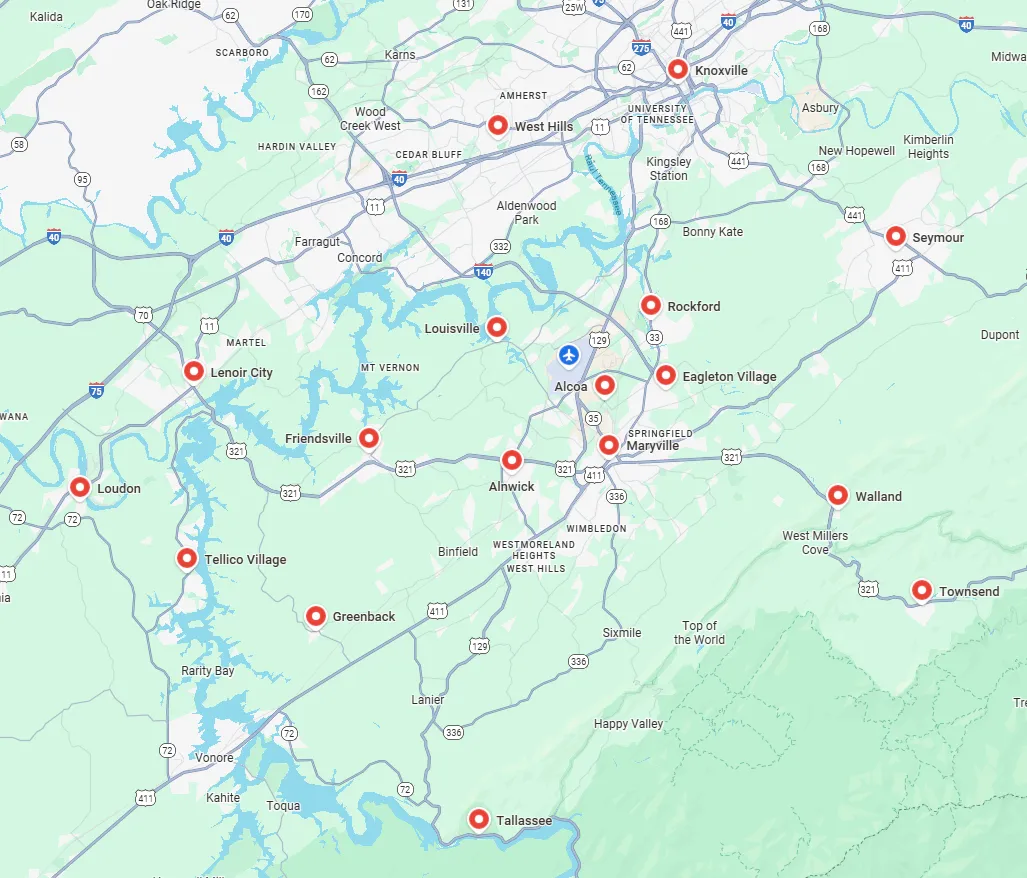
Service areas