

Furnace Tune-Up in Knoxville, TN
When winter finally arrives in Knoxville, TN, having a reliable furnace isn't just a luxury—it's essential. A professional furnace Tune-Up here in Knoxville, TN, is crucial for protecting your home, cutting down on wasted energy, and ensuring your family stays warm and safe through every cool night and cold snap. Everest Air Heating and Cooling delivers a thorough seasonal Tune-Up package specifically crafted for the unique demands of East Tennessee homes. Whether you're in an older brick house near downtown, a newer build in the suburbs, or a mountain property closer to the Smokies, our technicians at Everest Air Heating and Cooling understand your needs. We're here to explain what a comprehensive furnace Tune-Up involves, why it's so important for Knoxville residents, common issues we uncover, how our experts diagnose and fix problems, and how regular Tune-Ups fit perfectly into a preventative maintenance program like our Y.E.T.I Comfort Plan.
Why a Tune-Up matters in Knoxville
Knoxville sees variable winters: some seasons are mild while others bring extended cold stretches, icy nights, and temperature swings that put stress on heating systems. High pollen in spring and fall, occasional humidity shifts, and older ductwork in many local homes also affect furnace performance. A furnace Tune-Up addresses these local factors by restoring safe combustion, ensuring proper airflow, and optimizing control systems. Beyond comfort, Tune-Ups reduce the risk of breakdowns during peak demand, prevent unsafe carbon monoxide exposure, and lower monthly heating costs by improving efficiency.
Common furnace problems in Knoxville homes
Knoxville homeowners typically face a predictable set of furnace issues that a professional Tune-Up is designed to prevent or resolve. Recognizing these common problems helps homeowners understand why regular maintenance pays off.
- Dirty or clogged air filters that restrict airflow and force the furnace to work harder.
- Inconsistent heating caused by poor thermostat calibration or blocked vents.
- Reduced efficiency and higher bills from dirty burners, heat exchangers, or blower assemblies.
- Ignition and pilot control problems in older gas furnaces.
- Carbon monoxide (CO) leaks due to cracked heat exchangers or improper combustion.
- Worn motors and bearings resulting in noisy operation and premature failure.
- Electrical faults such as loose connections, failing capacitors, or worn relays.
- Duct leaks and insulation gaps in older Knoxville homes that reduce system effectiveness.
Seasonal Tune-Up checklist: what to expect
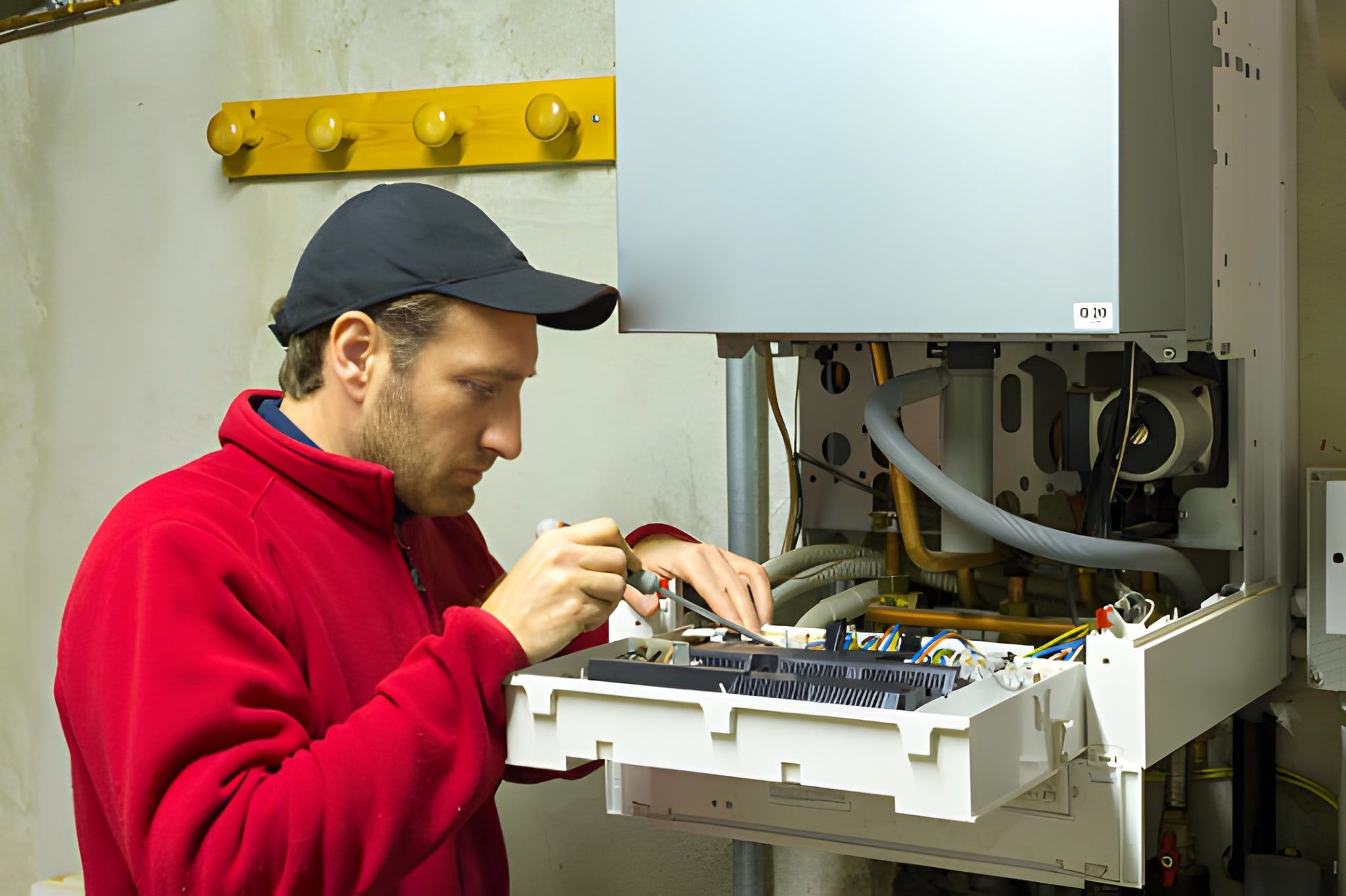
Everest Air Heating and Cooling follows a comprehensive furnace Tune-Up checklist tailored to the needs of Knoxville, TN homes. Each step is performed by trained technicians and documented so homeowners know exactly what was inspected and serviced.
Safety inspection
- Visual inspection of furnaces and surrounding area for combustible materials, proper clearances, and signs of leaks or corrosion.
- Verification of venting and flue conditions to ensure exhaust gases are safely routed away from the home.
- Confirmation of proper combustion air supply for sealed and open-combustion units.
Combustion and carbon monoxide checks
- Combustion efficiency testing using calibrated analyzers to measure gas burn quality and flue gas temperatures.
- Carbon monoxide testing at the appliance and in the equipment area to detect unsafe CO levels.
- Inspection of heat exchanger integrity for cracks or corrosion that can cause dangerous CO leaks.
Filter and airflow optimization
- Inspection and replacement recommendations for filters based on type and condition.
- Cleaning of blower compartments and blowers to remove dust and debris that restrict airflow.
- Measurement of static pressure and assessment of ductwork to identify major restrictions or leaks.
Thermostat calibration and control checks
- Verification and calibration of thermostat settings so the system responds accurately to user inputs.
- Evaluation of control wiring, setpoints, and programmable schedules for optimal efficiency.
- Confirmation that safety controls, limit switches, and gas valves operate properly.
Lubrication, belts, and mechanical adjustments
- Lubrication of motors, bearings, and moving parts where applicable to reduce wear and noise.
- Inspection and adjustment of belts and pulleys for proper tension and smooth operation.
- Tightening of access panels, fasteners, and support brackets to eliminate rattles and vibration.
Electrical tests and safety
- Inspection of electrical connections for tightness, corrosion, and signs of overheating.
- Testing of capacitors, relays, and contactors to ensure reliable starts and runs.
- Measurement of current draw on motors to identify overloading conditions before failure.
Heat exchanger and burner maintenance
- Cleaning of burners to remove carbon deposits that reduce fuel efficiency and cause uneven flame patterns.
- Inspection and cleaning of ignition systems and flame sensors to ensure reliable ignition cycles.
- Visual and instrumental assessment of the heat exchanger for integrity and signs of stress.
Results documentation and recommendations
- A written report showing the tasks completed, parts replaced, measured performance values, and recommended repairs or upgrades.
- Clear explanations about the urgency of repairs, expected costs, and the impact on system reliability and efficiency.
How a Tune-Up improves reliability and lowers energy bills
A properly executed furnace Tune-Up delivers measurable benefits that matter to Knoxville homeowners. Small issues uncovered during a Tune-Up are often far less expensive to repair than the cost of an emergency repair or premature system replacement.
- Increased efficiency: Clean burners, lubricated motors, and optimized airflow reduce the energy required to heat your home. Even modest efficiency improvements translate to noticeable savings during multi-week cold periods.
- Longer equipment life: Reducing mechanical stress and addressing electrical faults helps motors, compressors, and heat exchangers last longer, delaying the need for costly replacements.
- Fewer repairs and reduced downtime: Identifying worn components early prevents sudden failures on the coldest days when repair response times can be longer due to high demand.
- Better indoor comfort: Balanced airflow, a calibrated thermostat, and clean components reduce temperature swings and cold spots common in Knoxville homes with varied layouts or older ducts.
- Improved safety: Combustion checks and CO testing protect families from the serious risk of carbon monoxide exposure that can occur with cracked heat exchangers or poor venting.
Diagnostics and the Tune-Up process explained
Technicians follow a logical diagnostic process to ensure every Tune-Up is thorough and consistent. The process combines inspection, measurement, cleaning, and targeted repairs.
- System history and visual inspection
Technicians begin by reviewing any known system history and asking about recent performance issues. A visual inspection establishes baseline conditions, revealing obvious defects like rust, water stains, or damaged ductwork. - Airflow and filter assessment
Airflow is measured and compared to manufacturer specifications. Filters are inspected; disposable filters may be replaced while reusable filters are cleaned. Restricted airflow is often the root cause of noisy operation and overheating. - Combustion analysis and safety measurements
For gas furnaces, combustion gas analysis ensures the unit is burning fuel cleanly and venting properly. CO testing and flue inspections are performed with calibrated instruments for reliable safety verification. - Electrical and mechanical testing
Electrical connections are tightened, and motor amperage readings are taken to identify motors drawing excessive current. Capacitors and relays are tested under load to predict imminent failures. - Component cleaning and calibration
Burners, flame sensors, and blower assemblies are cleaned. Thermostats are calibrated to ensure set temperatures match actual room conditions. Gas pressures and valve operation are checked on gas furnaces. - Final performance check and documentation
After adjustments and any small repairs, the system runs through several cycles while the technician monitors combustion, airflow, and electrical performance. A documented report details findings, services performed, and recommended next steps.
Typical problems found and common solutions
During Tune-Ups in Knoxville homes, certain issues appear repeatedly. Knowing these common fixes helps homeowners prioritize maintenance.
- Clogged filters and reduced airflow: Solution includes replacing or cleaning filters, cleaning the blower assembly, and checking for duct obstructions.
- Dirty burners and inefficient combustion: Solution involves burner cleaning, combustion tuning, and CO verification.
- Worn blower motors or bearings: Solution could be lubrication, belt replacement, or motor replacement when wear has progressed.
- Faulty thermostat behavior: Solution ranges from recalibration to replacement with a programmable or smart thermostat for better control.
- Loose electrical connections causing intermittent operation: Solution is tightening/repairing connections and replacing failing contactors or capacitors.
- Cracked heat exchanger: Because this is a safety hazard, the solution is assessment by a qualified technician and planning for heat exchanger replacement or full system replacement depending on severity.
Furnace Tune-Ups and the Y.E.T.I Comfort Plan
A single Tune-Up is valuable, but regular preventive maintenance provides the most reliable protection and predictable costs. Everest Air Heating and Cooling integrates furnace Tune-Ups into the Y.E.T.I Comfort Plan to create a comprehensive care strategy tailored to Knoxville homeowners.
- Fall and spring checkups: The Y.E.T.I Comfort Plan schedules seasonal checks timed to prepare systems for cold and warm seasons, preventing common failures when systems switch modes.
- Priority scheduling: Members receive priority access to service windows that suit busy household schedules, which matters during extreme weather events when demand is high.
- Discounted service: Plan benefits include reduced service fees and priority scheduling, making it easier to stay current with required maintenance.
- Documentation and history: Regular Tune-Ups under the plan build a documented service history that simplifies warranty claims and helps technicians make informed recommendations about repairs or replacements.
- Peace of mind: Knowing that combustion, CO, and safety checks are performed annually reduces the risk of unnoticed hazards in older Knoxville homes where venting and duct conditions vary widely.
Why Knoxville homes need a local approach to Tune-Ups
Local climate and housing stock shape the most effective Tune-Up approach. Knoxville homeowners benefit from a technician who understands regional specifics:
- Pollen and airborne particulates: East Tennessee has significant seasonal pollen and outdoor dust that can accelerate filter clogging and contaminate heat exchangers.
- Humidity swings: Moisture-related issues can accelerate corrosion in flue components and control systems, making inspections critical in spring and fall.
- Older ducts and historic homes: Many Knoxville neighborhoods include older homes with original ductwork, undersized registers, or unique layouts that require tailored airflow balancing.
- Mountain and valley microclimates: Homes nearer the Smokies can experience more severe cold and thermal stress, while valley locations may trap air and affect venting performance.
- Fuel types: Natural gas is common in Knoxville, so combustion safety checks and heat exchanger inspections are high priorities to guard against CO risk.
Practical homeowner tips between Tune-Ups
Maintaining furnace performance between professional visits reduces the chance of emergency breakdowns and keeps energy bills in check. Simple actions yield measurable results.
- Change or clean filters every 1 to 3 months depending on filter type, household pets, and pollen levels.
- Keep vents and returns clear of furniture, curtains, and storage to ensure unobstructed airflow.
- Keep the area around the furnace clean and free of clutter; a tidy environment reduces fire risk and allows better ventilation.
- Check thermostat batteries and settings seasonally; consider upgrading to a programmable thermostat for smoother control and savings.
- Inspect visible flue and venting for signs of damage or blockages, especially after storms or animal activity.
- Monitor for unusual noises, smells, or increased cycling; these are early signs that service may be needed.
When a Tune-Up reveals needed repairs
A professional Tune-Up may identify parts that need repair or replacement. Common recommendations come with clear reasoning and expected outcomes:
- Replacing worn blower motors or belts improves airflow and reduces energy consumption.
- Repairing or replacing ignition systems and flame sensors ensures reliable starts and reduces wear from repeated ignition attempts.
- Sealing or insulating ducts reduces heat loss and improves distribution; this is often a cost-effective alternative to larger system upgrades.
- Replacing cracked heat exchangers is a serious safety repair; technicians will explain whether repair or full system replacement is the safer, more economical option.
- Upgrading to high-efficiency filters or adding media filtration can significantly improve indoor air quality for homes affected by pollen and pet dander.
Cost-benefit perspective for regular Tune-Ups
While there is a small cost for a professional furnace Tune-Up, the long-term benefits outweigh the expense for most homeowners. Regular Tune-Ups reduce fuel bills through improved efficiency, prevent high-cost emergency repairs, and extend equipment life. For Knoxville properties where winters can be unpredictable and humidity varies by season, consistent maintenance ensures predictable performance and household safety.
FAQs
Q: How often should I schedule a furnace Tune-Up in Knoxville, TN?
A: Annual Tune-Ups are recommended, ideally in the fall before the heating season begins. Homes with high usage, pets, or heavy pollen exposure may benefit from biannual inspections or more frequent filter changes.
Q: What does a furnace Tune-Up typically include?
A: A comprehensive Tune-Up includes safety inspections, combustion and CO checks, filter and airflow optimization, thermostat calibration, lubrication of moving parts, electrical testing, burner cleaning, and a documented report with recommendations.
Q: Will a Tune-Up lower my energy bills?
A: Yes. Tune-Ups restore efficiency by improving combustion, restoring proper airflow, and optimizing system controls. These improvements reduce fuel consumption and can lower heating bills, especially over a cold season.
Q: Is carbon monoxide testing necessary during a Tune-Up?
A: Yes. Carbon monoxide testing is a critical safety step for gas furnaces. Technicians measure CO at the appliance and in the equipment area to ensure safe operation and detect leaks from cracked heat exchangers or improper venting.
Q: Can Tune-Ups prevent emergency breakdowns?
A: Regular Tune-Ups identify worn components, clogged filters, and electrical issues before they become failures, significantly reducing the likelihood of emergency breakdowns during cold weather.
Q: What should I do if the furnace Tune-Up finds a cracked heat exchanger?
A: A cracked heat exchanger poses a safety risk due to potential CO exposure. A qualified technician will explain repair options, safety implications, and whether a heat exchanger replacement or a complete system replacement is recommended.
Q: How does the Y.E.T.I Comfort Plan change the Tune-Up process?
A: The Y.E.T.I Comfort Plan schedules seasonal inspections, offers priority scheduling, and provides service discounts. Regular Tune-Ups under the plan create a documented maintenance history and provide more predictable service access and costs.
Q: Are Tune-Ups different for older vs newer furnaces?
A: The basic safety and performance checks are the same, but older furnaces often require more attention to components such as pilot assemblies, aging heat exchangers, and ductwork. Newer systems may require software updates and manufacturer-specific calibration.
hear what our satisfied clients have to say

David P.
Service areas