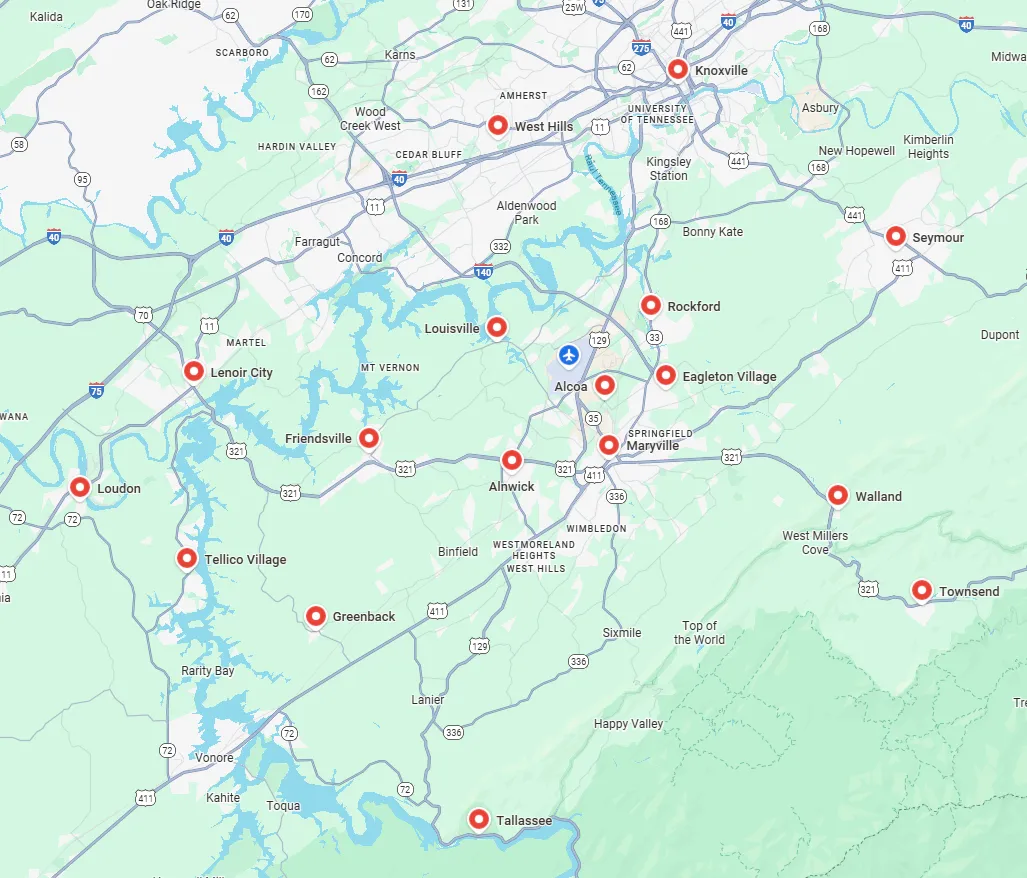


Furnace Repair in Maryville, TN
For homes in Maryville, TN, a reliable furnace isn't just nice to have; it's a must! With cold snaps rolling in from the Smoky Mountains and those dipping overnight lows, winter heating becomes a necessity, not a luxury. That's why Everest Air Heating and Cooling offers experienced, practical furnace troubleshooting and repair, perfectly tailored to the unique needs of homes throughout Blount County and the surrounding areas. We can explain the common issues we encounter in Maryville, detail our diagnostic approach, discuss our emergency and rapid repair capabilities, outline our component replacement standards, guide you through warranty work, and let you know exactly what to expect when you schedule service with our seasoned technicians at Everest Air Heating and Cooling.
.jpeg)
Why prompt furnace repair matters in Maryville, TN
Maryville experiences humid summers and chilly winters with occasional prolonged cold spells. Older homes in the area often have legacy ductwork, tighter clearances, or equipment installed before modern efficiency standards. When a furnace fails in Maryville, indoor comfort, energy bills, and even safety can be affected quickly. Addressing problems early reduces the risk of costly secondary damage, minimizes inefficient operation during winter, and protects against safety issues such as carbon monoxide infiltration or gas leaks. Everest Air Heating and Cooling focuses on fast, accurate repairs that restore reliable heating while prioritizing safety and long term performance.
Common furnace failure modes in Maryville homes
Below are the most frequent problems Maryville residents face, with brief explanations to help you recognize symptoms and understand likely causes.
- No heat or intermittent heat: Often caused by failed ignitors, pilot problems, thermostat faults, or issues with the gas valve or control board. Intermittent operation often points to a safety control or sensor failing intermittently.
- Short cycling: System turns on and off repeatedly. Typical causes include clogged air filters, oversized systems, faulty limit switches, or refrigerant and airflow problems in heat pump systems.
- Weak airflow or uneven heating: Clogged filters, failing blower motors, blocked ductwork, or leaky or poorly insulated ducts—common in older Maryville homes—can reduce system output.
- Strange noises: Squealing, grinding, banging, or popping can indicate failing blower motors, loose heat exchanger components, broken belts, or delayed ignition.
- Pilot or ignition failures: On gas furnaces, thermocouples, hot surface ignitors, and pilot assemblies wear out over time and are frequent repair items.
- Electrical control failures: Modern furnaces use control boards and sensors. A failed control board, power surge damage, or loose wiring can stop operation entirely.
- Heat exchanger cracks: A serious and safety-critical failure. Cracks can permit combustion gases to mix with indoor air, creating carbon monoxide hazards.
- Thermostat malfunctions: Dead batteries, wiring issues, or a failing thermostat can make a perfectly good furnace seem broken.
- Blower motor or capacitor failure: Motors and capacitors wear down, causing weak airflow or complete failure of the blower.
- Safety switches and pressure switches: If these detect unsafe conditions, they prevent operation until corrected, and are common triggers for service calls.
Our diagnostic procedures: how technicians pinpoint issues
Effective furnace repair begins with a systematic, safety-first diagnosis. Everest Air Heating and Cooling technicians follow a stepwise process designed to find root causes quickly and reduce unnecessary parts replacement.
- Visual inspection: A thorough external and accessible internal inspection looks for signs of wear, corrosion, loose connections, soot, or water damage from condensate systems.
- Safety checks: Verify that fuel lines, valves, and electrical systems are safe to work on. Check for odors, visible leaks, and ensure combustion and venting paths are clear.
- Thermostat verification: Confirm thermostat settings and operation. Many presumed furnace failures trace back to programming issues or thermostat miscommunication.
- Airflow assessment: Inspect filters, return grills, ducts, and blower operation. Restricted airflow can cause numerous downstream failures.
- Ignition and combustion testing: For gas furnaces, technicians test the ignitor or pilot sequence and use combustion analysis tools as needed to verify proper flame characteristics and safe venting.
- Electrical diagnostics: Multimeters and other tools test control boards, relays, capacitors, motors, and safety switches to identify failures or intermittent faults.
- Sequence testing: Run the system through startup, heat, and shutdown sequences to reproduce and observe failure modes.
- Manufacturer reference and parts ID: Technicians consult manufacturer specifications and service bulletins to ensure repairs follow approved guidelines, preserving warranty coverage when applicable.
Every diagnostic visit ends with a clear explanation of findings and a recommendation for repair or replacement options, including expected lifespan and energy impacts.
Emergency response and rapid repairs
A heating emergency in January is more than an inconvenience. While scheduling practices vary, Everest Air Heating and Cooling provides expedited response options for urgent heat loss situations, and the Y.E.T.I Comfort Plan offers priority scheduling for members. Emergency procedures include:
- Rapid triage: Technicians assess whether a temporary, safe remedy can restore heat while waiting for parts, such as temporary electric heaters or making emergency adjustments to restore safe operation.
- On-the-spot repairs: Our service vans carry common replacement parts and diagnostic tools to complete many repairs in a single visit, minimizing repeat calls.
- Temporary safety measures: If a fault poses a safety risk or if a permanent fix requires parts, technicians will secure the system and recommend safe interim steps while explaining timeframes and expectations.
- Coordinated follow-up: When specialty parts are needed, we source appropriate OEM or compatible components and schedule a prompt return visit to complete the repair.
Rapid, calm action reduces exposure to cold for occupants and lowers risk of further damage to the furnace.
Component replacement: motors, ignitors, controls and more
Replacing the right component properly extends equipment life and restores efficiency. Common replacements performed in Maryville include:
- Blower motors and wheel assemblies: Restores proper airflow and reduces noise and wear.
- Hot surface ignitors and pilot assemblies: Common to replace on older gas furnaces to restore reliable ignition.
- Control boards and relays: Modern furnaces depend on electronic controls; replacing boards requires attention to manufacturer compatibility.
- Gas valves and pressure switches: Safety-critical components that must meet strict specifications and local codes.
- Flame sensors and limit switches: Often responsible for shutdowns and intermittent operation; cleaning can help, but replacement is common when degraded.
- Capacitors and contactors: Essential for motor start and run; worn capacitors can mimic motor failure.
- Inducer motors and belts: Ensures proper venting and combustion sequencing.
- Heat exchangers: When cracked or compromised, replacement of the heat exchanger or entire furnace may be recommended for safety.
We use manufacturer parts wherever appropriate to preserve equipment reliability and warranty coverage. When aftermarket parts are used, technicians explain tradeoffs in cost and longevity. Replacements are performed with attention to proper torque, clearances, wiring, and venting to meet code and maintain safe operation.
Warranty work and parts sourcing
Everest Air Heating and Cooling works with manufacturer warranties and handles warranty claim procedures when applicable. Our approach includes:
- Verification of warranty status and terms before performing covered repairs.
- Use of OEM parts and documented procedures to maintain warranty validity.
- Clear documentation of repairs and parts used for warranty submissions.
- Assistance with manufacturer follow-up when extended coverage or parts replacement is required.
If warranty work involves waiting for a factory part, technicians will discuss interim safety measures and realistic timelines.
Safety first: carbon monoxide and venting checks
Safety is a priority on every service visit. Technicians perform targeted checks to identify and mitigate combustion and ventilation hazards:
- Heat exchanger inspection: Signs of corrosion, cracks, or soot accumulation trigger further testing or replacement recommendations.
- Venting and flue assessment: Ensure flues are unobstructed and venting properly to the outdoors to prevent backdrafting.
- Carbon monoxide monitoring: Technicians use CO detectors during combustion testing and advise on CO alarm placement and levels that require action.
- Combustion analysis: For gas furnaces, combustion analyzers can measure efficiency and detect unsafe combustion conditions.
If any safety hazard is identified, the system is secured until a safe remedial plan is implemented.
Why local experience matters in Maryville, TN
Local climate, home construction styles, and community patterns influence how furnaces perform. Everest Air Heating and Cooling brings Maryville-focused experience that helps troubleshoot the most common regional issues:
- Knowledge of older homes and attic and crawlspace conditions common in Blount County.
- Experience addressing humidity-related corrosion and condensate issues that affect performance.
- Familiarity with fuel types, local venting configurations, and code requirements in Maryville and adjacent areas.
- Understanding of peak seasonal demand patterns so repairs and parts sourcing are planned to avoid long waits during cold spells.
Everest Air Heating and Cooling is family owned and has served Maryville since 2019, combining lower overhead with a practical, customer-centered approach to deliver honest, well executed repairs without pressure.
How a typical service visit proceeds
When experienced technicians from Everest Air perform a furnace repair, the visit generally follows a consistent process designed for clarity and efficiency:
- Arrival and initial assessment: Technicians perform a safety sweep, visual inspection, and confirm the reported symptoms.
- Diagnostic testing: Thermostat verification, airflow checks, combustion or ignition testing, and electronic diagnostics identify the root cause.
- Findings review: The technician explains the problem, recommended repair options, expected parts and labor, and any safety concerns. Options are presented with pros and cons including potential next steps if deeper issues exist.
- Repair and verification: On approval, repairs are completed using correct parts and procedures, followed by system testing to confirm proper operation across several cycles.
- Clean up and documentation: Work areas are left clean, and technicians document parts installed, tests run, and any maintenance tips.
- Follow-up recommendations: Technicians often recommend routine maintenance steps and note signs to watch for to avoid future emergency repairs.
This structured approach ensures transparency and reduces repeat calls.
Repair versus replacement: honest guidance
Not every furnace repair is the best long-term choice. Technicians provide objective guidance based on age, repair history, efficiency, and remaining useful life. Considerations include:
- Age and efficiency: Older furnaces often lose efficiency, and frequent repairs may justify replacement for long-term savings.
- Cost to repair versus remaining life: If repair costs exceed a reasonable percentage of replacement cost, replacement may be more economical.
- Safety concerns: Cracked heat exchangers or repeated safety control failures usually indicate the need for replacement.
- Parts availability: Legacy models may have discontinued parts; technicians will discuss repair options versus replacement with modern, efficient equipment.
All recommendations are delivered without high-pressure sales language, reflecting Everest Air Heating and Cooling values of no hassles and no shortcuts in quality.
Preventive maintenance and the Y.E.T.I Comfort Plan
Preventive maintenance is the most effective way to avoid emergency repairs and prolong equipment life. The Y.E.T.I Comfort Plan offered by Everest Air includes:
- Fall and spring checkups to prepare heating and cooling systems for seasonal change.
- Priority scheduling to reduce wait times during peak seasons.
- Inspection and cleaning of burners, ignition components, blower assemblies, and filters.
- Calibration of controls and thermostats to maintain efficiency.
- A documented service record that helps maintain warranty coverage and resale value.
- A discount on service calls for members, recognizing the value of regular upkeep.
Regular maintenance reduces breakdown risk, maintains efficiency, and helps spot small issues before they become major repairs.
Transparent estimates and honest assessments
Customers benefit from clear, itemized estimates and straightforward explanations of options. Everest Air technicians explain:
- What repairs will solve the immediate problem.
- Any likely follow-on issues to monitor.
- Estimated timeframes and parts needs, including whether OEM parts are recommended.
- Energy impacts and long-term cost comparisons between repairing and replacing units.
This helps Maryville homeowners make informed decisions that balance budget, comfort, and safety.
Energy efficiency and performance considerations
A properly functioning furnace runs more efficiently and reliably. Repairs that restore proper airflow, ignition timing, and combustion performance reduce fuel use and improve comfort. Technicians pay attention to:
- Proper burner and heat exchanger operation to maximize heat transfer.
- Correct blower speed and duct balancing to ensure even room temperatures.
- Thermostat placement and programming to reduce unnecessary runtime.
- Sealing and insulating accessible ducts in attics and crawlspaces where leaks are common.
These steps lead to lower energy use and a more consistent indoor environment, important in a region with both cold winters and variable transitional seasons.
What to watch for between service visits
Early detection of furnace issues saves time and money. Homeowners should monitor and address:
- Airflow reduction or new odd noises.
- Unexplained rises in energy bills during heating season.
- Frequent cycling or longer run times to reach set temperatures.
- Visible soot, unusual odors, or yellow flames in gas furnaces (which can indicate combustion issues).
- Repeated pilot outages or ignition delays.
- Any carbon monoxide alarm activation or symptoms of exposure such as headaches or nausea.
Prompt notification of these signs helps technicians address problems before they escalate.
Frequently asked questions
Q: How quickly can a technician identify the problem with my furnace?A:
A trained technician from Everest Air typically completes a primary diagnosis during the first service visit. Many common issues are identified within the initial inspection and testing sequence. If specialized parts or deeper disassembly is required, a clear report and timeline will be provided.
Q: Do you use original manufacturer parts for repairs?
A:Whenever possible and appropriate to preserve performance and warranty coverage, Everest Air uses OEM parts. In some cases compatible parts are recommended based on cost and availability. Technicians will explain the difference and document parts used.
Q: What safety checks are included with a standard repair visit?
A:Standard safety checks include inspection of the heat exchanger and flue venting, combustion testing as needed, verification of gas connections and pressure where applicable, and functional tests of safety switches and controls.
Q: Can a cracked heat exchanger be repaired, or does the whole furnace need replacement?
A:A cracked heat exchanger is a serious safety risk. In most cases, replacement of the heat exchanger or the entire furnace is recommended. Technicians will assess scope and recommend the safest, most cost effective option.
Q: What maintenance should I perform between professional visits?
A:Regularly replace or clean filters, keep returns and vents unobstructed, maintain clear space around the furnace, and ensure thermostat batteries are fresh. These steps reduce strain and help the system run efficiently.
Q: Do you handle warranty work for brand name furnaces?
A:Yes. Everest Air handles warranty-related repairs and works with manufacturers when parts or service are covered. Proper documentation and use of approved parts are part of the process.
Q: How do I know if repair or replacement is the better option?
A:Technicians evaluate age, repair history, efficiency, ongoing reliability, and safety. If repairs would be frequent or costly relative to a newer, more efficient unit, replacement may be recommended. Detailed comparisons are provided to help decide.
Q: Are your technicians certified?
A:Technicians receive ongoing training and follow industry best practices. They are experienced with major brands and systems common in Maryville and surrounding counties. Certifications and training help ensure safe, effective service.
Q: What should I do if I smell gas or suspect a leak?
A:If you suspect a gas leak, it is critical to follow local safety guidance. Technicians will prioritize safety and advise on immediate steps during any diagnostic visit. A professional safety-first approach is used to secure systems before any repairs.
Q: How does the local climate in Maryville affect my furnace?
A:Maryville winters and daily temperature swings can increase runtime and expose systems to moisture and temperature-related stress. Humidity, seasonal pollen, and older home duct conditions in the area influence combustion and airflow behavior, making timely maintenance more important.
hear what our satisfied clients have to say

David P.
Service areas