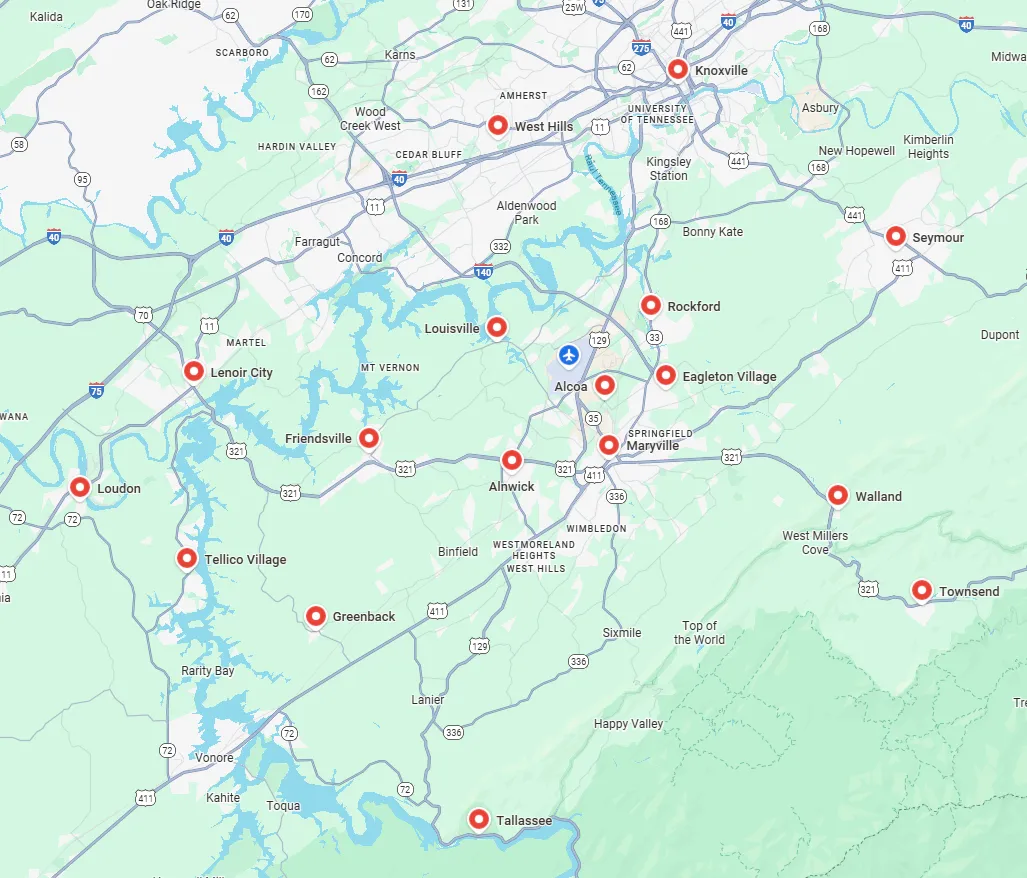


Furnace Repair in Friendsville, TN
When your furnace gives out in Friendsville, TN, you need reliable, expert service to restore warmth quickly and safely. Everest Air Heating and Cooling provides local furnace repair specifically tailored to East Tennessee homes, combining thorough diagnostics, expert repairs, and honest guidance on whether repair or replacement is the best path forward. Whether you're dealing with intermittent heating, strange noises, or a complete system shutdown, our team at Everest Air Heating and Cooling is here to help. We'll walk you through what to expect from professional furnace repair in Friendsville, common causes, our diagnostic process, parts replacement standards, emergency response expectations, and the transparent pricing and recommendation approach you can always rely on.
.jpeg)
Why timely furnace repair matters in Friendsville, TN
Friendsville sits in a region with cold, damp winters and temperature swings during transitional seasons. Older homes in the area can lose heat faster and put extra strain on aging furnaces. A failing furnace not only leaves you uncomfortable but can increase energy costs, create safety hazards, and lead to more costly failures if left unaddressed. Prompt, expert repair:
- Restores reliable heat and consistent indoor comfort
- Improves system efficiency to lower monthly energy use
- Reduces safety risks such as carbon monoxide leaks and electrical faults
- Extends the useful life of your existing furnace when repairable
Everest Air Heating and Cooling focuses on fixing the root cause rather than masking symptoms, helping Friendsville homeowners get dependable heat through the season.
Common furnace problems we repair in Friendsville homes
We regularly diagnose and repair the following issues, which are frequent causes of furnace breakdowns in our region:
- Ignition and pilot problems
- Electronic ignitors that fail to light or cycle repeatedly
- Pilot light issues on older systems
- Faulty flame sensors that shut the system down after ignition
- Blower motor and fan failures
- Blower motors that hum but do not spin
- Worn bearings, faulty capacitors, or seized motors
- Weak airflow caused by blower issues or clogged blower compartments
- Thermostat and control problems
- Thermostat miscalibration or poor wiring connections
- Failed control boards, relays, or limit switches preventing operation
- Communication faults between thermostat and furnace on newer systems
- Airflow and distribution issues
- Dirty filters, blocked returns, or closed vents reducing heat delivery
- Duct leaks or restricted ductwork increasing runtime and reducing comfort
- Electrical and safety device faults
- Fuses, circuit breakers, or loose wiring creating intermittent operation
- Faulty safety switches, high-limit switches, and condensate overflow switches
- Fuel supply and combustion irregularities
- Gas valve issues or interrupted fuel supply
- Incomplete combustion or soot buildup causing inefficiency and safety concerns
Everest Air technicians inspect every suspected component to pinpoint the actual fault rather than guessing, saving time and unnecessary part replacement.
What our diagnostic process looks like
A reliable repair starts with a systematic diagnosis. Our technicians follow a clear checklist to find the underlying cause:
- Arrival assessment and homeowner briefing
- Confirm symptoms and recent events (no heat, short cycling, noises)
- Safety check for gas smell or electrical hazards before any work
- Visual inspection
- Examine furnace cabinet, venting, and visible wiring
- Check for rust, water damage, soot, or obvious mechanical failures
- Electrical and control checks
- Test power at the unit, fuses, and breakers
- Inspect control board for error codes and test relays and transformers
- Ignition and combustion evaluation
- Test ignitor or pilot assembly and flame sensor operation
- Measure combustion behavior on applicable models to detect incomplete combustion
- Airflow and blower testing
- Measure blower motor operation and amperage draw
- Check filter condition, return grills, and supply vents for adequate airflow
- Thermostat and communication testing
- Verify thermostat settings, wiring, and control signals
- Test temperature differential across the system for proper heat delivery
- Operational test and verification
- Run the unit through a controlled cycle to observe startup, run, and shutdown
- Confirm repairs by retesting and documenting the outcome
The result of this process is a clear diagnosis and a repair recommendation that explains the problem, the proposed fix, and the likely outcomes.
Typical furnace repairs explained in plain terms
Below are the common repairs we perform and how they restore reliable heat:
- Ignitor and flame sensor replacement
- Modern furnaces use electronic ignitors instead of pilot lights. When an ignitor cracks or fails, the furnace will not light. Replacing the ignitor or cleaning/replacing a corroded flame sensor restores reliable ignition.
- Blower motor repair or replacement
- If the blower motor hums, runs slowly, or does not start, the motor, capacitor, or bearings may be failing. We diagnose the component and either replace the capacitor, lubricate or rebuild a motor when feasible, or replace the motor if needed.
- Thermostat troubleshooting and upgrade
- Thermostats that are misconfigured or failing cause short cycling or no heat. We verify wiring, recalibrate or replace programmable and smart thermostats, and explain modern thermostat options for better comfort and efficiency.
- Control board and safety switch repair
- Control boards manage furnace operation. If a board or limit switch is faulty, control logic can prevent normal operation. We test and replace only the specific control components that have failed.
- Gas valve and pressure corrections
- Problems with gas valves or line pressure can prevent proper combustion. Technicians check gas supply and shutoff valves, test pressures, and replace failed gas valves when necessary, ensuring safe operation.
- Airflow corrections and filter service
- Restricted airflow reduces heat transfer and causes long runtimes. We replace filters, clear return vents, and recommend duct repairs or sealing to restore proper airflow.
Each repair includes functional testing and safety validation to ensure the furnace is running safely and efficiently before we consider the job complete.
Parts replacement standards and warranties
Everest Air Heating and Cooling uses high-quality replacement parts chosen for reliability and compatibility. Our parts replacement approach includes:
- Prioritizing OEM or OEM-equivalent parts when available for best fit and longevity
- Explaining the benefits and tradeoffs of aftermarket parts when appropriate
- Documenting part warranty coverage and expected service life
- Testing the system after part replacement to ensure the issue is resolved
- Removing and responsibly disposing of old parts and debris
We also track serial numbers and parts installed so you have a clear record for future service or warranty claims. When a repair requires a part with extended lead time, we provide a timeline and keep the homeowner informed.
Emergency furnace repair expectations in Friendsville
When a furnace fails during a cold snap, prompt attention matters. Here is what Friendsville homeowners can expect around emergency repairs:
- Priority scheduling for severe outages and for members of our preventive plans
- Clear arrival windows: technicians provide an estimated time and arrive within a defined window when possible
- On-site triage to determine whether a temporary fix can restore heat until full parts are available
- Safety-first approach: if a gas leak or carbon monoxide risk is suspected, immediate shutdown and ventilation protocols are followed
- Transparent explanation of required repairs and expected timelines for restoring normal operation
While routine service is scheduled during normal business hours, Everest Air offers priority scheduling and emergency response options for urgent heating failures. We balance safety, diagnostics, and speed to get heat back on while protecting occupants and property.
Honest recommendations: repair vs replacement with cost clarity
Deciding between repairing a furnace and replacing it is a common dilemma. Everest Air Heating and Cooling provides candid, evidence-based recommendations that factor in system condition and local needs:
- Repair when:
- The furnace has a specific, repairable fault (ignitor, blower motor, control board) and the repair cost is reasonable relative to the unit age
- The furnace has been well maintained and has remaining useful life
- There is a temporary need to extend the system until replacement can be scheduled
- Replace when:
- The furnace is near or beyond its typical service life and multiple failures are likely
- The heat exchanger shows cracks or significant corrosion, creating safety concerns
- Ongoing repairs would cumulatively exceed the value of a new, more efficient system
We present a transparent cost-benefit comparison: estimated repair cost, projected remaining life after repair, likely future repair needs, efficiencies of newer models, and estimated operating savings. This helps Friendsville homeowners make a confident decision that considers both immediate comfort and long-term value.
Transparent pricing and no hidden costs
Everest Air follows a pricing philosophy designed to build trust:
- Straightforward diagnostic fee and clear explanation of what the fee covers
- Itemized estimates for labor, parts, and any required permits or additional services
- Clear note of any optional work versus required safety or code-related repairs
- No hidden markups on commonly replaced parts or materials
- Written records of recommended work and warranties on repairs
This approach helps homeowners in Friendsville budget properly and understand exactly what they are paying for without unexpected charges.
Preventive maintenance and the Y.E.T.I Comfort Plan
Regular maintenance reduces emergency breakdowns and keeps furnaces operating efficiently. Everest Air offers preventive services and a Y.E.T.I Comfort Plan that includes:
- Fall and spring checkups to prepare your system for seasonal demand
- Priority scheduling for plan members, providing earlier appointments during high-demand periods
- Discounted service fees to lower the cost of repairs when they are needed
- Comprehensive inspection and tuning to catch small issues before they become large problems
For Friendsville homes that experience seasonal temperature swings and occasional cold snaps, an annual Tune-Up helps preserve reliability and improves energy efficiency, especially in older houses where ductwork or insulation can stress the heating system.
Safety considerations every homeowner should know
Safety is a core part of any furnace repair. Technicians check for:
- Carbon monoxide risk: cracked heat exchangers or combustion problems can produce carbon monoxide; we test combustion and ventilation to mitigate this risk
- Gas leaks: obvious odor or suspected leaks prompt immediate gas shutoff and professional remediation
- Electrical hazards: frayed wiring, loose connections, or improper modifications are handled to code
- Proper venting: blocked flues or inadequate ventilation can cause backdrafts and pose risks to occupants
If any safety issue is detected, a responsible technician will clearly explain the concern, the necessary corrective action, and the implications of delaying repair or replacement.
What to expect on the service visit
A professional furnace repair visit typically follows this flow:
- Arrival and introduction, confirming the issue and any tenant notes
- Safety inspection and power/gas cutoff if required
- System diagnostics following the checklist described earlier
- Clear explanation of findings and presentation of repair options
- Completion of agreed repairs and verification testing
- Documentation of service performed, parts installed, and any follow-up recommendations
Technicians maintain a clean work area and secure access panels when the job is finished.
Energy efficiency and long-term performance
Repairing a specific failing component can restore heat, but it is also smart to consider efficiency:
- A new blower motor or clean, sealed ductwork can significantly improve heat delivery and lower runtime
- Replacing a failing furnace with a modern high-efficiency model will reduce operating costs and provide more consistent comfort
- Thermostat upgrades and zoning improvements can optimize system performance for multi-level and older Friendsville homes
We provide realistic estimates of efficiency improvements and payback when evaluating replacement options versus repair.
Local knowledge that matters in Friendsville, TN
Everest Air Heating and Cooling understands local factors that influence furnace performance in Friendsville:
- Cold, damp winters and periodic temperature swings increase heating demand and corrosion risk
- Older historic homes may have outdated ductwork or limited insulation, affecting system capacity
- Mountain valley microclimates can lead to rapid drops in temperature overnight, making reliable heating essential
This local perspective helps ensure that repair recommendations are appropriate for your home and climate conditions rather than generic fixes.
Signs your furnace needs professional attention now
If you notice any of these symptoms, schedule a professional diagnosis:
- No heat or intermittent heating
- Furnace short cycling (turns on and off frequently)
- Unusual noises: grinding, rattling, or loud hums
- Uneven temperatures between rooms
- Unusually high energy bills without a change in use
- Yellow or flickering flames, or visible soot around the furnace
- A lingering gas smell or carbon monoxide alarm activation
These signs range from minor faults to safety hazards. Professional assessment is the best way to determine severity and necessary action.
Documentation and post-repair support
After completing repairs, Everest Air provides documentation that includes:
- What was diagnosed and the root cause identified
- Parts replaced with model and serial numbers where applicable
- Safety tests performed and their results
- Warranty information for parts and labor
- Recommendations for future maintenance or improvements
Clear records help homeowners track system history and support decisions about future repairs or replacement.
FAQs
Q: How long will a typical furnace repair take?
A: Most common repairs such as ignitor replacement, blower capacitor swap, or thermostat fixes can be completed within 1 to 3 hours, depending on parts availability and system complexity. More involved repairs or parts that need ordering can extend the timeline.
Q: Will repairs be safe for my family and pets?
A: Safety is a top priority. Technicians perform combustion and carbon monoxide checks, inspect gas connections and electrical wiring, and follow safety shutdown procedures if hazardous conditions are found. Any immediate risks are addressed before leaving the site.
Q: Can older furnaces be repaired, or are replacements usually recommended?
A: Many older furnaces can be repaired if the issue is isolated and the heat exchanger and major components are in good condition. However, when multiple components fail or the system is beyond its expected service life, replacement can be the more economical and safer long-term choice. We provide an objective comparison to help you decide.
Q: Do you use original manufacturer parts?
A: Whenever possible we use OEM or OEM-equivalent parts to ensure compatibility and longevity. If an aftermarket part is recommended, we will explain the reasons and the expected performance and warranty differences.
Q: What should I check before calling for furnace repair?
A: Check that the thermostat is set properly and that circuit breakers are on. Replace dirty filters and ensure supply vents are open. If you smell gas, leave the home immediately and follow local safety protocols.
Q: Are emergency repairs available on weekends or holidays?
A: Everest Air offers priority scheduling and emergency response options. Availability may vary based on time and demand; members of preventive plans often receive faster service. Expected arrival windows and on-site triage are provided for urgent situations.
Q: How does preventive maintenance reduce repair costs?
A: Annual Tune-Ups catch worn components and small issues before they fail, keep burners clean for efficient combustion, and ensure controls operate correctly. This reduces the risk of emergency failures, improves efficiency, and prolongs system life.
Q: What information should I have ready for the technician?
A: Know the unit brand and approximate age if available, the specific symptoms, any recent unusual events (power outages, storms), and whether the home has had regular maintenance. This helps speed up diagnosis.
Everest Air Heating and Cooling brings professional furnace repair experience, local Friendsville knowledge, and a commitment to honest recommendations and transparent pricing. Our goal is to restore safe, efficient heat to your home with clear communication and lasting results.
hear what our satisfied clients have to say

David P.
Service areas