

Furnace Maintenance in Maryville, TN
To keep your furnace running reliably all through those Maryville winters, routine maintenance is key. Everest Air Heating and Cooling is here with professional furnace maintenance services specifically designed to protect your home, help you reduce those energy bills, and prevent frustrating emergency breakdowns. Let's explore what a comprehensive furnace Tune-Up entails, common furnace issues we encounter in Maryville homes, our step-by-step inspection and service process, and the incredible long-term benefits of preventive care, especially when you enroll in a solid maintenance plan like our Y.E.T.I Comfort Plan.

Why Furnace Maintenance Matters in Maryville
Maryville, TN experiences cold snaps in winter, with temperatures that can drop quickly overnight. Many homes rely on gas or electric furnaces as the primary heat source. Furnaces that have not been maintained can lose efficiency, increase fuel or electricity use, produce unsafe combustion byproducts, or fail during the coldest days. In addition, East Tennessee humidity shifts and seasonal pollen and dust can affect ductwork and filters, further stressing heating systems. Routine furnace maintenance reduces the risk of mid-winter failures, protects indoor air quality, and helps keep your heating system operating at peak performance.
Common Furnace Problems in Maryville Homes
Understanding typical failure modes helps homeowners anticipate and avoid them. The most common issues we see in Maryville include:
- Dirty or clogged air filters restricting airflow, causing overheating and cycling.
- Pilot or ignition problems on older gas furnaces leading to intermittent heating or no heat.
- Soiled burners and heat exchangers reducing combustion efficiency and increasing fuel usage.
- Malfunctioning thermostats or poor thermostat calibration causing uneven comfort and short cycling.
- Blower motor wear, belts slipping, or dirty blower wheels reducing airflow and efficiency.
- Cracked heat exchangers or combustion leaks posing safety risks in gas furnaces.
- Duct leaks and insulation gaps that allow heat loss and reduce system efficiency.
- Ignored or failing safety controls that can lead to shutdowns or hazardous conditions.
What a Professional Furnace Maintenance Visit Includes
A proper furnace maintenance visit is more than replacing a filter. Everest Air Heating and Cooling follows a systematic process to inspect, clean, test, and tune your furnace. Typical service items include:
Inspection and visual checks
- Evaluate overall system condition, age, and visible wear.
- Inspect cabinet, panels, and access doors for secure fit and corrosion.
- Check ductwork for obvious disconnections or severe leaks near the unit.
Air filter replacement and assessment
- Replace disposable filters with the correct size and MERV rating for your home.
- Advise on filter type and a replacement schedule based on home occupancy, pets, and local pollen/dust loads.
- For reusable filters, perform cleaning and proper reinstallation.
Cleaning burners and combustion components
- Clean burner assembly faces and ignition components to ensure even flame and efficient combustion.
- Remove carbon buildup and debris that reduce heat output.
- Inspect and clean the condensate drain (on high efficiency furnaces) to prevent blockages and corrosion.
Heat exchanger inspection and cleaning
- Visually inspect the heat exchanger for cracks, corrosion, or deformation.
- Clean accessible surfaces to improve heat transfer efficiency where safe and practical.
- For any suspected damage, recommend further testing or replacement before continued use.
Safety checks for gas furnaces
- Confirm proper gas line connections and check for signs of leaks or corrosion.
- Verify correct burner flame color and stability to detect combustion issues.
- Test safety controls including limit switches, rollout switches, and gas valve operation.
- Inspect venting systems and chimneys to ensure proper draft and unobstructed flue paths.
Electrical and blower system checks
- Test and tighten electrical connections and ensure the system is grounded properly.
- Lubricate motors and bearings where manufacturer guidelines allow.
- Inspect blower wheel and motor operation, measure airflow or static pressure where needed.
- Check capacitors and relays for signs of wear or imminent failure.
Thermostat calibration and control verification
- Test thermostat accuracy and recalibrate where needed so set temperatures match actual room temperatures.
- Verify proper cycle times and temperature differentials to avoid short cycling.
- Evaluate thermostat placement in the home and note if repositioning could improve comfort.
Efficiency tuning and combustion testing
- Adjust gas pressure and burner settings for optimal combustion and efficiency where applicable.
- For systems equipped with combustion analyzers, measure carbon monoxide and combustion efficiency readings and document results.
- Recommend adjustments that improve fuel use and reduce emissions while maintaining safe operation.
System performance and operational tests
- Run the system through a full heating cycle to confirm consistent operation from start to stop.
- Check startup sequences, system responsiveness, and noise/vibration issues.
- Record baseline performance details and provide maintenance notes for future visits.
Why Each Step Matters
- Filter replacement preserves airflow, reduces motor strain, and improves indoor air quality.
- Burner and heat exchanger cleaning restore efficient heat transfer and fuel use.
- Safety checks prevent dangerous leaks and detect early signs of heat exchanger failure.
- Thermostat calibration ensures comfort and reduces unnecessary runtime.
- Blower and electrical maintenance prevent premature component failures and noisy operation.
How Furnace Maintenance Extends Equipment Life
Regular maintenance reduces mechanical stress and prevents common wear patterns. When dust and debris are removed from burners and blower assemblies, components run cooler and more smoothly. Electrical connections that are tightened and inspected reduce the risk of shorts and motor burnout. Catching small issues like a weakened capacitor or a sticking relay during a Tune-Up prevents them from cascading into major failures. Over time, this targeted preventive care improves reliability and can add years to the life of a furnace.
Energy Savings and Efficiency Benefits
A well-tuned furnace operates closer to its rated efficiency. Typical efficiency improvements from annual maintenance include:
- Reduced fuel consumption due to optimized combustion and clean heat exchangers.
- Lower electricity use when blower motors run efficiently and on correct settings.
- Shorter run times because properly functioning components deliver heat more effectively.
- In Maryville, where winter heating demand can be highly variable, these efficiency gains are meaningful on monthly utility bills and over the life of the system.
Safety and Indoor Air Quality
Gas furnace safety is a primary focus. Routine inspections help detect combustion issues that can create unsafe conditions, such as incomplete combustion or carbon monoxide production. Cleaning and filter changes also reduce the amount of dust, pollen, and particulate matter circulated through a home. For homeowners with allergies or respiratory concerns, scheduled furnace maintenance contributes to healthier indoor air.
Maintenance for Different Furnace Types
- Gas Furnaces: Emphasize combustion safety checks, burner cleaning, vent and flue inspections, heat exchanger assessment, and gas valve performance.
- Electric Furnaces: Focus on electrical connections, heating element inspection, blower motor checks, and control sequencing.
- High Efficiency Condensing Furnaces: Include condensate trap and drain cleaning, secondary heat exchanger inspection, and flue gas pressure monitoring.
- Each system type has unique components and maintenance needs. Everest Air Heating and Cooling technicians are trained on major brands and models commonly found in Maryville homes.
How Often Should Furnace Maintenance Be Performed
For most residential systems, a comprehensive Tune-Up once per year is recommended, typically in the fall before the heating season. Homes with heavy usage, pets, smokers, or high dust loads may benefit from biannual checks or more frequent filter changes. Annual maintenance aligns with manufacturer warranty requirements for many systems, ensuring coverage remains valid.
The Everest Air Maintenance Process: What to Expect
When Everest Air Heating and Cooling performs furnace maintenance, our technicians follow a consistent checklist to ensure thoroughness and transparency. While this content does not include scheduling directions, the typical on-site process includes:
- Arrival in uniform with the tools and diagnostic equipment needed for a full inspection.
- Walk-through to document symptoms or concerns you have noticed, such as uneven heating or strange noises.
- Visual inspection followed by filter replacement and cleaning tasks.
- Detailed testing of combustion, safety devices, and electrical systems.
- Calibration of thermostat and system controls.
- Written summary of work performed and observations, including any recommended repairs or system improvements for future consideration.
- This structured approach helps homeowners understand the condition of their system and keeps maintenance records that support warranty claims and long-term planning.
Maintenance Plans and Priority Benefits in Maryville
Enrollment in a preventive maintenance plan offers benefits beyond a single Tune-Up. The Y.E.T.I Comfort Plan, offered by Everest Air Heating and Cooling, is designed to deliver consistent preventive care with perks that suit Maryville homeowners:
- Fall and Spring Checkups: Seasonal inspections ensure systems are ready for both heating and cooling demands, addressing combustion and cooling components as needed.
- Priority Scheduling: Members receive elevated scheduling priority during peak weather events and early appointment windows to minimize wait times.
- Discounted Service: Participating homeowners receive discounts on diagnostic fees and repair labor, helping control the cost of unexpected repairs.
- Documentation and Records: Maintenance histories are maintained to support warranty compliance and provide transparency for equipment performance over time.
- Peace of Mind: Regular service reduces the likelihood of emergency breakdowns and builds a long-term relationship with a trusted local provider.
Local Factors That Influence Furnace Care in Maryville
Maryville has specific environmental and housing factors that influence furnace maintenance needs:
- Humidity and Seasonal Changes: Humidity variations influence duct performance and can encourage corrosion in poorly sealed components. Seasonal checks address condensate and corrosion risks.
- Pollen and Outdoor Allergens: Spring and early summer pollen increase the need for timely filter changes to protect indoor air and prevent system clogging.
- Older Homes and Ductwork: Many Maryville homes have older duct systems or limited access in crawlspaces. Technicians inspect duct collars, connections, and insulation to reduce heat loss and dust infiltration.
- Wood-burning and Fireplace Use: Homes that use fireplaces or wood stoves may have higher particulate loads, increasing the demand for filter changes and blower cleaning.
- Understanding these local conditions helps tailor maintenance recommendations that align with real-world usage and environmental loads.
When Maintenance Reveals Repairs or Replacements
A maintenance visit may uncover items that require repair or replacement. Common follow-up items include:
- Replacing a failing blower motor, capacitor, or belt.
- Repairing or replacing the thermostat or zone controls.
- Cleaning and sealing ductwork or repairing disconnected ducts beneath the house.
- Replacing a cracked heat exchanger or addressing venting problems in gas furnaces.
- Upgrading an aging system that repeatedly needs repairs and operates inefficiently.
- Maintenance helps prioritize these needs so homeowners can make informed decisions based on safety, efficiency, and budget considerations.
Simple Maintenance Tips Homeowners Can Do Between Visits
While professional Tune-Ups are essential, homeowners can follow simple practices between visits to keep furnaces in good shape:
- Change disposable filters every 1 to 3 months depending on use, pets, and indoor air conditions.
- Keep the area around the furnace clear of storage, debris, and flammable materials for safe airflow and access.
- Check the thermostat settings seasonally and replace batteries in battery-powered thermostats annually.
- Note unusual sounds, odors, or cycling patterns and record when they occur to provide useful details to technicians.
- Keep vents and returns unobstructed by furniture or rugs to maintain proper airflow.
How Maintenance Supports Home Value and System Longevity
Well-documented maintenance not only reduces operating costs but also protects the home investment. Prospective buyers often look for service records that indicate equipment has been cared for and is less likely to present hidden problems. For homeowners planning to sell or refinance, regular furnace maintenance is a meaningful way to maximize resale value and demonstrate responsible system stewardship.
Why Choose a Local Maryville Provider for Furnace Maintenance
Local knowledge matters. Everest Air Heating and Cooling is familiar with Maryville weather patterns, common home construction in the region, and the brands most commonly installed locally. This local expertise allows technicians to tailor maintenance to the specific demands of East Tennessee homes, from managing humidity effects to addressing ductwork challenges in crawlspace environments.
Documentation and Warranty Considerations
Many furnace manufacturers require annual maintenance by a qualified technician to keep warranties valid. A professional maintenance visit provides written documentation of service, which can be necessary if a major component fails under warranty. Maintenance logs also help track the lifecycle of parts and support planning for system upgrades or replacements on a predictable timeline.
FAQs
Q: How often should I have furnace maintenance in Maryville, TN?
A: Annual maintenance in the fall is recommended for most homes. Homes with heavy usage, pets, or higher dust and pollen levels may benefit from more frequent filter changes and semiannual checks.
Q: What is included in a furnace Tune-Up?
A: A comprehensive Tune-Up includes filter replacement, burner and heat exchanger cleaning, safety checks for gas furnaces, electrical and blower inspections, thermostat calibration, combustion or efficiency testing where appropriate, and a full operational test.
Q: Will regular maintenance reduce my heating bills?
A: Yes. Proper maintenance improves combustion efficiency, restores heat transfer effectiveness, and reduces blower and motor strain. These improvements typically lower fuel and electricity use compared to neglected systems.
Q: Are safety checks necessary for gas furnaces?
A: Absolutely. Safety checks are essential. They include inspecting burners, verifying flame quality, testing safety controls, and checking venting to prevent unsafe combustion conditions and potential carbon monoxide exposure.
Q: How often should I change my furnace filter?
A: Disposable filters are often changed every 1 to 3 months depending on filter rating, household occupancy, pets, and indoor air conditions. Higher MERV filters may require more frequent replacement to avoid airflow restriction.
Q: What are the signs my furnace needs maintenance or repair?
A: Common signs include uneven heating, frequent short cycling, unusual noises, sudden increases in energy bills, visible rust or corrosion, persistent odors, or the system failing to start. These indicators warrant inspection.
Q: Does maintenance affect my warranty?
A: Many manufacturers require documented routine maintenance to keep warranties valid. Keeping service records from qualified technicians supports warranty claims and proves the system was properly cared for.
Q: What are the benefits of joining a maintenance plan like the Y.E.T.I Comfort Plan?
A: Membership typically includes scheduled seasonal checkups, priority service during peak times, discounted service and parts, and regular documentation of maintenance activities to help with warranty and long-term planning.
Q: Can maintenance prevent emergency breakdowns in winter?
A: Regular maintenance identifies and corrects many of the issues that lead to winter breakdowns, such as worn components, airflow restrictions, and combustion problems. While no maintenance can guarantee zero failures, it significantly reduces the risk.
Q: Should I be concerned about carbon monoxide with my furnace?
A: Carbon monoxide can be a risk if combustion systems are not operating properly. Safety checks, proper venting inspection, and keeping heat exchangers in good condition are critical. Homes should also have functioning carbon monoxide detectors.
Q: What should I do if my furnace makes a new noise after maintenance?
A: Note the type of noise and when it occurs, then consult your maintenance provider. Some noises may be new sounds as components are cleaned or adjusted, but persistent or worsening noises should be inspected to avoid further damage.
Q: How does Maryville climate affect furnace maintenance needs?
A: Maryville experiences variable humidity, seasonal pollen, and rapid temperature changes. These factors can increase filter load, influence ductwork moisture, and place additional cycling demands on furnaces, making timely maintenance more important.
Q: Can maintenance improve indoor air quality?
A: Yes. Replacing filters, cleaning blower components, and ensuring proper airflow reduces dust, pollen, and particulate circulation, improving indoor air quality for occupants with allergies or respiratory concerns.
hear what our satisfied clients have to say

David P.
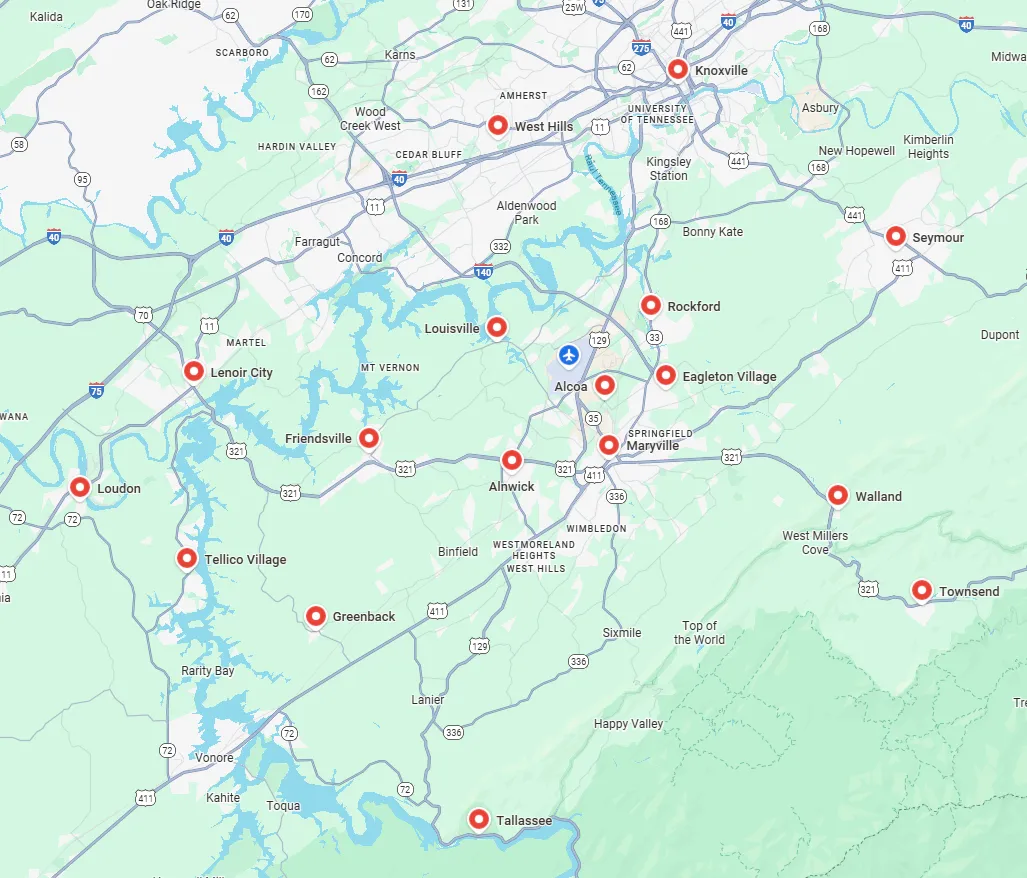
Service areas