

Furnace Maintenance in Knoxville, TN
To make it through those Knoxville winters reliably, a proactive, professional maintenance routine for your furnace is key. At Everest Air Heating and Cooling, our furnace maintenance service is all about protecting your comfort, extending your system's lifespan, cutting down on energy use, and significantly minimizing safety risks like carbon monoxide and heat exchanger failure. Whether you call an older bungalow near downtown Knoxville home or reside in a newer build in the foothills, regular upkeep with Everest Air Heating and Cooling isn't just about preventing costly emergency repairs – it ensures your system performs perfectly when you need it most.

Why furnace maintenance matters in Knoxville, TN
Knoxville sits in a humid subtropical climate that brings warm, muggy summers and cool winters with occasional freezing nights. That local environment influences how furnaces age and perform:
- High humidity and summer pollen can leave contaminant buildup in ducts and burners which worsens corrosion and clogging during winter startup.
- Many Knoxville homes have mixed heating sources such as fireplaces or space heaters; improper use or chimney draft changes can affect furnace venting and safety.
- Older homes with tight crawlspaces or loft conversions can develop restricted airflow, adding strain to the blower and heat exchanger.
- Seasonal temperature swings mean extended start-stop cycles in spring and fall, increasing wear if systems are not inspected before full heating season.
Routine furnace maintenance tailored for Knoxville homes reduces these regional risks, improves indoor air quality, and delivers consistent heat on chilly nights.
Common furnace problems Knoxville homeowners face
- Dirty or clogged filters restricting airflow and causing system short cycling.
- Soot or debris buildup on burners reducing combustion efficiency and increasing fuel use.
- Cracked or corroded heat exchangers that create serious carbon monoxide risk.
- Faulty ignition systems or pilot assemblies that lead to no heat or intermittent operation.
- Worn blower motors, belts, or bearings causing noisy operation and reduced air delivery.
- Blocked flues or venting problems from nearby vegetation, wildlife, or seasonal debris.
- Thermostat calibration drift producing uneven temperatures and wasted energy.
- Duct leaks and poor insulation increasing heat loss and operating costs.
Identifying these issues during scheduled maintenance prevents small problems from becoming system failures when temperatures drop.
What a professional furnace maintenance visit includes
A complete, professional maintenance service should be thorough, methodical, and safety-focused. Everest Air Heating and Cooling structures furnace Tune-Ups around a comprehensive checklist so nothing is overlooked:
Initial inspection and pre-checks
- Confirm homeowner concerns and recent system behavior.
- Verify system model, age, and maintenance history.
- Turn off power and gas at the service valves for safe inspection.
Combustion and burner service
- Inspect and clean burners to restore proper flame pattern.
- Check ignition and safety controls for reliable starts.
- Visually inspect flame color and stability to confirm efficient combustion.
Heat exchanger and safety inspection
- Perform a careful visual inspection of the heat exchanger for cracks, corrosion, or gaps.
- Check for signs of soot, stress fractures, or metal fatigue.
- Conduct combustion safety tests to detect spillage or flue problems that could cause carbon monoxide risk.
Airflow and blower system checks
- Clean or vacuum blower assembly and housing.
- Inspect and lubricate motor bearings and moving parts as applicable.
- Verify proper blower speed and measure static pressure when needed.
Filter replacement and indoor air quality
- Replace disposable filters or evaluate reusable filters for cleaning.
- Recommend filter types and MERV ratings based on air quality needs and system design.
- Inspect air returns, grills, and visible duct connections for dust and blockage.
Thermostat and control verification
- Calibrate the thermostat and verify correct setpoints.
- Test safety switches and controls including limit switches and pressure switches.
- Confirm proper sequence of operation and control response.
Venting and flue evaluation
- Inspect flue piping, chimney connection, and vent terminations.
- Check for corrosion, obstructions, or animal nests.
- Measure draft and ensure positive, safe exhaust flow.
Efficiency and performance checks
- Evaluate system run cycles for short cycling or long runtimes.
- Test temperature rise across the furnace to confirm heating capacity.
- Provide recommendations for improving efficiency, such as sealing ductwork or adding insulation.
Final walkthrough and service report
- Present a clear, itemized report of findings and recommended repairs.
- Explain any safety concerns or items that need monitoring.
- Document maintenance completed and the date for future scheduling.
This methodical approach keeps safety and efficiency front and center and gives homeowners clear insight into system health.
How we clean burners and heat exchangers (simple explanation)
Cleaning burners ensures they produce a strong, even flame which is key for efficient combustion. Technicians remove burner assemblies when accessible, use appropriate brushes and vacuums to remove soot and debris, and inspect or replace ignition components. Heat exchanger cleaning focuses on removing debris from the combustion chamber and adjacent surfaces and inspecting for cracks. Technicians do not cut or weld heat exchangers in the field; any sign of cracking or failure leads to a documented safety recommendation and next-step options.
Filter replacement: what Knoxville homeowners should know
Filters are your furnace’s first line of defense. In Knoxville, pollen season and summer humidity can load filters quickly. Key guidance:
- Replace standard pleated disposable filters every 1 to 3 months depending on household conditions.
- High-efficiency or electrostatic filters may last longer but need monitoring for pressure drop.
- Higher MERV ratings capture more particulates but can restrict airflow in systems not designed for them; a technician will advise the correct balance.
- Homes with pets, smokers, or allergy sufferers typically benefit from more frequent filter changes.
Safety checks you should expect
Safety is the priority during any furnace maintenance visit. Technicians perform:
- Carbon monoxide screening and flue spillage tests.
- Visual heat exchanger inspection and documentation of any concerning findings.
- Gas line leak tests and verification of correct gas pressure where applicable.
- Confirmation of proper combustion venting and mechanical safety interlocks.
Addressing safety issues early avoids dangerous situations and often prevents expensive emergency repairs.
Typical maintenance schedule and frequency
For most central furnaces, the recommended schedule is:
- Annual professional Tune-Up in the fall before the main heating season.
- A midseason check if the system is older than 10 years or shows intermittent issues.
- Filter checks every 1 to 3 months by the homeowner or service provider.
- Immediate inspection if you detect unusual smells, noises, increased bills, or a change in system behavior.
Everest Air Heating and Cooling structures visits with a checklist approach so annual inspections are consistent and comprehensive.
Benefits of regular furnace Tune-Ups
- Improved energy efficiency and lower monthly utility bills through cleaner combustion and optimized operation.
- Extended equipment life by preventing stress on motors, bearings, and heat exchangers.
- Fewer emergency breakdowns during peak cold periods.
- Better indoor air quality through proper filter management and reduced dust circulation.
- Validated warranty compliance for many manufacturers that require routine professional maintenance.
- Early detection of safety issues, including combustion problems and carbon monoxide risk.
Regular maintenance is an investment that pays back in comfort, reliability, and lower long-term ownership costs.
Y.E.T.I Comfort Plan: enrollment details and member benefits
Everest Air Heating and Cooling offers the Y.E.T.I Comfort Plan to help homeowners in Knoxville stay ahead of HVAC needs with predictable maintenance and priority service. The plan is structured around preventive care and member-focused benefits:
- Scheduled Fall and Spring checkups to prepare heating and cooling systems before heavy use. These seasonal inspections are designed to find and fix issues before they become disruptive.
- Priority scheduling that allows members access to earlier appointment windows, including start times as early as 7 AM on service days.
- Discounted emergency service rates: Y.E.T.I Comfort Plan members receive a discounted rate on applicable service calls and repair parts.
- A documented maintenance history so technicians can track trends and catch recurring problems early.
- Peace of mind from working with a local, family-run team familiar with Knoxville home characteristics.
Enrollment typically establishes an annual maintenance cadence and provides members with a consistent, documented approach to HVAC health. The plan is particularly valuable for Knoxville homeowners who want fewer surprises and quicker response during weather events or peak season demand.
What to expect after maintenance: documentation and follow-up
After each service visit, homeowners can expect:
- A clear service report highlighting work completed, test results, and any recommended follow-up.
- Photographic or written documentation of any safety concerns such as heat exchanger issues.
- A recommended timeline for the next maintenance visit and suggestions for homeowner actions like filter changes or thermostat adjustments.
- For Y.E.T.I Comfort Plan members, scheduling windows and confirmation of priority service status for future needs.
Good documentation helps homeowners make informed decisions and provides proof of maintenance for warranties or future buyers.
Troubleshooting and common quick fixes you can check safely
Before you call for a professional visit, you can safely check a few items that often solve simple operational problems:
- Ensure thermostat is set to heat and programmed correctly; replace batteries if the display is dim.
- Check filter access doors are closed and filters are seated correctly; a missing filter can cause airflow problems.
- Confirm circuit breaker for the furnace is on and the switch at the furnace power supply is enabled.
- Inspect visible vents and registers to ensure they are open and not blocked by furniture or curtains.
Do not attempt to open the combustion chamber, test gas lines, or tamper with the heat exchanger. Those tasks require trained, licensed technicians.
Longer-term considerations for Knoxville homes
- Duct sealing and insulation: many Tennessee homes benefit from duct evaluation, especially in crawlspaces or attics. Proper sealing reduces heat loss and improves comfort.
- Zoning and thermostat upgrades: older single-zone systems may struggle to maintain consistent temperatures across multi-level or renovated homes. Zoning can improve comfort and efficiency.
- Carbon monoxide detection: because of varied venting configurations and fireplace usage in the area, a working carbon monoxide detector outside sleeping areas is a critical safety layer.
- Replacement timing: if your furnace is over 15 years old and repairs are frequent, consider equipment replacement options tailored for Knoxville climate and home layout.
Technicians provide objective guidance based on inspection results and system age.
Why choose an experienced local team
A locally based, family-run team like Everest Air Heating and Cooling brings benefits specific to Knoxville residents:
- Familiarity with local building types, common duct runs, and regional weather impacts.
- Awareness of seasonal patterns that affect system performance such as pollen, humidity, and temperature swings.
- Community-focused service and continuity of technicians who track your system over time.
- Practical recommendations that align with local fuel availability, home construction standards, and climate.
Local experience helps technicians diagnose recurring issues faster and propose solutions that fit Knoxville lifestyles.
Frequently asked questions
Q: How often should I have my furnace serviced?
A: Annual professional maintenance in the fall is recommended for most homes, with filter checks every 1 to 3 months. Homes with heavy use, pets, or older equipment may benefit from more frequent inspections.
Q: What are the signs my furnace needs immediate attention?
A: Unusual odors, repeated cycling on and off, unexplained spikes in utility bills, visible rust or soot around the furnace, noisy operation, or a malfunctioning carbon monoxide detector are all reasons to schedule an inspection promptly.
Q: Will regular maintenance reduce my heating bills?
A: Yes. A well-tuned furnace runs more efficiently, burns fuel more cleanly, and loses less heat, which generally results in lower utility bills compared to an unmaintained system.
Q: How long does a typical maintenance visit take?
A: Most routine maintenance visits take between 60 and 90 minutes depending on the type of furnace, accessibility, and any additional diagnostics needed.
Q: Can maintenance prevent heat exchanger failure?
A: Maintenance cannot guarantee prevention, but regular inspections increase the chance of early detection of cracks, corrosion, or stress before they become hazardous.
Q: What filter should I use for best indoor air quality?
A: The best filter balances particle capture and airflow. For many systems, a pleated filter with a MERV rating appropriate for the system and household needs offers the best compromise. A technician can advise on compatibility with your furnace and indoor air quality goals.
Q: What does the Y.E.T.I Comfort Plan include?
A: The plan includes fall and spring checkups, priority scheduling (including early morning appointment windows), discounted service call rates, and documented maintenance history. It is structured to provide preventive care and faster service response for enrolled members.
Q: Is maintenance required to keep my warranty valid?
A: Many manufacturers require proof of routine professional maintenance to maintain certain warranty protections. Keep maintenance records as documentation of compliance.
Q: How do you test for carbon monoxide risk during maintenance?
A: Technicians perform combustion efficiency checks, inspect the heat exchanger visually, run flue spillage tests, and use calibrated CO detectors to monitor for abnormal readings. Any concerning result is documented and explained.
Q: What if you find a cracked heat exchanger?
A: A cracked heat exchanger is treated as a safety issue. The technician will document the finding, explain the risks, and recommend repair options which may include replacement of the furnace depending on age and condition.
Everest Air Heating and Cooling understands the local nuances of furnace care in Knoxville and structures maintenance to preserve comfort, safety, and efficiency. Routine, professional upkeep is the best way to avoid cold-weather surprises and keep your home warm and reliable when you need it most.
hear what our satisfied clients have to say

David P.
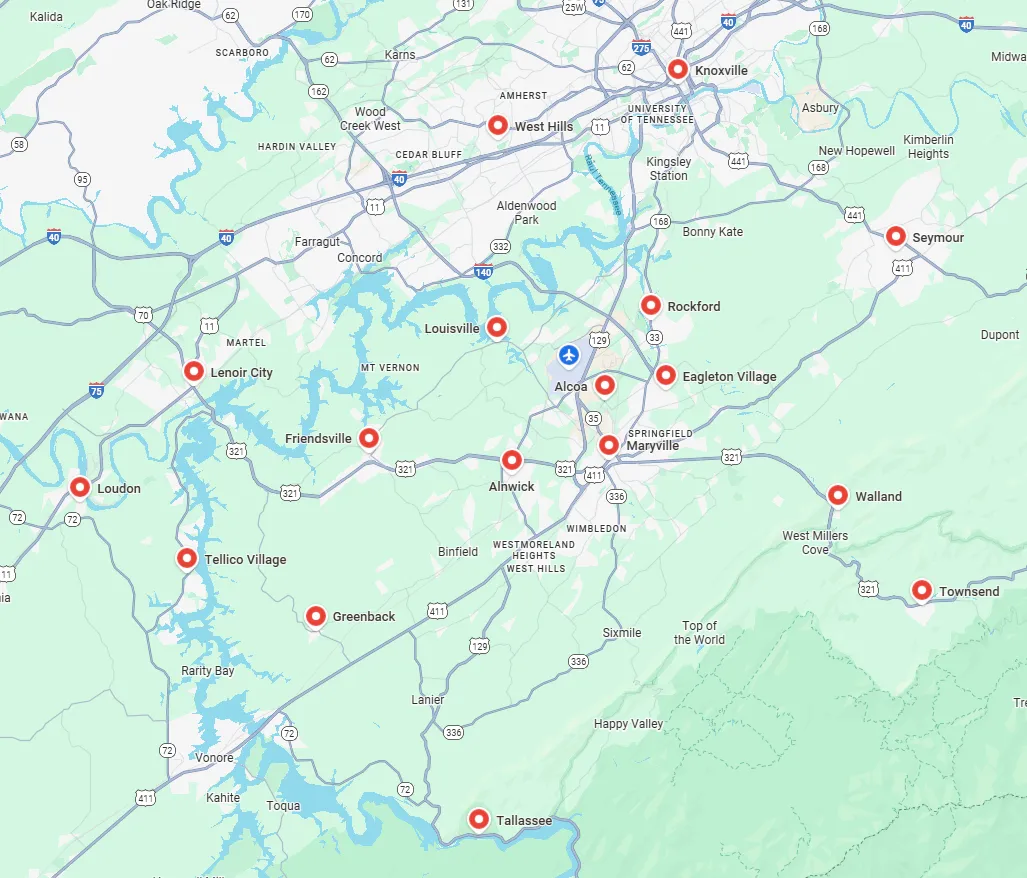
Service areas