

Furnace Installation in Seymour, TN
When it comes to your home's comfort and safety, replacing or installing a new furnace is genuinely one of the most crucial decisions you'll make. Here in Seymour, TN, where winter can bring those chilly 20-degree nights and the humidity really strains HVAC systems, a proper furnace installation means dependable warmth, better energy efficiency, and savings on your bills for years ahead. At Everest Air Heating and Cooling, we believe in a clear, straightforward furnace installation process. We focus on getting the sizing just right, ensuring our workmanship meets every code, and guaranteeing long-term reliability so your Seymour home stays perfectly warm, safe, and efficient, thanks to Everest Air Heating and Cooling.
-min.jpeg)
Why a professional furnace installation matters in Seymour, TN
Many homes in Seymour are older or have mixed construction types, including crawlspaces and legacy duct runs. These characteristics make proper assessment and installation essential. A professional installation addresses:
- Safety: Proper gas line sizing, venting, and combustion air prevent carbon monoxide and fire hazards.
- Efficiency: Correctly sized, high-efficiency furnaces save fuel and reduce monthly bills in both cold snaps and long heating seasons.
- Comfort: A correctly installed system delivers even temperatures and reduces cold spots common in homes with aging ductwork.
- Longevity: Attention to clearances, electrical connections, and condensate management reduces premature component failure.
Everest Air Heating and Cooling combines local knowledge of Seymour building styles, climate impacts, and county permitting with industry best practices to deliver installations that meet expectations for comfort, efficiency, and safety.
Common furnace installation types and reasons homeowners choose replacement
Homeowners in Seymour typically need a new furnace for one of these scenarios:
- Full system replacement: Old or failing furnace is replaced with a new, higher-efficiency unit.
- Furnace only replacement: Existing ductwork and indoor coil remain; furnace is upgraded to a more efficient model.
- New construction or addition: Installing a furnace for the first time in a new home or finished basement.
- Change of fuel type: Switching from electric to gas or vice versa, or upgrading from atmospheric vent to high-efficiency condensing furnace.
- Conversion to multi-stage or modulating systems: Homeowners looking for better temperature control and efficiency choose two-stage or modulating furnaces.
Each scenario requires tailored planning, especially in Seymour where winter performance and local energy costs influence equipment selection.
Initial home assessment and load calculation
A reliable installation starts with a thorough on-site assessment and accurate load calculation, not just relying on the old furnace size. Everest Air technicians perform:
- Manual J load calculation: Measures heating needs by analyzing square footage, ceiling height, insulation values, window sizes and orientation, air infiltration, and local design temperature for Seymour.
- Duct evaluation: Visual inspection and leak detection on supply and return ducts; measurement of grille and diffuser sizing to determine airflow capacity.
- Combustion air and venting review: Determines if the home has adequate combustion air and whether venting must be upgraded (B-vent, direct vent, or PVC for condensing units).
- Electrical service check: Confirms the circuit, disconnect, and voltage meet the new furnace requirements.
- Gas line analysis: Verifies pipe sizing and pressure for natural gas furnaces; includes evaluation of regulator condition.
These steps ensure the proposed furnace is sized and specified for optimal performance. Oversized furnaces short-cycle and reduce comfort; undersized units struggle during peak cold.
Choosing the right energy-efficient furnace model and compatible thermostat
Selecting the right furnace in Seymour balances efficiency, comfort, and budget. Key factors to consider:
- Fuel type: Natural gas is common and cost-effective in the region; electric furnaces are simpler but more expensive to operate in many cases.
- Efficiency rating: AFUE (Annual Fuel Utilization Efficiency) indicates how much fuel becomes usable heat. In Seymour, upgrading from a 70-80% AFUE unit to a 95%+ condensing furnace typically produces noticeable savings.
- Stages of heat: Single-stage furnaces run at full capacity and are simpler. Two-stage and modulating furnaces adjust output to match demand, improving comfort and reducing cycles.
- Variable-speed blower motors: Provide better airflow control, lower energy use, and quieter operation.
- Size and capacity: Based on Manual J, not just matching the old unit.
Thermostat compatibility matters. Consider:
- Programmable thermostats: Provide schedule-based energy savings and are a baseline improvement.
- Smart Wi-Fi thermostats: Offer remote control, learning features, and energy reports.
- Communicating thermostats: Required for some modulating systems and provide system diagnostics and tighter integration.
Everest Air Heating and Cooling guides Seymour homeowners through equipment selection with an eye to long-term operating costs, expected payback, and local performance in Appalachian valley winters.
Permits, inspections, and code compliance in Seymour
Most furnace installations require local permits and inspections to ensure work meets building and safety codes. In Seymour, permitting is handled by county building departments (Blount and Sevier) or municipal authorities depending on property boundaries. Typical requirements include:
- Mechanical permit for furnace installation
- Gas piping permit if new or modified gas lines are installed
- Electrical permit for new circuits or disconnects
- Inspection of venting, gas connections, combustion air, and final startup
Everest Air Heating and Cooling prepares permit paperwork and schedules inspections so installations meet county requirements. Proper permitting protects homeowner safety, maintains resale value, and ensures warranty eligibility.
Professional installation steps: what to expect
A nearly flawless installation follows a logical sequence. Everest Air technicians follow a detailed process:
- Pre-installation planning
- Confirm equipment selection based on load calculation.
- Order plumbing, venting, and electrical materials required for the job.
- Verify permit and inspection timelines.
- Site preparation
- Protect floors and furnishings.
- Remove the old furnace and properly dispose of the unit per regulations.
- Inspect the installation area for structural or accessibility issues.
- Ductwork and airflow upgrades
- Seal and insulate duct joints when possible to reduce leaks common in older Seymour homes.
- Repair or replace damaged ducts and adjust duct takeoffs for balanced airflow.
- Install new return pathways if required to ensure proper airflow and pressure balance.
- Venting and combustion air
- Install correct venting type: metal B-vent for standard-efficiency or PVC for high-efficiency condensing furnaces.
- Ensure proper pitch and termination points away from windows and intakes per code.
- Provide adequate combustion air, especially in tightly sealed homes.
- Gas and electrical connections
- Size and install gas piping with proper fittings and test for leaks.
- Connect or upgrade electrical circuit, install disconnects, and ground equipment per local codes.
- Install condensate trap and drain for condensing furnaces; ensure effective drainage.
- Furnace placement and securing
- Mount and secure furnace on appropriate pads or supports, maintaining clearance for service access.
- Install transition connections between unit and ductwork to minimize vibration transfer.
- Thermostat integration and controls
- Wire thermostat for correct configuration (conventional, heat pump, or communicating system).
- Configure settings for staging, fan control, and setbacks as appropriate.
- Startup, calibration, and testing
- Perform combustion analysis to confirm safe and efficient fuel burn (gas furnaces).
- Test gas pressure, ignition system, and flame characteristics.
- Measure airflow, static pressure, and temperature rise to ensure proper operation.
- Test safety devices and high-limit switches.
- Perform carbon monoxide checks and verify safe venting.
- Final inspection and homeowner orientation
- Walk through system operation, thermostat programming, and maintenance tips.
- Provide documentation for warranties, labor coverage, and maintenance plans.
This methodical approach reduces call-backs and aligns the system with Seymour climate needs.
Typical timelines for furnace installation in Seymour, TN
Timeline varies with job complexity:
- Initial assessment and load calculation: 1 to 2 hours on-site.
- Equipment selection and ordering: immediate if stock is available; specialty units may take up to 2 weeks.
- Permits and inspections: Typically can take 3 days to 2 weeks depending on county scheduling.
- Standard replacement installation: Most straight swap installations are completed within one workday (4 to 8 hours).
- Complex installations (new duct system, significant venting upgrades, or fuel conversions): 1 to 3 days or longer.
- Final inspection scheduling: Varies by county; often within 1 to 7 days after installation.
Planning around permit timing and seasonal demand helps ensure installations are completed without unnecessary delay.
Post-installation testing to ensure safe, reliable heating performance
After installation, thorough testing confirms the system meets performance and safety standards. Key tests include:
- Combustion efficiency and CO testing: Measures flue gases to ensure efficient and safe combustion.
- Carbon monoxide ambient testing: Ensures no leak into living spaces.
- Temperature rise verification: Confirms the furnace heats air to the expected temperature increase across the heat exchanger.
- Airflow and static pressure measurements: Validates duct performance and identifies restrictions or imbalance.
- Leak and pressure test on gas piping: Ensures gas system integrity.
- Thermostat verification and staging checks: Confirms the control signals and stage transitions work as intended.
- Safety device checks: Verifies operation of limit switches, pressure switches, and shutdown interlocks.
These tests protect your family and maximize the longevity and efficiency of the new furnace.
Warranty, registration, and extended coverage
Furnace warranties typically include:
- Manufacturer limited parts warranty: Commonly ranges from 5 to 10 years depending on model and registration.
- Heat exchanger warranty: Often longer-term, sometimes 10 to 20 years for specific models.
- Labor warranty: Varies by installer; some companies or plans offer labor coverage for a defined period.
Everest Air Heating and Cooling reviews manufacturer warranty terms, explains the process for registration, and outlines any available extended warranties or labor protections. Proper installation by a licensed contractor and timely registration often preserve full warranty rights.
Financing options and budgeting for furnace installation
Replacing a furnace is an investment. Typical financing considerations for Seymour homeowners include:
- Manufacturer promotional financing: Some manufacturers offer low-interest or deferred-payment programs through participating dealers.
- Third-party financing providers: May offer fixed monthly payments for approved credit.
- Home improvement loans or lines of credit: Options like home equity products can be an alternative for some homeowners.
- Payment plans through the installer: Some local contractors provide in-house payment plans for eligible customers.
Everest Air Heating and Cooling explains common financing structures and typical qualification factors so homeowners can align equipment choices with monthly budgets and long-term savings expectations.
Energy savings and return on investment in Seymour’s climate
Upgrading to a high-efficiency furnace provides measurable benefits in Seymour:
- Lower fuel bills: Moving from a 70-80% AFUE furnace to a 95%+ model can significantly reduce natural gas consumption during the heating season.
- Improved comfort: Modulating and variable-speed technologies reduce temperature swings and improve humidity control in shoulder seasons.
- Long-term value: Energy savings plus potential increases in resale value for a home with modern, efficient HVAC equipment.
- Environmental impact: Reduced fuel consumption lowers greenhouse gas emissions associated with home heating.
Everest Air can provide estimates of expected annual savings based on current fuel costs, current equipment efficiency, and typical Seymour heating needs.
Maintenance and care after installation
Proper maintenance keeps your new furnace running efficiently and reduces the risk of breakdowns. Recommended practices include:
- Annual professional Tune-Up: Clean burners, check ignition systems, test safety controls, and measure combustion efficiency.
- Filter maintenance: Replace or clean filters every 1 to 3 months depending on filter type and indoor air quality needs.
- Keep vents and returns clear: Ensure furniture or curtains do not obstruct airflow.
- Monitor unusual noises, odors, or cycling: Early detection prevents small issues from becoming major repairs.
- Enroll in a maintenance plan: Routine inspections and priority service ensure seasonal readiness and may extend equipment longevity.
Everest Air Heating and Cooling offers preventative maintenance plans tailored to local conditions so Seymour homes receive seasonal checks before peak heating demand.
Common installation challenges in Seymour homes and solutions
Seymour properties can present specific challenges. Here are common issues and how they are addressed:
- Older ductwork with leaks: Solution - duct sealing and targeted repairs to improve airflow and reduce heat loss.
- Limited access to mechanical areas: Solution - creative install approaches, including compact furnaces or relocation of combustion air inlets.
- Crawlspaces and moisture concerns: Solution - ensure proper insulation and vapor control around the furnace and ductwork; elevate equipment where needed.
- Mixed fuel systems or conversions: Solution - careful planning for gas line upgrades, appropriate venting, and electrical changes to ensure compliance.
- Tight weatherization: Solution - evaluate combustion air needs and possibly install direct-vent or sealed-combustion appliances to maintain safe operation.
Addressing these challenges during the planning stage reduces unexpected delays and additional costs after installation begins.
What makes a quality installation team
A quality installation is about process and people. Attributes to expect from Everest Air Heating and Cooling and a professional installation team include:
- Certified technicians who follow industry installation standards.
- Accurate, documented load calculations and equipment specifications.
- Attention to code compliance and permitting.
- Transparent explanations about equipment choices, warranties, and expected performance.
- Clean, respectful work practices and thorough final testing.
- Documentation provided to the homeowner including system specifications, operating instructions, and warranty information.
These qualities help ensure the new system performs as promised and stands up to the variable Tennessee climate.
FAQs
Q: How long does a typical furnace installation take?
A: A straight replacement is commonly completed in one day, about 4 to 8 hours, while installations requiring ductwork changes, venting upgrades, or fuel conversion may take 1 to 3 days or longer.
Q: Will I need a permit for a furnace installation in Seymour?
A: Most installations require permits for mechanical, gas, and electrical work. Permit requirements depend on county jurisdiction (Blount or Sevier) and local codes. Permits ensure inspections and code compliance.
Q: How do you determine the right furnace size for my Seymour home?
A: We perform a Manual J load calculation which considers home size, insulation, windows, air infiltration, and local design temperatures to select the correct capacity and avoid oversizing or undersizing.
Q: What efficiency rating should I choose for a new furnace in Seymour?
A: High-efficiency condensing furnaces (90% AFUE or greater, often 95%+) are recommended for long-term savings in Seymour’s winter climate, but the best choice depends on fuel costs, budget, and specific home characteristics.
Q: Do I need to replace my ducts when I replace my furnace?
A: Not always. Many installations keep existing ducts if they are in good condition. However, sealing, insulating, or selectively replacing ducts is often recommended to achieve optimal performance.
Q: What post-installation testing is performed to ensure safety?
A: We conduct combustion analysis, carbon monoxide testing, temperature rise checks, airflow and static pressure measurements, and gas leak testing to ensure safe, efficient operation.
Q: What warranties are available for a new furnace?
A: Manufacturer parts warranties typically range from 5 to 10 years, with some heat exchanger warranties longer. Labor warranties vary by installer. Proper registration is often required to secure full manufacturer coverage.
Q: Are there financing options for furnace installation?
A: Financing is commonly available through manufacturer programs, third-party lenders, or in-house plans. Options and qualifications vary by provider and credit.
Q: How often should I have my new furnace serviced?
A: Annual professional service is recommended, ideally in the fall ahead of peak winter use, to maintain efficiency and detect issues early.
Q: Can a better thermostat improve my new furnace performance?
A: Yes. Programmable, smart, or communicating thermostats help optimize run times, reduce energy use, and improve comfort control, especially when matched correctly to multi-stage or modulating systems.
Everest Air Heating and Cooling brings local expertise and thorough processes to furnace installation in Seymour, TN. From load calculations through permitting, installation, and post-installation testing, the emphasis is on safety, efficiency, and long-term performance tailored to local homes and weather. Proper planning, equipment selection, and follow-up maintenance help ensure your new furnace delivers consistent comfort throughout Seymour winters.
hear what our satisfied clients have to say

David P.
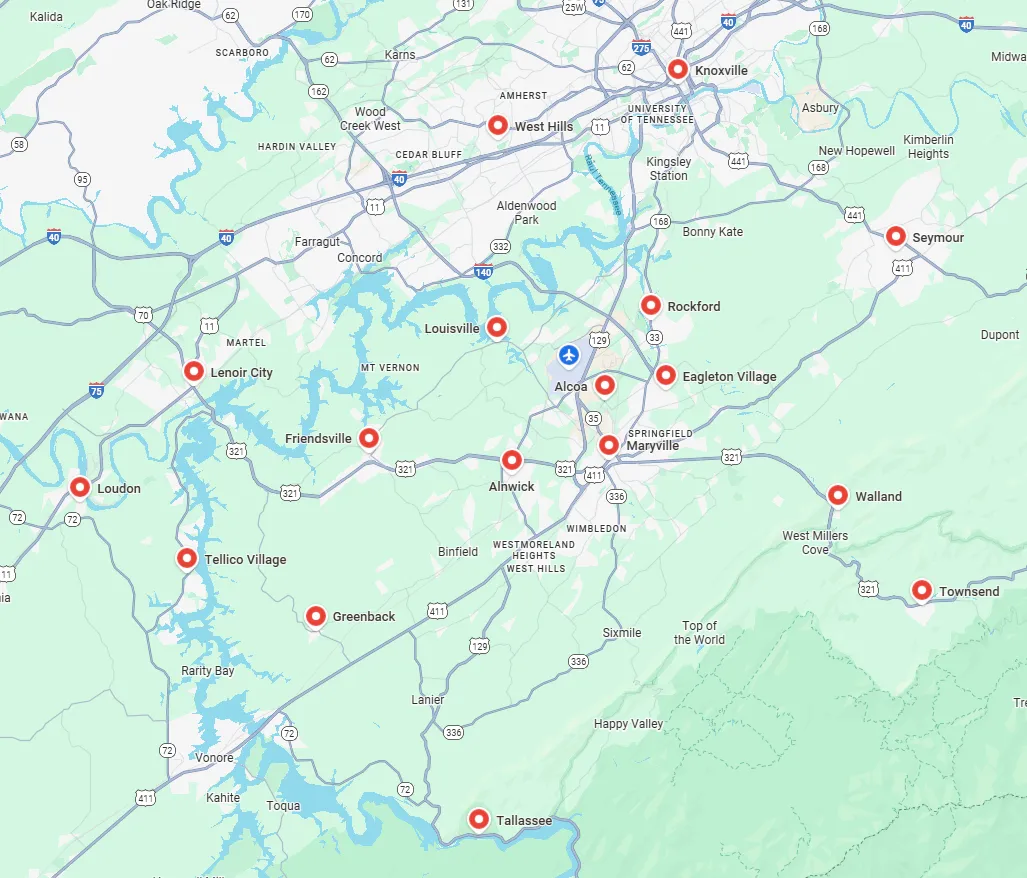
Service areas