

Furnace Installation in Knoxville, TN
When it comes to furnace installation in Knoxville, TN, it's about much more than just swapping out old equipment. You need a system that's perfectly sized, energy-efficient, safely vented, and compatible with your existing ductwork to keep your home reliably warm through our unpredictable winters. That's where Everest Air Heating and Cooling comes in. We bring our local expertise to every step of the process, from assessing your home's heating needs and sizing the right unit, to evaluating your ductwork, handling the installation, explaining warranty and financing options, and performing thorough post-installation testing and guidance. We want you to feel confident and fully informed when making decisions about replacing or installing a new furnace.
-min.jpeg)
Why correct furnace installation matters in Knoxville
Knoxville winters are generally moderate compared with northern climates, but cold snaps, overnight lows below freezing, and damp conditions create distinct heating demands. An incorrectly sized or poorly installed furnace can cause:
- Short cycling and excessive wear that leads to premature failure
- Uneven heating across rooms in homes with mixed insulation or older duct systems
- Higher energy bills due to reduced efficiency or improper airflow
- Safety risks from inadequate venting, combustion, or gas connections
A professional installation tailored to your home ensures peak performance, long-term reliability, improved indoor air quality, and maximum value from your investment. Everest Air Heating and Cooling applies industry-standard calculations, local climate knowledge, and code-compliant practices to every installation.
Common furnace installation scenarios we handle in Knoxville homes
- Replacement of aging or failing furnaces with modern high-efficiency gas or electric units
- New installations for additions or new construction
- Converting from electric baseboard or heat pump systems to natural gas furnaces, or vice versa
- Upgrading equipment to high-efficiency condensing models for energy savings
- Integrating zoning or smart thermostat systems for better comfort control
- Ductwork modifications, sealing, and balancing to accommodate new equipment
Step 1: Home heating load assessment and accurate unit sizing
Proper sizing is the foundation of an effective furnace installation. Everest Air Heating and Cooling performs a detailed heating load assessment rather than relying on rule-of-thumb methods. Standard elements of this assessment include:
- A Manual J load calculation: measures heat loss using home square footage, insulation levels, window types, orientation, air infiltration, and local climate data for Knoxville
- Review of attic, wall, and floor insulation and any recent renovations that change heating needs
- Consideration of occupancy patterns, thermostat settings, and comfort preferences
- Identification of high-loss rooms or areas that may need supplemental solutions
Why this matters: A furnace sized too large will short cycle, wasting energy and causing inconsistent comfort. A furnace sized too small will run continuously and fail to keep your home warm on colder nights. Accurate sizing balances capacity, efficiency, and longevity.
Step 2: Choosing the right furnace type and efficiency rating
Everest Air Heating and Cooling walks you through furnace types and efficiency considerations relevant to Knoxville:
- Gas Furnaces
- Most common choice for Knoxville because of local access to natural gas and strong cold-weather performance
- Available in single-stage, two-stage, and modulating options for improved comfort and efficiency
- High-efficiency condensing gas furnaces (AFUE 90% to 98%) recover additional heat from flue gases but require proper condensate handling and PVC venting
- Electric Furnaces
- Simpler equipment with lower upfront cost but higher operating cost where electric rates are significant
- Good option for homes without a gas supply or where ductwork is being replaced with a ductless or hybrid solution
- Heat Pump Hybrid Systems
- Paired heat pump with a gas furnace (dual fuel) provides highly efficient heating at milder temperatures and reliable gas heat during colder snaps, useful for Knoxville’s variable seasons
Key efficiency metrics:
- AFUE (Annual Fuel Utilization Efficiency): primary efficiency rating for furnaces. Higher AFUE means more of the fuel converts to usable heat.
- SEER and HSPF: relevant if pairing with heat pump systems.
- Modulating and two-stage operation: reduces temperature swings and improves comfort while lowering runtime.
Everest Air Heating and Cooling will present equipment options balanced for capacity, AFUE, upfront cost, and long-term operating costs so you can choose the system that best matches your goals.
Step 3: Ductwork evaluation and recommended modifications
Ductwork is often the limiting factor in furnace performance, especially in older Knoxville homes built before modern sealing and insulation practices. A professional duct assessment includes:
- Visual inspection of accessible ducts for disconnected sections, crushed ducts, or obvious damage
- Measurement of static pressure and airflow to evaluate whether the new furnace blower will deliver proper CFM
- Leak detection and recommended duct sealing using mastic or UL 181-rated tape
- Insulation checks for ducts in attics and crawlspaces to reduce heat loss
- Recommendations for duct resizing or adding returns where inadequate
Common ductwork problems seen in the region:
- Leaky ducts in unconditioned attic spaces that waste heated air
- Undersized return paths causing reduced airflow and noisy operation
- Inconsistent room pressures that lead to drafts or doors slamming
Correcting duct issues during installation prevents performance problems and ensures the new furnace achieves expected efficiency and comfort.
Step 4: Professional installation procedures (step-by-step)
Everest Air Heating and Cooling follows a disciplined, code-compliant installation process. Typical steps:
- Pre-install inspection and final equipment selection based on the load calculation
- Obtain required local permits and verify code requirements for Knox County or your municipality
- Remove the old equipment carefully and dispose of refrigerant or hazardous materials according to regulations
- Prepare the furnace location: level platform, proper clearances, and adequate combustion air
- Install new gas piping or electrical service in compliance with local codes and manufacturer specs
- Set up flue venting or PVC condensate drain for high-efficiency units; install draft diverters or proper chimney connectors as required
- Connect ductwork, test for proper drafts, and make necessary modifications for airflow balance
- Install and wire the thermostat, and confirm compatibility with modulating controls or zoning systems
- Seal penetrations, insulate exposed ducts, and restore work areas
Throughout the process, technicians adhere to safety practices for gas handling, electrical work, and combustion testing. Everest Air Heating and Cooling documents the work and prepares the system for final commissioning.
Post-installation testing and commissioning
A thorough startup and testing protocol verifies that the installation meets performance and safety expectations:
- Combustion analysis for gas furnaces to measure flue gas CO2, O2, and CO levels and confirm proper burner operation
- Static pressure and airflow checks to ensure the blower and ducts deliver design CFM
- Electrical safety checks including grounding, disconnects, and control wiring
- Gas pressure verification at the manifold and regulator
- Condensate drainage test for condensing furnaces
- Carbon monoxide testing in the furnace area and common living areas
- Thermostat calibration and testing of staging or modulation functions
- System run verification under different outdoor temperature assumptions to confirm performance
Technicians will also show how to operate the system, change filters, and describe normal sounds and behaviors so homeowners know what to expect.
Warranty, registration, and financing options explained
Everest Air Heating and Cooling makes warranty and financing details clear during the purchase process:
- Manufacturer warranties typically cover components and sometimes the heat exchanger for specified periods. Common terms include parts warranties and longer heat exchanger coverage.
- Labor warranties from Everest Air Heating and Cooling cover workmanship and installation-specific issues for a defined period after completion.
- Warranty registration: many manufacturer warranties require timely registration after installation to be fully valid. Everest Air Heating and Cooling will assist with or complete registration paperwork.
- Financing options: multiple financing paths may be available to spread equipment costs over time. Financing structures vary with terms and eligibility. Everest Air Heating and Cooling will outline typical options so homeowners can choose responsibly without pressure.
Understanding warranty coverage and registration obligations protects your investment and ensures you can access eligible manufacturer support if needed.
What to expect in the days and months after installation
After a furnace installation, homeowners should expect:
- Short break-in period where the system optimizes control responses. Slight odors or dust burn-off during the first few cycles can be normal.
- Verification of thermostat schedules and comfort settings. Minor adjustments to thermostat programming may be needed after observing actual performance.
- Recommended maintenance schedule: annual Tune-Ups in fall are especially important for reliable Knoxville heating. The Y.E.T.I Comfort Plan offered by Everest Air Heating and Cooling packages seasonal inspections and priority service to keep systems running efficiently.
- Keep documentation: installation report, warranty cards, maintenance records, and manufacturer's manual should be stored for reference.
Timely maintenance extends equipment life, preserves warranty eligibility, and maintains efficiency.
Typical issues resolved by professional installation
Many common problems homeowners attribute to poor furnace performance are actually the result of improper sizing, duct restrictions, or installation shortcuts. Professional installation resolves:
- Uneven home temperature and hot or cold spots
- Excessive cycling and short runtime
- Elevated energy consumption after a new installation due to airflow mismatches
- Frequent component failures tied to electrical or gas supply issues
- Unsafe venting or combustion conditions
Addressing these during the installation prevents future service calls and delivers predictable comfort through Knoxville’s seasonal variations.
Energy savings and long-term benefits
Modern furnaces, when sized and installed correctly, deliver measurable benefits:
- Lower monthly energy bills from higher AFUE ratings and optimized airflow
- More consistent indoor comfort with multistage or modulating units
- Reduced noise and longer equipment life from proper ductwork and reduced cycling
- Improved indoor air quality when paired with filtration or air purification strategies
- Potential eligibility for local incentives or utility rebates for high-efficiency installations (subject to current programs)
Making a data-driven selection rather than chasing the highest AFUE alone yields the best long-term value for many Knoxville homeowners.
Maintenance and seasonal care recommendations for Knoxville homes
A proactive maintenance approach keeps your furnace running reliably:
- Annual fall Tune-Up: cleaning burners, inspecting heat exchanger, checking ignition components, and verifying safe operation
- Change or clean return filters monthly to quarterly depending on filter type and household factors like pets
- Inspect vents and returns for obstructions and keep outside vents clear of debris
- Test carbon monoxide detectors regularly and replace batteries as needed
- Consider duct sealing and insulation in unconditioned spaces to reduce heat loss
- If your home experiences a fluctuating humidity seasonally, discuss humidification options to improve comfort and perceived warmth
Everest Air Heating and Cooling recommends enrolling in the Y.E.T.I Comfort Plan to automate this preventive care with scheduled checkups and priority service.
How Everest Air Heating and Cooling approaches installations differently
- Local knowledge: installations tailored for Knoxville and surrounding counties consider seasonal temperature swings and typical home construction in the area.
- Transparent process: equipment options, sizing rationales, and duct recommendations are explained clearly so you understand tradeoffs and expected outcomes.
- No shortcuts in quality: attention to correct venting, combustion adjustments, and airflow balancing to prevent future problems.
- Respectful workmanship: protection of living areas, clean removal of old equipment, and documentation of warranty and maintenance guidance.
Everest Air Heating and Cooling consistently prioritizes safety, efficiency, and long-term homeowner satisfaction for every furnace installation.
Frequently asked questions
Q: How long does a typical furnace installation take?
A: A standard replacement installation usually takes one full day for most homes, but complex ductwork modifications, venting upgrades, or permit processing can extend the timeline to two days or more.
Q: Will a new high-efficiency furnace save enough on bills to justify the cost?
A: Savings depend on prior equipment efficiency, fuel rates, and your usage patterns. High-efficiency furnaces reduce fuel consumption, and when combined with proper duct sealing and thermostat controls, they often produce noticeable monthly savings and improved comfort.
Q: Do I need a permit for a furnace replacement in Knoxville?
A: Most municipalities require permits for furnace installations to ensure code compliance and safe operation. Everest Air Heating and Cooling manages permit requirements and adheres to local codes during every installation.
Q: How long should I expect my new furnace to last?
A: With proper maintenance, many modern furnaces last 15 to 20 years. Life expectancy varies with usage, fuel type, model quality, and maintenance history.
Q: What is AFUE and why does it matter?
A: AFUE stands for Annual Fuel Utilization Efficiency and estimates the percentage of fuel converted to usable heat. Higher AFUE values indicate a more efficient furnace and lower operating costs, but correct sizing and installation are essential to realize those efficiency benefits.
Q: Can I pair a new furnace with my existing thermostat or do I need an upgrade?
A: Many new furnaces, especially modulating or multi-stage units, work best with modern thermostats. Everest Air Heating and Cooling will check compatibility and recommend upgrades when they improve performance or allow better control and energy savings.
Q: What should I do if I smell gas after installation?
A: Any gas smell requires immediate attention. Leave the area, avoid switching any electrical devices, and seek emergency help per local safety guidance. Professional technicians always complete a gas leak check and will verify safe operation before leaving a job.
Q: Does a condensing furnace require special venting?
A: Yes. High-efficiency condensing furnaces use PVC venting for exhaust because flue gases are cooler and contain condensate. Proper condensate drainage and corrosion-resistant materials are essential.
Q: Are financing options available for furnace installations?
A: Financing options can be available to spread costs over time. Everest Air Heating and Cooling provides information about typical financing structures and helps homeowners evaluate choices without pressure.
Q: How soon should I replace a failing furnace?
A: If repair costs are repeatedly high, the unit is near or past expected life, or the system cannot maintain comfort or efficiency, replacement is usually the more cost-effective and dependable choice. A professional assessment will clarify the best path forward.
Everest Air Heating and Cooling aims to make furnace installation in Knoxville, TN straightforward, safe, and tailored to your home. From detailed load calculations to duct optimization, combustion testing, and warranty support, a quality installation sets the stage for reliable comfort and efficient operation for years to come.
hear what our satisfied clients have to say

David P.
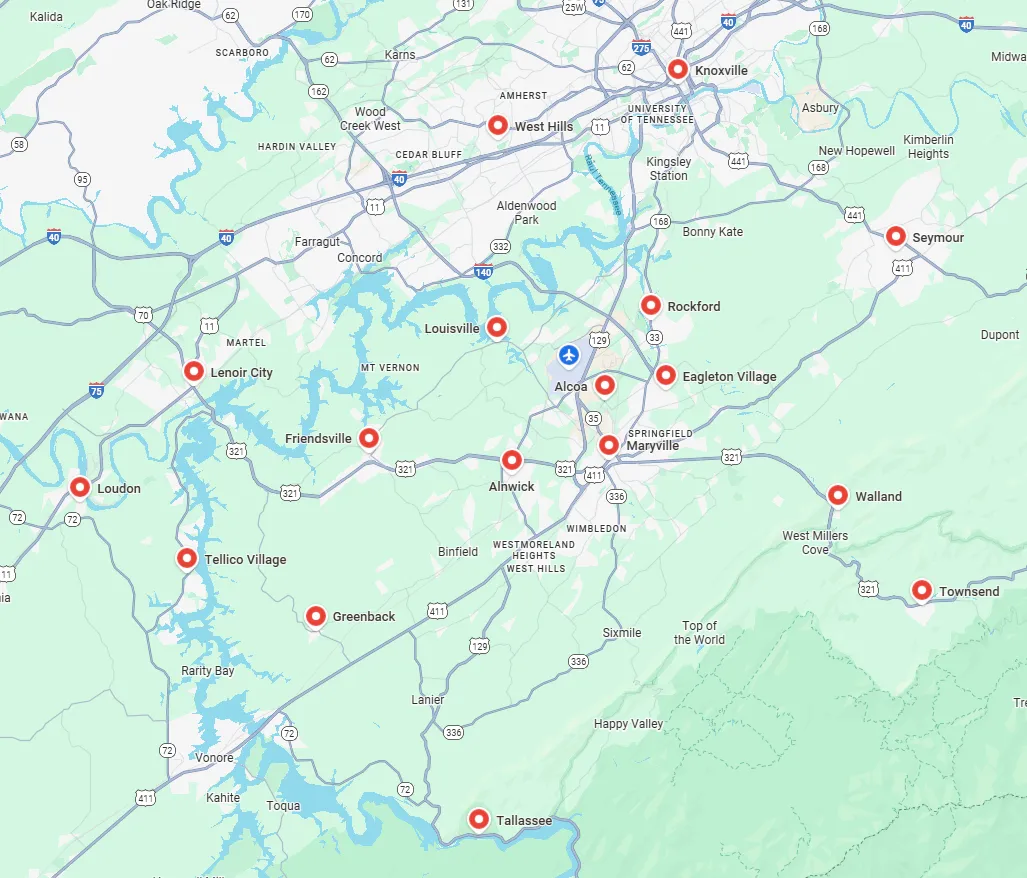
Service areas